
Torchlight: Infinite SS14 gives Youga a fresh identity with The Ultimate One, a hero trait built around spacetime manipulation, automated spellcasting, and projectile interactions. For players exploring new builds, the biggest question is whether Youga 3 offers a meaningful advantage over other options. Our team looks at its defining mechanics, combat potential, and build requirements to help you decide whether it deserves a place in your next season.
The appeal goes beyond flashy spell effects. Youga 3 combines a distinctive combat loop with defensive mechanics that could make demanding encounters more manageable. However, strong mechanics do not automatically translate into an easy league start. Whether you're planning your first character or managing your Flame Elementium (FE) budget for a more specialized build, understanding how the pieces work together is essential.

1. What Makes Youga 3 Different in SS14?
The Ultimate One focuses on manipulating spacetime and turning projectile interactions into a central part of combat. Rather than relying entirely on conventional spellcasting, the hero trait encourages players to build around linked effects, automated attacks, and carefully selected skill combinations.
Three mechanics deserve the most attention:
- Clockwork Core: The centerpiece of the playstyle, associated with gathering and utilizing Entanglement effects.
- Stasis Vault: A controlled combat area that changes how projectiles interact with their surroundings.
- Projectile Recall: A mechanic that can potentially create repeated damage opportunities when projectiles return toward their source.
Together, these systems give Youga 3 a distinctive identity. Our team recommends learning how each mechanic functions before investing heavily in supporting skills or equipment. A build that looks impressive on paper still needs reliable damage delivery and consistent performance in actual encounters.
2. How Clockwork Core and Stasis Vault Shape Combat
The relationship between Clockwork Core and Stasis Vault is central to understanding Youga 3. The core provides the foundation for its automated spellcasting style, while the vault creates opportunities for more complex projectile interactions.
| Mechanic | Combat role | What players should consider |
|---|---|---|
| Clockwork Core | Supports the automated casting loop | Skill compatibility and effect uptime |
| Stasis Vault | Establishes a controlled combat area | Positioning and enemy movement |
| Projectile Recall | Creates opportunities for repeated hits | Projectile behavior and damage consistency |
| Entanglement effects | Contribute to the build's core interaction system | Setup requirements and skill synergy |
The key is not simply generating as many projectiles as possible. We need to understand whether those projectiles can hit targets consistently, how much time they spend dealing damage, and whether the build remains effective against enemies that move frequently.
This distinction matters most during boss encounters. Stationary or predictable enemies may allow a build to take better advantage of its projectile interactions, while mobile targets can make positioning and damage consistency more challenging. Players should test these situations rather than assume the same performance across every encounter.
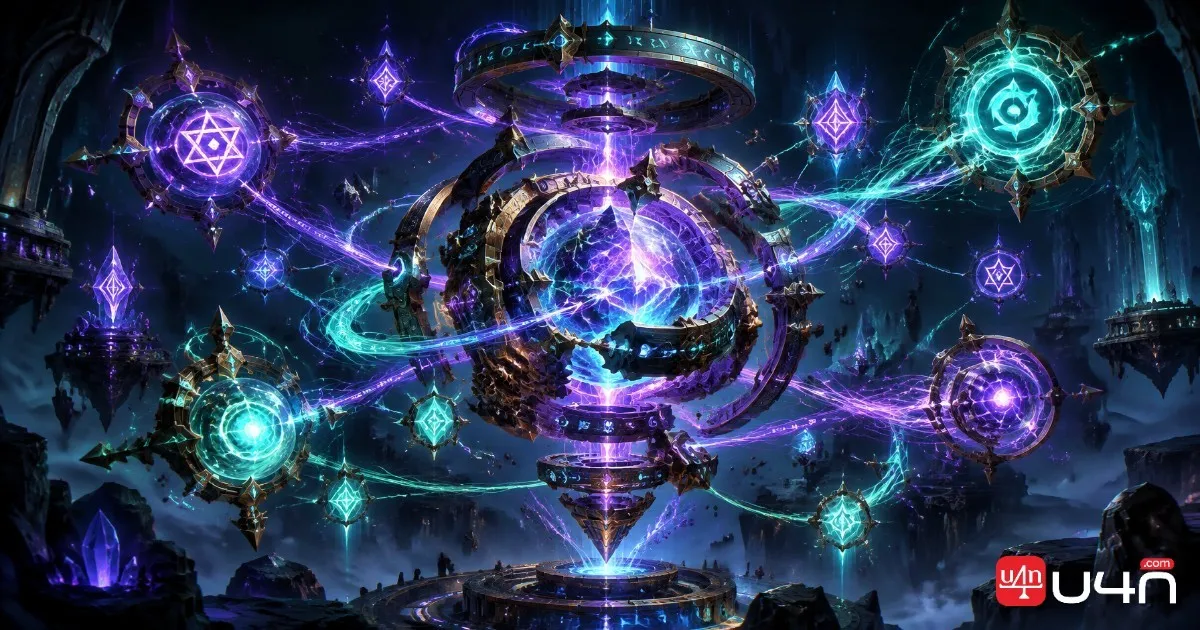
3. Damage Potential: Mapping vs. Boss Fights
Youga 3's projectile-focused design offers an appealing route toward high damage output, particularly for players who enjoy spell effects covering a large portion of the screen. However, clear speed and boss damage are not interchangeable, and each deserves separate evaluation.
Mapping performance
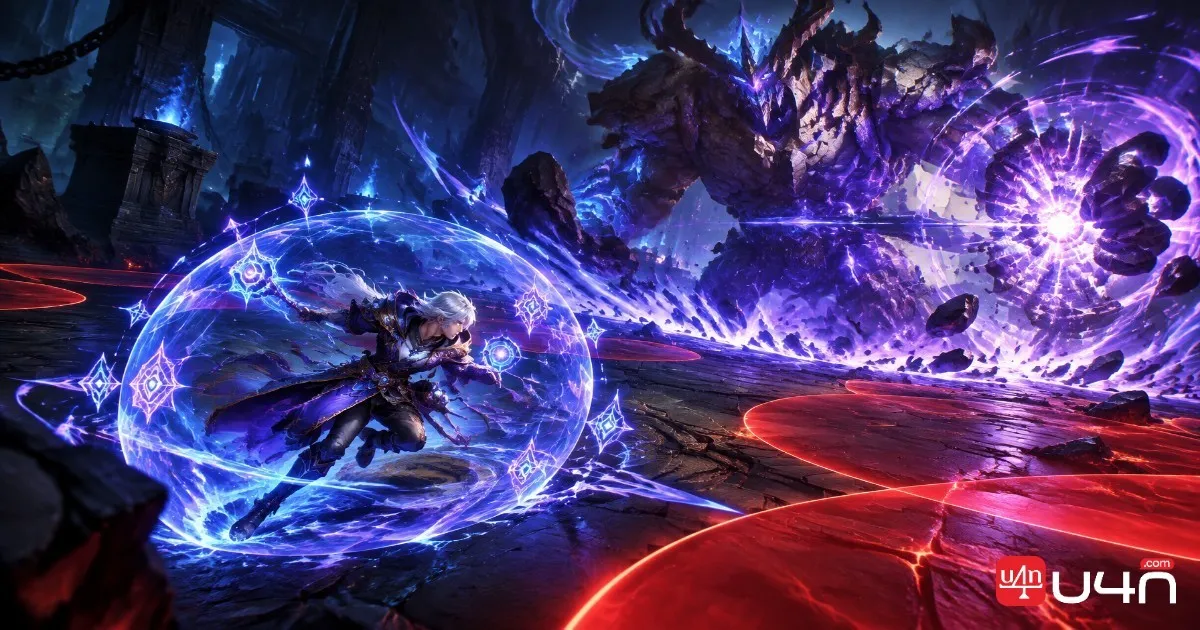
Automated spellcasting and projectile interactions may help maintain damage while players move through enemy packs. This can make the playstyle attractive for clearing dense areas, provided the build can keep its core effects active without excessive setup.
Boss performance
Boss fights introduce a different set of challenges. Enemies may leave the intended combat area, interrupt the ideal projectile pattern, or force the player to prioritize movement over damage. In these situations, consistent damage delivery matters more than visual projectile density.
Our team recommends evaluating the build across three practical questions:
- Can it clear ordinary enemy groups without frequent interruptions?
- Does it maintain reliable damage against mobile bosses?
- Can it recover quickly when the ideal skill rotation breaks down?
Without controlled testing, we would avoid assigning Youga 3 a definitive damage ranking. Its mechanics suggest meaningful potential, but actual results depend on skill choices, equipment, enemy behavior, and how well the build is assembled.
4. Survivability and Build Requirements
Damage is only one part of a successful endgame character. Youga 3 also draws attention through its defensive mechanics, including claims surrounding delayed damage and emergency recovery. These effects could provide valuable protection, but their exact triggers, cooldowns, and limitations should be checked against the current SS14 version before players build around them.
We would prioritize the following areas when planning a build:
- Cooldown management: Determine how frequently key defensive and offensive effects can be activated.
- Skill duration: Check whether important effects remain active long enough to support the intended combat loop.
- Casting speed: Evaluate whether faster casting improves practical damage without introducing unnecessary resource or performance problems.
- Positioning: Learn when to stay within the intended combat area and when to move to avoid dangerous attacks.
- Skill synergy: Choose supporting skills that improve the core mechanics instead of adding complexity without a clear benefit.
Players considering cheap Torchlight: Infinite Flame Elementium should pay particular attention to build efficiency. A practical setup should prioritize the skills and attributes that directly improve its core loop before investing in expensive upgrades. We recommend treating defensive recovery as a useful safety layer rather than a substitute for learning encounter mechanics.
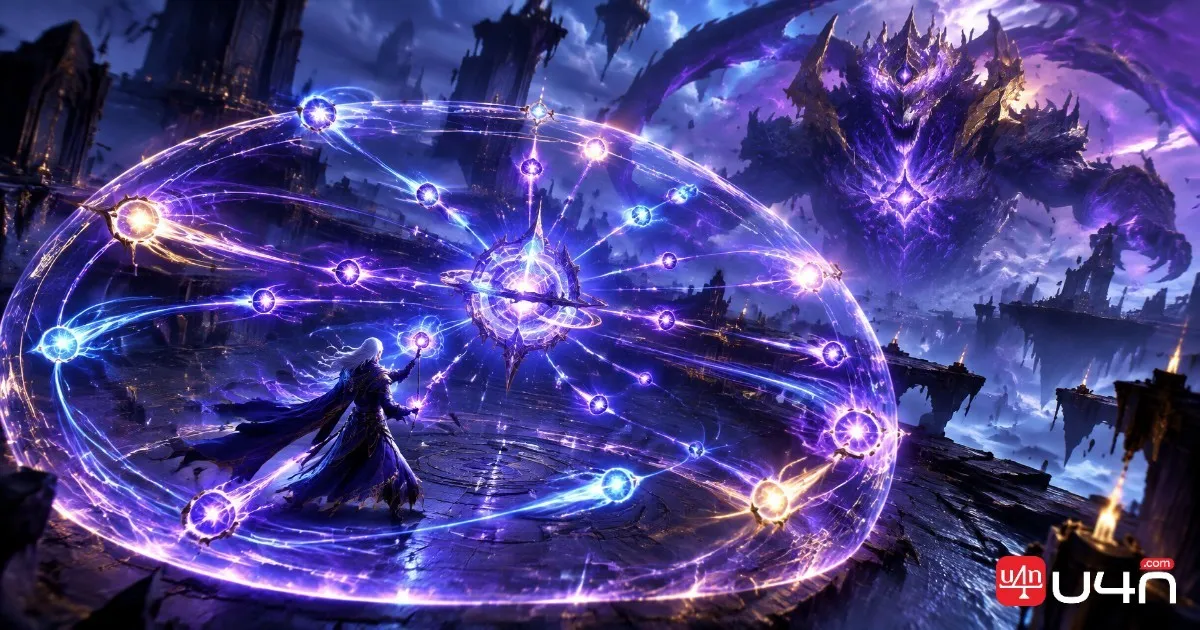
5. Pros and Cons of Playing The Ultimate One
Youga 3 has several appealing qualities, but its strengths come with trade-offs. Understanding both sides will help players decide whether the playstyle fits their goals.
| Advantages | Potential drawbacks |
|---|---|
| Distinctive spacetime and projectile-based gameplay | Multiple interacting mechanics may take time to understand |
| Strong potential for automated spellcasting | Performance depends on maintaining effective skill interactions |
| Opportunities for repeated projectile hits | Mobile bosses may disrupt ideal projectile patterns |
| Defensive mechanics that may improve survivability | Exact defensive conditions and limitations require verification |
| Multiple possible build directions | Skill selection and attribute priorities can increase setup complexity |
The main attraction is its unusual combination of automated casting, projectile manipulation, and defensive utility. Players who enjoy experimenting with skill interactions may find plenty to explore.

The biggest concern is consistency. A build can look powerful when its mechanics line up perfectly but feel less reliable when enemies move, effects expire, or positioning becomes difficult. Visual clutter and performance should also be considered if the build produces a large number of simultaneous spell effects.
For these reasons, we would judge Youga 3 by its practical performance rather than its most spectacular damage moments.
6. Is Youga 3 Worth Playing in SS14
The Ultimate One is worth considering if you enjoy mechanically distinctive spellcasters, automated attacks, and projectile-focused combat. Its combination of Clockwork Core, Stasis Vault, and projectile interactions creates an interesting foundation for experimentation, while its defensive mechanics offer another reason to investigate the trait.
However, we would not automatically recommend it as the best league starter without reliable evidence about its early progression, equipment requirements, and current-version performance. Players seeking a straightforward build may prefer a less complicated option, while experienced players who enjoy fine-tuning skill interactions may appreciate Youga 3's potential.
Our recommendation is to start with a clear understanding of the core mechanics, test the build against both ordinary enemies and bosses, and invest in upgrades that address its actual weaknesses. The Ultimate One can be an appealing SS14 choice, but its real value comes down to how consistently it performs in the content you want to play.
FAQ
Is Youga 3 a good league starter in SS14?
It may suit players comfortable with build experimentation, but its league-start value depends on early damage, defensive reliability, and equipment requirements. Test its basic setup before committing substantial resources.
What is the main mechanic behind The Ultimate One?
Its identity centers on spacetime manipulation, Clockwork Core interactions, and projectile behavior associated with Stasis Vault. The exact effects depend on the current version and selected hero-trait nodes.
Is Youga 3 better for mapping or boss fights?
It may have strong mapping potential through automated casting and projectile interactions. Boss performance requires separate evaluation because movement and positioning can affect damage consistency.
Which attributes should players prioritize?
Cooldown management, skill duration, casting speed, and supporting-skill synergy are useful areas to evaluate. The final priorities should follow the chosen build and verified in-game mechanics rather than a universal stat list.
Is The Ultimate One worth investing in?
It is worth exploring if you enjoy complex spellcasting and projectile-based builds. Before making expensive investments, confirm the current mechanics, establish a functional skill setup, and identify which upgrades provide the greatest practical benefit.