NBA 2K27 Season 2 introduces GOAT Builds, giving players a new way to recreate legendary NBA stars with attributes and physical profiles that go beyond the standard MyPLAYER Builder limits. For players exploring different playstyles or considering NBA 2K27 Boosting to speed up their progression, the big question is whether these superstar-inspired builds actually perform better than custom creations.
Our team looks at both options from a practical gameplay perspective. GOAT Builds offer impressive physical tools and recognizable signature animations, while Custom Builds give players more control over how their players move, shoot, and handle the ball. Neither option automatically guarantees better results. The right choice depends on your position, preferred animations, team role, and the way you approach competitive games.

1. What Makes GOAT Builds Different From Custom Builds?
The biggest difference is how each build balances attributes against customization. GOAT Builds are designed around specific NBA players, allowing them to exceed standard MyPLAYER attribute and physical caps. Custom Builds, on the other hand, let players shape their own attributes and select animations to suit a preferred playstyle.
According to the official Season 2 announcement, GOAT Builds preserve each featured player's authentic feel by locking their animations and stats, while still providing access to Badges, Cap Breakers, and other progression features.
| Category | GOAT Builds | Custom Builds |
|---|---|---|
| Attributes | Can exceed standard Builder caps | Must work within standard Builder limits |
| Physical profile | Based on a featured player's profile | Shaped around your chosen measurements and attributes |
| Animations | Signature animations and stats are locked | Greater freedom to choose eligible animations |
| Badges | Available for further progression | Available for further progression |
| Cap Breakers | Supported according to the official announcement | Available through the standard progression system |
| Best starting point | Players who want a ready-made superstar identity | Players who want a tailored competitive build |
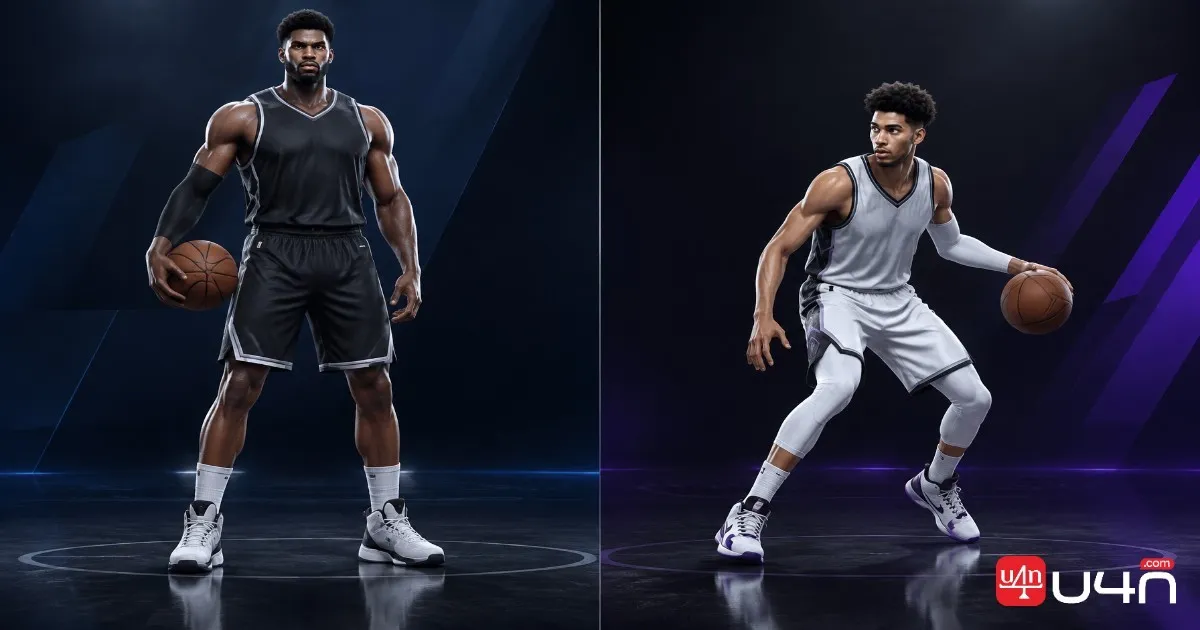
For us, the key distinction is simple: GOAT Builds prioritize a predefined superstar package, while Custom Builds prioritize personal control. That difference matters more than the name attached to either build.
2. Attributes vs. Animations: What Matters More in Actual Games?
High attributes can make a noticeable difference, but they do not tell the whole story. A player still needs animations that fit their timing, positioning, and decision-making.
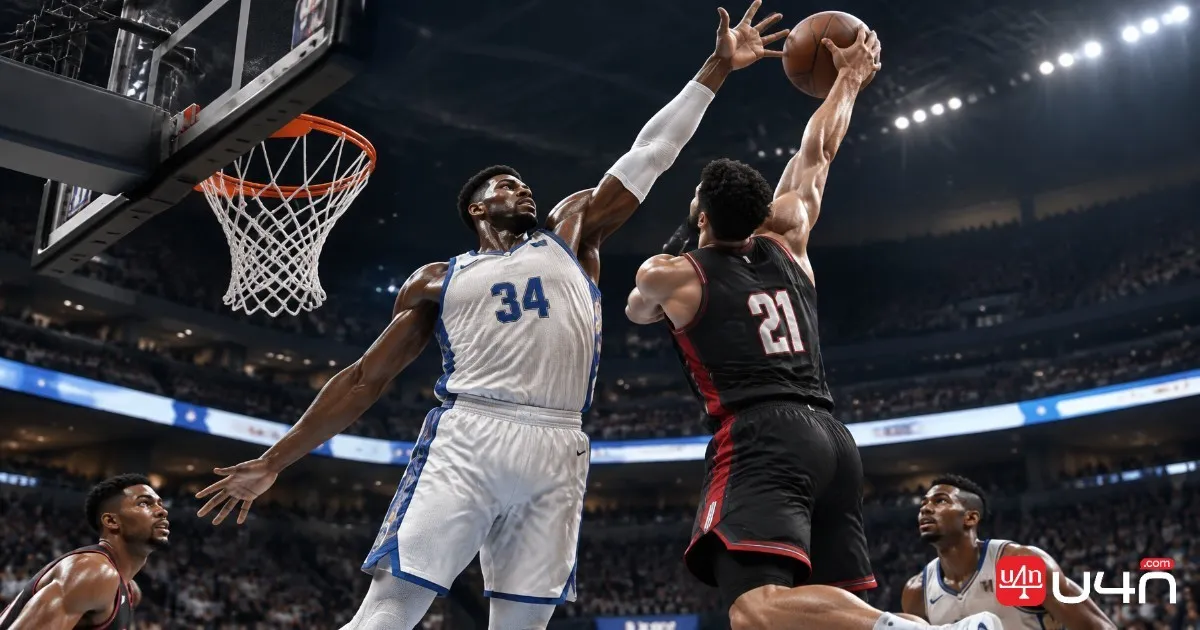
GOAT Builds can be especially appealing when their physical advantages complement their role. A taller player with strong defensive attributes may contest more shots, cover more space, and compete for rebounds more effectively than a conventional build with a less favorable physical profile.
However, locked animations introduce a trade-off. A signature jump shot might feel natural to one player but uncomfortable to another. The same applies to dribble moves, gathers, layups, and dunk packages. If you rely on specific animation combinations, losing the ability to customize them can affect your consistency.
We recommend evaluating three factors before committing to a build:
- Shot timing: Can you consistently release the ball with the assigned jump shot?
- Movement and ball handling: Do the available animations support your preferred pace, direction changes, and separation?
- Physical advantages: Do the build's height, strength, speed, and defensive tools compensate for any animation limitations?
Our experience with competitive basketball games suggests that consistency often matters more than impressive-looking ratings. A build that fits your timing and decisions can be more effective than a statistically stronger option that feels awkward in your hands.
Our experience with competitive basketball games suggests that consistency often matters more than impressive-looking ratings.
3. Which Build Type Works Best for Each Position?
There is no universal winner across every position. The best option depends on what your team needs and how much control you want over your player's movement.
Point Guard and Shooting Guard
For primary ball handlers, Custom Builds are often the safer starting point. Guards frequently depend on specific dribble packages, quick releases, and reliable shot creation. Being able to select animations that match your timing can make a meaningful difference in isolation plays and late-clock possessions.
GOAT Builds can still be attractive if their signature movements suit your style. A superstar-inspired guard with excellent physical tools may be effective, but those advantages should be weighed against the animations you cannot change.
Our recommendation: Prioritize Custom Builds if your game revolves around creating shots, chaining dribble moves, and controlling the offense. Consider a GOAT Build if you already like its signature animations.
Small Forward and Power Forward
Wings and power forwards have more varied responsibilities. Some create offense from the perimeter, while others focus on defense, rebounding, finishing, or secondary playmaking.
A GOAT Build may be appealing when its physical profile supports several of these responsibilities without forcing the player into a narrow role. Custom Builds remain useful when you want to emphasize a particular combination, such as perimeter defense and shooting or strength and interior finishing.
Our recommendation: Compare the complete attribute profile with your team's needs instead of choosing solely by player name or overall rating.
Center
Centers often benefit from physical advantages that influence rim protection, rebounding, screening, and finishing. If a GOAT Build provides a useful combination of size, strength, mobility, and defensive attributes, it can be a strong option for players who prefer an interior role.
That does not mean every GOAT center will outperform every custom center. Positioning, rebounding technique, defensive reads, and team coordination still determine how effectively those attributes translate into wins.
Our recommendation: Give GOAT Builds serious consideration if you prioritize interior defense and physical dominance, but verify that the specific template fits your preferred role.
4. How Do GOAT Builds Perform in Different Game Modes?
The same build can feel excellent in one mode and less effective in another. Your decision should reflect how you actually play rather than a general ranking of build types.
| Game mode or role | What to prioritize | Build to consider |
|---|---|---|
| Park | Shot creation, movement, finishing, and quick defensive reactions | Custom for animation control; GOAT if its signature package fits |
| REC | Team balance, defensive coverage, rebounding, and reliable shooting | Either, depending on position and lineup |
| Pro-Am | Consistent execution, role specialization, and coordinated team play | The option that best fits your assigned role |
| Solo MyCAREER | Personal preference, progression goals, and versatility | Either, based on the experience you want |
In Park games, guards may value animation freedom because individual shot creation happens frequently. In REC, a center or defensive wing may contribute more through positioning, rebounding, and team defense. Pro-Am demands a more deliberate decision because a build needs to fit a coordinated lineup rather than simply look powerful on paper.
We would not label one build type as the automatic choice for an entire mode. A well-designed custom player can struggle in the wrong role, while a GOAT Build with excellent physical tools can underperform if its animations do not match the user's skill set.
5. Unlock Requirements, Progression, and VC Considerations
Another important difference is the time required to access and develop a build. Custom Builds provide a direct route to creating a player around your own specifications, although developing that player still requires progression. GOAT Builds may offer a different path because some templates are available at launch while others are earned through seasonal rewards, REP progression, or Lifetime Challenges.
Before committing, check the current in-game requirements for the specific template you want. Do not assume every GOAT Build is immediately available or that all templates share the same unlock conditions.
Progression also deserves attention. Even when a build starts with impressive attributes, its effectiveness depends on how you use its available Badges, Cap Breakers, and other progression options. Custom Builds require the same careful planning, particularly when deciding which attributes deserve priority.
If you are planning to buy NBA 2K27 VC, first decide which build you intend to use and check its upgrade costs in-game. Spending VC before testing a build's animations or confirming its long-term role can lead to unnecessary expenses.
We recommend prioritizing a build that you will enjoy using consistently. A small improvement in convenience is not worth much if the resulting player does not fit your preferred playstyle.
6. Are GOAT Builds Better Than Custom Builds?
GOAT Builds offer an appealing combination of superstar identity and physical advantages that conventional builds may not be able to reproduce. Their main limitation is reduced animation flexibility, which can matter considerably for players who depend on specific shooting and dribbling packages.
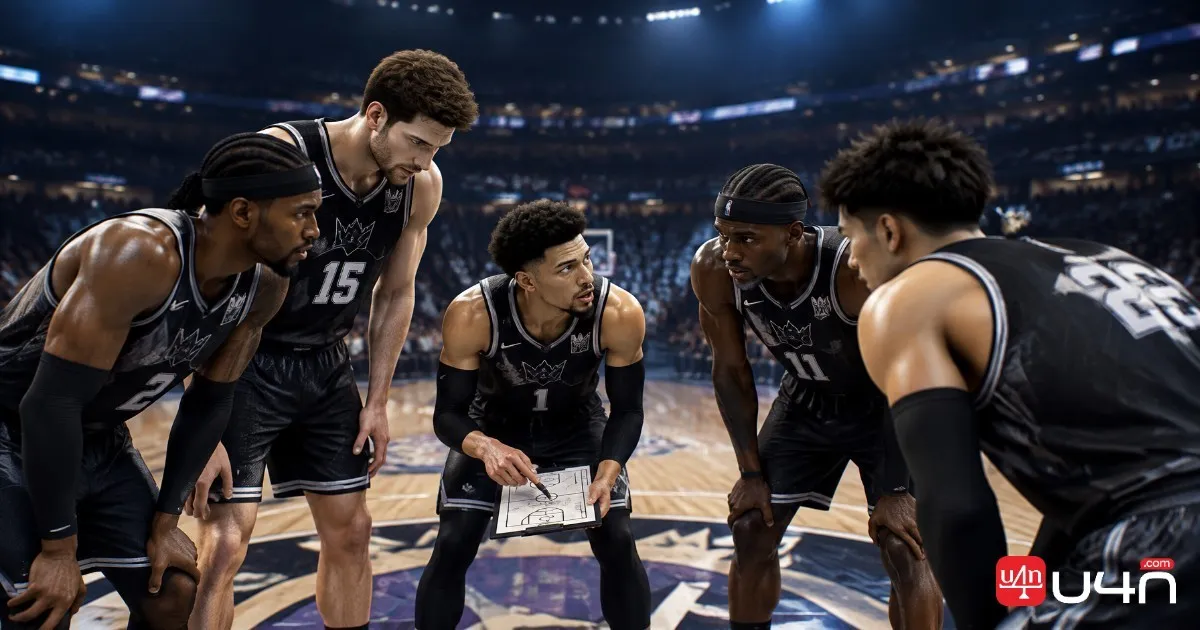
Custom Builds remain attractive because they let players tailor their attributes and animations to a defined role. That flexibility is particularly valuable for guards and other players who rely heavily on precise movement and shot creation.
Our team's recommendation is to choose based on the following priorities:
- Choose GOAT Builds if you value a predefined superstar profile, want to explore unusual physical combinations, and are comfortable with locked animations.
- Choose Custom Builds if you need precise control over your animations, want to specialize your attributes, or already have a proven playstyle.
- Compare both options carefully if you play REC or Pro-Am, where lineup balance and role execution can matter more than individual ratings.
Ultimately, the strongest build is not necessarily the one with the highest attributes. It is the one that gives you the right tools for your role and lets you execute consistently.
Test the available animations, examine the attributes, and make sure the build fits your team before investing heavily in progression.