Cart

Cart Empty

Continue Shopping
Total $0.00
Checkout
Home / Game coins / Aion 2 Kinah

Smart filters, quick results.

Server
Server
Item Type
Item Type
About 76Result
Sort:

Aion 2 Kinah for Sale | Buy Aion 2 Gold Cheap - U4N

Buy & Sell Aion 2 Kinah at U4N

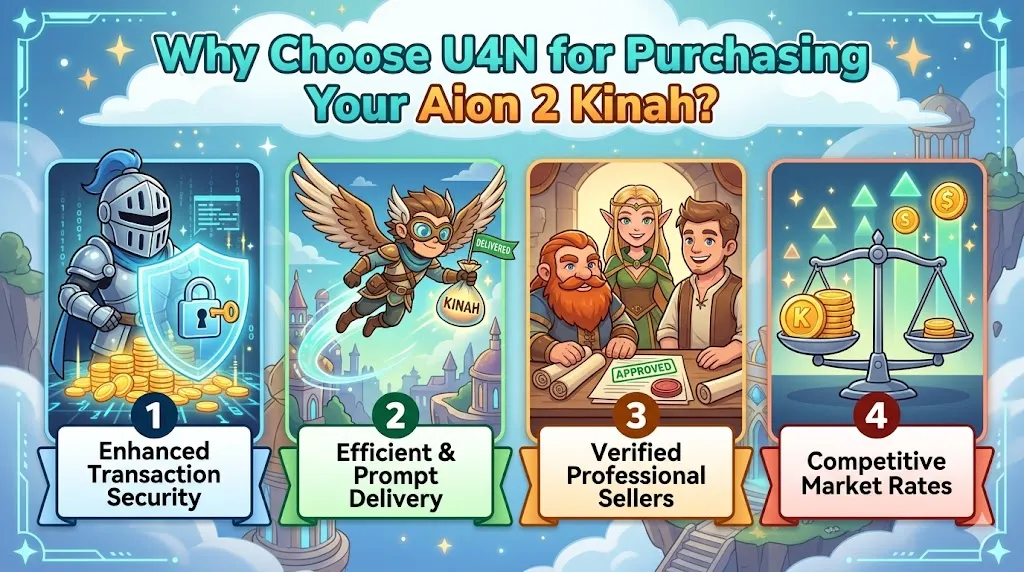
Buying Aion 2 Kinah online should be simple, secure, and transparent. At U4N, the process is designed for players who want a reliable way to get Kinah without unnecessary risk or confusion. The platform connects buyers with verified sellers, helping ensure that every transaction follows clear rules and practical safeguards.

U4N focuses on account safety and delivery accuracy. Sellers are reviewed before listing, and transactions are monitored to reduce common issues such as delayed delivery or incorrect amounts. Buyers can choose from multiple offers, compare prices, and select delivery methods that match their preferences, whether that's face-to-face trade or in-game mail.

Payment options are straightforward, with commonly used methods supported. Once an order is placed, tracking tools allow buyers to follow the progress until completion. If questions or issues arise, customer support is available to help clarify order status or resolve disputes.

For players who value stability and control, U4N offers a practical way to buy Aion 2 gold online without relying on unofficial channels or risky shortcuts. The goal is not speed at any cost, but a balanced approach that prioritizes consistency, clarity, and player protection.

Become a U4N Seller and Sell Aion 2 Kinah Online for Real Money

If you have extra Aion 2 gold and want to turn your in-game progress into real income, becoming a seller on U4N is a structured and transparent option. The platform allows individual players and professional traders to list Kinah offers directly to a global player base.

Seller registration is straightforward. After verification, you can create listings, set your own prices, and define delivery conditions. U4N provides tools to manage orders efficiently, helping sellers keep track of trades and communicate clearly with buyers when needed.

Security is a key part of the selling process. Funds are handled through an escrow-style system, reducing the risk of fraud or payment disputes. Clear rules and seller guidelines help maintain fair trading standards and protect both sides of the transaction.

Selling Aion2 coins online through U4N is suited for players who want a consistent, rule-based marketplace rather than informal trading. With flexible pricing, steady demand, and platform support, sellers can focus on reliable delivery and long-term reputation instead of chasing short-term gains.

Aion 2 Global Release Date

  • Aion 2 is already scheduled to launch in South Korea and Taiwan on November 19, 2025.
  • For the global release (Western regions like North America, Europe, etc.), NCSoft has confirmed a target in the second half of 2026.

At this time, there isn’t a specific day or month set for the global launch — only the broader window of H2 2026 has been announced.

Aion 2 Kinah Codes – What You Need to Know

Currently, there are no official Aion 2 Kinah codes that provide free in-game currency. While some unofficial sources may claim to offer codes, these are often misleading or tied to promotional offers rather than directly granting Kinah. Players can earn Kinah by completing quests, defeating enemies, crafting, and trading items in the game. Be cautious of any third-party sites or claims offering free Kinah codes, as they may be scams. Stick to in-game methods for safe and reliable Kinah acquisition.

How to Earn Aion 2 Kinah Efficiently In-Game

Earning Kinah in Aion 2 is mainly about efficiency. Players who focus on steady, repeatable income sources usually make more coins over time than those who rely on random drops or long grinding sessions. Below are the most reliable in-game methods.

1. Complete Daily and Repeatable Quests

Daily and repeatable quests provide a stable source of Kinah. They are predictable, don't require special gear, and often reward useful items alongside currency. Prioritize quests that can be completed quickly and fit naturally into your normal play routine.

2. Farm Open-World Monsters Strategically

Open-world farming is still effective when done carefully. Focus on areas where monsters drop materials that are commonly used for crafting or upgrades. Faster kill speed and short respawn times matter more than monster difficulty when measuring Kinah per hour.

3. Run Dungeons with a Clear Goal

Dungeons can generate Kinah through sellable loot and materials, not just equipment. Choose dungeons you can clear consistently rather than ones that are slow or risky. Regular, efficient runs usually outperform occasional high-difficulty clears.

4. Gather and Craft High-Demand Items

Gathering and crafting offer long-term income potential. Consumables, basic materials, and enhancement items tend to sell more reliably than rare gear. Before crafting, check market demand to avoid producing items that move slowly.

5. Use the Marketplace Carefully

Buying and reselling items can increase Kinah if done with patience. Track common prices and focus on items with steady demand. Avoid large investments early on, and start with low-risk trades until you understand the market better.

6. Measure Time Versus Reward

Efficiency matters more than total playtime. Compare how much Kinah you earn per hour from different activities and adjust accordingly. Managing inventory, travel time, and repair costs also has a noticeable impact on overall profit.

Mix different methods instead of relying on only one. A balanced routine—quests, farming, and market activity—helps keep Kinah income steady and reduces burnout over time.

Best Ways to Spend Aion2 Kinah

Spending gold wisely in Aion 2 is just as important as earning it. Kinah supports nearly every part of character progression, so poor spending decisions can slow you down later. The sections below focus on practical, commonly accepted ways to use Kinah effectively.

1. Gear and Equipment Upgrades

Upgrading weapons and armor is one of the most sensible uses of Kinah, especially early on. Stronger gear improves combat efficiency, making quests and farming easier. Focus on upgrades that directly affect your main stats instead of spending heavily on small or short-term improvements.

2. Consumables and Repair Costs

Potions, buffs, and equipment repairs are routine expenses that support daily gameplay. Keeping a steady supply reduces downtime and helps you complete content more smoothly. Ignoring these basics often leads to unnecessary deaths or delays, which cost more Kinah over time.

3. Crafting Materials and Professions

Buying crafting materials can be worthwhile if you actively use a profession or plan to sell finished items. Items with consistent demand—such as consumables or enhancement-related materials—are usually safer choices than niche or rare crafts. Always check market demand before spending large amounts.

4. Marketplace Purchases and Trading

The in-game marketplace is a common place to spend Kinah, whether for personal upgrades or resale. Price awareness is key. Compare listings and avoid impulse purchases, especially when market prices fluctuate. Small, well-timed trades are generally safer than large investments.

5. Event and Limited-Time Content

Some events require Kinah for entry, materials, or reward exchanges. These can be worth the cost if the rewards align with your character's needs. If the benefit is unclear or cosmetic only, it may be better to save your Kinah for more practical uses.

6. Saving for Long-Term Progression

Certain systems and upgrades require a larger Kinah reserve. Saving for these milestones—such as advanced crafting options or major upgrades—can prevent progress blocks later. Avoid spending all your Kinah at once, even when upgrades look tempting.

Good Kinah management is about balance. Spend enough to support daily play, but keep reserves for meaningful upgrades. Players who plan ahead tend to progress more smoothly and face fewer resource shortages.

Is It Safe to Buy Aion 2 Kinah Online?

Many players ask whether it is safe to buy currency online for Aion 2. The short answer is that it depends on how and where you buy it. There is always some level of risk, but careful choices can reduce that risk significantly.

The main concerns are account safety, delivery reliability, and payment security. Buying from unknown sellers, social media contacts, or unofficial chat groups often carries the highest risk. These channels usually lack clear rules, buyer protection, or any way to resolve disputes if something goes wrong.

Established shops are generally safer because they use structured systems. These platforms typically verify sellers, track orders, and hold payments until delivery is confirmed. This does not remove all risk, but it helps prevent common problems such as non-delivery or incorrect amounts.

Delivery method also matters. Slower, more natural in-game trading methods are usually safer than instant or unusual transfers that could draw attention. Players should avoid sharing account details, regardless of promises made by sellers.

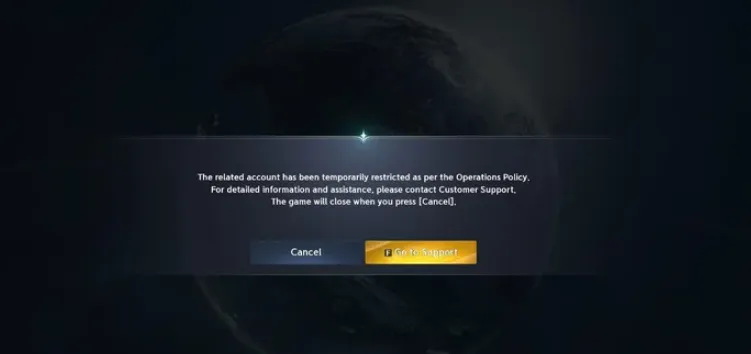
Finally, it's important to understand the game's rules. Buying Kinah from third parties may violate the terms of service, which can lead to penalties. Players should weigh convenience against potential consequences and make informed decisions.

In short, buying Aion 2 currency online can be done more safely with caution, research, and realistic expectations—but it is never completely risk-free.

Aion 2 Kinah Price Trends and Shop Supply

The price of Kinah in Aion2 is closely linked to how much currency is available in the game and how players choose to use it. Understanding these factors helps explain why prices rise, fall, or stay stable over time.

Kinah supply increases mainly through normal gameplay such as quests, farming, dungeons, and crafting. When new content makes it easier to earn Kinah, more currency enters the game. As supply grows faster than demand, prices in player-to-player markets often decline.

On the demand side, Kinah is heavily used for gear upgrades, crafting materials, repairs, and marketplace trading. When players reach new progression stages or when updates introduce expensive systems, demand tends to rise. Higher demand with limited supply usually pushes prices upward.

Events and patches often cause short-term price changes. Limited-time rewards, balance adjustments, or drop-rate changes can temporarily reduce or increase Kinah availability. These shifts usually stabilize once players adjust their routines.

Player behavior also plays a role. During peak activity periods, more farming and trading increase supply. In quieter periods, reduced activity can tighten supply and affect prices.

Overall, Aion 2 Kinah prices reflect a balance between how quickly currency is generated and how urgently players need it. Watching updates, events, and player activity provides useful insight into future price movement.

Aion 2 Kinah Auction House Trade

In Aion 2, the auction house is the main place where players trade items using Kinah. It plays a central role in the in-game economy, allowing players to convert loot, materials, and crafted items into usable currency.

How the Auction House Works

Players can list items on the auction house and set a price in Kinah. Other players browse listings and buy items directly at the listed price. Once a sale is completed, the seller receives Kinah after a standard transaction fee is deducted. This system removes the need for direct player-to-player trading and reduces common trade errors.

Common Items Traded for Kinah

Frequently traded items include crafting materials, consumables, enhancement items, and certain pieces of equipment. Items with steady demand tend to sell faster and provide more reliable Kinah income than rare or highly specialized gear.

Access and Limitations

Some auction house features may be restricted based on account status or subscriptions. Limited access can affect how many items you can list or how often you can trade, which may influence your ability to earn Kinah consistently through the market.

Kinah and Market Behavior

Because all trades use Kinah, auction house prices reflect supply and demand. Prices may rise during high activity periods or after updates, and fall when supply increases. Watching price trends helps players decide when to buy or sell.

Before listing items, check recent sale prices rather than just current listings. Realistic pricing improves sale speed and helps maintain a steady Kinah flow.

10 Tips for Aion 2 Kinah

Managing Kinah well in Aion 2 helps reduce unnecessary grinding and supports steady progress. The tips below focus on practical habits that many players use to earn and manage Kinah efficiently.

  1. Complete Daily and Repeatable Quests – Daily and repeatable quests provide consistent Kinah rewards and fit easily into regular play sessions, making them one of the most reliable income sources over time.
  2. Farm Open-World Areas with Purpose – Focus on areas where monsters drop materials or items that sell consistently, as fast respawn rates and quick kills usually matter more than monster difficulty.
  3. Run Dungeons You Can Clear Consistently – Dungeons that can be completed smoothly and without frequent failures tend to generate more Kinah per hour than higher-risk content.
  4. Sell Items with Steady Demand – Crafting materials, consumables, and enhancement-related items usually sell more reliably than rare or niche equipment.
  5. Clear Your Inventory Before Farming – Keeping enough inventory space reduces unnecessary trips back to town and helps you make better use of farming time.
  6. Watch Market Prices Before Selling – Checking recent sale prices helps avoid underpricing items or listing goods that are unlikely to sell quickly.
  7. Use Group Play to Improve Efficiency – Group content often allows faster clears and fewer deaths, which can reduce repair costs and increase overall Kinah gains.
  8. Combine Questing with Gathering – Gathering resources while completing quests adds extra income without requiring additional playtime.
  9. Rotate Farming Locations – Moving between different zones helps maintain steady monster spawns and reduces downtime caused by slow respawn rates.
  10. Control Spending in the Early Game – Prioritizing essential upgrades and repairs helps preserve Kinah until your income becomes more stable.

FAQs

What is Kinah mainly used for in Aion 2?

Kinah is the core in-game currency in Aion2. It is used for gear upgrades, crafting materials, consumables, repairs, marketplace trading, and access to certain systems or events. Most long-term progression systems rely on a steady Kinah supply.

How much Kinah do players usually need at different stages?

Early-game players typically need Kinah for basic gear upgrades, skills, and repairs. In mid to late game, costs rise due to crafting, enhancements, and market purchases. Kinah requirements increase gradually rather than all at once, making planning more important than stockpiling early.

Does server choice affect Kinah availability or prices?

Yes. Kinah supply and market prices can vary by server depending on player population, activity levels, and progression speed. More active servers usually have higher supply but also stronger demand, which can balance prices differently.

Is farming or trading better for long-term Kinah income?

Both methods are valid. Farming provides stable, predictable income, while trading depends more on market knowledge and timing. Players who combine farming with selective marketplace activity often achieve more consistent results than relying on only one method.

Can Kinah lose value over time?

Kinah value can change as more currency enters the game or when updates adjust rewards and costs. While Kinah does not disappear, its purchasing power may shift based on game balance and player behavior.

Are there common mistakes new players make with Kinah?

New players often overspend on minor upgrades, cosmetic items, or low-impact gear early on. Another common mistake is ignoring repair and consumable costs, which can quietly drain Kinah over time.

How often do Kinah-related systems change?

Major changes usually happen during updates, patches, or large events. These can affect drop rates, costs, or market demand. Outside of updates, Kinah systems tend to remain stable for long periods.

Is it better to save Kinah or spend it regularly?

A balanced approach works best. Spending Kinah to support daily gameplay is important, but keeping a reserve for larger upgrades or system unlocks helps avoid progress blocks later.

Does playtime matter more than strategy for Kinah?

Strategy matters more. Players with limited time but efficient routines often earn more Kinah than those who play longer without planning.

Will Kinah remain important in future updates?

Based on current design, Kinah remains central to Aion 2's economy. While new systems may be added, Kinah continues to act as the foundation for trading, upgrades, and progression.