
A cold snap gives us a good reason to revisit familiar routes, but not to switch off our judgment. A frozen cache might contain a useful blueprint. A short stretch of snowy outskirts might produce the resources we actually need. Neither reward helps if we stay outside too long and lose the entire haul before extraction.
For our team, the strongest reason to enter is the combination of opportunities: extra containers to investigate, Candleberries to collect, and blueprint chances along the way. If we are sorting through which ARC Raiders Items deserve backpack space, Cold Snap encourages a practical answer: prioritize resources that advance a specific goal, then leave before a productive run turns expensive.
What Makes Cold Snap Worth Entering?
The appeal is straightforward: Cold Snap adds useful reasons to search areas we might otherwise rush past. The most convincing results came from combining several modest opportunities rather than repeatedly gambling on one famous loot location.
That is the approach we favor. A run can remain productive without a rare blueprint if it delivers the resources we entered to collect.
| Objective | Why we would pursue it | What limits its value |
|---|---|---|
| Frozen Raider Caches | Additional containers worth checking along an existing route | Individual contents can be disappointing |
| Candleberries | A clear collection target with uses beyond the raid | Searching can extend outdoor exposure |
| Surveyors | A possible supplementary loot opportunity | Fighting and looting can disrupt the route |
| Locked rooms | Concentrated searches that may fit an indoor route | Key investment does not guarantee a strong return |
| General scavenging | Supplies can support future runs | Detours can consume healing and extraction time |
We would choose one primary objective before deploying. Candleberries are a sensible target for a collection run. A blueprint hunt calls for different expectations, including the possibility of returning without a new recipe.
Check the available condition and map before committing equipment. We would not build a session around a fixed rotation copied from an older video. The useful question is which available map supports our objective with the fewest unnecessary outdoor crossings.
Frozen Caches and Blueprints: Pursue Chances, Not Promises
The frozen caches provide some of the original account's strongest footage. Several openings produced ordinary equipment, while another reportedly yielded a Vendetta blueprint. That contrast is exactly why we would investigate convenient caches without treating every one as a jackpot.
The sensible rule is to search them when the route already supports it. A cache beside our next shelter is an attractive stop. One across an exposed field, with uncertain cover beyond it, requires a much better reason.
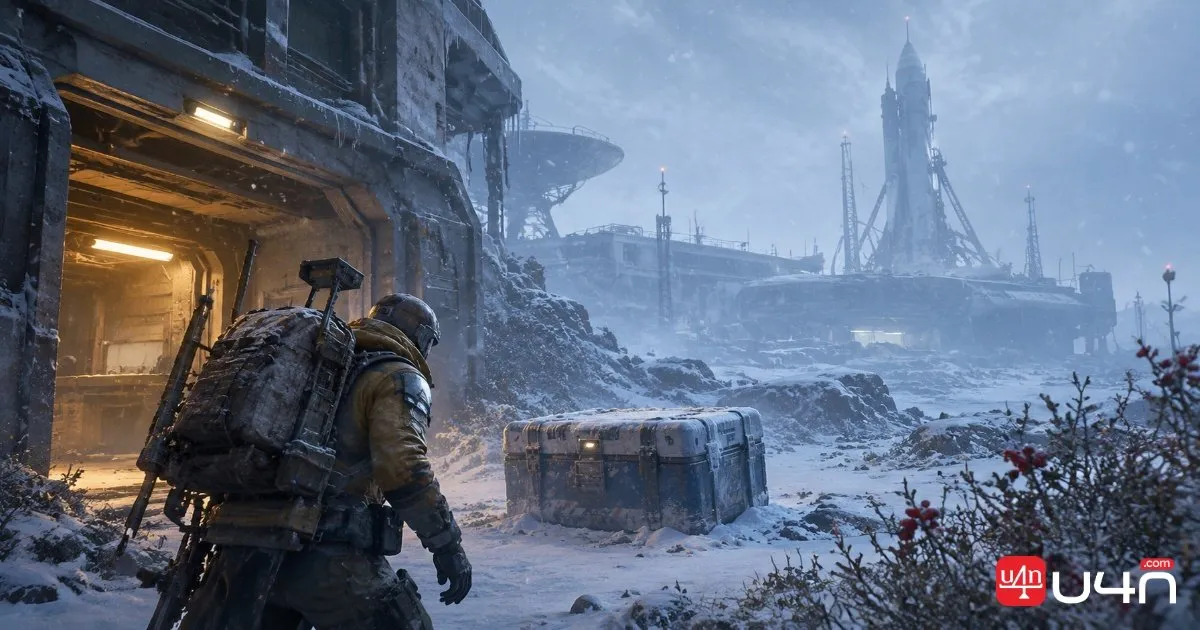
Keep blueprint eligibility separate from drop probability
Embark's October 27, 2026 update expanded the availability of six weapon blueprints: Dolabra, Bobcat, Equalizer, Jupiter, Tempest, and Vulcano can drop in any major map condition. The same notes say the chance for that pool was slightly reduced. Wider availability therefore does not mean each search became more generous, and it does not establish which particular container will produce a recipe. (arcraiders.com)
Our team would use that change to justify keeping an eye out for blueprints while completing another objective. We would not use it to justify opening every container on the map.
A blueprint from a Surveyor, followed by another Surveyor that produced nothing comparable. The useful lesson is not “kill every Surveyor.” It is to assess whether the encounter fits the run.
Before engaging, we would check nearby shelter, ammunition, surrounding threats, and the distance required to reach the remains. A clean fight near cover may be worth taking. A prolonged chase through the snow can erase the value of the potential reward.
We would also avoid repeating uncertain blueprint names from the transcript as confirmed item names. Precise terminology matters when players are choosing what to target.
Candleberries Offer the Clearest Farming Objective
Candleberries are the most actionable part of the original account because the author describes a recognizable search method, a rough route, and a specific collection result.
The reported Spaceport run followed the western outskirts, scanning for the red color of berry bushes against the snow. It produced seven Candleberries in under five minutes, but the breakdown matters: five came from bushes and two came from frozen caches.
That is an example of a productive run, not a guaranteed collection rate. We would not advertise the route as seven berries every five minutes.
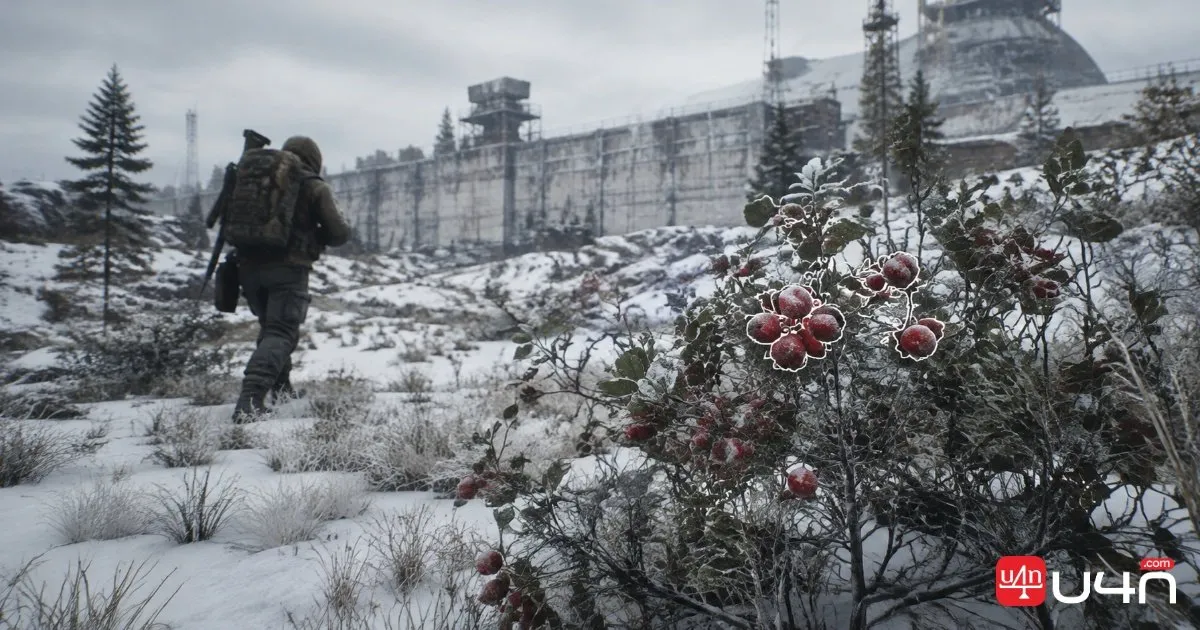
Search in short, sheltered sections
Our preferred version of that route would connect small collection areas to reliable indoor stops. Before moving toward another bush, we would identify where the next outdoor section ends.
The search itself should remain simple:
- Scan for red fruit against the surrounding snow.
- Check accessible bushes along the direction of travel.
- Investigate nearby frozen caches when doing so does not create a long detour.
- Return to shelter before extending the search.
- Reassess backpack space and the extraction route indoors.
We would resist the urge to complete an entire perimeter just because the opening section was productive. Early success does not make the next stretch safer.

Tie the harvest to an actual resource need
Candleberries with feeding Scrappy and describes valuable returns afterward. That gives the collection run a purpose beyond filling storage, but we would still check the current feeding options and requirements before deciding how much to gather.
We would not promise a Queen Reactor, a specific research material, or any other premium return from a batch of berries based on those anecdotes.
Our planning starts with the resource shortage. If Candleberries support something we need, collecting them is a clear objective. If we already have enough, another bag of fruit may be less useful than the supplies we passed to obtain it.
Frostbite Should Set the Pace of the Raid
Cold Snap changes how we should think about distance. A location can be close on the map and still be awkward to reach if the journey leaves us exposed with no convenient recovery stop.
Embark's description identifies frostbite, reduced visibility, and unstable footing on frozen water as Cold Snap hazards. It also warns that prolonged exposure can kill a Raider unless they reach shelter or heal. Getting pinned down outdoors is therefore a routing problem as much as a combat problem. (arcraiders.com)
Estimates roughly one minute and forty seconds before damage began after leaving warmth. We would treat that as an observation from that session, not a stopwatch guarantee for every player or future update.
Our recommendation is to move toward shelter before reaching that boundary. A safety margin leaves room for a blocked doorway, unexpected contact, or a slower crossing than planned.
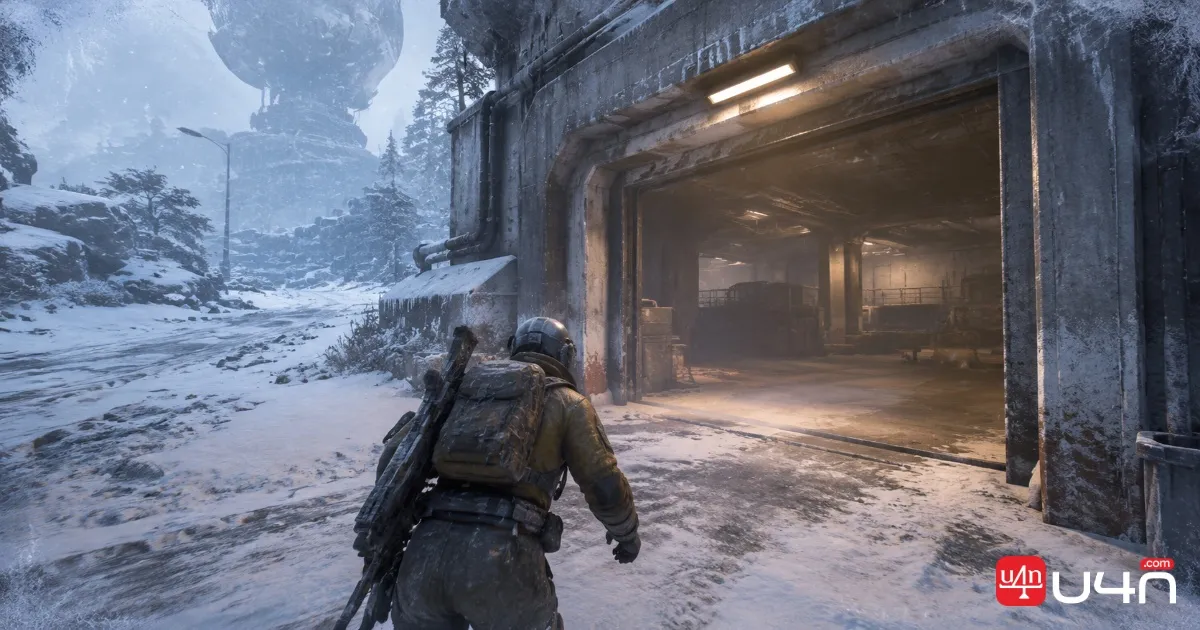
A doorway is not the whole recovery plan
A recovery period indoors rather than an immediate reset. We would use that pause to organize the run instead of stepping straight back outside.
Reload. Sort the backpack. Check healing supplies. Choose the next building and the route beyond it.
Environmental feedback should guide the next move. If the cold indicators remain visible or health has started falling, another search loop is difficult to justify without a clear recovery plan.
Healing buys room to recover, not unlimited searching
We would carry more healing than on an otherwise comparable short scavenging run, while keeping the loadout affordable enough to replace.
Our concern is the direction of the run. If routine travel is already consuming the reserve intended for an emergency, we would shorten the route. Continuing because we brought extra healing turns a precaution into an excuse.
The same applies during combat. Once an outdoor exchange stops producing a quick advantage, we would look for a sheltered disengagement rather than hold an exposed position for one more shot.
Spaceport or Buried City? Match the Map to the Job
Makes a useful distinction between Spaceport's outdoor collection opportunities and Buried City's more sheltered scavenging. We would build on that distinction rather than declare one map universally superior.
For a Candleberry-focused outing, the described Spaceport outskirts offer a starting idea. For a run built around indoor searches and an appropriate key, the Buried City approach is easier to organize around shelter.
| Our main goal | Route approach we would favor | Reason to change the plan |
|---|---|---|
| Collect Candleberries | Short Spaceport outskirts sections linked to shelter | The next bushes require a long exposed detour |
| Search a keyed room | A direct Buried City route with nearby indoor follow-up stops | The approach is contested or already heavily searched |
| Look for blueprints opportunistically | Convenient caches and manageable encounters | Searching starts consuming the extraction reserve |
| Learn Cold Snap safely | Familiar buildings and short outdoor transitions | We cannot identify the next reliable shelter |
Spaceport: avoid turning a collection run into a tower expedition
We would choose the next shelter before leaving the current one, collect what is accessible between those points, then review whether to continue.
Launch Tower is a separate commitment.
Our team would keep that encounter as a reminder that proximity chat can produce interesting moments, not as evidence that climbing the tower improves Cold Snap returns. If our objective is berries, a lengthy tower detour needs a reason beyond curiosity.
Buried City: use indoor time to make better decisions
We Buried City run included a strong Hospital key-room result, but other locations were much less impressive. We would preserve both sides of that experience.
A good locked room is encouraging. It does not mean the key receives a special Cold Snap bonus, and it does not mean the next room will match it.
The practical advantage described here is the opportunity to search while sheltered. We would link useful interiors, keep outdoor transitions deliberate, and avoid spending a key simply because the weather makes the raid feel more rewarding.
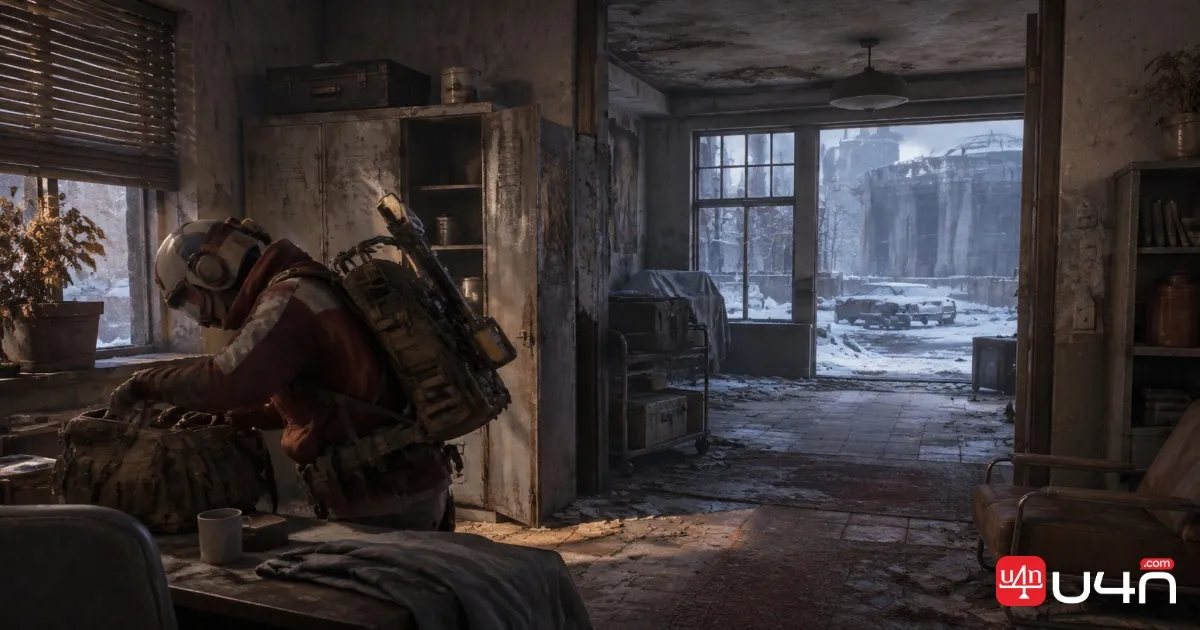
Loadout and Loot Decisions That Protect the Return
Our Cold Snap loadout would begin with the intended route, not the most expensive weapon in storage.
For a short collection run, we would favor a weapon we can use confidently, enough ammunition for likely interruptions, healing for both travel mistakes and combat, and space for the resources we actually want.
A key belongs in the plan only when its room fits the route. Carrying one should not pressure us into crossing the map after the run has already become productive.
We would also leave ourselves an inventory rule before deployment: keep the target resources, retain useful recovery supplies, and discard low-priority clutter before sacrificing the ability to leave safely.
That rule becomes especially useful indoors. Standing over a container in the snow is a poor time to compare several items of marginal value.
Snowballs belong in a smaller, separate category. The original account recalls their use in a previous Trial and suggests preparing for something similar. We would check the active objective before dedicating backpack or stash space to that possibility. A past requirement is not confirmation of a future one.
Our team would judge the run by what returns to storage after costs, not by the most exciting item briefly held in the backpack. That keeps ordinary but useful extractions from feeling like failures.
When We Would Queue, and When We Would Leave
We would enter Cold Snap with a resource target, a familiar shelter route, and a loadout we can comfortably replace. A positive recommendation, especially for players interested in Candleberries and convenient frozen-cache searches, but not a promise of exceptional loot.
For readers comparing raid earnings with searches such as buy ARC Coins, our assessment stays focused on the run itself: what we bring home, what we spend reaching it, and what we risk losing. A rare-looking pickup is not automatically a good return if obtaining it consumes the supplies needed for several more outings.
We would leave once the target resources are secured, the next search requires a long exposed crossing, or healing begins replacing sensible movement. Check the convenient cache, harvest the reachable bush, take the manageable encounter, then extract with the gains already in hand.