



The hardest part of All-Time Teams Extreme is not necessarily hitting a perfect swing on Legend. It is finding a repeatable way to score without turning every at-bat into a timing test. Our recommended route centers on a speed-and-bunt lineup, controlled baserunning, and enough pitching discipline to protect a modest lead.
We would also keep the roster budget under control. Before spending MLB The Show 26 Stubs on expensive specialists, check the cards already in your inventory. For this approach, useful attributes and proper defensive eligibility matter more than a lineup filled with recognizable names.
Makes a convincing case for small-ball offense, but its method needs a few safeguards. Bunts can fail. Steals can become outs. A three-run cushion can disappear.
Start With Extreme to Avoid Repeating the Grind
The strongest reason to prioritize Extreme is the connection between the two reward paths. Extreme reward cards can be collected in the standard All-Time Teams program for progress. Collecting the complete set supplies enough points to finish that standard path, so completing both does not require playing both full schedules. The Extreme route ends with the Hank Aaron variant, while the standard route provides its own version.
That changes how we would plan the grind. If both reward tracks are the target, we would attempt Extreme before committing hours to standard games. Starting on the easier path may feel comfortable, but it does not remove the harder work required for the Extreme rewards.
We would still test the strategy before committing to the entire schedule. Play an early matchup with the proposed lineup and ask three questions: can we get runners aboard, can we advance them without excessive outs, and can we pitch well enough to keep the game manageable?
If pitching is the problem, buying another fast hitter is unlikely to fix the run. If bunts repeatedly become easy outs, adjust the lineup and execution before moving forward.
We would organize sessions around these goals:
| Session focus | What we want to establish | Reason to pause |
|---|---|---|
| Opening games | Reliable bunt contact and manageable baserunning | Repeated failed steals |
| Longer matchups | Sustainable pitching and bullpen decisions | Walks followed by extra-base damage |
| Hardest games | Patient scoring opportunities without forced plays | Chasing runs through reckless advances |
| Reward cleanup | Correct collections and deliberate claiming | Unclear XP timing or collection requirements |
This is a route for reducing wasted effort, not a promise that Extreme becomes easy.
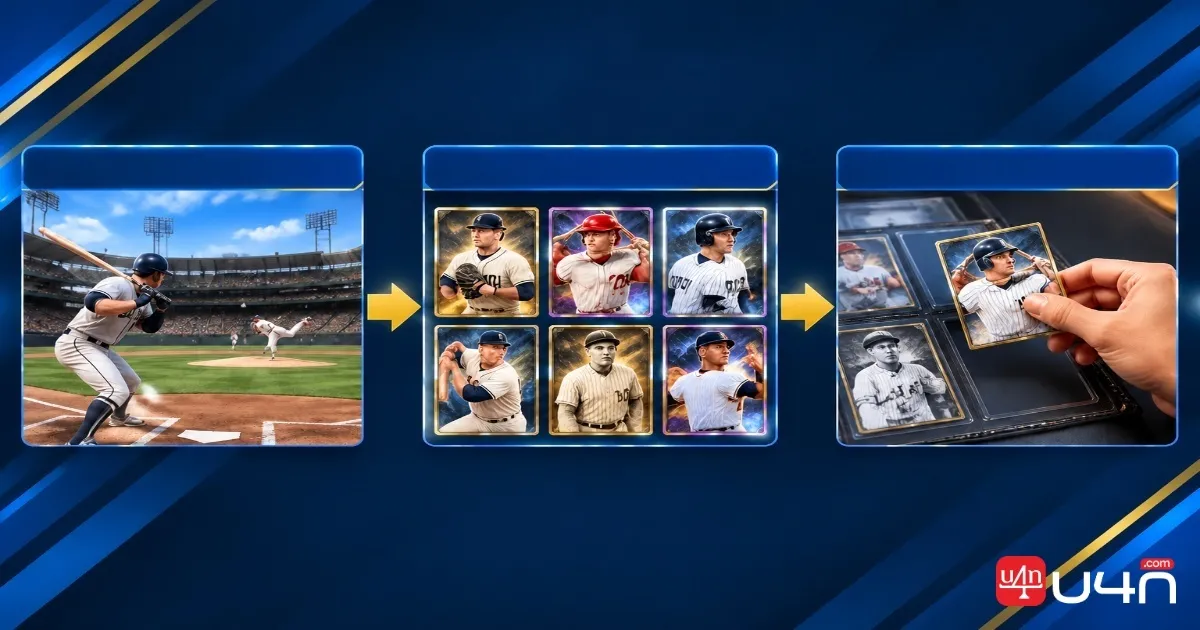
Build for Bunt Contact, Speed, and Legal Positions
We would begin with the players already available, then replace weak links individually. A specialist lineup does not need to be expensive, but it does need a clear purpose.
For our selection process, the first checks would be the bunt-related attributes, speed, stealing ability, and defensive eligibility. We would prefer players who cover several of those needs rather than selecting every card solely because its speed rating looks impressive.
A fast runner who rarely reaches base does not help much. A strong bunter who creates defensive problems can give the run straight back.
| Roster role | Our selection priority | What we would avoid |
|---|---|---|
| Leadoff hitter | Strong bunt profile with speed | Paying for power this plan rarely uses |
| Following hitters | Repeatable contact and useful baserunning | Several slow runners in sequence |
| Catcher | Proper eligibility and dependable defense | Forcing an unsuitable card into the position |
| Bench runner | Speed and suitable stealing attributes | Using the only replacement too early |
| Bench hitter | A comfortable conventional swing | Having no alternative when bunting stalls |
| Pitching staff | Familiar deliveries and controllable pitches | Choosing solely by card prestige |

Keep at least one hitter you trust to swing normally. A specialist strategy still needs an exit when the defense, count, or game situation makes another bunt unattractive.
Turn Bunt Singles Into Controlled Scoring Chances
The basic scoring pattern is straightforward: reach base, move the runner into scoring position, then create a manageable opportunity to bring that runner home. We would use that pattern as a decision framework, not an automatic sequence of commands.
Trying to steal on every available pitch is where a low-pressure method becomes an unnecessary gamble.
Get the First Runner Aboard
For a bunt-hit attempt, favors directing the ball toward the first-base side. We would use that as an initial option, then judge the actual result. Repeated hard bunts toward a charging defender are a reason to adjust, not proof that the next attempt must work.
Pitch selection still deserves attention. We would rather pass on an awkward pitch than force weak contact simply because the batter entered the box intending to bunt.
Separate the purpose of each attempt. Are we trying to reach safely, move a runner, or score someone from third? Those are different jobs. Drag-bunt timing aimed at stealing a hit should not become the default for every sacrifice situation.
Because controller layouts vary by platform and settings, we would verify the bunt, steal, and individual-runner commands before starting.
Steal Second Before Deciding on Third
Once the runner reaches first, assess the next opportunity rather than immediately queuing two steals. We would consider the runner, the pitcher's delivery, the catcher, and the current out count.
Reaching second is already useful. There is no obligation to risk that position just because the intended route eventually ends at third.
For a runner with less convincing stealing attributes, we would be more willing to advance through a sacrifice or a conventional ball in play. Speed is helpful, but we would not treat it as permission to ignore everything else.
We would also keep extra leads conservative. An unoccupied-looking base does not justify assuming a pickoff cannot happen.
Score From Third Without Forcing Every Squeeze
The most attractive setup is a runner on third with fewer than two outs and a hitter capable of putting the ball on the ground. Even then, we would check the defense and the pitch before committing.
A bunt does not guarantee that the runner scores. A pop-up, a missed attempt, or a quick play at the plate can undo the setup.
With two outs, the calculation changes sharply: an out at first ends the inning, so a sacrifice-style bunt cannot be treated as a reliable scoring play. We would look for a genuine hit opportunity or use the bench hitter instead.
The useful habit is simple: decide what outcome the inning needs before choosing the input.

Protect the Lead Before Trying to Shorten Games
Build a lead of roughly three or four runs, then accelerate the remaining innings. We understand the appeal. Repetitive games become exhausting when every offensive half-inning turns into another full scoring attempt.
We would treat that margin as a checkpoint, not permission to stop paying attention.
A short game near its end and a longer game with several innings remaining are different situations. Before becoming less aggressive offensively, we would check the remaining outs, the pitcher's condition, and how comfortable the previous defensive inning felt.
Pitch With Familiar Options
For our team, comfort would take priority over experimenting with an unfamiliar delivery during the hardest matchup. We would choose pitchers whose releases we can repeat and whose pitch mix gives us clear choices.
Our pitching plan would be restrained: avoid unnecessary walks, use location changes with a purpose, and do not keep returning to the same pitch simply because it worked once.
When command begins to slip, reassess before the inning becomes expensive. Protecting a lead includes recognizing when the current pitcher is making every batter a struggle.
We would prepare a bullpen alternative before the situation becomes urgent. The offense is designed to manufacture runs patiently; the pitching plan should not depend on escaping a crisis every inning.
Reduce Risk, Not Just Button Presses
We would not recommend deliberately surrendering outs immediately after reaching a fixed score. Instead, shorten unnecessary decisions. Skip speculative steals, stop trying to stretch marginal advances, and take uncomplicated scoring opportunities when they appear.
If the opponent cuts into the lead, return to the normal offensive plan. A margin that felt comfortable two innings earlier is not a permanent condition.
The fastest useful win is the one that avoids a replay.
Fix Failed Attempts Without Abandoning the Whole Plan
A failed bunt or caught stealing should tell us something. We would make one adjustment at a time so that the next attempt gives useful feedback.
| Problem | Our first adjustment | What we would resist doing |
|---|---|---|
| Frequent bunt pop-ups | Be more selective about the pitch and timing | Bunting at every delivery |
| Runner repeatedly caught | Reduce steal attempts and review the matchup | Adding a larger lead automatically |
| Runner stranded at third | Reconsider the out count and scoring method | Forcing the same squeeze again |
| Clean innings become rallies | Address pitching and bullpen choices | Rebuilding the entire batting order |
| One position contributes little | Test a suitable replacement already owned | Buying a completely new lineup |
| Late-game mistakes increase | End the session after the current game | Continuing just to reach an arbitrary total |
We would pay particular attention to two-out situations. Without the option of trading an out for advancement, the offense needs a different level of caution. Trying to reproduce the exact same bunt sequence regardless of outs is one of the easiest ways to waste a good start.
There is also no benefit in defending the strategy when the current situation calls for a swing. If the pitcher offers a pitch you recognize and the batter has a swing you trust, conventional contact remains available.
We would schedule breaks around completed games rather than frustration. This is a repetitive challenge. Once concentration starts slipping, even familiar baserunning commands can become costly.
Handle Choice Packs and XP Without Chasing Old Advice
The reward stage deserves the same care as the games. Each program includes a Weekend Classic Leaderboard Rewind Choice Pack marked No Sell, and each path contains five 10,000-XP checkpoints, totaling 50,000 XP. That makes duplicate management and collection timing relevant, but it does not make every reward a direct market sale.
We would not repeat the original recommendation to choose cards solely because their market prices were highest during the recording. Prices change, and a non-sellable selection needs to be judged by what it contributes to the account.
Before confirming a choice, we would check the available options, existing duplicates, lineup needs, and any collection value. A card that immediately improves a weak position can be more useful than another name already covered by the roster.
Save Unclaimed Progress Only When the Timing Helps
If the current path is already complete, delaying an optional collection may be worth considering. But we would inspect exactly which reward checkpoints that submission will trigger and whether the XP remains unclaimed.
We would never describe this as storing all gameplay XP earned during the grind. The decision concerns rewards that have not yet been triggered or claimed.
There is also a tradeoff. Waiting for a future path can delay access to the standard program's packs and cards. We would choose that delay deliberately, rather than assuming future XP always outweighs rewards available now.

Finish the Collection Steps With a Clear Plan
Our closing checklist would be short: confirm the Extreme reward cards were received, open the standard program's relevant collection tasks, and check the progress each submission will award. Completing games and submitting collection items are separate actions.
When comparing MLB The Show 26 Players for the finished roster, we would focus on jobs that still need filling. A reward can strengthen the bench, replace a weak starter, or support a collection without requiring an immediate reshuffle of every position.
The route we recommend is controlled small ball supported by dependable pitching: build a suitable lineup, create runners, advance them selectively, and protect the lead without switching off. After the hardest games are finished, check the collections and claim the second path's rewards at the time you actually want them.