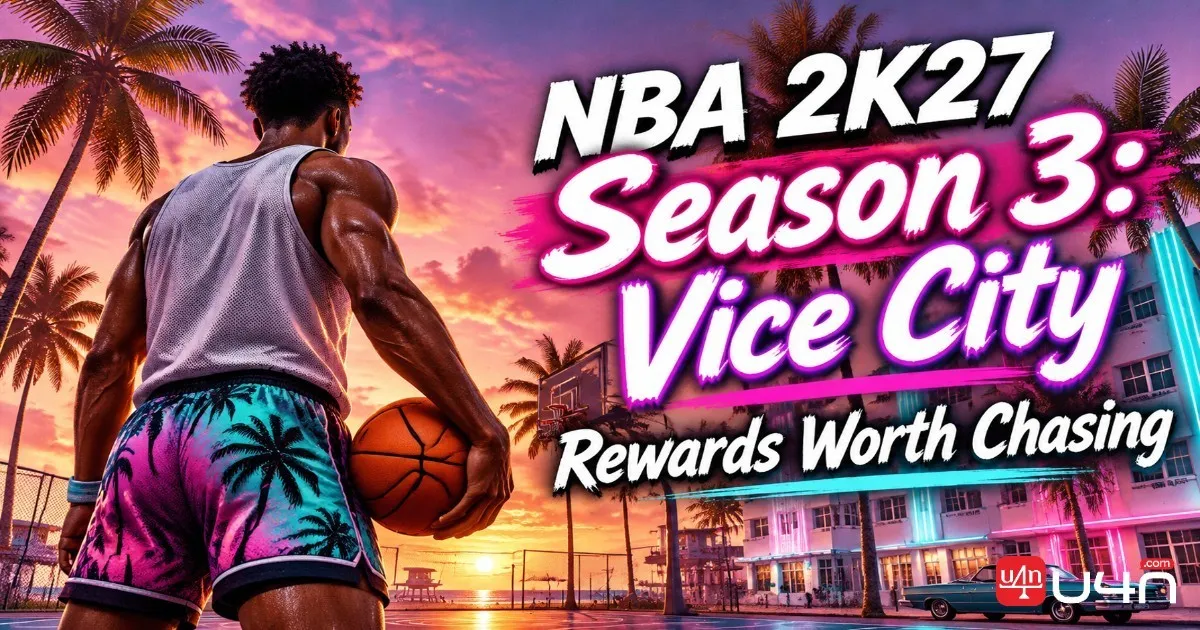
A neon beachfront court is easy to get excited about. Committing to another full season of progression takes more thought. Our team's approach to NBA 2K27 Season 3 is to separate the rewards we actually want from the rewards that simply look impressive on a preview screen.
Before setting aside NBA 2K27 VC for a fresh character, we would decide what that character needs to accomplish. A recognizable GOAT Build, an appealing Takeover description, and a jacket near the end of the reward track are three different reasons to log in. They should not automatically become one expensive commitment.
This is a pre-launch planning guide, not a hands-on verdict. We are treating announced features as announced features and keeping our recommendations separate from claims about competitive strength. The aim is practical: choose a realistic stopping point, protect your upgrade budget, and leave room to enjoy the Vice City setting.
What Season 3 Brings to Vice City
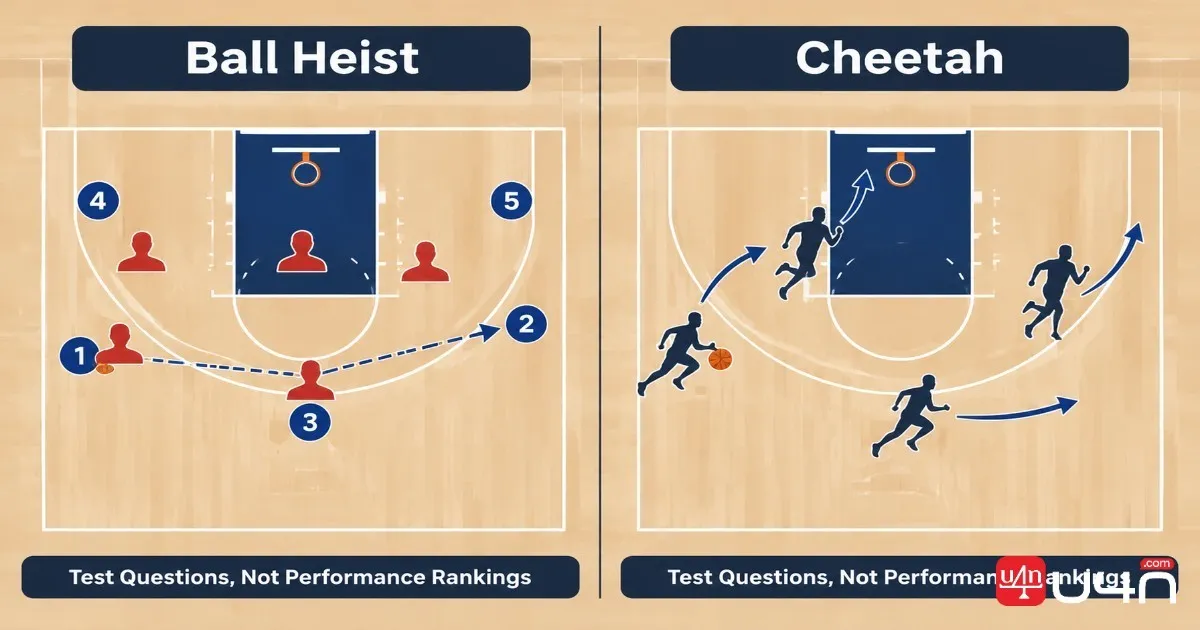
According to 2K's announcement, Season 3 runs from November 27, 2026, through January 15, 2027, at 11 a.m. ET. The new Park features beachfront courts, pastel hotels, neon lighting, and a Macca the Gator statue; Sahara Arena replaces the NBA Arena for the season. Eleven GOAT Builds are coming, eight available immediately. New Takeovers include Ball Heist, described as automatically intercepting passes in a player's zone, and Cheetah, granting +8 Speed, Agility, Strength, and Vertical. Events include Conquer Leonida, Vice Run, Neon vs Noir, and Wednesday Wear & Earn opportunities offering 2XREP with designated collaboration gear.
Our first visit would be a scouting session rather than a spending session. We would check the reward menus, locate the activities, and get familiar with the courts before deciding how much of the season deserves a regular place in our schedule.
The new Park also deserves to be judged as a place to play, not just a backdrop. We would pay attention to court visibility, visual distractions, and how comfortable the environment feels during an actual possession. Attractive screenshots cannot answer those questions.
For players returning specifically for the crossover, our suggestion is to give the setting a chance before turning the entire season into a checklist. Walk around. Try an available activity. A seasonal update should earn a second session through the experience itself, not only through a distant reward.

Which Rewards and GTA+ Benefits Should You Track?
The following announced milestones give us a useful starting point for planning. GTA+ access and its separate content redemption period also need their own reminders rather than a single "Season 3 ends" notification.
| Target | Announced requirement or window | Our planning priority |
|---|---|---|
| Paul George GOAT Build | Level 26 | A focused target for players interested in that template |
| Shaq GOAT Build | Level 32 | Worth scheduling around if this is the character you want |
| SGA GOAT Build | Level 35 | A sensible milestone before reassessing the remaining grind |
| Burger Shot Employee Outfit | Level 38 | A collection goal, not a reason to rebuild |
| Macca the Gator | Level 39, Pro Pass | Check paid-track access before committing |
| +1 Cap Breaker | Level 40 | Evaluate against your existing character's needs |
| GTA+ Standard Edition access | Eligible PS5 and Xbox Series X|S members; November 27 to January 15, 11 a.m. ET | Limited-time access, not permanent ownership |
| GTA+ bonus content pack | December 17, 2026, to March 31, 2027, noon ET | A separate redemption reminder |
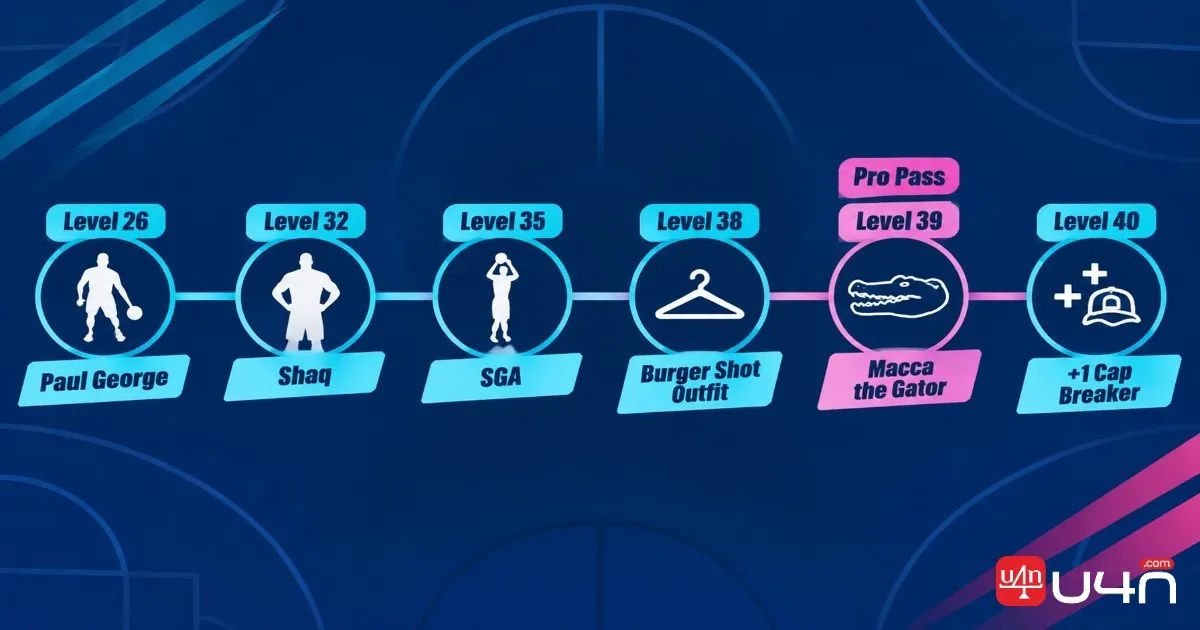
We would use this table to pick one essential target and one optional target. That distinction matters. "We want the SGA template" is a clear plan. "We might as well collect everything" is a much larger commitment disguised as a small extension.
For a short visit, we would prioritize experiencing the crossover and collecting something we genuinely like. For a longer season, we would look at the character we expect to keep using and ask whether the late-track reward has a specific purpose.
Our least favorite reason to continue grinding is that we have already spent a lot of time grinding. Past effort does not make the next reward more useful. Before pushing beyond a chosen milestone, we would reassess the remaining work on its own.
The same discipline applies to paid content. We would identify the exact premium item we want before purchasing access, then check whether our likely progress makes that purchase sensible.
How We Would Choose a GOAT Build Without Rushing a Rebuild
A famous player's name gives a template an identity. It does not tell us whether we will enjoy controlling it for an entire season.
Our team would begin with role rather than reputation. We would write down the possessions we want to handle: initiating offense, attacking a rotating defense, finishing plays, protecting space, or creating a dependable outlet. That gives us something concrete to compare against a candidate build.
For solo players, start with your own possessions
We would ask a solo player to describe a normal game rather than an ideal highlight reel.
How often do you expect to control the ball? Are you comfortable contributing when another teammate takes over the offense? Which parts of your current character feel awkward even when you make the right decision?
Those questions help separate a genuine upgrade from a change of scenery. If the problem is uncomfortable movement or a role you no longer enjoy, a new template may deserve serious attention. If the frustration comes from a few bad sessions, we would pause before replacing the character.
Our preferred test would include routine actions, not only impressive ones. We would check a basic catch, a simple change of direction, an ordinary defensive recovery, and the shot we expect to take repeatedly. A character has to feel convincing between highlights.
For squads, choose the job before the player
For a regular group, we would discuss the missing responsibility before browsing templates.
We would ask who initiates possessions, who provides a second option, and who is willing to handle the less glamorous work. Then we would check whether the proposed character adds a useful responsibility or duplicates one everyone already wants.
We would also keep an established character available while evaluating the replacement. There is no need to turn a promising idea into an immediate all-or-nothing decision.
A simple rule keeps our planning honest: no rebuild without a written reason. "We need a character for this specific role" qualifies. "Everyone is talking about this template" does not.
Ball Heist and Cheetah: What We Would Test First
Our interest in the new Takeovers is real, but we would not rank them before checking their actual behavior. An ability description is a starting point for testing, not a complete competitive scouting report.
We would evaluate each one through repeatable situations and keep the questions narrow. That makes the results more useful than a montage of favorable possessions.
Ball Heist: examine the defensive situation
For Ball Heist, we would focus on positioning and context.
Where is the defender standing when the interception happens? What passing angle is involved? Does the result repeat against a similar attempt? What does the defender give up by occupying that space?
We would also record unsuccessful situations. If we only save clips where the ability produces a turnover, we cannot judge the trade-offs. A useful evaluation should include possessions where the pass gets through or the defense loses its shape.
Our early recommendation would be to test it within a defensive assignment you already understand. Changing the character, role, and Takeover at once would make it harder to identify what actually improved.
Cheetah: measure a task, not excitement
For Cheetah, we would choose one task at a time: recovering to a shooter, moving into position, contesting a rebound, or attacking a lane.
Then we would compare similar situations rather than relying on how energetic the character feels. We would want to know whether the ability helps us complete a basketball action more reliably, not merely whether the movement looks sharper.
We would also resist building around a momentary best-case scenario. Our planning question is whether the character remains useful outside the possession where everything goes right.
Until those checks are complete, we would treat both abilities as candidates for experimentation. Neither needs to become an immediate reason to abandon a familiar build.
How to Judge the Vice City Clothing and Paid Track
We would put clothing rewards in a separate category from character-development goals. That does not mean cosmetics are unimportant. It means their value should be judged honestly.
A jacket you expect to wear throughout the season can be a satisfying target. An outfit you only want because it sits near the end of the track deserves a second look.
Our collection test is simple: would we still want the item if it appeared at a much earlier level? If the answer is no, we may be chasing its placement rather than its design.
We would preview the complete outfit where possible, including how it works with pieces we already like. A striking reward image is not necessarily the same as an outfit we want to use on our character.
For premium rewards, we would avoid assigning value to every item just to justify the purchase. Instead, we would name the two or three pieces that genuinely interest us and evaluate the paid track around those.
We would approach the GTA+ offer with similar care. Before making a purchase, we would confirm eligibility, platform, access terms, and what our current account already includes. We would not assume that game access answers every question about premium rewards.
We would also separate "we can try the game" from "we are ready to invest in another character." A trial period is an opportunity to make a better decision, not a deadline for making a larger one.
Build an Event Schedule That Does Not Take Over Your Week
Our team would use a small calendar with two columns: what the activity offers and why we want to participate.
That prevents us from treating every event as equally relevant. Some sessions would be for progression, some for trying a format, and some simply for playing with friends. We would rather know the purpose before logging in.
We would also keep REP and season-level goals in separate notes. Where an announcement specifies one type of progress, we would not quietly translate it into another. Before calling an event an efficient route to a particular reward, we would check the actual progress it provides.
| Session type | What we would check | Decision afterward |
|---|---|---|
| Opening session | Reward requirements, candidate builds, available activities | Choose one essential target |
| Early-week check | Event conditions and friends' availability | Reserve a realistic session |
| Midseason review | Progress made and interest remaining | Keep, reduce, or extend the target |
| Late-season check | Remaining work for the next wanted reward | Finish deliberately or stop |
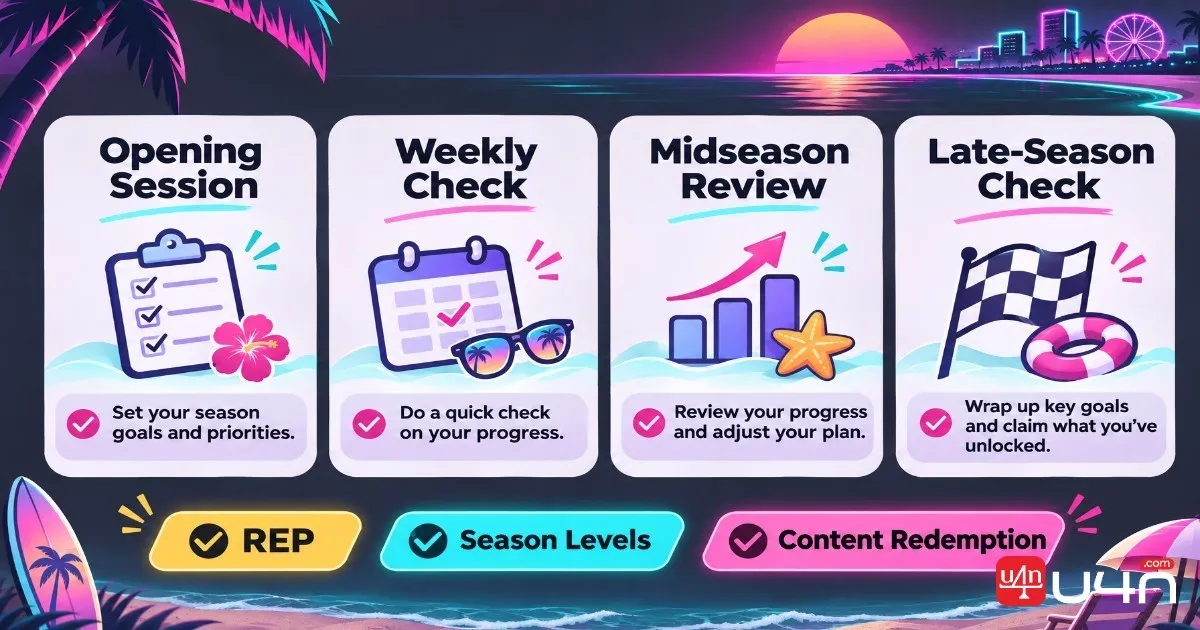
We would leave some empty space in that calendar. An unexpected free evening can become a useful session without turning every free evening into an obligation.
For individual events, we would verify the in-game timer and entry conditions before arranging a group. We would avoid making plans around an assumed start time or an outfit requirement nobody has checked.
The schedule should reduce friction. If maintaining it takes more attention than playing, we would simplify it.
A Season 3 Plan We Would Actually Follow
Before launch, we would choose a reward target, set a spending ceiling, and list the questions that need testing. We would leave build rankings open. There is little value in settling an argument before the relevant gameplay is available.
During the opening sessions, we would use the character we already understand, inspect the new options, and record a manageable amount of progress. We would then compare that pace with our target. We would not promise ourselves an entire season based on one unusually productive night.
At the midpoint, we would review what we still want rather than what we originally expected to want. A template might be less appealing after inspection. An event might become the reason we keep returning. Our plan should be allowed to change.
If searches for NBA 2K27 Boosting enter that decision, our advice would be to step back and identify the actual bottleneck. Is the target too ambitious, are the sessions poorly organized, or has the reward stopped being worth the effort? We would not hand over account access or spend money simply to rescue an outdated plan.
For the closing stretch, we would focus on the nearest reward we still genuinely want, check its exact requirements, and schedule only the sessions needed to make a realistic attempt. Once that target is secured, we would put the checklist away and play the mode we came back for.