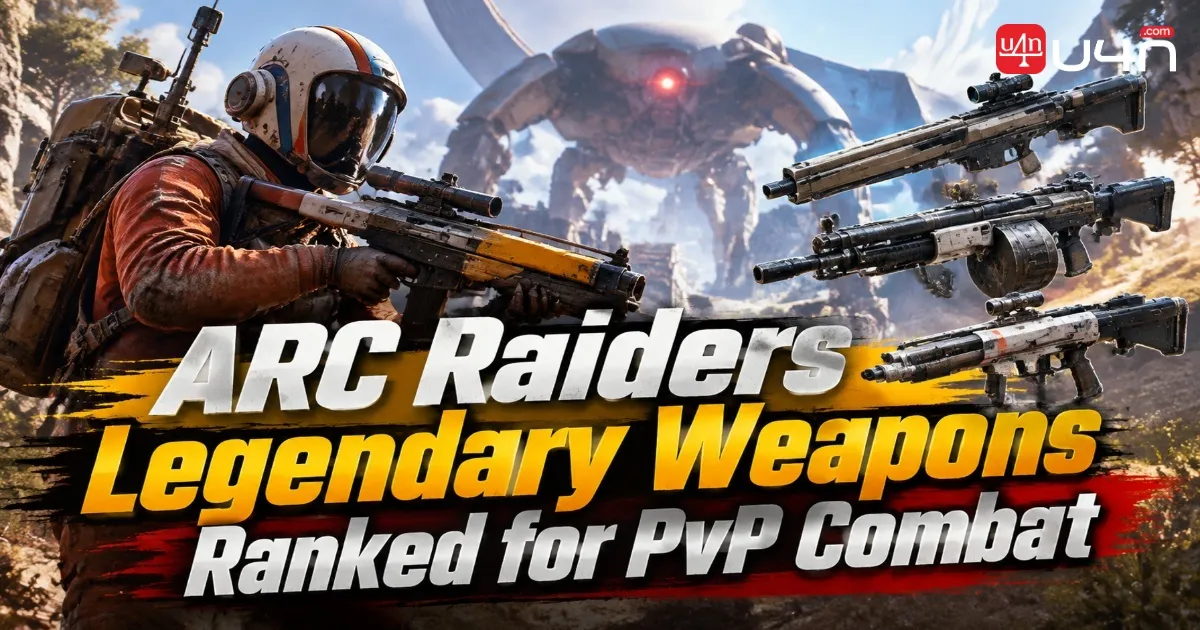
Legendary weapons look impressive in ARC Raiders, but their rarity does not guarantee better PvP performance. We tested three expensive options, Equalizer, Aphelion, and Jupiter, with upgraded configurations to see how well they handled real player fights. If you're deciding which weapons deserve your resources, understanding their actual combat performance matters more than their rarity. Having the right ARC Raiders Items can help with preparation, but the weapon itself still needs to deliver when a fight starts.
Our test focused on one practical question: can these legendary guns consistently win PvP encounters, or are their crafting and upgrade costs simply too high for what they offer? Each weapon has a different firing mechanism, so we looked at more than raw damage. Charge time, follow-up shots, target tracking, and the ability to survive an aggressive push all affect how useful a gun feels in a real fight. Here is what we found from testing all three.
Legendary Weapons PvP Test Overview
We took Equalizer, Aphelion, and Jupiter into PvP encounters with different upgrade setups. The goal was not to compare them through theoretical damage alone, but to see whether their mechanics translated into reliable results against moving players.
The configurations were not identical. Equalizer received magazine capacity and damage upgrades, while Aphelion was fully upgraded. Jupiter received an ergonomics-focused bolt upgrade, as we wanted to avoid spending even more resources on a weapon that already carried a high crafting cost.
| Weapon | Upgrade Focus | Main Test Question |
|---|---|---|
| Equalizer | Magazine capacity and damage | Can its charged shots justify the time spent preparing them? |
| Aphelion | Full upgrades | Does its burst output make it effective in extended PvP fights? |
| Jupiter | Ergonomics-focused bolt | Can its shots land consistently enough to secure kills? |
This distinction matters when comparing the results. We are evaluating the tested configurations, not claiming that all three weapons received identical maximum upgrades.
We also paid attention to how each gun performed when enemies pushed aggressively. A weapon can look powerful when the target stays exposed, but real PvP rarely gives you that luxury. Players reposition, use cover, retreat to heal, and sometimes bring another squad into the fight.
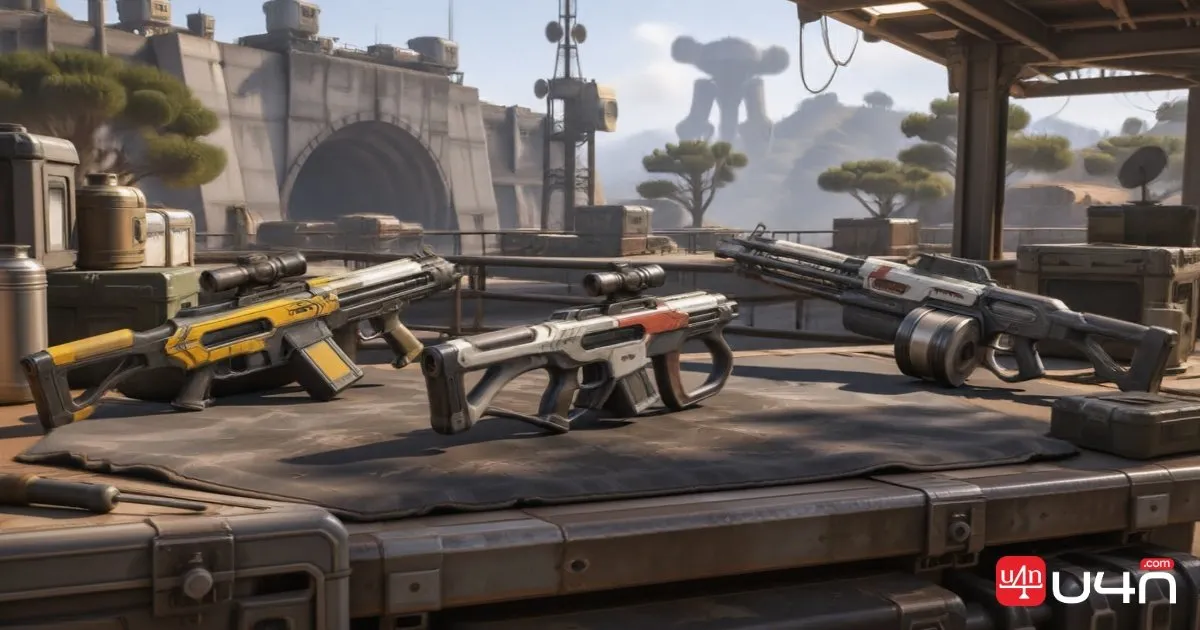
Equalizer: Powerful Potential, Risky Charging
Equalizer was the first weapon we tested, with upgrades focused on increasing magazine capacity and damage. On paper, those improvements should make it more threatening by allowing more shots before reloading and improving its offensive potential.
The problem appeared when we tried to use it under pressure.
Its charging mechanic creates a difficult trade-off. You need enough time to prepare your shot, but standing exposed while charging allows an opponent to attack first. Against players who recognize the weapon's firing pattern, that delay can become a serious disadvantage.
| Aspect | PvP Performance |
|---|---|
| Damage potential | Improved through the damage upgrade |
| Magazine capacity | More flexibility before reloading |
| Charging requirement | Creates a vulnerable firing window |
| Aggressive engagements | Difficult when enemies close the distance |
| Overall impression | Entertaining, but unreliable under pressure |
We found that Equalizer could still be fun to use, especially when experimenting with its firing mechanics. However, enjoyment and effectiveness are two different things. In a serious fight, the time required to prepare a shot can be enough for an opponent to punish you.
The weapon may have more opportunities to work when you have teammates controlling enemy movement or when you can attack from a protected position. Without that support, its charging requirement makes consistent PvP performance difficult.

Our verdict: Equalizer is interesting for experimentation, but we would not make it our first choice for competitive player encounters. Its upgraded damage does not automatically solve the vulnerability created by charging.
Aphelion: Better Pressure in Extended Fights
Aphelion was the second weapon in our test, and it offered a noticeably different experience. Its larger magazine, charged burst mechanic, strong firing speed, and incendiary ammunition give it several tools for putting pressure on enemy players.
We initially considered it somewhat overrated, but its performance during actual fights was more interesting than expected.
The biggest advantage is its ability to maintain offensive pressure. Instead of relying on a single prepared shot, Aphelion can keep an opponent occupied through repeated attacks. This becomes particularly useful when enemies are moving between cover or trying to push your position.
| Aspect | PvP Performance |
|---|---|
| Magazine capacity | Supports longer engagements |
| Burst firing | Provides opportunities for concentrated damage |
| Fire rate | Helps maintain pressure |
| Incendiary ammunition | Adds another offensive element |
| Main limitation | Timing and positioning still matter |
During our encounters, Aphelion produced several successful engagements and contributed to multiple enemy knockdowns. However, its performance was not automatic. Enemies hiding behind rocks and other cover could still interrupt our attacks, while aggressive pushes sometimes created awkward firing situations.
We also learned that having a powerful weapon does not mean every engagement should be forced. Aphelion benefits from controlled positioning and teammates who can prevent enemies from freely changing angles.
Its stronger performance compared with Equalizer does not make it universally superior. Rather, its firing style gives it more opportunities to apply pressure without depending entirely on one charging window.
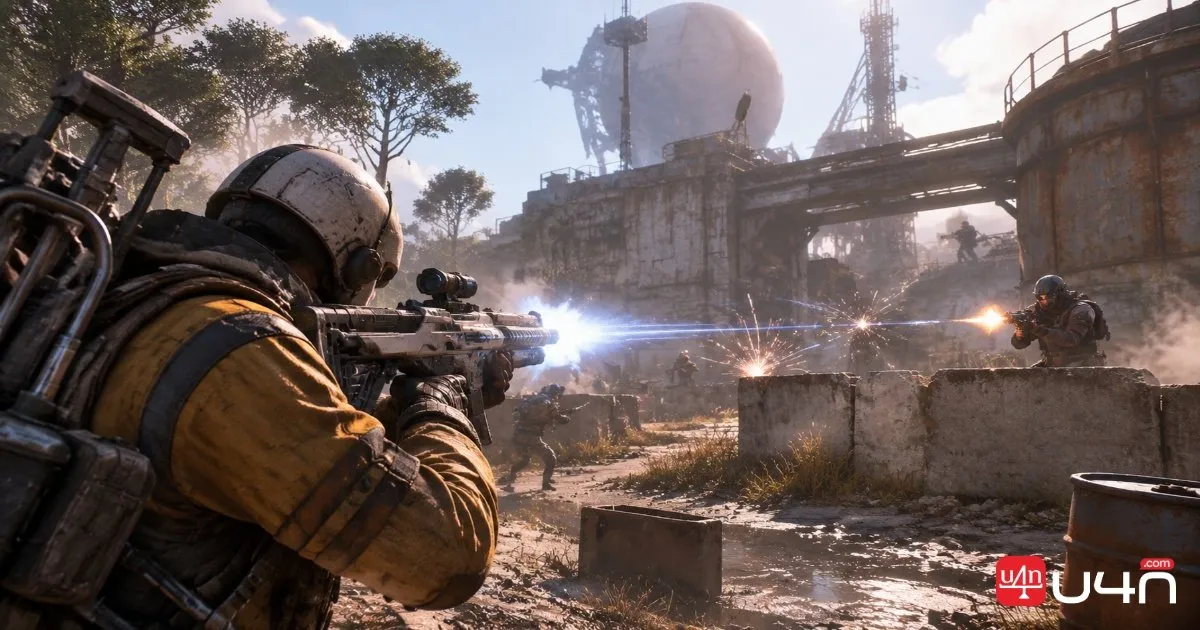
Our verdict: Aphelion was the most encouraging weapon in this test. Its combination of magazine capacity, burst attacks, and sustained pressure makes it worth considering for PvP, although players still need to manage their positioning and timing.
Jupiter: High Cost, Limited PvP Results
Jupiter was the final weapon we tested, and we approached it more cautiously. Because its crafting cost is already high, we only added an ergonomics-focused bolt upgrade rather than investing heavily in additional improvements.
Unfortunately, its PvP performance did not justify much confidence.
Our main problem was the difficulty of converting shots into reliable kills. Based on the encounters in the video, opponents often had enough time to move, reposition, or return fire before we could complete the necessary follow-up shots.
The weapon appeared to require at least three successful shots to bring down an enemy in the situations we encountered. That made missed shots especially costly. Even when the first attack connected, targets could disappear behind cover or move out of sight before we had another clean opportunity.
| Aspect | PvP Performance |
|---|---|
| Upgrade focus | Ergonomics-focused bolt |
| Main concern | Follow-up shots and target tracking |
| Combat pressure | Difficult when enemies reposition quickly |
| Resource investment | High crafting cost |
| Overall impression | Poor value in the tested PvP encounters |
One important point is that our Jupiter configuration was not fully upgraded. Its performance should therefore not be treated as a definitive verdict on every possible build. Still, the results gave us little reason to spend even more resources on it specifically for PvP.
We also compared its practical value with the Pharaoh 4. Based on our experience, we would rather bring a fully upgraded Pharaoh 4 than commit additional resources to Jupiter for the same PvP role.
That does not mean Jupiter has no purpose. Its performance in PvE may be a different story, and its value should be judged separately against ARC enemies rather than player opponents.
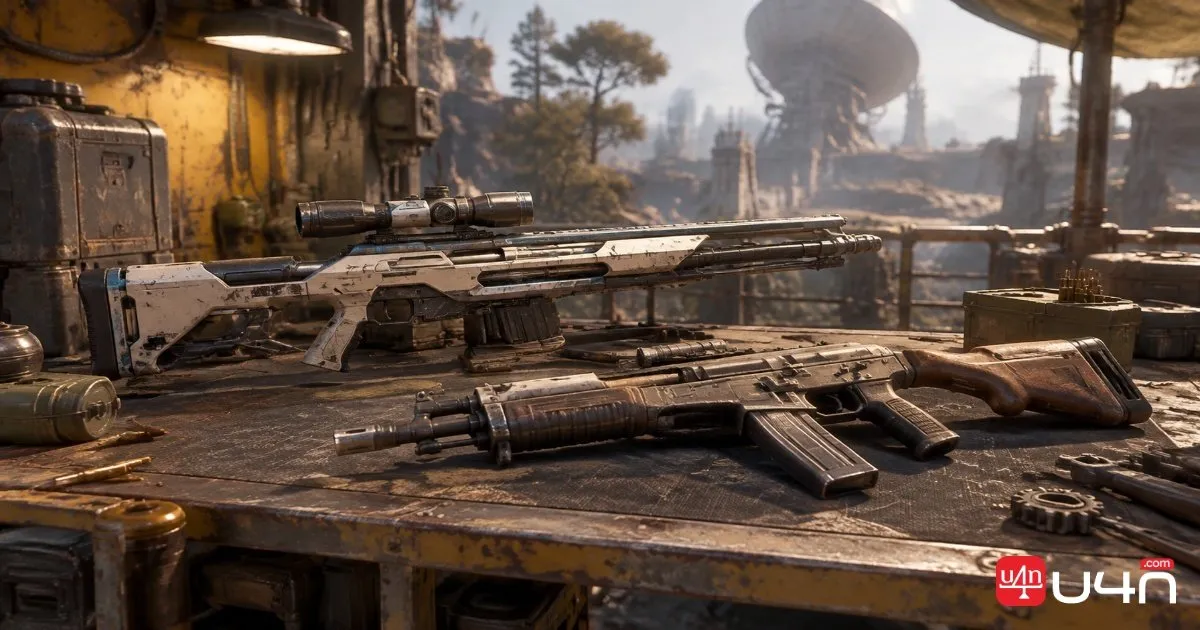
Our verdict: Jupiter was the least convincing option for PvP in our test. Its high crafting cost and difficulty securing follow-up hits make it a hard weapon to recommend for players whose main priority is winning player encounters.
Are Legendary Weapons Worth Their Crafting Cost?
After testing all three weapons, we came away with a simple lesson: legendary rarity does not guarantee practical PvP value.
Each gun has a different weakness, and those weaknesses become more obvious when players fight back rather than remain stationary targets.
| Weapon | Main Strength | Main Weakness | Our PvP Assessment |
|---|---|---|---|
| Equalizer | Upgraded damage potential | Charging leaves you vulnerable | Situational |
| Aphelion | Burst output and sustained pressure | Requires good timing and positioning | Most promising |
| Jupiter | Specialized high-powered weapon design | Difficult follow-up shots and expensive investment | Least convincing |
Before crafting any legendary gun, we recommend considering three things.
- First, evaluate the firing mechanic. A weapon that requires charging or carefully timed follow-up shots can struggle against players who move constantly. Serious theoretical damage is less useful when you cannot reliably land the attacks.
- Second, consider the resources you are risking. Expensive weapons are harder to justify when their practical advantages are inconsistent. If losing the weapon would seriously affect your next few raids, a more affordable alternative may be the smarter choice.
- Third, compare the weapon with realistic alternatives. Jupiter's comparison with Pharaoh 4 is a good example. Instead of asking whether a legendary gun is powerful in isolation, ask whether it performs better than another weapon you could bring for the same investment.
Players who need additional resources for their loadouts can also compare available ARC Coins for sale, while keeping their crafting priorities and potential raid losses in mind.
Ultimately, we would not recommend crafting all three weapons simply because they are legendary. Aphelion showed the most encouraging PvP results, Equalizer was more entertaining than dependable, and Jupiter struggled to justify its investment in our encounters.
Legendary rarity does not guarantee practical PvP value. Aphelion showed the most encouraging results in our test, while Equalizer and Jupiter had weaknesses that made them harder to recommend for player encounters.
Which Legendary Weapon Is Worth It?
Our test showed that legendary weapons can be very different from what their rarity suggests. Aphelion gave us the most promising PvP experience, while Equalizer's charging mechanic created too many opportunities for enemies to punish us. Jupiter was the biggest disappointment, particularly when we considered its crafting cost and the availability of alternatives such as Pharaoh 4.
These results reflect our tested configurations and encounters, rather than a universal ranking for every player or situation. Before investing in an expensive weapon, we recommend looking at its firing mechanics, upgrade requirements, and the types of fights you usually take. A weapon that feels powerful on paper is not necessarily the one that gets you out of a difficult raid alive.
FAQ
Are Legendary Weapons Better Than Regular Weapons in ARC Raiders?
Not necessarily. Legendary weapons may offer specialized mechanics or stronger offensive potential, but their performance depends on how easily players can use those mechanics in actual combat. A well-suited regular weapon can be a more practical choice in PvP.
Is Equalizer Good for PvP?
Equalizer can deal threatening damage, but its charging requirement creates a vulnerable window. It is more comfortable to use when teammates provide support or when you have enough cover to prepare shots safely.
Is Aphelion Worth Using in PvP?
Based on our test, Aphelion was the most promising of the three weapons. Its magazine capacity, burst firing, and incendiary ammunition help maintain pressure during engagements. Good positioning and timing are still essential.
Is Jupiter Worth Crafting for PvP?
We would be cautious about crafting Jupiter specifically for PvP. Its performance in our encounters did not justify its high resource investment, and we found a fully upgraded Pharaoh 4 more appealing for that role.
Should You Fully Upgrade Every Legendary Weapon?
No. Upgrades should address a weapon's actual weaknesses, not simply increase its cost. We recommend testing the weapon's basic mechanics first and investing further only when the improvements offer a meaningful advantage in your preferred combat situations.