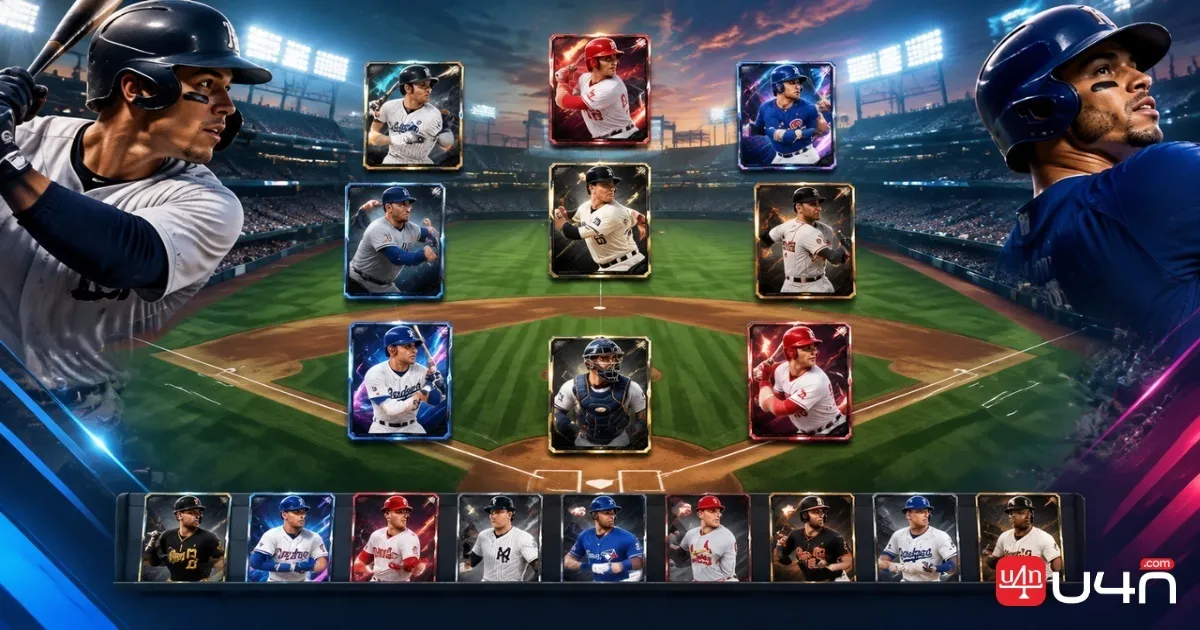
With so many new player cards arriving in MLB The Show 26, building a competitive Diamond Dynasty squad is becoming more about smart choices than simply collecting the highest-rated players. We have been testing recently released cards in actual games, paying attention to pitching control, hitting power, defensive reliability, and the little details that can make a card feel better than its attributes suggest. For players managing their MLB Stubs, the goal is to find cards that deliver real value instead of chasing every new release.
Our latest lineup experiment brought together several established names and some unexpected standouts. A few cards immediately impressed us with their consistency, while others showed clear strengths that need to be balanced against their weaknesses. Here is what we learned from our games and how we would approach building a more effective squad.
Why New Cards Deserve a Place in Your Squad
New content can quickly change how we think about our lineups. A card that looks ordinary on paper may have a pitching motion, swing, or combination of attributes that works especially well in actual gameplay. That is why we prefer testing players across multiple at-bats and innings rather than judging them from ratings alone.
Our approach is straightforward: look for cards that solve a problem. If our rotation lacks reliable control, we prioritize pitchers who can locate several pitches. If our offense struggles to generate extra-base hits, we look for bats that can punish mistakes. A new card should have a clear role instead of occupying a roster spot simply because it is recently released.
We also avoid drawing firm conclusions from one highlight. A home run can be memorable, but consistent plate appearances and dependable defense matter over a longer stretch. The same applies to pitchers: one dominant inning is encouraging, yet command and pitch variety are what keep a starter competitive as opponents adjust.
The best new card is not necessarily the one with the highest rating. It is the one that addresses a real roster need and performs consistently in your hands.
Pitchers: Control and Pitch Mix Can Beat Raw Velocity
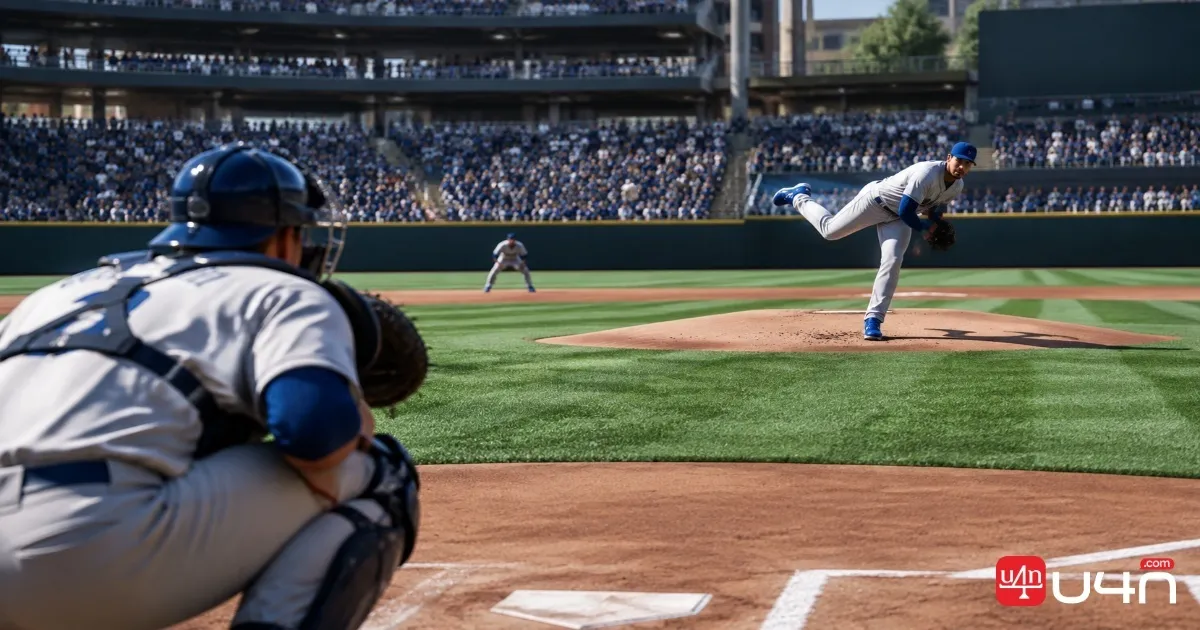
John Donaldson was one of the most interesting pitchers in our test lineup. His fastball and breaking pitches gave us several ways to challenge hitters, and his slider stood out as a useful weapon when we needed a swing and miss. The main lesson was that even a strong pitcher needs careful pitch selection. Leaving a breaking ball in the middle of the zone can turn a promising at-bat into a dangerous mistake.
We also liked the way Jared Weaver played. He may not overwhelm hitters with velocity, but control and movement can still make him difficult to square up. When we vary locations and avoid repeating the same pattern, a pitcher with a well-rounded arsenal can create uncomfortable at-bats without relying on overpowering speed.
| Pitching factor | What we look for | Why it matters |
|---|---|---|
| Control | Consistent location near the intended target | Helps avoid unnecessary walks and hittable mistakes |
| Pitch mix | Meaningful differences in speed and movement | Makes timing and pitch recognition harder |
| Pitching motion | A delivery we can repeat comfortably | Improves our confidence when sequencing pitches |
| Adaptability | More than one reliable way to finish an at-bat | Prevents opponents from sitting on a single pitch |
Our advice is to test a pitcher against different hitting styles. A card that dominates an aggressive opponent may be less effective against someone who patiently waits for a mistake. Good sequencing, changing eye levels, and mixing speeds are often more useful than throwing the hardest pitch every time.
Hitters: Power Matters, but Consistency Keeps You Competitive
Chase-related cards were among the biggest surprises in our games. One particularly strong performance reminded us how valuable a hitter can be when the swing feels natural, and mistakes over the plate are punished. Long home runs are exciting, but we also want hitters who can make solid contact without forcing us to swing at every borderline pitch.
Ken Griffey Jr. remains an appealing example of the kind of offensive threat that can change an inning with one swing. Brandon Lowe also looked dangerous in our lineup, giving us another left-handed bat capable of producing damage. Francisco Lindor offered a different kind of value: when selecting hitters, we should consider how a player fits into the whole lineup rather than focusing on power alone.
Anthony Santander presented a familiar trade-off. His offensive potential can help compensate for defensive limitations, but those limitations still matter. If we use a bat with questionable fielding, we need to think carefully about position, surrounding defenders, and how often the player may be involved in difficult plays.
| Hitter profile | Main advantage | What we should watch |
|---|---|---|
| Power hitter | Can turn mistakes into extra-base hits | Swing decisions and consistency |
| Contact-oriented hitter | Can help sustain rallies | Ability to produce extra-base damage |
| Balanced hitter | Contributes in several situations | Whether the card fills a specific lineup need |
| Offense-first player | Can raise the lineup's scoring ceiling | Defensive reliability and positional fit |
We recommend giving a new hitter enough opportunities to show what the card can do. If a player repeatedly produces strong contact and fits our preferred swing timing, that matters more than one spectacular home run. At the same time, we should not ignore a clear defensive weakness just because the bat is exciting.
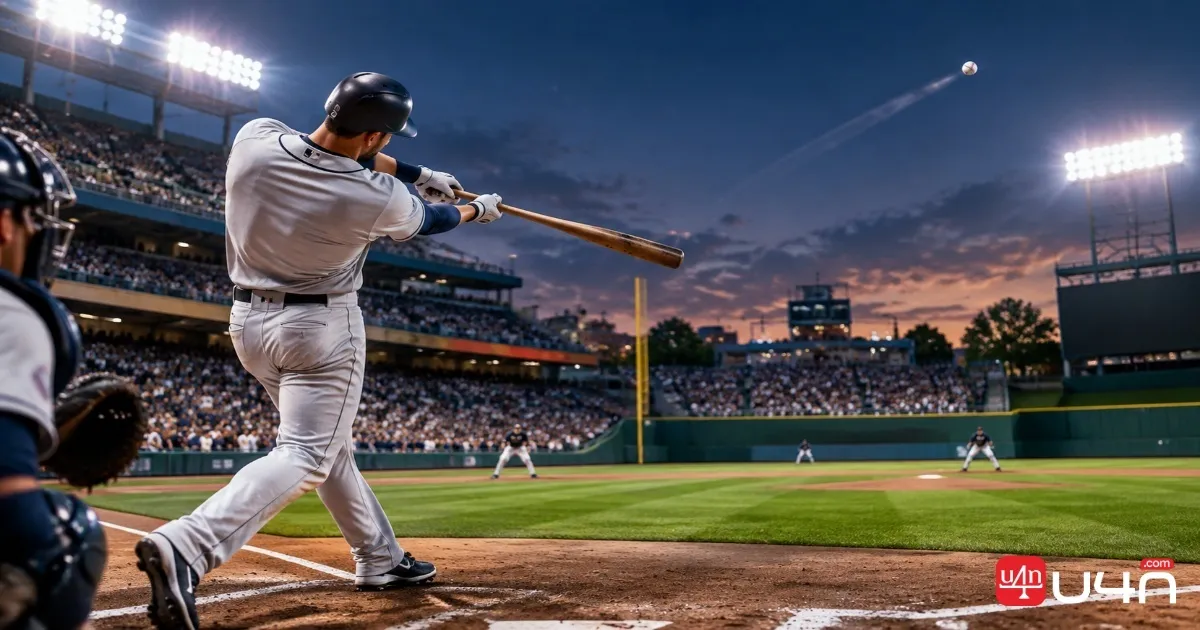
Build a Balanced Lineup Instead of Chasing Highlights
A strong Diamond Dynasty lineup needs more than a collection of big names. We want dependable pitching, a mix of offensive strengths, and enough defensive coverage to avoid giving away outs. The best choice for one roster may not be the best choice for another.
Before adding a new card, we ask three questions:
- What does our team need most? More strikeouts, another power bat, better contact, or improved defense?
- How does the card perform in our hands? A highly rated player is not automatically the best fit for our timing or pitching approach.
- What are we giving up? A powerful hitter may weaken our defense, while a control-focused pitcher may require more careful sequencing.
We also consider the bench and bullpen. A card does not have to start every game to be useful. A reliable pinch hitter can change a late inning, and a pitcher with a distinctive pitch mix may provide a valuable matchup option. Instead of replacing several players at once, we prefer testing one or two additions and checking whether they improve the team's overall balance.
Finally, we keep expectations realistic. Card performance can vary with opponent skill, difficulty settings, stadium conditions, and our own decisions. A short run of strong results is a reason to keep testing, not proof that a card is unbeatable.
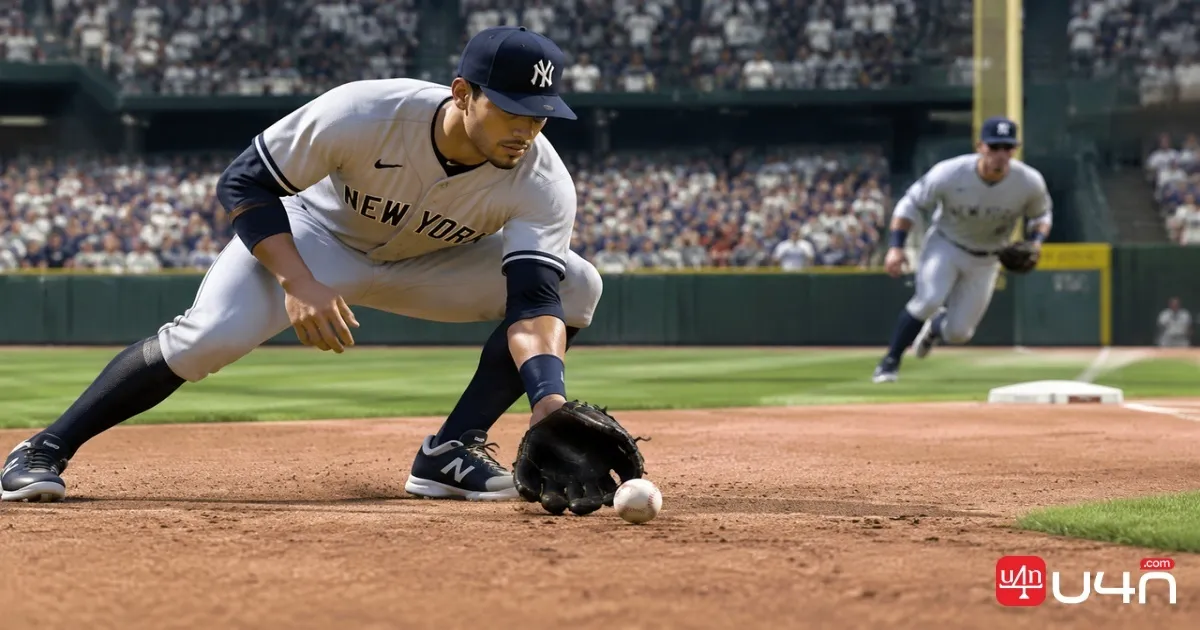
Choose Cards That Fit Your Playstyle
Our latest lineup tests reinforced one important point: the best cards are not always the ones that look strongest on paper. John Donaldson and Jared Weaver gave us different pitching options, while power threats and more balanced hitters offered distinct ways to improve our offense. The right combination depends on what our team lacks and how confidently we can use each player.
Before spending resources on another upgrade, we recommend testing your current roster, identifying its biggest weakness, and comparing new cards against the players they would replace. A thoughtful approach to MLB 26 Stubs and roster upgrades can help you build a more competitive squad without chasing every new release.
FAQ
Which new player cards should we try first?
Start with cards that address a clear weakness in your lineup. Test promising pitchers for control and pitch variety, then evaluate hitters for swing comfort, contact quality, power, and defense. Treat early results as a starting point rather than a final ranking.
Is a high-velocity pitcher always the better option?
No. Velocity can be valuable, but control, movement, pitch sequencing, and delivery also affect performance. A pitcher with a varied arsenal may be more effective when you can locate pitches and keep opponents guessing.
Should we use a powerful hitter with weaker defense?
It depends on your lineup. If the bat adds meaningful offense, the trade-off may be worthwhile, especially when you can protect the player defensively. However, a defensive liability can cost you runs, so evaluate the complete contribution rather than hitting power alone.
How do we know whether a new card is worth keeping?
Give the card a reasonable trial across different game situations. Track how often it creates useful results, whether its weaknesses become a problem, and how it compares with your current option. Keep the card if it fills a role and performs consistently for your playstyle.