
The best weapon in Enshrouded 1.0 isn't necessarily the legendary you just found. For solo play, we'd rather have a loadout that handles a messy encounter than one that produces a spectacular hit before leaving us scrambling.
When sorting through Enshrouded Items, start by identifying what your build actually needs: a dependable main weapon, a useful backup, or a stronger answer to difficult enemies. Our recommendation is wand and staff for a flexible solo mage, with specific melee and bow alternatives below, not a claim that magic wins every damage comparison.
Quick Picks: What Should You Use?
Our shortlist separates weapons worth pursuing during progression from the loadout we recommend building toward. These are role-based recommendations, not a measured endgame DPS ranking.
| Your goal | Our pick | Why we recommend it |
|---|---|---|
| Build a flexible solo mage | Wand + staff | A practical starting point for combining regular attacks with deliberate spellcasting |
| Support a wand–staff build | Coalescent Wand | Our shortlist choice for its combination of critical-strike and mana-related perks |
| Establish a dependable melee option | Wailing Blade | A clear acquisition target rather than an undefined legendary grind |
| Develop a precision bow setup | Draconian Bow | Worth considering if aimed shots suit your combat rhythm |
| Try committed two-handed melee | Dreadbane | A named progression target for players who enjoy choosing their attack windows |
The item details and acquisition routes appear in Section 3.
Our default advice: build one coherent primary setup before spreading upgrades across several unrelated weapons. Keep a backup because it solves a problem, not because its inventory icon looks expensive.
Why Wand and Staff Deserves Another Look
The 1.0 Changes That Matter
Keen's combat overview gives the combination a clear mechanical foundation:
- Blast and Cast: a wand critical strike increases the base damage of your next staff attack within 10 seconds by 50%.
- Wand heavy attacks: projectiles pierce enemies and can interrupt weaker opponents.
- Additional wand skills: aerial and evasive attacks expand the available moveset.
- Spell progression: Eternal spells can be upgraded, while spell mana costs and casting times have been reworked.
The launch changelog also confirms widespread weapon-perk adjustments and a fully upgraded equipment cap of 55. That makes older "best weapon" rankings useful historical references, not automatic answers for 1.0.
How We'd Use the Combination
Our suggested sequence is straightforward:
- 1. Establish enough space to read the encounter.
- 2. Attack with the wand while watching enemy movement.
- 3. After a critical strike, identify a safe staff opening.
- 4. Switch and take the follow-up attack.
- 5. Reposition instead of forcing another cast.
The important word is "safe." A temporary bonus is an opportunity, not an instruction to ignore the enemy in front of you.
Here's our tactical reading of the piercing heavy attack: look for enemies approaching along the same line, rather than immediately scattering them around you. If the formation breaks or a dangerous opponent closes in, abandon the tidy rotation and deal with the immediate threat.
Why the Bonus Isn't a DPS Verdict
A 50% increase to one attack's base damage does not establish a 50% increase to your entire build's damage per second. The complete sequence includes triggering the effect, switching weapons, finding an opening, and finishing the attack.
That distinction is why we recommend wand and staff for its tactical possibilities, not because one percentage proves it beats every melee or bow build. These recommendations are our interpretation of the documented mechanics, not a claim of comparative combat testing.

Five Named Weapons Worth Considering
A useful weapon guide should give you something more concrete than "find a good legendary."
The following shortlist provides named targets and documented acquisition leads. Treat it as a progression shortlist, not a declaration of maximum-level best-in-slot gear. Several item pages explicitly warn that their displayed damage calculations are outdated, so we're excluding those numbers rather than presenting them as verified 1.0 results.
| Weapon | Documented identity and perks | Acquisition lead | Our recommended role |
|---|---|---|---|
| Coalescent Wand | Wand listed with shock damage, mana leech, and critical-strike-chance perks | Listed in the Albaneve Summits loot pool | Wand–staff support candidate |
| Shroud Weaver | Staff listed with Shroud-damage, critical-damage, and mana-regeneration perks | Quest associated with The Mysterious Wanderer Appears at Low Tide | A deliberate staff progression target |
| Wailing Blade | One-handed sword listed with fire damage, cutting damage, and durability restoration on kills | Find the Scavenger Stash; crafting recipes are also documented | Melee progression option |
| Draconian Bow | Bow listed with fire damage, critical damage, backstab damage, and stamina restoration from skillshots | The Draconian Vulture Took Him | Precision-oriented bow candidate |
| Dreadbane | Two-handed hammer listed with blunt damage, Shroud damage, critical damage, and durability restoration | East Lapis | Committed melee alternative |
Coalescent Wand: Our Wand–Staff Shortlist Pick
For a combined magic build, we'd compare this against a more damage-focused wand before replacing it.
Our reasoning is about the entire loadout: prioritize a candidate that supports the sequence you intend to use, rather than judging every wand as an isolated damage stick. Keep the one that delivers the more dependable encounter, not merely the larger individual hit.
Shroud Weaver: A Target, Not an Automatic Winner
We like having a specific quest to pursue instead of telling players to open chests indefinitely.
However, don't let the weapon's reputation decide the comparison for you. Put it beside your current staff at a comparable upgrade state, use the same spell, and decide whether it improves the job you need the staff to perform.
Wailing Blade: Our Practical Melee Recommendation
This is the option we'd investigate first when the goal is to establish a named, understandable melee progression route.
Keep the decision grounded: does the version available to you improve your present loadout enough to justify the materials? A familiar name is not a reason to retain an underperforming weapon indefinitely.
Draconian Bow: Choose It for Your Aiming Rhythm
We'd shortlist this for players who enjoy making aimed attacks count.
Before investing, compare it in an encounter that requires movement. An uncontested shooting position is a useful baseline, but it shouldn't be the only place your bow feels comfortable.
Dreadbane: For Players Who Like Committing
Our recommendation here is deliberately conditional: pursue it if the two-handed approach already appeals to you.
Don't rebuild around a hammer simply to chase impressive hits. First establish whether you enjoy reading an opening, committing to the attack, and accepting the consequences of a mistimed swing. The documented weapon identities, perks, and acquisition leads above come from the official community wiki; our role assignments are editorial recommendations.
When We'd Choose Melee or Bows Instead
Wand and staff is our lead recommendation for a flexible mage, not a reason to abandon a loadout you already enjoy.
Choose One-Handed Melee If You Prefer Defensive Decisions
We'd point you toward a one-handed weapon and shield if your preferred rhythm is to attack, reassess, and defend.
Build around that rhythm deliberately. Leave yourself an exit instead of treating every opening as permission for one more hit.
Choose Two-Handed Melee If You Enjoy Reading Openings
Our test would be simple: can you explain why an attack was safe before you start it?
If the answer is usually "I hoped the enemy wouldn't move," practice the encounter before investing further. We'd prioritize clean opportunities over repeatedly trading health for damage.
Choose a Bow If Aiming Is the Fun Part
For a bow-focused character, we'd judge comfort while moving, changing angles, and recovering from missed shots.
Don't choose this route because someone else's stationary target demonstration looks strong. Choose it because you enjoy doing the work between shots.
Follow a Progression Plan, Not an Endgame Shopping List
| Stage | Our priority | Recommended decision |
|---|---|---|
| Early game | Fix your biggest recurring problem | Use the most dependable option available |
| Midgame | Establish your main combat loop | Invest in a weapon that supports your chosen approach |
| Late game | Refine the complete loadout | Compare alternatives with the supporting build in place |
Early on, we'd spend to make the next difficult encounter manageable, not preserve every resource for a theoretical final build.
In the middle of progression, choose a primary approach and give your backup a clear assignment. Write that assignment down if necessary: "use when I can't safely cast," or "use when I need a different engagement distance."
Later, compare complete setups. If you change the weapon, equipment, and skills simultaneously, you won't know which change actually helped.
Keep the old loadout until the replacement proves itself. There's no prize for salvaging your safety net too early.
Upgrade What Improves the Whole Encounter
Before spending heavily, run a short comparison under similar conditions.
Keep your equipment, skills, target, and weapon upgrade states as consistent as practical. For staff comparisons, keep the spell consistent too.
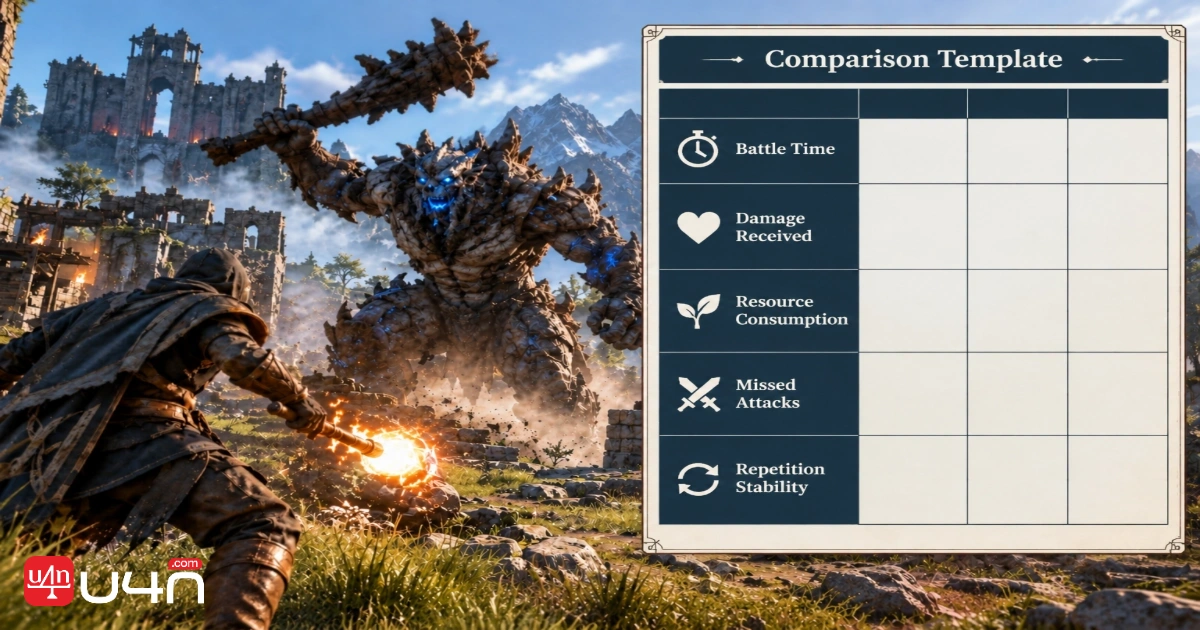
Record five things:
- Time to finish the encounter.
- Damage received.
- Resources consumed.
- Missed or interrupted attacks.
- How repeatable the result feels.
We'd compare several ordinary attempts rather than select one perfect run.
For the wand–staff setup, our decision rule is particularly useful: if attempting the switch repeatedly makes your fights worse, simplify the sequence before buying further into it.
Avoid three expensive mistakes:
- 1. Comparing unequal upgrade states. Finish a fair comparison before declaring a replacement weak.
- 2. Buying into a playstyle you dislike. Test the basic rhythm before committing resources.
- 3. Mistaking a conditional benefit for permanent output. Judge how often you actually use it successfully.
Solo Weapon FAQ
What Is Our Best Overall Weapon Recommendation?
Wand and staff is our recommendation for players seeking a flexible solo magic setup. For a named wand candidate, start your comparison with the shortlist above rather than assuming every legendary is an improvement.
Should You Replace Your Current Staff With Shroud Weaver?
Not automatically. We recommend pursuing it as a concrete progression target, then comparing it fairly with what you already use.
Should a Returning Player Switch to Magic Immediately?
We'd first re-establish a baseline with the current loadout. Then try the wand–staff sequence in manageable encounters before committing to a rebuild.
Is This a Definitive Endgame Tier List?
No. It is a role-based solo weapon guide with named recommendations and acquisition leads. We would require comparable 1.0 testing before calling any specific item the universal damage winner.
Verdict: Build Around a Repeatable Win
For returning players considering Enshrouded Boosting, we'd make one decision first: which loadout do you actually want to learn? Progression assistance and combat familiarity address different needs; neither should be confused with choosing the right weapon.
Our final recommendation is wand and staff for a flexible solo mage, with a purposeful backup rather than a second unfinished build. Use the named shortlist to plan your next target, compare upgrades fairly, and keep what makes difficult encounters more manageable. The best weapon is the one that improves the fight you're actually having, not the one whose reputation does all the work.