Choosing the best class in MapleStory Classic World depends on more than raw damage. Our team looks at how efficiently a class clears monsters, manages MP, handles crowded maps, and progresses with affordable equipment. A class that performs well on paper may feel very different when popular training spots are packed.
Early progression also puts pressure on your resources. Weapon upgrades, potion costs, and the availability of MapleStory Classic World Mesos can all influence how smoothly you level. Rather than treating one class as the automatic winner, we recommend evaluating its strengths against your preferred playstyle and the maps you can realistically access.
What Makes a Class Effective?
A strong leveling class combines reliable damage with efficient movement, manageable resource costs, and skills that suit the monsters it fights. These factors become especially important during early progression, when a character may not have the equipment or skill levels needed to overcome every disadvantage.
For example, an Assassin can feel powerful when its attacks consistently eliminate targets quickly. A Mage, meanwhile, may benefit from elemental advantages, ranged attacks, or crowd control. Neither advantage guarantees better overall performance in every situation.
| Factor | What We Look For |
|---|---|
| Damage output | How many attacks are needed to defeat a monster |
| Skill utility | Whether slowing, knockback, or other effects improve combat |
| MP efficiency | How much potion spending is required to sustain training |
| Map compatibility | Whether the terrain and monster distribution suit the class |
| Progression cost | How easily the character can maintain useful equipment |
Our approach is to compare classes under similar conditions rather than judge them by isolated damage numbers. Character level, skill investment, equipment, and monster defenses can all change the result.
Ice-Lightning Mage: Control and Efficient Progression
The Ice-Lightning Mage offers an interesting example of why damage is only part of the equation. Cold Beam provides a slowing effect, allowing the player to create more space between attacks and reduce the pressure of approaching monsters.
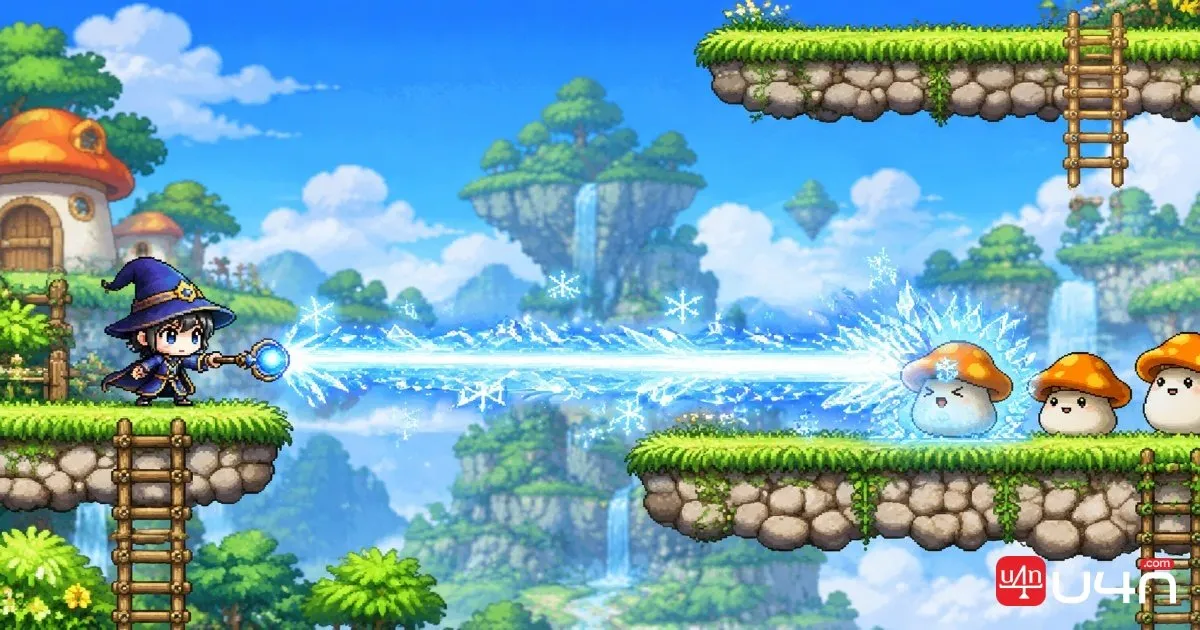
That control can be valuable when training alone. Instead of relying entirely on damage to finish a target before it reaches you, you can use the slow to make combat more manageable. Its practical value still depends on the monster, the skill's effectiveness, and the character's ability to maintain a safe attacking position.
Building Around Cold Beam
A useful skill plan should support both immediate combat and future progression. The original gameplay raises several relevant choices involving MP Eater, Meditation, Cold Beam, Magic Armor, and Magic Guard.
- Cold Beam: Consider its slowing utility alongside its damage when choosing targets and training locations.
- MP Eater: Evaluate its potential to reduce potion consumption during sustained combat.
- Meditation: Consider the value of additional magic power against the benefit of investing skill points elsewhere first.
- Magic Armor and Magic Guard: Compare their actual defensive effects and resource implications before deciding which deserves priority.
We would not treat one skill order as universally optimal without confirming the current version's mechanics and the character's progression needs. A build that feels comfortable while fighting manageable monsters may need adjustment when enemies deal more damage or have higher magic defense.
The practical lesson is to build around the challenges you encounter, not simply follow a skill order because another player recommends it.
Choosing the Right Training Map
A suitable training map can make a noticeable difference to leveling consistency. In the original gameplay, the player moves between Ant Tunnel, Sturge Subway, and Stump training areas while looking for better monster access and fewer interruptions.
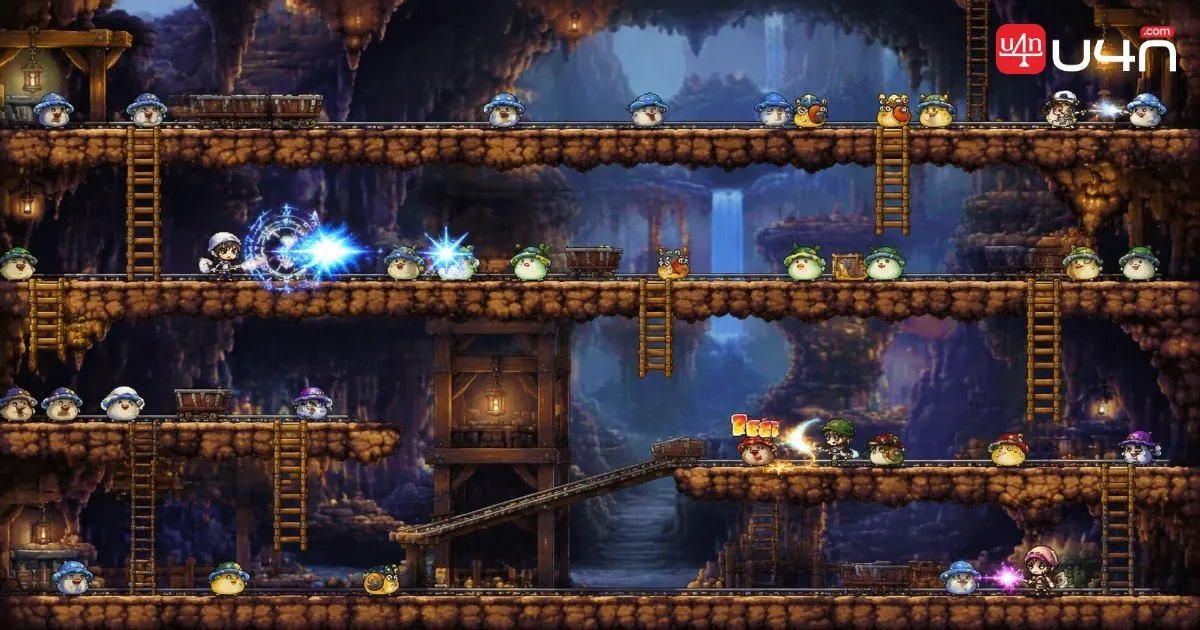
These experiences illustrate an important distinction: a map can look efficient but still perform poorly when too many players compete for the same monsters.
When evaluating a training location, we recommend checking three things first:
- Monster compatibility: Check enemy levels, defenses, and whether your main attacks perform reliably against them.
- Map layout: Look for platforms and spawn positions that allow you to attack continuously without excessive travel.
- Actual competition: Consider how much time you spend waiting, changing channels, or searching for available monsters.
For an Ice-Lightning Mage, monster magic defense deserves particular attention. The original player notes that Evil Eyes are harder to defeat than expected because of their high magic defense. This is a useful reminder that a monster's level alone does not determine whether it is a good target.
A slightly less crowded map with suitable enemies may offer a smoother training session than a popular location where your attacks are frequently interrupted by competition.
Managing Map Competition and Progression Costs
Crowded training areas are one of the clearest frustrations in the original gameplay. The player repeatedly encounters other characters in Sturge Subway and other maps, making it difficult to maintain a consistent rotation.

Instead of staying in a contested location indefinitely, we recommend assessing whether the available monsters justify the time spent there. If competition repeatedly interrupts your training, moving to a less popular map may be more productive than fighting for every spawn.
Party play can also help when members coordinate their routes and divide the map efficiently. However, simply joining a party does not guarantee better results. The party needs enough available monsters, suitable damage coverage, and a clear understanding of who is training in each section.
Equipment and consumables matter as well. The original gameplay includes a search for a more affordable wand, discussion of weapon crafting, and a decision about which equipment is worth keeping or selling. These moments highlight a practical progression principle: avoid spending heavily on upgrades without understanding how much they improve your actual performance.
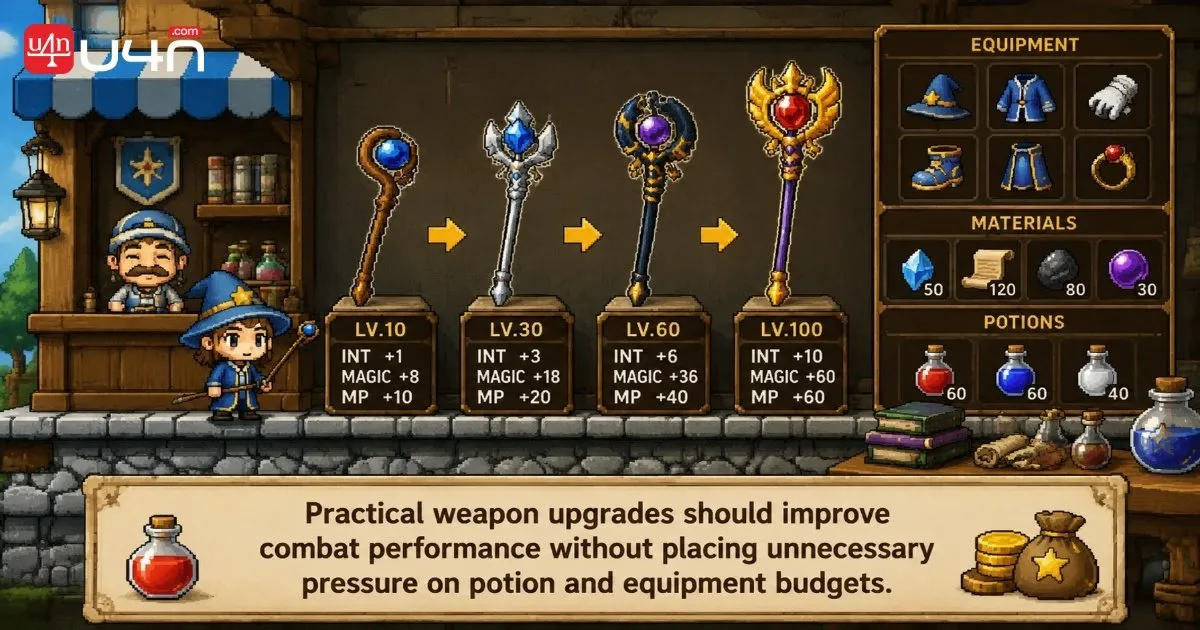
Before buying an upgrade, consider whether it changes your damage enough to reduce the number of attacks needed per monster. Also account for the cost of potions and the time required to earn the currency back. An affordable, useful upgrade can be more valuable than an expensive item that offers little immediate improvement.
Summary
There is no single class choice that guarantees the best leveling experience in MapleStory Classic World. Assassins may appeal to players who prioritize fast attacks, while Ice-Lightning Mages offer ranged combat and slowing utility. Other Mage paths may suit players who prefer different damage types, support options, or monster matchups.
Our team's recommendation is to evaluate damage, skill utility, resource costs, and map availability together. Start with a class whose mechanics fit your playstyle, then adjust your build and training location as your character develops. Consistent progress comes from making good decisions across many sessions, not from chasing a class ranking without considering the conditions behind it.
FAQ
Is Ice-Lightning Mage a good class for early leveling?
It can be a practical option for players who value ranged attacks and crowd control. Cold Beam's slow can make encounters easier to manage, but the result depends on monster defenses, skill investment, and map conditions.
Is Assassin better than Mage for damage?
The original gameplay suggests that Assassin can deliver serious damage, but it does not provide enough controlled testing to establish a universal winner. A fair comparison needs similar character levels, equipment, target monsters, and skill investment.
Should I stay in a crowded training map?
Not necessarily. If competition consistently interrupts your attacks, compare the experience you gain in that location with what you could achieve elsewhere. A less contested map can be more productive when its monsters suit your character.
How much should I spend on equipment upgrades?
Prioritize upgrades that solve a real progression problem, such as reducing the number of attacks needed to defeat a monster or improving your ability to sustain combat. Compare prices and available MSCW Items carefully, and avoid spending more than your current progression requires.