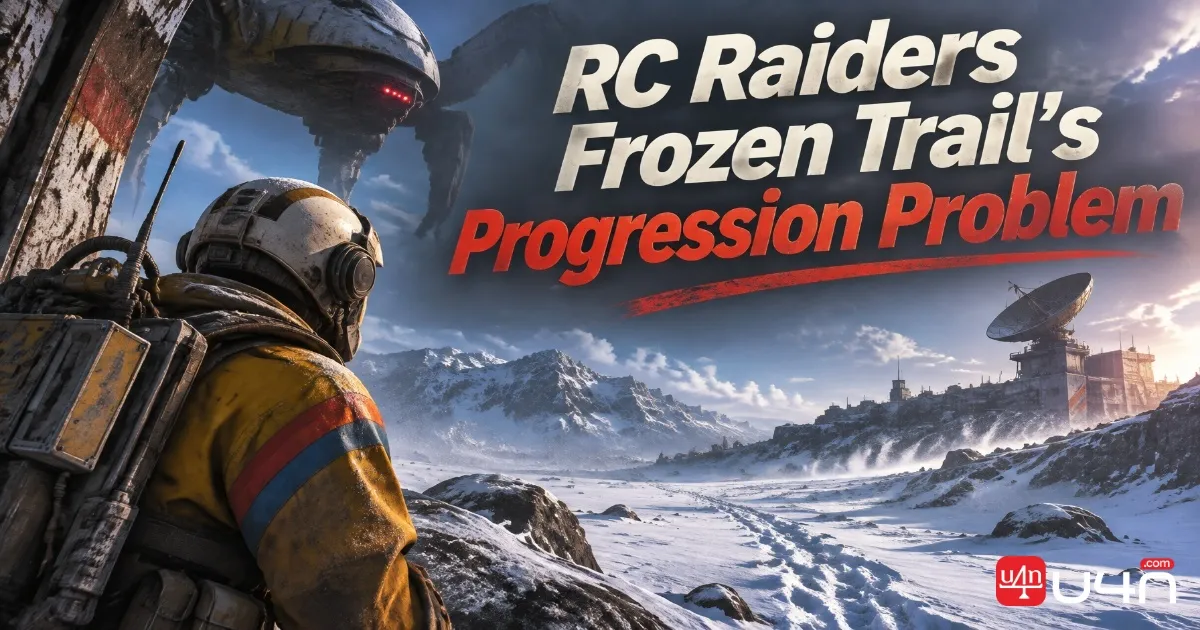
ARC Raiders' Frozen Trail update added new locations, tougher ARC enemies, weapon upgrades, and more endgame activities. Yet more content has not automatically made progression more rewarding. The main problem is the gap between what players risk and what they gain, especially in activities such as Frigate and Fallen Emperor.
The October 27 update attempted to address part of this issue by shifting valuable loot toward deeper sections of these encounters. However, changing loot distribution does not necessarily solve the reasons players avoid difficult objectives in the first place. Our team believes the bigger question is whether ARC Raiders gives players enough incentive to invest their time, equipment, and resources in completing its most demanding content.
That matters to anyone working toward better gear, crafting materials, and ARC Raiders Items.
Why Frozen Trail's Progression Feels Unbalanced
Frozen Trail was designed to give players more reasons to keep exploring after the early progression stages. It introduced Pendola Pass, Frigate, Fallen Emperor, new ARC enemies, weapon amplification, an expanded skill tree, an outpost, and a reward pass.
The content itself offers plenty to discover. Pendola Pass provides a different environment from the industrial areas players already know, while Frigate and Fallen Emperor create more demanding objectives for experienced Raiders. Weapon amplification also gives familiar firearms additional upgrade paths rather than relying entirely on new weapon drops.
The problem appears after players learn these systems and begin comparing their costs.
ARC Raiders is an extraction game, so every difficult encounter involves a calculation. Players must consider the equipment they bring, the ammunition they may consume, the chance of losing their inventory, and the value of the loot they can extract. If a difficult objective offers only a small advantage over collecting accessible resources and leaving early, avoiding that objective becomes a reasonable decision.
This creates a conflict between content design and player incentives. Embark wants players to engage with its more demanding activities, but players will naturally prioritize the routes that offer the best balance of reward and survival.
Frigate: High Risk Does Not Always Mean High Rewards
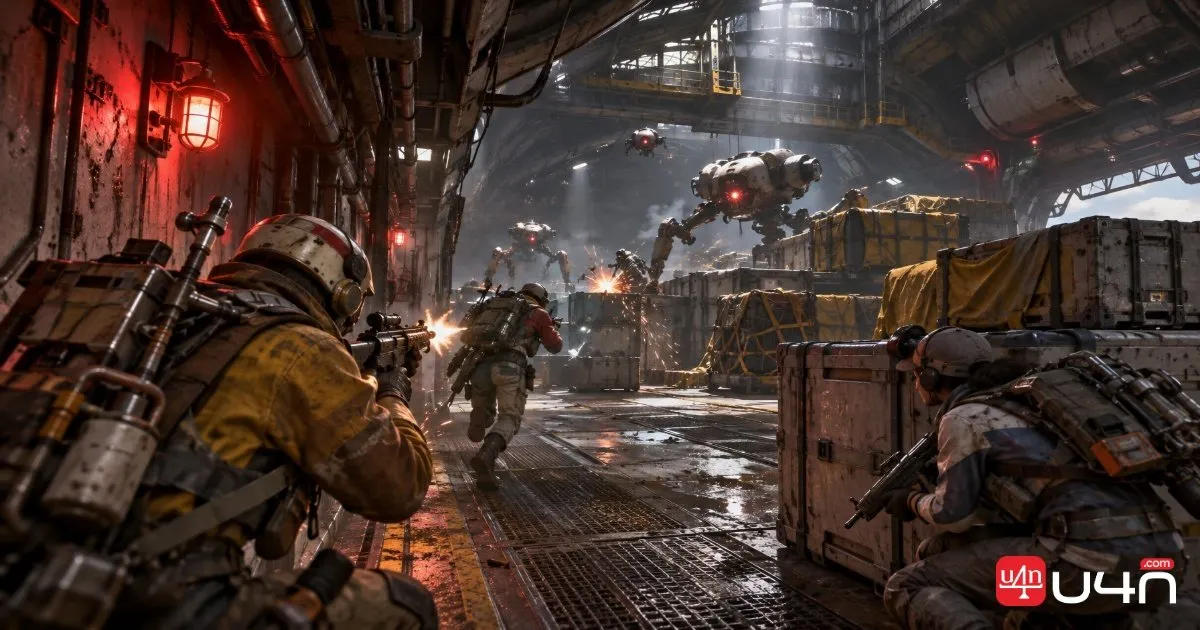
Frigate is one of Frozen Trail's most ambitious additions. Players board a large airship, move through its internal sections, deal with defensive systems and ARC threats, and work toward valuable cargo. The encounter is designed to reward preparation and cooperation, particularly when squads need to push through dangerous areas.
However, a shared activity does not guarantee that everyone has the same objective.
Some Raiders enter with expensive weapons and enough supplies to complete the entire encounter. Others bring cheaper equipment, collect accessible loot, and leave before the most dangerous stages begin. Neither approach is inherently against the rules. The issue is whether the reward structure gives players a compelling reason to stay.
Why Early Extraction Can Be the Rational Choice
The cost of a full Frigate attempt can be substantial:
- Valuable weapons may be lost during a prolonged fight.
- Ammunition and healing supplies are consumed as players advance.
- Additional ARC enemies and hostile Raiders increase the chance of losing everything.
- Teammates may leave before the group reaches the main objective.
A player who collects accessible resources and extracts early takes on less risk. Someone who stays to break through the remaining defenses may spend considerably more without receiving a sufficiently better return.
The quest Sabotage the Frigate illustrates this concern. Its listed completion rewards include one Level 1 Hullcracker and 10,000 XP, separate from the resources collected during the encounter. These rewards can help players who are still building their equipment, but they may feel less meaningful to experienced Raiders who already own stronger weapons.
This is where the activity's cooperation problem becomes more apparent. Players who continue fighting may have to complete difficult sections with less support after others leave. We should not automatically blame those who extract early. If the available incentives make leaving the more efficient choice, the reward structure is encouraging that behavior.
What the October 27 Adjustment Changed
Update 2.3 increased the chance of obtaining higher-tier Frigate rewards deeper inside the airship. The patch also improved cargo gate behavior, clarified puzzle feedback, and adjusted audio cues related to ship systems.
The direction makes sense: players should have a stronger reason to advance rather than stop after reaching the easiest loot. However, Embark did not publish exact drop-rate figures, so it is difficult to measure how much more valuable a complete run became.
There is also a limitation to this approach. Better loot in deeper sections can encourage progression, but it cannot guarantee cooperation. Players may still disagree about how much risk they are willing to accept, and the reward may still fail to justify the ammunition, equipment, and time required.
Fallen Emperor: Preparation and Loot Competition
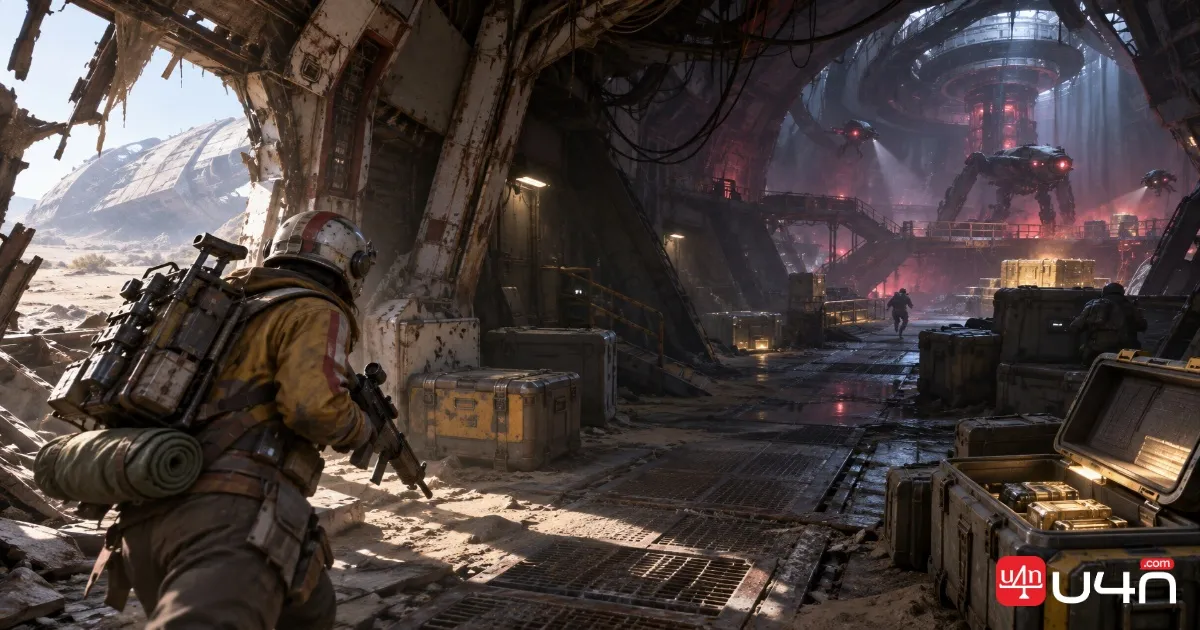
Fallen Emperor creates a different version of the same progression problem. Unlike a straightforward encounter, reaching its valuable areas involves preparation. Players need to pursue the relevant map condition, obtain supplies, find the required access materials, and work toward the Emperor Key Blueprint.
That preparation represents an investment before the main activity even begins. Once inside, Raiders must navigate dangerous rooms, environmental obstacles, and ARC enemies while searching for valuable resources.
The extraction format allows players to avoid some fights rather than eliminate every threat. That flexibility is part of the game's appeal. Spending ammunition on every enemy is not always efficient, and a well-planned route can be more valuable than unnecessary combat.
The difficulty appears when players who have invested in access and preparation find that other Raiders can reach valuable containers first. Community reports have also described players using unintended routes or exploits to bypass parts of the encounter. These reports should not be treated as proof that every run has the same problem, but they highlight the tension between preparation, competition, and reward distribution.

How the Loot Changes Affect the Encounter
The October 27 update changed the distribution of rewards inside Fallen Emperor. Containers near the entrance became more associated with lower-tier loot, while higher-tier rewards were concentrated deeper inside. Embark also expanded exploit prevention measures and fixed collision and unintended-access issues.
The adjustment gives players a clearer reason to explore further. However, it also creates a more competitive environment around the final rooms. Reaching the best loot may now depend more heavily on getting deeper into the encounter before other Raiders do.
The update also reduced the chance of finding the Emperor Key Blueprint in Redirect Pods while slightly increasing the chance of receiving ARC components and higher-tier loot. This creates a trade-off: players seeking general resources may benefit, while those specifically pursuing the blueprint may find the preparation process less predictable.
| Change | Intended effect | Remaining concern |
|---|---|---|
| Lower-tier loot near the entrance | Encourage deeper exploration | More competition for valuable rooms |
| Higher-tier loot deeper inside | Improve the reward for advancing | Does not guarantee fair participation |
| Lower blueprint drop chance in Redirect Pods | Adjust blueprint availability | Key preparation may take longer |
| Additional ARC components and higher-tier loot | Improve alternative rewards | Overall value remains difficult to measure |
The key distinction is that fixing unintended access and adjusting loot distribution are not the same as rewarding preparation. If players obtain the required access materials and invest time in reaching Fallen Emperor, the final rewards should make that investment feel worthwhile.
New Progression Systems Still Need Clear Goals
Frigate and Fallen Emperor are the clearest examples of the risk-and-reward problem, but Frozen Trail's other systems raise a related question: does every new progression path give players a meaningful reason to keep playing?
Weapon Amplification and the Outpost
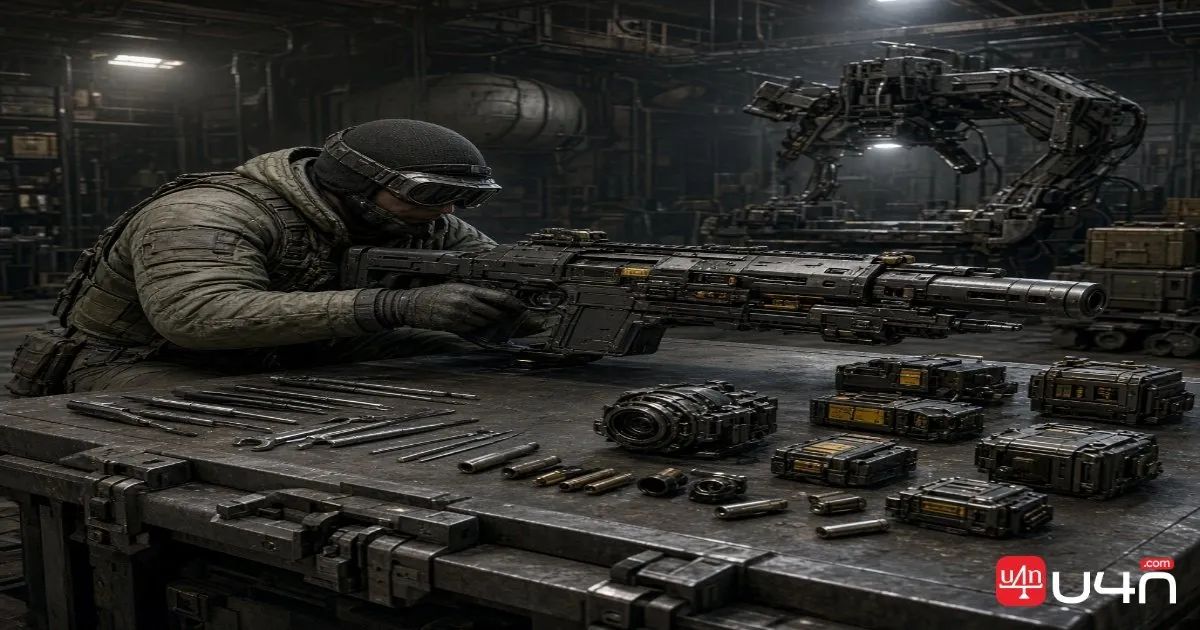
Weapon amplification expands the possibilities for existing firearms. At the highest Research Station upgrade level, players can access five levels of weapon quality, with branching modifications that change how certain weapons perform.
For example, the Beretta can receive automatic fire, the Renegade can gain an optic, and the Rattler can receive incendiary ammunition and a larger magazine. These changes give players more room to experiment with familiar equipment.
The limitation is that stronger weapons do not automatically create stronger reasons to play. If existing encounters remain manageable with standard equipment, some players may not feel that the time spent collecting materials and upgrading workstations is necessary.
The outpost adds another type of progression through furniture collection and customization. Its 100 furniture designs provide a reason to collect resources beyond weapons and ammunition. However, decorative progression appeals to a different motivation from combat upgrades. Players who mainly want tougher encounters may not see furniture as a compelling long-term goal.
Skill Trees and the Reward Pass
Frozen Trail also redesigned the skill tree after Embark acknowledged that the previous system did not provide sufficiently interesting choices. The changes gave players new options across several branches, making progression decisions more noticeable.
The 60-level reward pass offers another steady route forward. It includes free and premium tracks, with points earned through achievements of different difficulty levels. This gives players regular objectives even when they are not attempting the most demanding endgame activities.
These systems are useful, but they serve different purposes. A reward pass can keep ordinary play moving forward, while weapon amplification supports equipment experimentation. Neither necessarily makes a difficult Frigate run more rewarding or resolves competition inside Fallen Emperor.
For progression to remain engaging, these systems need to complement one another. Players should have a reason to improve their equipment, a meaningful challenge in which to use it, and a reward that reflects the effort required.
Expeditions and PvE Leave Long-Term Questions
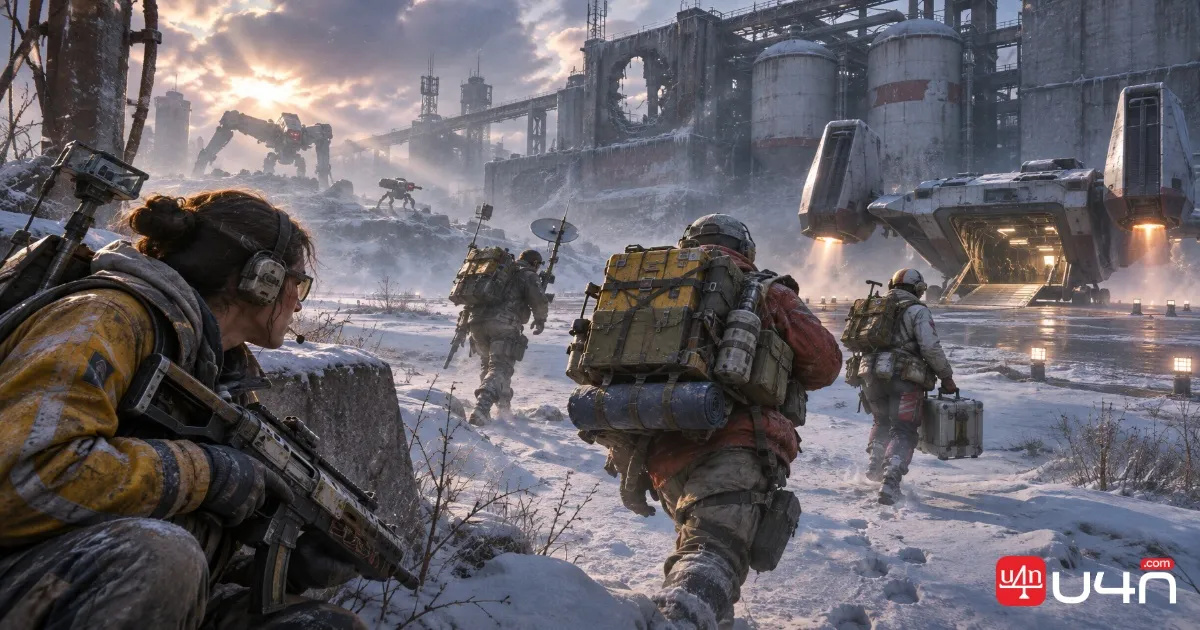
The pause in Expeditions makes the broader progression issue more important. Expeditions previously gave players a long-term objective by allowing them to prepare a caravan, meet departure requirements, and begin another progression cycle in exchange for persistent benefits.
The system offered rewards such as additional stash space, capped bonus skill points, cosmetics, and other progression bonuses. However, its limited departure windows and reset requirements created accessibility problems, particularly for newer players and those with less time to play.
After the fifth Expedition ended on September 29, Embark announced that the system would remain paused until early 2027 while the studio worked on substantial changes. The company identified departure timing, rewards, and accessibility for newer players as areas requiring improvement.
This leaves players with fewer long-term reasons to accumulate resources beyond their current upgrades and activities. Frozen Trail added more ways to spend those resources, but the pause removed one of the systems that previously gave long-term accumulation a clear purpose.
The limited PvE matchmaking test raised another question about how players want to experience difficult content. The test ran from October 13 to October 20 and allowed players to choose a PvE experience without damage between Raiders. However, Frigate and Redirect-related activities were excluded.
That limitation matters. Some players prefer cooperative encounters against ARC enemies, while others enjoy the uncertainty of competing against hostile Raiders. These preferences affect how players judge difficulty and rewards. A cooperative player may want recognition for helping complete a difficult encounter, while a competitive player may value speed, positioning, and avoiding unnecessary fights.
As of November 2, Embark had not confirmed whether PvE matchmaking would become permanent. The test showed that the studio was investigating different matchmaking experiences, not that a permanent PvE option or cooperative access to every major activity was guaranteed.
Summary
Frozen Trail has expanded ARC Raiders with ambitious encounters and more ways to develop equipment, but its progression systems still face a central challenge: players need to feel that difficult objectives justify the time, resources, and risks they demand.
The October 27 adjustments moved valuable loot deeper into Frigate and Fallen Emperor, giving players a stronger reason to advance. Yet loot placement alone cannot guarantee cooperation, reward preparation fairly, or solve every long-term progression concern.
Our team sees the next step as making each activity offer a distinct reason to participate. Frigate should recognize players who push through its hardest stages. Fallen Emperor should make preparation feel worthwhile without turning every valuable room into a race. Weapon upgrades and long-term systems should continue to matter after players have collected their preferred equipment.
ARC Raiders does not need every activity to provide the strongest gear. It needs each activity to offer a meaningful reward for the way players choose to approach it. For players building their equipment and planning their next upgrades, cheap ARC Raiders Coins may be one resource-related search, but the game's lasting progression still depends on whether its challenges feel worth completing.
FAQ
What is the main progression problem in ARC Raiders Frozen Trail?
The main concern is the gap between the resources and risks required by difficult activities and the rewards players receive. When easier routes offer better value, players have less incentive to complete demanding objectives.
What changed for Frigate in the October 27 update?
Update 2.3 increased the chance of obtaining higher-tier rewards deeper inside Frigate. It also improved cargo gate behavior, puzzle feedback, and audio cues.
How did the Fallen Emperor loot distribution change?
The update shifted lower-tier rewards toward containers near the entrance and concentrated higher-tier loot deeper inside. It also adjusted Redirect Pod drops and expanded exploit prevention measures.
When will ARC Raiders Expeditions return?
Embark announced that Expeditions would remain paused until early 2027 while the studio worked on broader changes. The final structure of the redesigned system had not been confirmed.
Is PvE matchmaking permanent in ARC Raiders?
No permanent PvE matchmaking option had been confirmed as of November 2. The October test was limited, and major activities such as Frigate and Redirect-related encounters were excluded.