



Artisan's Ultimate Refining Stone can turn a promising Dragon Lord craft into an expensive inventory project if we buy it before checking the rest of the recipe. We start with the exact piece of equipment we want, then work backward from its requirements.
That approach keeps our Aion 2 Items budget focused on an upgrade we can actually attempt. The goal is to identify the stones available for one recipe, account for competing plans, and spend only when the full material list makes sense.
What the Stone Does in a Dragon Lord Craft
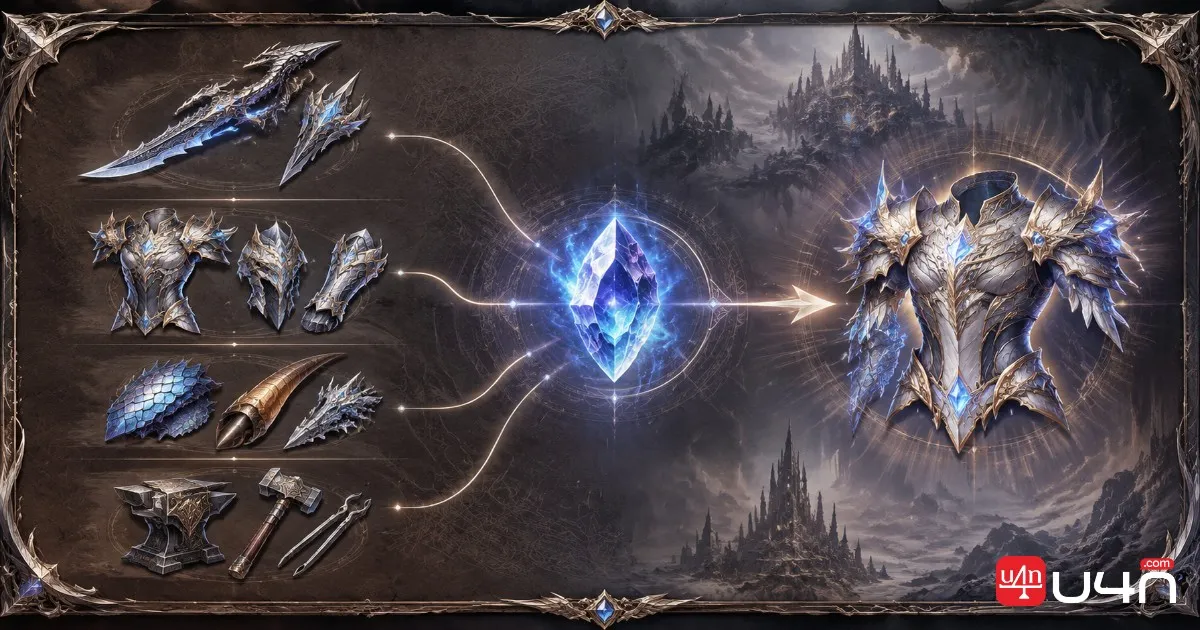
Artisan's Ultimate Refining Stone is a crafting material used in Dragon Lord equipment recipes. The amount is tied to the specific recipe, so a quantity copied from a greatsword plan is not a reliable target for a different weapon, armor piece, or upgrade stage. Community database listings show the material in multiple Dragon Lord recipes.
Before setting a target, we open the recipe for our character and record four details:
- The full name of the equipment.
- The exact crafting or upgrade stage.
- The number of stones shown.
- The other materials and equipment required for that step.
We also check the recipe on the character who will perform the craft. Names can look similar across equipment tiers, and a plan based on the wrong version can leave us with the right material for the wrong project.
A screenshot or short note is enough. We do not need a complete spreadsheet for every possible upgrade, but we do need a clear record of the next one.
For example, “Dragon Lord weapon” is too broad to guide a purchase. A useful note identifies the exact weapon and stage, then records its stone requirement alongside the required base item. Once we have that information, the rest of the budget becomes easier to judge.
Build a Target for One Recipe
We prefer to plan around one confirmed crafting step. Future upgrades belong on a separate list until we know we can reach them.
This keeps a long equipment route from absorbing our entire budget. If the current recipe is missing a base item and several other materials, buying stones for two later upgrades does little to move the current project forward.
Our basic calculation is:
Current stone shortfall = recipe requirement - stones available for this project
The phrase “available for this project” matters. Inventory totals can include stones committed to another character, a separate item, or a backup attempt. Those stones exist, but spending them changes another plan.
Here is a fictional example:
| Inventory entry | Stones | How we count them |
|---|---|---|
| Requirement for the selected recipe | 6 | Our current target |
| Uncommitted stones in storage | 4 | Available for this craft |
| Stones reserved for another item | 2 | Excluded from the current target |
| Remaining shortfall | 2 | Amount still needed |
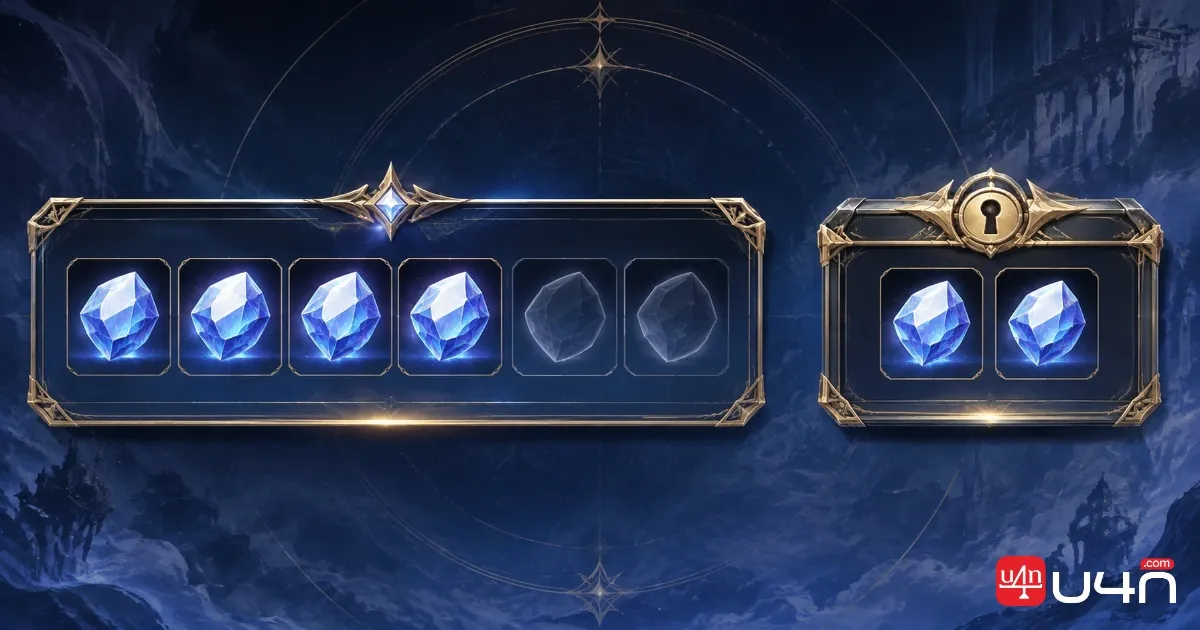
The numbers illustrate the calculation; they are not a recommendation for any particular recipe. If we decide the current weapon matters more than the other item, we can release the two reserved stones. The useful part is making that decision deliberately, with both projects visible.
We also avoid counting a promised reward until we have checked its conditions. A reward that requires several activities or a future reset is part of the plan, not part of today's usable stock.
Track the whole route without buying the whole route
A longer route can still be worth mapping. We record the next stage, the stage after that, and any known equipment dependency. Then we separate confirmed requirements from details that still need checking.
Our working list might read:
- Current step: verify the recipe and complete its material budget.
- Following step: identify the required equipment and check its recipe.
- Later stages: revisit after the current craft succeeds.
That small distinction prevents us from mistaking a future shopping list for an immediate purchase order.
Check the Craft Before Spending
A full stack of stones does not guarantee that the recipe is ready. Before buying the remaining materials, we check the craft itself.
Confirm the profession and recipe
We check that the crafting character has access to the relevant profession and recipe, then compare the displayed requirements with that character's current status. If another character must craft the item, we also check whether the needed materials can reach them.
The exact interface and requirements should be verified in the version we play. A recipe found in a database or video is a useful lead, but our in-game recipe is the reference for the purchase decision.
If the recipe shows a crafting success chance, we include that risk in the budget. A crafting guide describes success and failure mechanics and reports that failed crafts consume required materials; the actual chance and consequences should be checked for the specific craft before committing resources.
We separate the cost of one attempt from the resources we are willing to commit if that attempt fails. A reserve is a spending limit, not a promise that another attempt will succeed.
Inspect the required equipment
If the recipe consumes an existing weapon or armor piece, we check its exact name and condition before proceeding. We also confirm any restrictions shown by the game, including binding or other eligibility rules.
This check matters most when the item is currently equipped. We want to know what the recipe will consume and what happens to any upgrades or other investment attached to that item. If the interface does not make the outcome clear, we pause and verify it before pressing the craft button.
For a long route, we keep the current eligible base item separate from gear intended for other uses. Selling or consuming an intermediate piece by mistake can erase the benefit of careful stone budgeting.
Price every missing ingredient
We list the other materials beside the stones and mark each as owned, obtainable, or still uncertain. A cheap stone purchase can feel productive while the base equipment remains outside our reach.
Suppose our hypothetical recipe needs two more stones, a base weapon, and a rare material. If the stones are affordable but the weapon consumes nearly all available funds, the weapon is the real constraint. We can track stone prices while working on the base item, then purchase when the complete attempt is within reach.
That does not mean we must always buy every ingredient at once. It means each early purchase should have a reason: a confirmed need, an acceptable price, and enough remaining resources for the rest of the plan.

Choose How to Close the Gap
Once we know the shortfall, we compare the acquisition options actually available on our server. These can include player listings, activities, or selectable rewards, depending on the version and current game systems.
We check each option for three practical costs: currency, time, and restrictions. A stone that looks inexpensive on a listing is less useful if it cannot be transferred to the crafting character. A reward also needs a second look if obtaining it delays another material we need more urgently.
Buying from other players
Before purchasing, we check the item name carefully and compare the listed quantity with our shortfall. Similar material names and different listing sizes make it easy to buy the wrong item or more than the project needs.
We then set a spending limit for the stones and leave room for the rest of the recipe. If a listing exceeds that limit, we can wait, pursue another available source, or revise the full project budget. A low stock count alone is not a reason to accept any price.
When prices move, we judge the total purchase rather than the price of a single stone in isolation. Saving a small amount per stone matters less if buying a large surplus prevents us from obtaining the required base item.
Comparing rewards
A selectable reward is easiest to judge against the next completed craft. We write down the missing amount for each eligible material and ask what the choice actually removes from the shopping list.
Consider another fictional example:
| Reward choice | Current shortage | Effect on the project |
|---|---|---|
| Two refining stones | Two stones | Completes the stone requirement |
| One required rare material | One material | Completes a separate requirement |
| A material already in surplus | None | Adds stock but leaves both gaps open |
If both of the first two choices close a gap, we compare the remaining cost and availability of each alternative. If the rare material has no practical replacement at the moment, it can be the stronger choice even when the stone shortage is more visible.
We check the reward's quantity and binding terms before claiming it. A selection is valuable only if it can be used for the intended recipe.
Setting a purchase trigger
Our preferred trigger is simple: buy the remaining stones when they bring a specific craft close to an attempt and the other major requirements are accounted for.
An early purchase can still make sense. We might have a deliberate reserve target or find a price that fits the budget while leaving enough funds for the base equipment. In that case, we record the purchase as reserved stock and keep the rest of the project visible.
We avoid treating a pile of materials as progress by itself. Progress means a smaller gap between the current inventory and a craft we can actually perform.
A Practical Budget for the Next Upgrade
Before committing Aion 2 Kina, we put the full cost of the next attempt in one place. The table below is a planning template; each amount needs to come from the selected recipe and the current market.
| Budget line | What we record |
|---|---|
| Selected recipe | Exact item and crafting stage |
| Stones needed | Recipe quantity minus uncommitted usable stock |
| Base equipment | Owned item or current acquisition cost |
| Other materials | Missing quantities and estimated costs |
| Crafting conditions | Recipe access, character, and displayed requirements |
| Retry allowance | Resources we choose to reserve after checking failure terms |
| Funds remaining | Budget left after the planned attempt |

We update this record when a price changes or a reward arrives. If the remaining funds no longer cover a necessary ingredient, we adjust the plan before making another purchase.
This is also where we decide which project gets priority. A weapon may offer the upgrade we want most, but an accessory that is one affordable material away from completion can be the better immediate craft. We compare the full cost of reaching each attempt instead of comparing stone counts alone.
Crafting Plan Recap
Keep one recipe active, reserve only the stones assigned to that project, and check the complete material bill before buying. The most useful inventory number is the amount available after other commitments are accounted for.
Once the craft is complete, we revisit the next stage with fresh prices and the new inventory total. If we change equipment plans, we release the old reservation so those stones can support a different project.
FAQ
How many Artisan's Ultimate Refining Stones do we need?
Check the exact recipe in game. The quantity varies by equipment and crafting stage, so a single number is not a dependable target for every Dragon Lord item.
Should we buy stones before obtaining the base item?
We can, provided the purchase fits a complete budget and leaves enough resources for the base item and other materials. If the base item is still far beyond reach, tracking prices while working toward it is a reasonable alternative.
Do reserved stones count toward our current craft?
Only if we choose to reassign them. Otherwise, exclude them from the current project's available stock and keep the other reservation visible.
Should we choose stones from a selectable reward?
Compare the reward with every remaining material gap. Stones are a strong choice when they remove a meaningful obstacle, but another ingredient can be more valuable if it is harder to obtain and blocks the same craft.
How much should we reserve for a failed attempt?
Check the recipe's displayed success chance and failure consequences, then set a retry limit that fits the full budget. A reserve reduces the disruption of failure; it does not guarantee a successful craft.