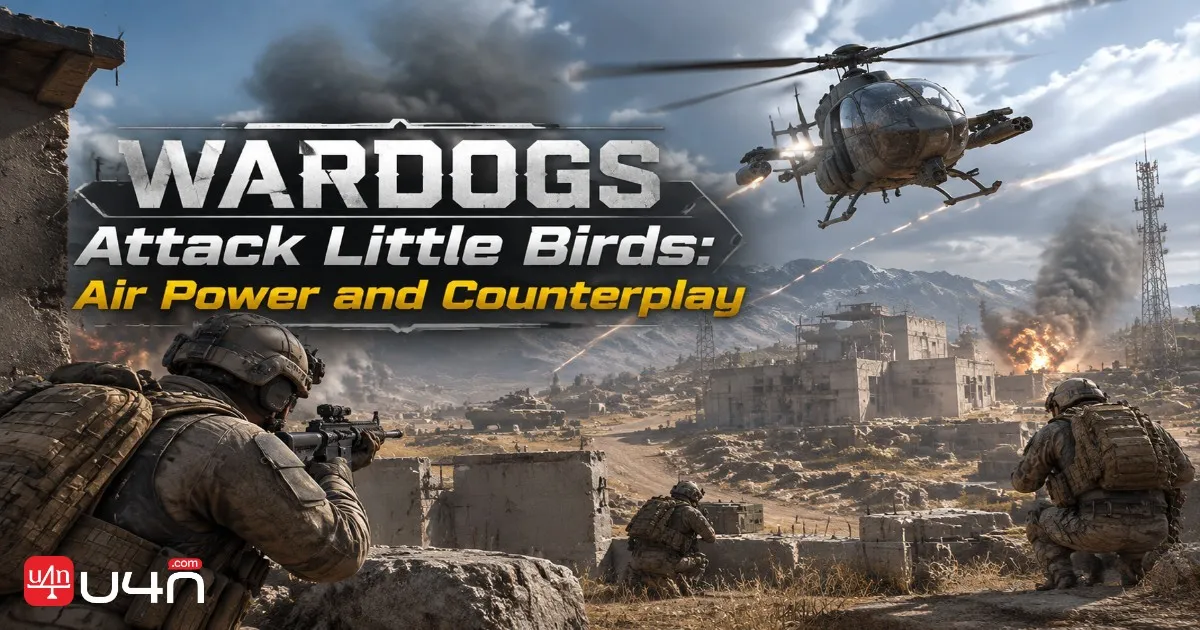
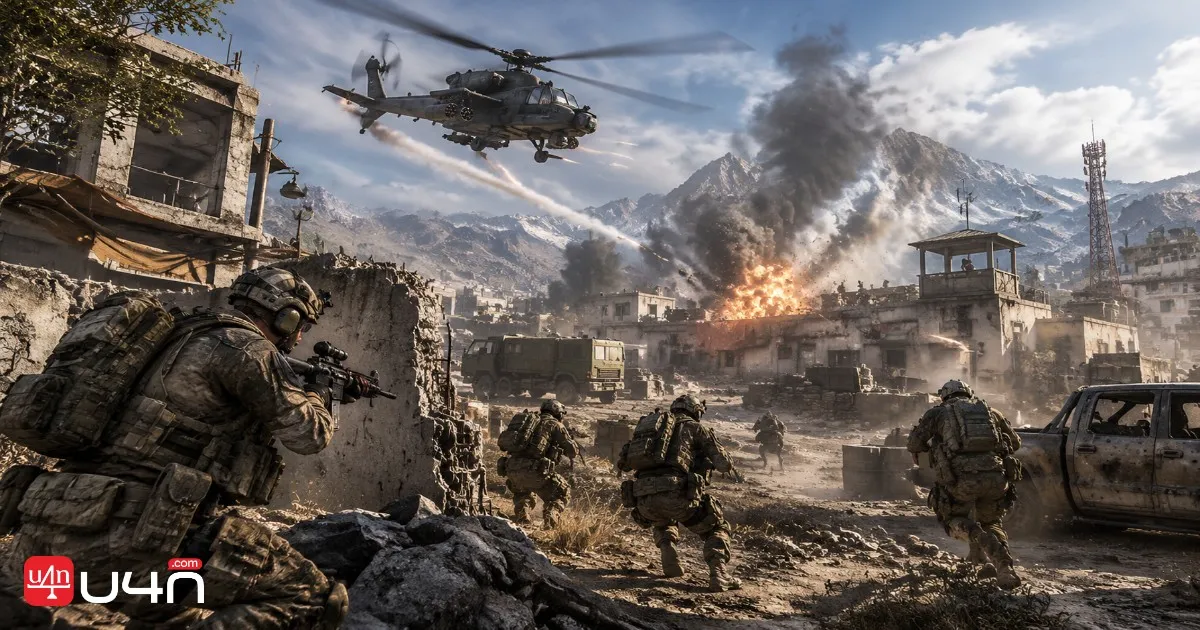
Attack Little Birds bring a particular challenge to WARDOGS because they can influence how infantry moves, defends positions, and approaches objectives. A skilled pilot can create pressure from above, but ground players should not be left without meaningful ways to respond. For players who also want to improve their overall progression and access to resources, understanding how battlefield roles work alongside options such as buying Wardogs Cash is part of the wider game experience.
From our team's perspective, the real question is not whether attack helicopters should be powerful. They should reward players who invest time in learning how to fly and fight effectively. The more important question is whether their advantages come with enough risks and whether infantry has practical opportunities to challenge them. A healthy balance needs to respect both sides of the encounter.
A healthy balance needs to respect both sides of the encounter. Skilled flying should create an advantage, but ground players should still have meaningful opportunities to respond.
Why Attack Little Birds Need Skilled Pilots
Flying an attack helicopter effectively involves much more than keeping the aircraft in the air. Pilots need to understand approach angles, target selection, movement, and the timing of each attack. They also have to recognize when a position is becoming dangerous and decide whether to continue applying pressure or withdraw.
In our experience with vehicle-based combat systems, the difference between an inexperienced pilot and a confident one often comes down to decision-making. A good pilot does not simply attack every visible target. They look for opportunities where their position, timing, and the team's objectives work together.
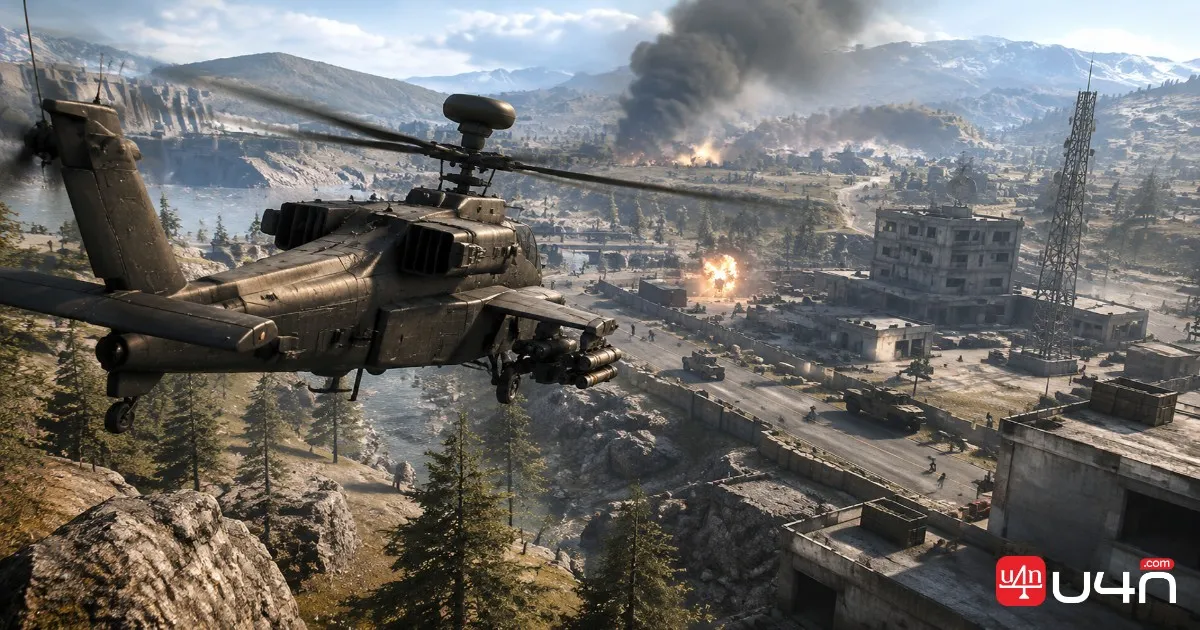
That skill should have a noticeable impact on the battlefield. An effective helicopter can support an infantry push, interrupt enemy movement, and make certain positions harder to defend.
However, strong performance should not mean unlimited freedom. If a pilot can repeatedly attack without facing meaningful defensive pressure, the difficulty of learning the vehicle stops being a convincing argument for its overall balance.
How Ground Players Can Counter Attack Little Birds
The most effective response to an attack helicopter is usually a combination of awareness, positioning, and teamwork. Trying to defeat the aircraft through individual reactions alone can leave infantry exposed and disconnected from the objective.
We recommend thinking about counterplay in several stages.
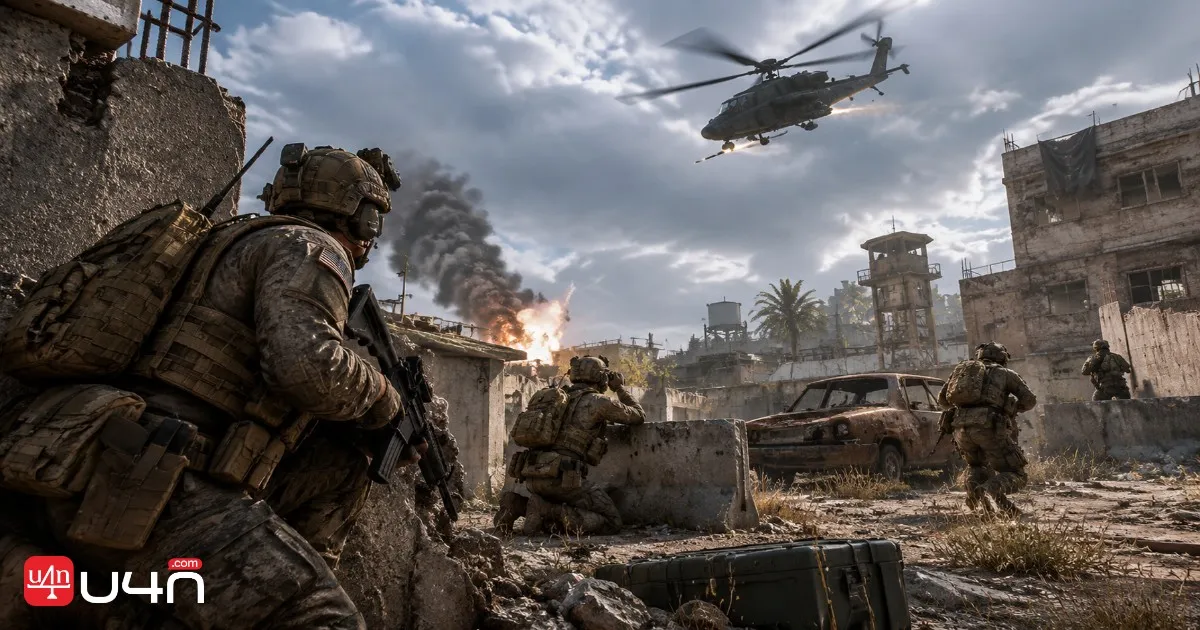
Use Cover and Avoid Predictable Positions
The first priority is reducing unnecessary exposure. When a helicopter is operating nearby, crossing open ground without a clear destination makes it easier for the pilot to maintain pressure.
Plan movement around available solid cover and identify the next protected position before leaving the current one. It is also important to understand the difference between concealment and protection. Vegetation might make a player harder to identify, but it should not automatically be treated as reliable protection against incoming fire.
Position changes matter just as much. Once the helicopter has identified a firing position, staying there for too long makes subsequent attacks easier to anticipate.
Communicate Before the Next Attack
A useful callout should provide more than a general warning that an aircraft is nearby. Teammates need information about its direction, approach, and the area it appears to be targeting.
This gives infantry time to adjust their positions, prepare suitable equipment, and avoid moving into an exposed area at the wrong moment.
Communication also prevents unnecessary duplication. Instead of several players independently reacting to the same threat, the team can organize its defensive response and maintain attention on the objective.
Coordinate Defensive Fire
Where suitable anti-air weapons or other aircraft-damaging equipment are available, coordinated fire can create more pressure than isolated attempts.
Players should avoid gathering in one exposed location simply because they want to engage the helicopter together. A better approach is to maintain useful spacing while choosing positions that provide a reasonable view of the aircraft's approach.
The objective is not always to destroy it immediately. Even forcing a pilot to change direction, interrupt an attack, or leave an area can create an opportunity for infantry to advance.
Turn Ground Defense Into Team Pressure
Countering an attack helicopter should not consume the entire team's attention. One of the biggest mistakes ground players can make is abandoning the objective to chase an aircraft across the map.
Instead, defensive actions should support the team's wider plan.
| Ground tactic | Main purpose | Tactical benefit |
|---|---|---|
| Use solid cover | Reduce exposure | Create safer movement opportunities |
| Change positions | Avoid predictable attacks | Make follow-up engagements harder |
| Share aircraft callouts | Improve awareness | Give teammates more reaction time |
| Coordinate defensive fire | Increase pressure | Discourage repeated attack runs |
| Maintain spacing | Avoid concentrated exposure | Reduce the value of a single attack |
| Continue objective pressure | Divide enemy attention | Create opportunities for infantry |
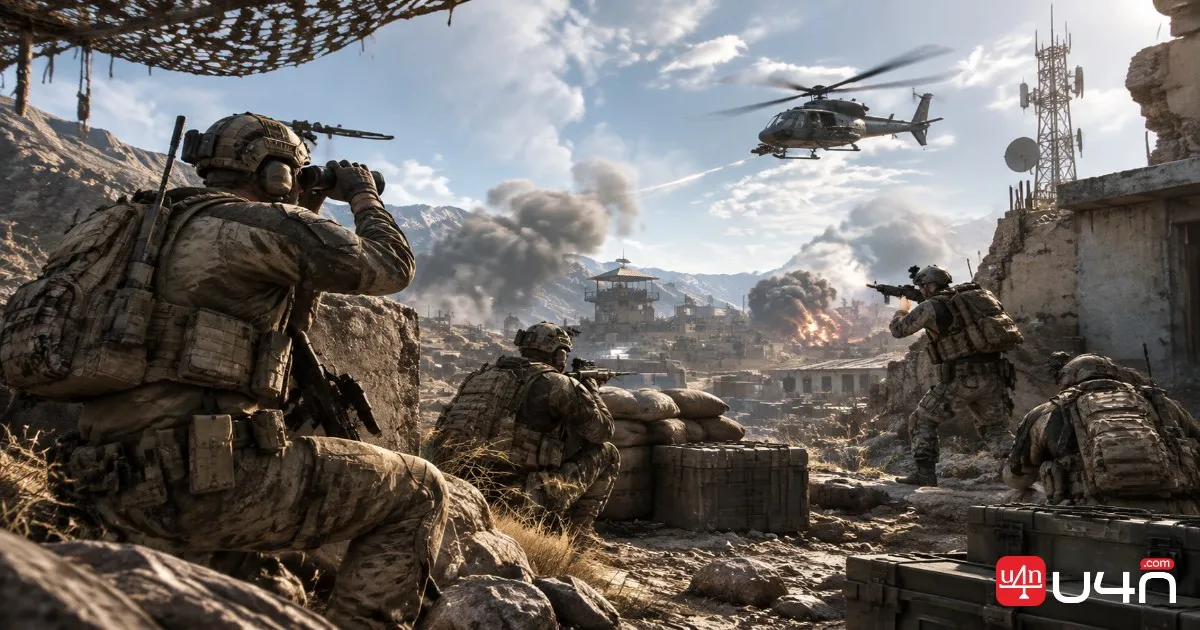
Timing is another important part of this process. A helicopter committed to an attack may have fewer immediate options than one observing the battlefield from a safer position.
Ground players should look for suitable engagement windows rather than firing as soon as they see the aircraft. Range, visibility, projectile travel time, and weapon requirements all influence whether an attempt is worthwhile.
Most importantly, defensive actions should lead somewhere. If the helicopter withdraws, infantry should use that opportunity to reposition, regroup, or continue advancing rather than remaining focused on the aircraft.
What Should Developers Consider for Balance?
When players complain that an attack helicopter is too strong, reducing its damage is an obvious suggestion. However, damage alone does not explain how much influence a vehicle has during a match.
Our team believes that a more useful balance review should examine several connected factors.
| Balance factor | Question worth examining |
|---|---|
| Attack frequency | Can the helicopter maintain pressure too consistently? |
| Exposure risk | Does attacking create meaningful opportunities for opponents to respond? |
| Defensive access | Do ground players have reasonable ways to challenge it? |
| Ammunition and repairs | Does sustained combat involve meaningful resource management? |
| Replacement cost | Is losing the aircraft a significant tactical setback? |
| Battlefield influence | How much does it affect objectives and infantry movement? |
These factors should be considered together rather than adjusted independently.
For example, a helicopter with strong offensive capabilities may still be manageable if attacking requires careful positioning and creates meaningful exposure. On the other hand, repeated attacks with little opportunity for retaliation could become frustrating even if individual damage values appear reasonable.
Developers should also consider whether players can understand the results of their defensive actions. Clear feedback about damage, threats, and engagement outcomes helps ground teams make better decisions.
Evaluate Different Pilots and Battlefield Situations
One match is rarely enough to determine whether an aircraft is balanced. A beginner who struggles to control a helicopter and an experienced pilot who consistently finds effective attack opportunities can create very different impressions of the same vehicle.
A more reliable assessment should consider performance across different skill levels, maps, and team compositions.
It is also important to look beyond direct kills. An attack helicopter may force infantry away from a position, delay an objective push, or draw several players away from other tasks. These effects can influence the match even when the aircraft does not eliminate many opponents.
This is why we would not judge the vehicle solely through its kill count. Its wider contribution to battlefield pressure is equally relevant.
Air Power Needs Ground Counterplay
Attack Little Birds should give skilled pilots a meaningful reason to improve their flying and combat decisions. Their ability to support teammates, disrupt enemy movement, and influence objectives is part of what makes vehicle combat interesting.
At the same time, ground players need more than the hope that the pilot will make a mistake. Cover, repositioning, communication, coordinated defensive fire, and objective-focused movement should all contribute to a credible response.
For players working on broader progression through WARDOGS, understanding these tactical differences can also make activities involving Wardogs Boosting more meaningful, since battlefield awareness and team coordination remain important parts of improving overall performance.
Ultimately, we believe the best balance is not achieved by making attack helicopters weak or giving infantry an effortless counter. It comes from creating encounters where good flying earns an advantage, but smart ground play can still change the outcome.
FAQ
Are Attack Little Birds supposed to be powerful in WARDOGS?
They should be effective in the hands of skilled pilots. However, their influence should come with appropriate risks and opportunities for ground players to respond.
What is the best way to counter an attack helicopter?
Start with solid cover and good positioning. Communicate its location, coordinate suitable defensive equipment, and avoid exposing multiple teammates to the same attack.
Should ground players focus entirely on destroying the helicopter?
Not necessarily. Forcing it to withdraw or interrupting its attack can create enough time for the team to advance or secure an objective. Staying focused on the match's main objectives is usually more valuable than chasing one aircraft.
Should developers reduce helicopter damage?
Damage adjustments may help, but they should not be the only consideration. Attack frequency, exposure risk, defensive equipment, resource costs, and overall battlefield influence also matter.