WARDOGS Season 3 has introduced an important equipment change for Scout players: the Infrared Rangefinder is no longer available in the shop. For players who depended on it to judge distances and prepare long-range engagements, this means more than simply changing one equipment slot. It also affects how they observe the battlefield, select targets, and decide when to engage. Players managing their overall progression and resources, including those looking to buy Wardogs Cash, should also consider how their equipment choices support their preferred role.
Our team believes the biggest mistake Scout players can make right now is searching for a direct replacement without reconsidering their playstyle. The rangefinder served a particular purpose, but effective reconnaissance has always depended on more than one tool. A better approach is to rebuild your loadout around your engagement distance, map conditions, and the support your squad actually needs.
How the Rangefinder Removal Changes Scout Gameplay
The Infrared Rangefinder's removal creates a noticeable adjustment for players who regularly participate in long-range engagements. Without their familiar distance reference, judging whether a target is within a comfortable shooting range may require more attention.
This can affect several aspects of a typical Scout engagement:
- Target assessment: Players need to be more careful when estimating distances before committing to a shot.
- Engagement timing: Taking a shot without understanding the situation can expose your position without producing much value.
- Position selection: Observation points become more important when players cannot rely on their previous equipment routine.
- Team coordination: Clear information about enemy locations can become more valuable than attempting every available shot.
However, this change does not automatically make Scout less effective. The class still has an important role in identifying threats and helping teammates understand what is happening around them.
From our perspective, players should treat this as a change in battlefield decision-making rather than simply a reduction in equipment options.
Rebuild Your Loadout Around Your Scout Role
There is no reason every Scout player should use exactly the same equipment configuration. Before choosing alternatives, think about what you contribute during a typical match.
The following table provides three practical directions for rebuilding your setup.
| Scout Playstyle | Equipment Priorities | Main Objective |
|---|---|---|
| Recon-focused Scout | Observation tools and equipment supporting safe positioning | Identify threats and share information |
| Long-range Scout | Equipment supporting shooting consistency and effective engagements | Maintain reliable ranged pressure |
| Mobile Scout | Flexible equipment supporting movement and repositioning | Follow squad movements and respond quickly |
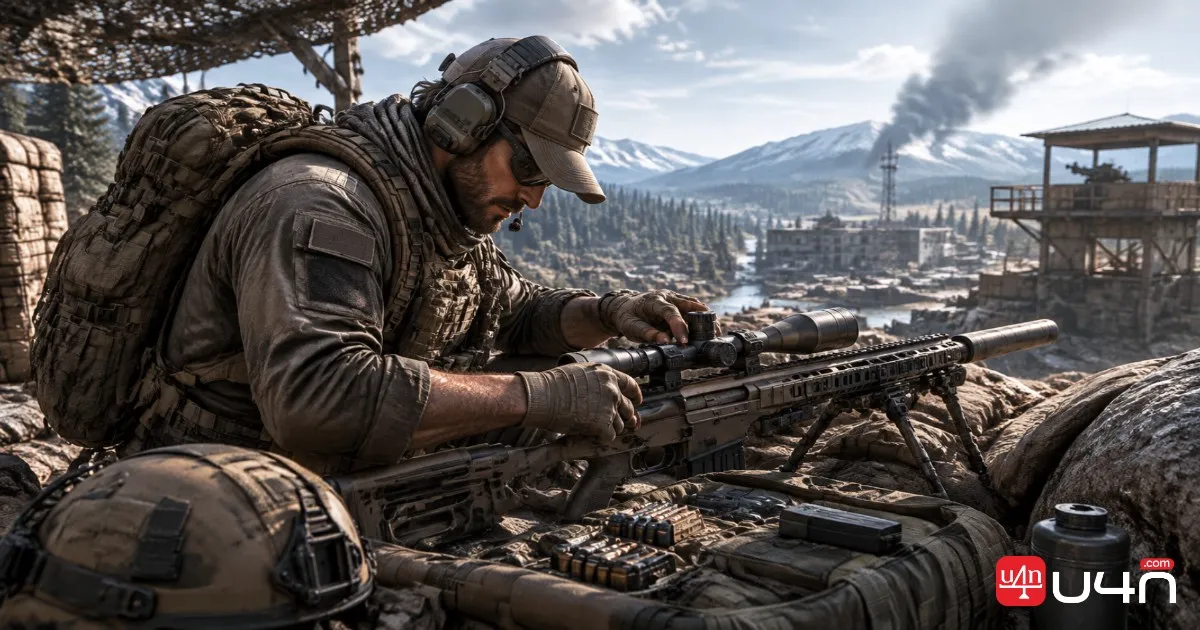
Recon-Focused Players
If your main responsibility is gathering information, prioritize equipment and positions that allow you to observe enemy movements without becoming an easy target.
You do not need to fire at every opponent you discover. Sometimes, identifying an enemy's direction and informing your squad is already a successful contribution.
Long-Range Players
Players who prefer engaging opponents from a distance should pay closer attention to shooting consistency and target assessment.
Rather than assuming another piece of equipment can reproduce the rangefinder's function, test your available options individually. Pay attention to how comfortably you can engage targets at your usual distances.
Mobile Players
If you regularly move alongside your squad, a specialized long-range setup may not always be the most practical choice.
Flexible equipment can make it easier to respond when teammates change positions or an engagement develops somewhere unexpected. Your objective should be to remain useful throughout the fight instead of relying on one particular observation position.
Adjust Your Equipment to the Map
One loadout rarely performs equally well across every WARDOGS map. This becomes especially important after losing equipment that previously supported your preferred engagement routine.
Open Environments
Open areas generally provide more opportunities to observe distant opponents. However, staying in one exposed position for too long can make you easier to locate.
For these situations, prioritize observation points with useful cover and clear escape routes. Avoid assuming that a longer shooting distance automatically makes a position safer.
Urban Environments
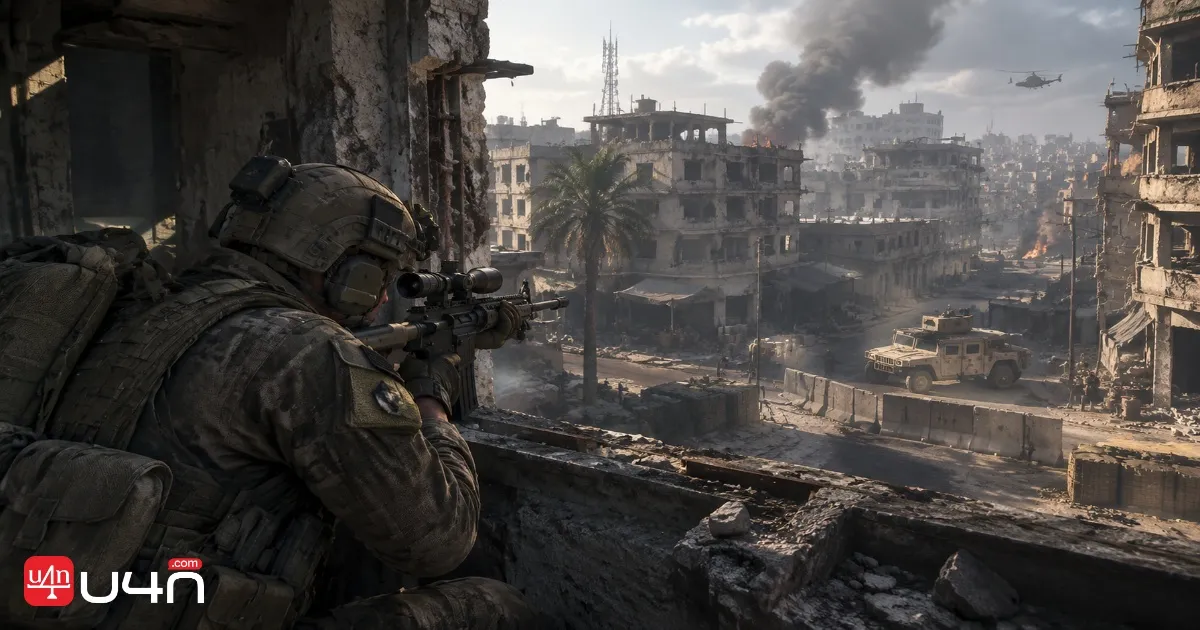
Buildings, narrow streets, and restricted sightlines change how Scout players should approach reconnaissance.
In these situations, mobility and awareness can become more useful than maintaining a specialized long-range position. You may need to move between observation points, monitor possible enemy routes, and communicate threats before they get too close.
Our recommendation is to prepare your equipment around the map's actual layout instead of forcing the same long-range strategy into every match.
Improve Positioning and Squad Communication
Equipment adjustments are only part of the solution. Scout players should also reconsider how they communicate and manage their positions during an engagement.
A common mistake is continuing to observe an area after enemies have already noticed your presence. Once your position becomes predictable, remaining there can put unnecessary pressure on both you and your teammates.
We recommend following a simple approach:
- Observe first: Identify enemy positions and movement before committing to an engagement.
- Communicate clearly: Share directions, nearby landmarks, and relevant movement information with teammates.
- Choose your engagement: Fire when the situation supports it rather than revealing your location without a clear reason.
- Reposition afterward: Consider changing positions once your observation point becomes compromised.
Good communication also means avoiding vague callouts. Telling teammates that an enemy is nearby is less useful than explaining where the opponent was spotted and which direction they were moving.
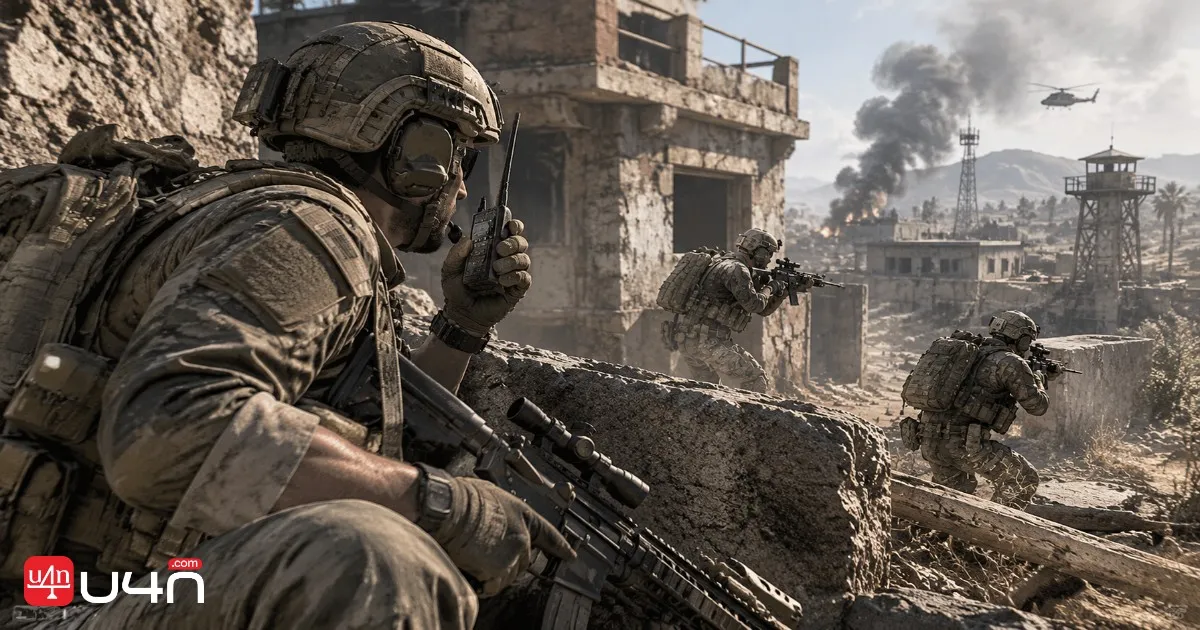
For experienced Scout players, knowing when to remain silent, when to report information, and when to move can be just as important as choosing equipment.
Test Your New Scout Setup Before Settling on It
A loadout that looks effective in theory may feel completely different during an actual match. We recommend testing adjustments across several matches before deciding whether your new configuration is an improvement.
Focus on these practical questions:
| What to Evaluate | What to Look For |
|---|---|
| Target identification | Can you recognize threats quickly and accurately? |
| Shooting consistency | Are your engagements effective at your usual distances? |
| Position security | How often are you exposed after firing? |
| Mobility | Can you relocate when the fight changes direction? |
| Team contribution | Does your setup provide useful information and support? |
It is also worth changing one equipment choice at a time. If you replace several things simultaneously, it becomes difficult to understand which adjustment actually improved your performance.
Keep track of the situations where your setup performs well and where it struggles. This will give you a more reliable foundation for future adjustments than simply copying another player's configuration.
Players who want to improve their overall match performance may also explore Wardogs Boosting as part of their broader progression plans, but developing consistent Scout positioning and decision-making should remain a priority.
Build a Scout Setup That Fits Your Playstyle
The removal of the Infrared Rangefinder from the WARDOGS Season 3 shop gives Scout players a reason to reconsider both their equipment and their approach to reconnaissance. However, it does not mean that one particular replacement will become the best choice for everyone.
Our team recommends focusing on three things: choosing equipment that supports your actual role, adapting your positioning to different map environments, and communicating useful information before taking unnecessary risks.
Most importantly, do not judge a new loadout after just one match. A reliable Scout setup should help you identify threats, support your squad, and reposition when the battlefield changes. Those abilities matter far more than simply filling the equipment slot left by the removed rangefinder.
FAQ
Is the Infrared Rangefinder still available in WARDOGS Season 3?
According to the update information covered in this article, the Infrared Rangefinder has been removed from the shop. Players who previously relied on it should reconsider their equipment choices.
What is the best replacement for the Infrared Rangefinder?
There is no confirmed universal replacement. The most suitable setup depends on whether you focus on reconnaissance, long-range engagements, or mobile squad support.
Should Scout players stop using long-range loadouts?
No. Long-range setups can still suit players who prefer distant engagements. However, they should pay more attention to target assessment, positioning, and shooting consistency.
Does the rangefinder removal make Scout less useful?
Not necessarily. Scout's value also comes from identifying threats, communicating enemy movements, and helping teammates make better decisions. Equipment changes may require adaptation, but they do not eliminate these responsibilities.