



WARDOGS Season 3 brings several important damage improvements to Designated Marksman Rifles (DMRs), giving players a good reason to reconsider their current weapon choices. The SVD, M14, BMR-308, and SKS all benefit from the changes, although their improvements against armored targets are not identical. For players managing their equipment and deciding whether to buy Wardogs Cash for their next loadout, understanding these differences can make weapon selection more straightforward.
The biggest change is the improved damage performance against unarmored targets, alongside better results against several armor levels. Rather than treating every DMR as equally powerful, our team will break down what changed, where each rifle benefits, and what players should pay attention to before switching weapons.
What Changed in the Season 3 DMR Update?
The Season 3 update focuses on making DMR damage more effective across several common combat situations.
Here is a breakdown of the documented changes:
| Target or Hit Location | Season 3 Adjustment |
|---|---|
| Unarmored body | All DMRs now require 2 shots instead of 3 |
| Unhelmeted head | All DMRs now require 1 headshot instead of 2 |
| Armored body: SVD, M14, BMR-308 | 1–2 fewer shots required across all armor levels |
| Armored body: SKS | 1 fewer shot against Level 2 and Level 4 armor |
| Level 3 helmet: SVD, M14, BMR-308 | 2 headshots instead of 3 |
| Neck | Increased damage, but still requires 2 shots |
| Arms and legs | No damage changes |
One important distinction is that improved damage does not mean every hit location has become equally effective. Arms and legs remain unchanged, while neck shots still require two hits. Players who rely on accurate upper-body shots should benefit more directly from these adjustments.
All four DMRs now require two body shots against unarmored targets, but their improvements against armored opponents are different. Understanding this distinction is more useful than treating every rifle as equally buffed.
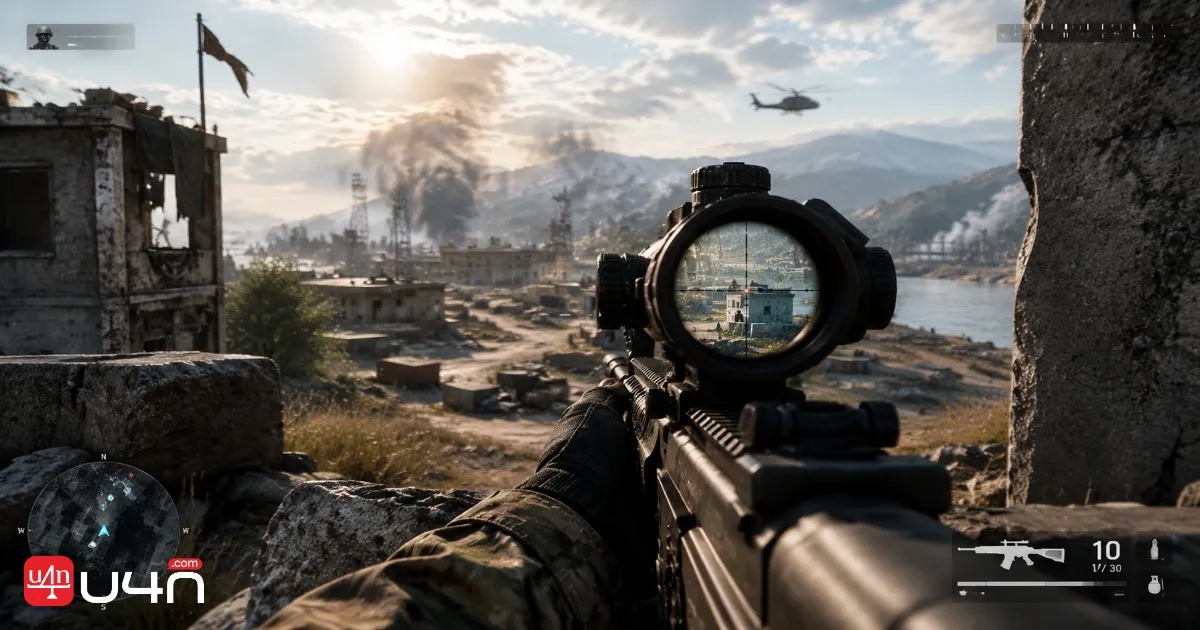
How the Four DMRs Differ After the Buffs
Although all four rifles receive improvements, the armor-related changes create different reasons to consider each weapon.
SVD
The SVD is worth revisiting if you regularly engage opponents wearing different armor levels. Its body damage improvements apply across every listed armor level, making the change relevant in a wider range of encounters.
We would start by checking how comfortably you can control its follow-up shots. Better damage thresholds are useful, but consistent accuracy remains important when facing armored opponents.
M14
The M14 receives the same broad armor-level improvement category as the SVD. This makes it another reasonable option for players who want to compare their previous DMR setup with the new Season 3 damage behavior.
Rather than assuming it performs identically to the SVD, test both rifles with the same target conditions. Their documented damage improvements overlap, but that alone does not establish which one is easier to use.
BMR-308
The BMR-308 also benefits from improved body damage against all armor levels. Its changes make it a relevant candidate for players who prefer a DMR-focused approach instead of relying entirely on other weapon categories.
Our recommendation is to pay particular attention to follow-up accuracy and how consistently you can maintain your preferred firing rhythm.
SKS
The SKS receives a narrower set of documented armor improvements, with one fewer shot required against Level 2 and Level 4 armor.
However, that does not make it an irrelevant choice. It also benefits from the shared improvements against unarmored bodies and unhelmeted heads.
Players who already feel comfortable with the SKS should test it again before spending resources on a completely different rifle.

Why Damage Thresholds Matter in Actual Combat
Damage improvements are most useful when they change how many accurate hits you need to secure an elimination.
For example, reducing the required shots against an unarmored target from three to two gives players more room to finish an engagement before the opponent can reposition or return fire.
The same principle applies to armored opponents, but the results depend on the specific rifle and armor level.
There are three things our team recommends paying attention to:
- Shot placement: Prioritize the body and head hit locations affected by the update rather than assuming every part of the target receives the same benefit.
- Follow-up accuracy: A theoretical two-shot kill only matters if you can consistently land both shots.
- Engagement distance: Test your rifle at different distances instead of assuming the same results across every encounter.
One common mistake when comparing DMRs is focusing entirely on damage while overlooking the difficulty of landing consecutive shots. A rifle that produces more reliable hits in your hands can be a better practical choice than one that looks stronger on paper.
How to Test Your DMR After the Update
Before changing your entire loadout, we recommend running a simple comparison. You do not need complicated calculations or a lengthy testing session to identify which rifle deserves more attention.
Use the following approach:
- Start with one rifle and keep its optic and ammunition setup consistent.
- Test against unarmored targets to check the updated two-shot body damage behavior.
- Repeat against targets wearing different armor levels.
- Compare controlled follow-up shots at two different engagement distances.
- Record your weapon configuration and observations before moving to another DMR.
Avoid changing several attachments or ammunition types during the same comparison. Otherwise, it becomes harder to determine whether the difference comes from the weapon itself or your modified setup.
We also recommend repeating each test rather than relying on one successful attempt. Consistency is a much more useful indicator when deciding which DMR belongs in your regular loadout.
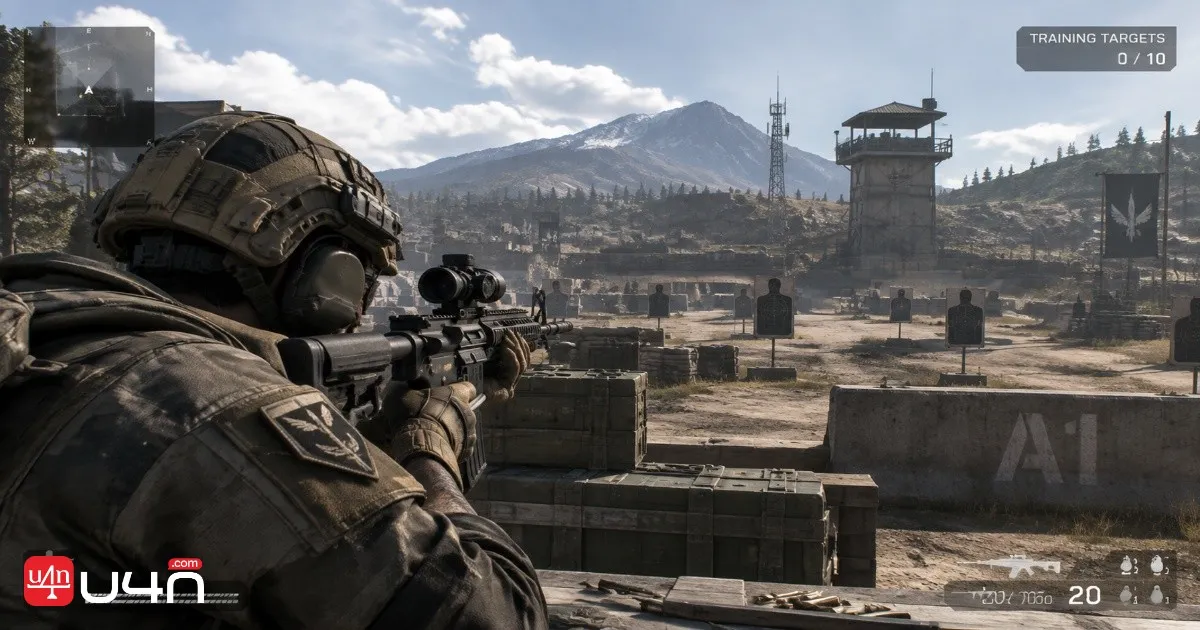
Should You Change Your DMR Loadout in Season 3?
For returning players, our recommendation is to revisit a familiar rifle before making a major equipment change. The SVD, M14, and BMR-308 all have documented improvements against armored targets across every armor level, while the SKS has its own advantages against specific armor categories.
For newer players, choosing a comfortable weapon is a sensible starting point. There is little reason to chase a particular rifle simply because its patch-note changes look impressive.
Players who are still developing their preferred setups can also consider whether their current equipment supports the way they approach combat. If you are building a new character setup or looking for a different starting point, comparing available Wardogs Accounts may also be relevant to your overall progression plans.
Ultimately, Season 3 gives DMR players more reasons to experiment, but it does not eliminate the importance of accuracy, positioning, and weapon familiarity.
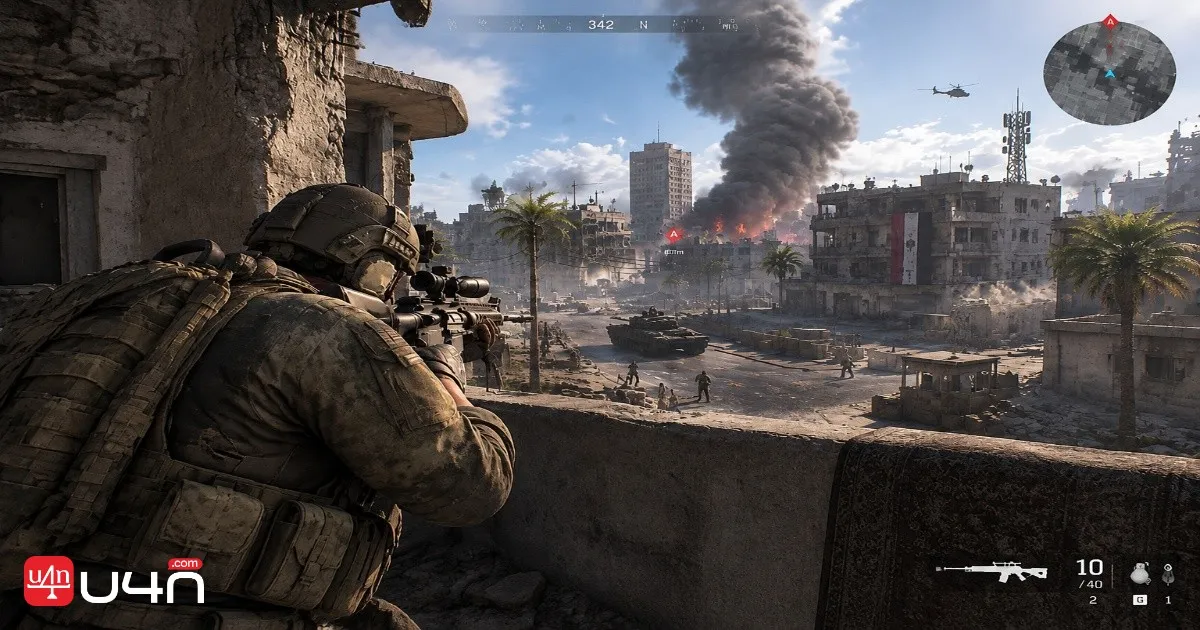
Which DMR Should You Revisit?
WARDOGS Season 3 makes DMRs more competitive by improving several important damage thresholds. The shared improvements against unarmored targets benefit all four rifles, while the broader armored-target improvements give the SVD, M14, and BMR-308 more documented changes to explore.
The SKS remains worth testing, particularly if you regularly encounter Level 2 and Level 4 armor.
Our team's advice is simple: do not choose a rifle based entirely on its patch notes. Compare its damage behavior, follow-up accuracy, and handling under consistent conditions. The most useful DMR is ultimately the one that helps you turn its improved damage potential into reliable hits.
FAQ
1. Which DMR received the biggest Season 3 buff?
The official changes do not establish an overall winner. The SVD, M14, and BMR-308 receive broader improvements against armored targets, while the SKS receives more specific armor-related improvements.
2. Can all DMRs now kill unarmored players with two body shots?
Yes. According to the Season 3 patch notes, all DMRs now require two body shots against unarmored targets instead of three.
3. Can all DMRs kill with one headshot?
All four DMRs can now eliminate an unhelmeted target with one headshot under the documented damage conditions. This should not be confused with headshots against helmeted opponents.
4. Is the SKS still worth using after the update?
Yes. Although its listed armored-body improvements are narrower than those of the SVD, M14, and BMR-308, it still benefits from the shared damage improvements against unarmored targets.
5. Should players replace their existing DMR loadout?
Not necessarily. We recommend testing your current rifle first and comparing it with the alternatives. A familiar weapon that delivers consistent hits may remain a better choice than switching immediately to another DMR.