


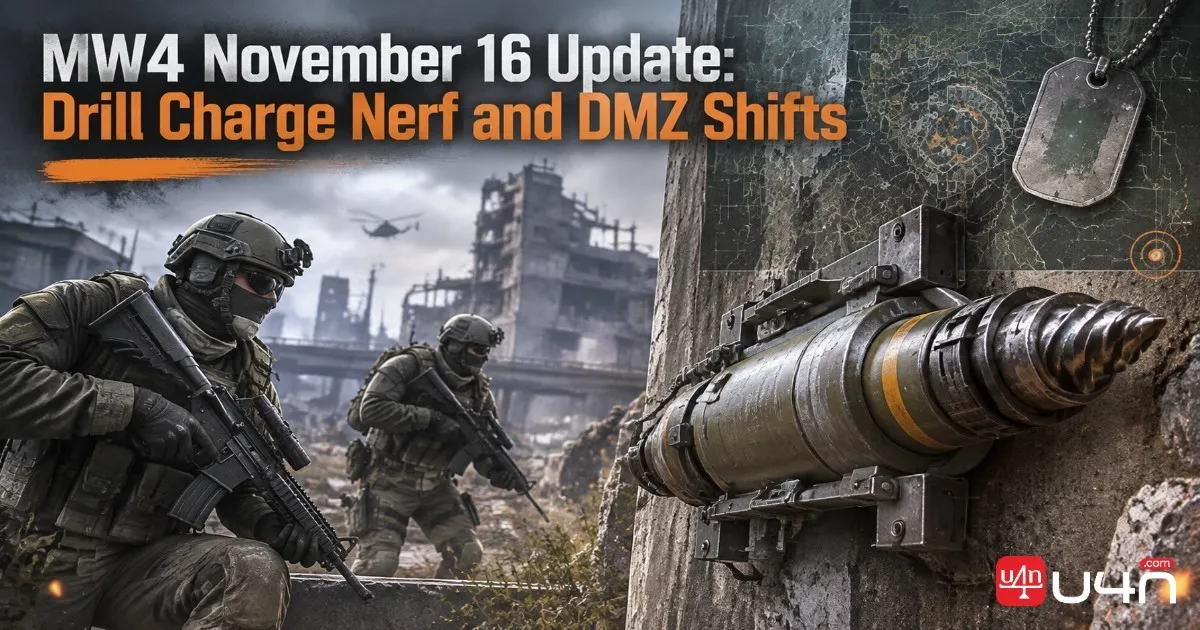
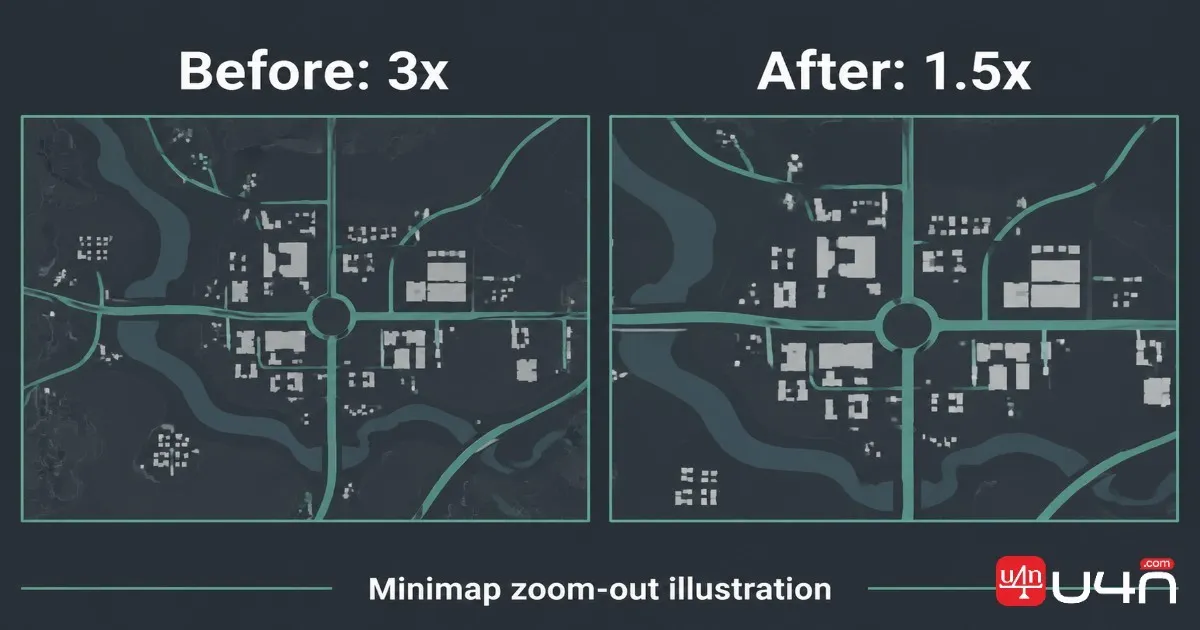
The Drill Charge deserves a closer look before we remove it from every class. In the November 16, 2026 update, Infinity Ward reduced its Multiplayer impact damage at range by 75%, leaving close range damage unchanged. In DMZ, Lieutenant Dog Tag cash rewards now go to all squad members, while UAV Upgrade Pro's minimap zoom-out effect dropped from 3x to 1.5x. Those are distinct changes: the notes do not describe a universal explosive damage reduction or a halved UAV detection radius.
Our team's approach is to review the decisions behind each slot. For players comparing progression routes or searching for MW4 Boosting, the immediate gameplay question is practical: does the equipment we bring still help us complete the next fight or objective? A familiar class can survive a balance patch, but the habits attached to it may need work.
We would start with deliberate Drill Charge placements, reassess which Lieutenant fights justify a detour, and spend less time treating a quiet minimap as permission to sprint. Our recommendations below are tactical interpretations of the update, rather than claims of measured post-patch win rates.
What the Drill Charge Nerf Means for Multiplayer
The phrase "75% damage nerf" invites an immediate reaction. We would slow down before turning that number into a blanket equipment ranking. The useful distinction is between a throw aimed at a specific position and one launched toward a distant fight with little information.
Our team would keep the Drill Charge under consideration for planned close engagements. Picture a defender holding an interior position while a teammate watches the exit. We would judge the equipment by whether it helps break that setup: does the defender move, does our entry player get a cleaner engagement, and can the second player cover the response?
That is a better review question than asking whether every throw produced a kill.
We would be more critical of speculative throws across open lanes. If our routine is to launch the charge toward a common position and wait, we should ask what happens when the target survives or simply leaves. Without a follow-up angle, we may spend the slot without improving the fight.
The patch wording also leaves unanswered questions. We would avoid publishing an exact new lethal distance, a complete damage curve, or a claim that every surface interaction has changed. None of those conclusions follows automatically from the headline percentage.
Our practical rule is simple: identify the position, choose the follow-up, then commit the equipment. If we cannot explain what the throw is supposed to accomplish, we would save it.
Should We Keep the Drill Charge or Change Equipment?
Our first recommendation is to review the role of the class. A player opening rooms has different needs from someone holding a long lane or rotating between objectives. Copying one replacement across every loadout would make that distinction disappear.
We would use the following framework when reviewing our classes:
| Situation | Our suggested decision | What we would evaluate |
|---|---|---|
| Planned close range breach | Keep the Drill Charge for comparison | Whether the throw creates a usable entry |
| Repeated speculative throws | Test another available lethal | Whether a deliberate placement produces more value |
| Objective defense | Choose equipment around the approach being covered | Whether it helps delay or punish a push |
| Long lane support | Prioritize a clear gunfight plan | Whether equipment use interrupts a stronger position |
| Coordinated squad entry | Assign equipment and follow-up separately | Whether teammates cover the defender's response |
These are testing priorities, not a new tier list. Our team would change one slot at a time and leave the rest of the class stable. Swapping the weapon, attachments, perks, and equipment together makes it difficult to identify what helped.
We would also track outcomes beyond equipment kills. Did the throw let us reach the point? Did it give a teammate room to reload? Did we expose ourselves while preparing it? Those questions produce more useful feedback than remembering one spectacular elimination.
For an aggressive class, we would rehearse the timing between the throw and the entry. Too much hesitation can waste the opening we hoped to create. Too little coordination can send the first player through before anyone is ready to trade.
For a defensive class, we would ask whether we are carrying the Drill Charge out of habit. If our actual task is covering an approach, we should select available equipment around that job and test it there.

We would resist changing everything after one bad match. A different opponent or an unfamiliar map route can distort the impression of a balance change. Keep the comparison narrow enough to learn something.
Lieutenant Dog Tag Rewards: Is the Detour Worth It?
Our response to the Lieutenant Dog Tag adjustment would be to reconsider shared objectives during route planning. A reward available across the squad gives us a clearer reason to discuss the fight together. It still leaves the question of what we must spend to get there.
We would make that decision before starting the engagement.
A Lieutenant near our intended route deserves a different assessment from one that requires crossing an exposed area, abandoning an active objective, or arriving short on supplies. The reward can be attractive while the route remains poor.
Our team would ask three questions: are we prepared for the initial fight, can we cover the collection, and where do we move afterward? If the answer to the third question is "we will work it out," we would pause the push.
Give Everyone a Job Before Collecting
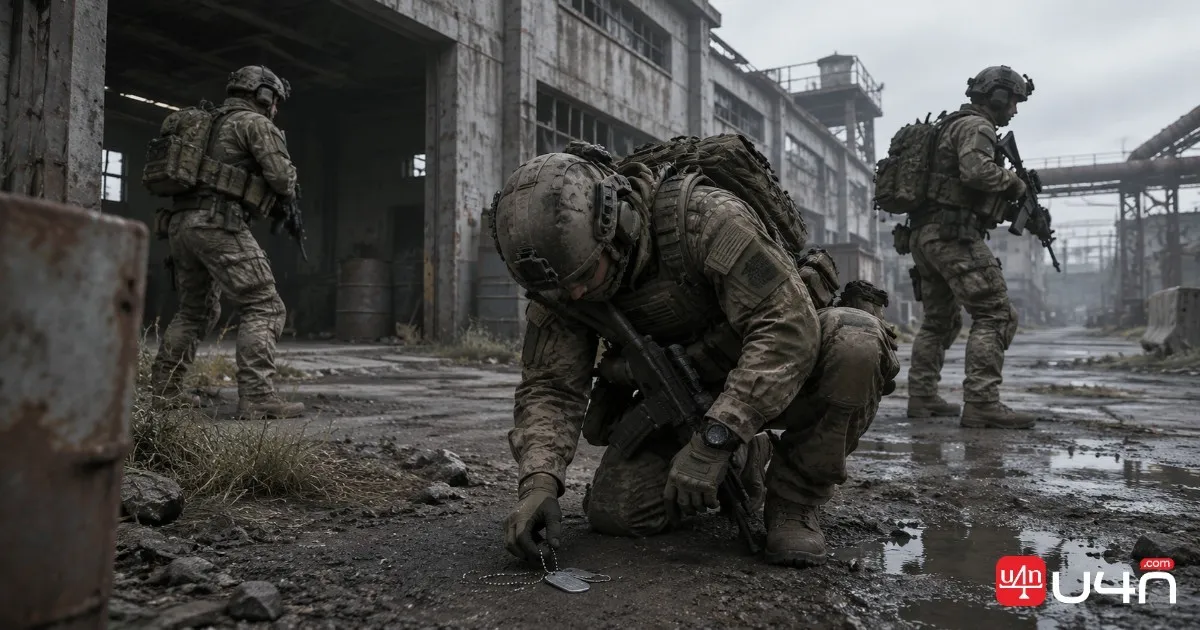
We would assign one player to handle the immediate interaction while the others cover likely approaches. There is little tactical value in having the whole squad look at the same piece of ground.
The covering players should have specific responsibilities. "Watch our back" is vague. "Hold the doorway we entered through" gives a teammate a position and a direction. We would keep those calls short enough to use during a fight.
Once the reward is secured, our preference would be to move to the next planned position before sorting out optional decisions. Standing around to debate the next destination leaves the squad reacting to whatever happens nearby.
Judge the Run by What It Costs
We would avoid calling Lieutenants the automatic answer to every cash problem. A useful route should be judged against the ammunition, armor, time, and recovery effort it consumes.
Our team would compare a successful run with an ordinary one, including the awkward attempts. If a route only looks efficient when every engagement goes perfectly, we would not recommend it as a reliable routine.
For a squad rebuilding after a loss, our preference would be a manageable objective with a clear exit. Chasing the most attractive reward while underprepared can turn a short recovery session into another rebuild.
UAV Upgrade Pro: How We Would Adjust Our Awareness
Our team would respond to the UAV Trait change by making map checks more deliberate. The immediate habit to review is how quickly we convert a glance at the minimap into a movement decision.
We would separate information into three categories: what we can currently observe, what teammates have reported, and what we are merely assuming. A route with no recent contact belongs in the third category until we have checked it.
That distinction matters when moving from cover into an open crossing. We would want a teammate watching the destination, a clear call about the last known contact, and a fallback position. "Nothing on my map" would be useful information, but insufficient permission for the entire squad to run forward.
Use Specific Callouts
Our preferred callouts include a position and an action. "One near the upper entrance, moving left" is easier to act on than "enemy over there." If the position is uncertain, we would say so.
We would also avoid repeating stale information as though it were current. A contact seen before a reload or a reposition should be described as a last known location. That small wording change helps prevent a teammate from aiming at yesterday's problem.
During a Lieutenant fight, we would give one covering player responsibility for periodically checking the wider situation. The player managing the immediate target already has enough to watch.
Rotate With an Exit in Mind
Before taking a route, our team would identify where we could stop if contact appeared. A wall, a doorway, or another defensible position gives the movement a purpose beyond simply reaching the next marker.
We would be especially cautious about sending everyone through the same exposed gap at once. A staggered move gives the squad a chance to observe and cover. It also makes a retreat call easier to communicate.
Our aim would be to make each map check answer a question: which approach are we checking, what information is missing, and what would make us change direction?
Loadout Reset Bug: What Can We Actually Do?
As of the November 16 patch notes, Infinity Ward was still investigating loadout resets. The developer identified reports involving Wager Matches, resets between matches, and resets between logins, with several bugs potentially involved. The same update also fixed a separate DMZ problem where an extracted Backpack Weapon could fail to equip on the next deployment after being assigned as a primary or secondary weapon. That specific fix should not be treated as confirmation that the broader reset problem was resolved. (callofduty.com)
Our advice is to reduce the effort of recovery while checking configurations before important matches. We would not present menu tricks, repeated restarts, or avoiding a single playlist as guaranteed prevention.
Screenshots are our preferred starting point. We would capture the weapon's attachment list and the complete class screen, making sure the names are readable. A stylish image of the weapon is less useful when we need to reconstruct the build quickly.
| What we would record | Why we would keep it |
|---|---|
| Weapon and attachment names | To rebuild the intended setup accurately |
| Lethal and tactical selections | To catch missing or changed equipment |
| Perks and Field Upgrade | To restore the class's intended role |
| Class name | To identify the correct reference quickly |
| Time, platform, and activity when a reset occurs | To make a bug report more precise |
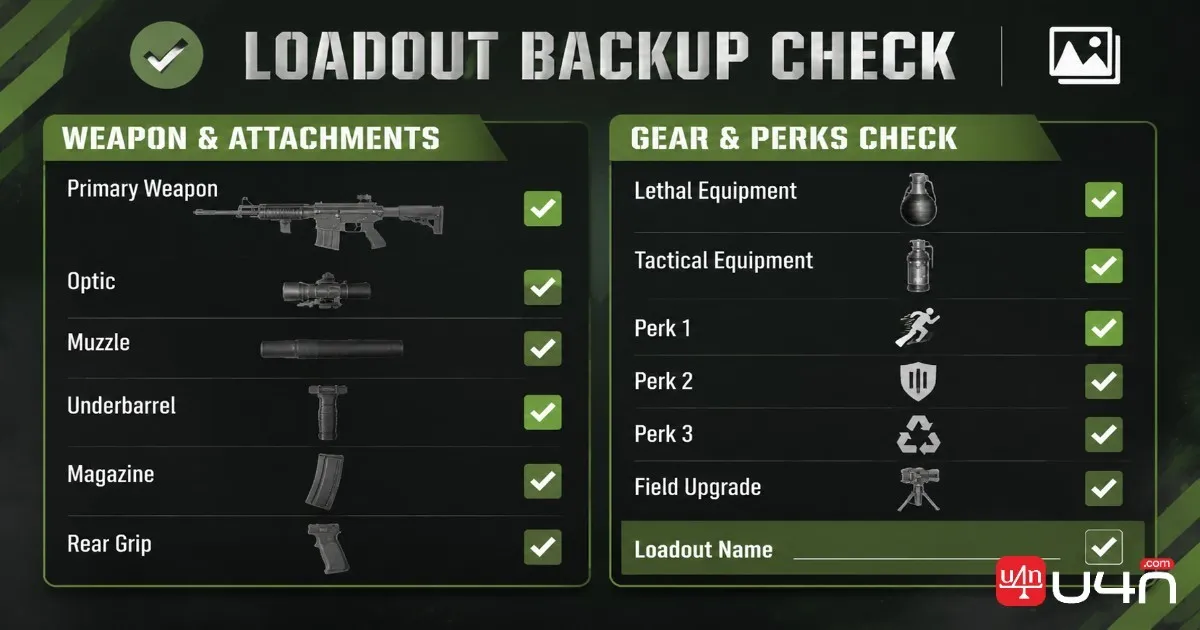
We would keep the reference somewhere accessible outside the game. A clearly named phone album or folder is enough. The goal is to shorten reconstruction, not create another maintenance task.
Before a match that matters, our team would open the class and verify the important slots individually. We would also keep one uncomplicated fallback build documented, so a reset does not force hurried decisions.
If the problem repeats, we would record what changed and when it happened. "Attachments disappeared after returning to the lobby" is more useful than "loadouts are broken." We would distinguish missing attachments from an entirely reset class or a weapon that failed to equip.
How We Would Approach Our Next Session
We would begin Multiplayer with one familiar class and one controlled equipment variation. The first gives us a reference; the second answers a specific question about the Drill Charge slot. We would keep the comparison focused on the positions we are trying to clear.
After each match, we would note one or two meaningful interactions. A successful entry, a wasted throw, or a teammate unable to follow provides enough material for the next adjustment. We would avoid rebuilding the class around the scoreboard alone.
For DMZ, our team would agree on the purpose of the run before deployment. If we are recovering resources, we would favor a route we can complete comfortably. If we are pursuing a Lieutenant, we would choose the approach and the next destination in advance.
We would also assign responsibility for route calls. Everyone can report information, but one agreed caller can turn those reports into a clear move or hold decision. That should reduce the familiar problem of one player looting, another advancing, and the third trying to cover both.
The same discipline applies to replacing lost gear. For readers who search "buy CoD MW4 DMZ Items" after an unsuccessful run, our team's recommendation is to identify what the next objective actually requires before making replacement decisions. A focused recovery plan is easier to evaluate than trying to recreate an entire lost inventory immediately.
Our priority after this update would be deliberate equipment use, selective Lieutenant engagements, and clearer movement calls. We would give every Drill Charge throw a follow-up, every detour an exit, and every map check a specific question to answer.
Before we queue, we would check the class against its saved reference. Before we commit to a DMZ fight, we would confirm who covers the collection and where we move next. Those are decisions we can make before the first shot.