Cart Empty
Continue ShoppingThe cover athlete for MLB The Show 20 is none other than Javier “El Mago” Báez, the electric shortstop for the Chicago Cubs at the time. Announced in October 2019, Báez was chosen to grace the cover for his thrilling style of play, which includes dazzling defensive skills and powerful hitting. He was featured on the standard edition of the game, which officially launched on March 17, 2020, for the PlayStation 4.
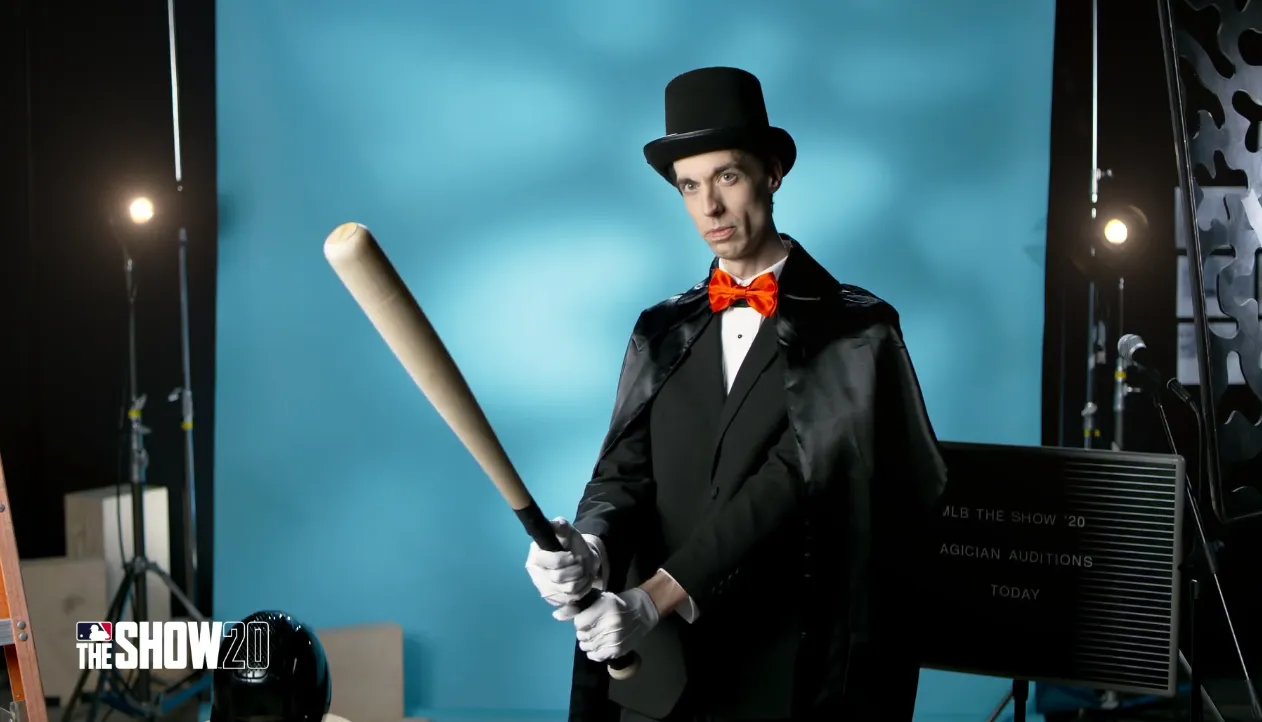
Javier Báez, known by his nickname "El Mago" (The Magician), was a perfect choice for the cover. His spectacular defensive plays, like his quick tags and jaw-dropping fielding, made him a fan favorite. Plus, his offensive abilities, including his power-hitting, set him apart as one of the most dynamic players in Major League Baseball at the time. Báez had an amazing 2018-2019 stretch, earning back-to-back All-Star selections and winning a Silver Slugger Award. His combination of flashy defense and clutch hitting made him an ideal representative of the game.
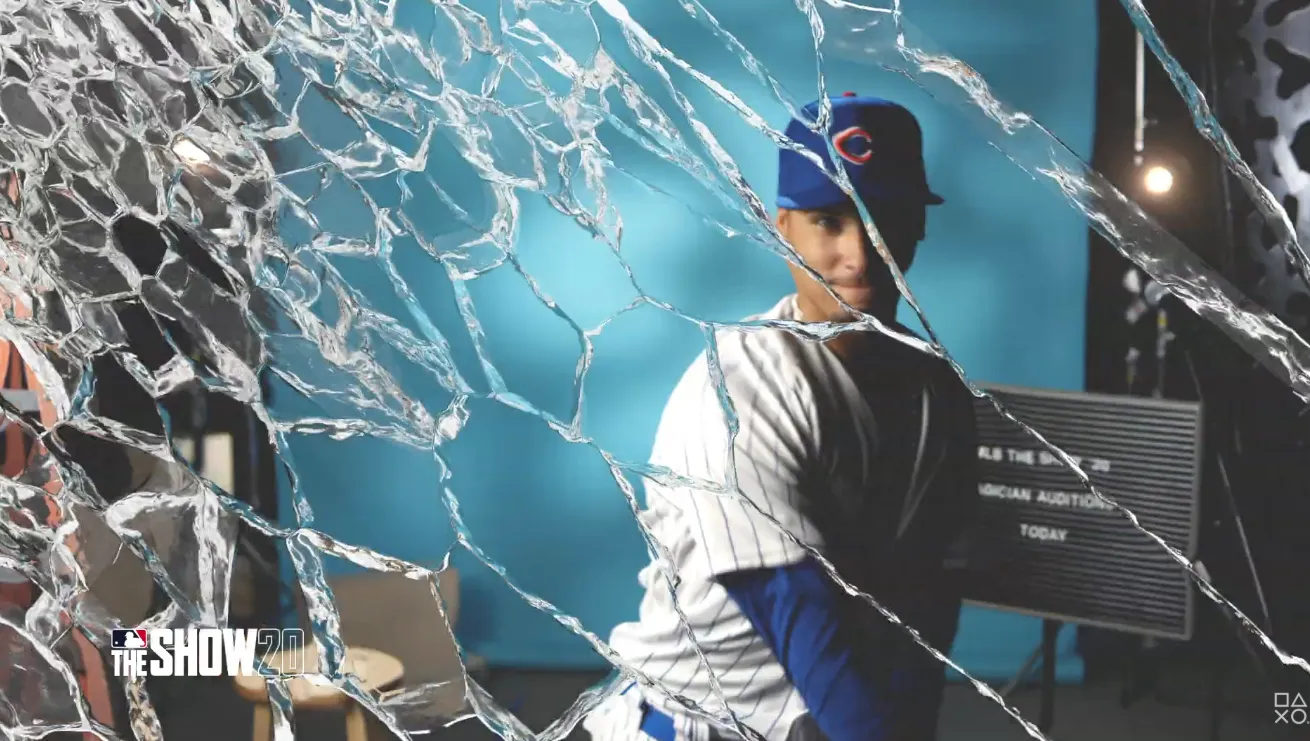
The reveal of Báez as the cover athlete happened on October 21, 2019. San Diego Studio and Sony Interactive Entertainment made the announcement, which got fans excited about the game's release. While fans were thrilled about Báez, the 2020 season, which was affected by the pandemic, turned out to be a tough one for him. Some fans even joked about the "cover curse", a superstition that athletes on game covers often experience a slump the following season.
Despite the challenges Báez faced during that season, his presence on the cover cemented his place as one of the most exciting stars of the decade. He followed Bryce Harper (the cover athlete for MLB The Show 19) and was succeeded by Fernando Tatis Jr. in 2021.
One of the standout features in MLB The Show 20 was Perfect-Perfect Hitting. This new mechanic rewarded players for perfect timing and accuracy when making contact with the ball. When players squared up the ball just right, it boosted the exit velocity and hit probability, leading to more solid contact and powerful hits. This addition made hitting feel more rewarding, especially for those who took the time to master their timing.
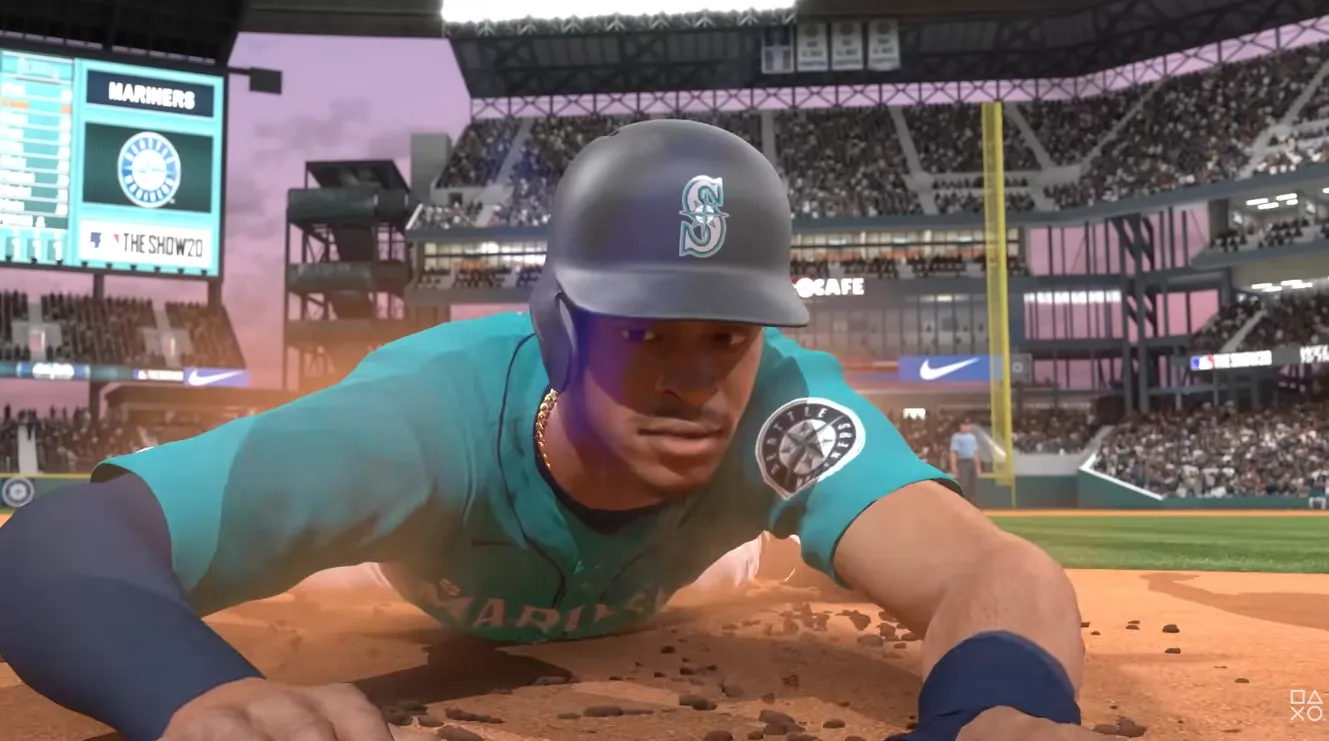
The fielding mechanics also received a major upgrade with Extreme Outfield Fielding. This feature improved the way elite outfielders tracked fly balls and reacted to them. Players with high fielding attributes, like Javier Báez, could now demonstrate better first-step reactions, making it easier to track and catch even the most difficult of fly balls. This new system brought a more realistic feel to the game, highlighting the skills of elite defenders.
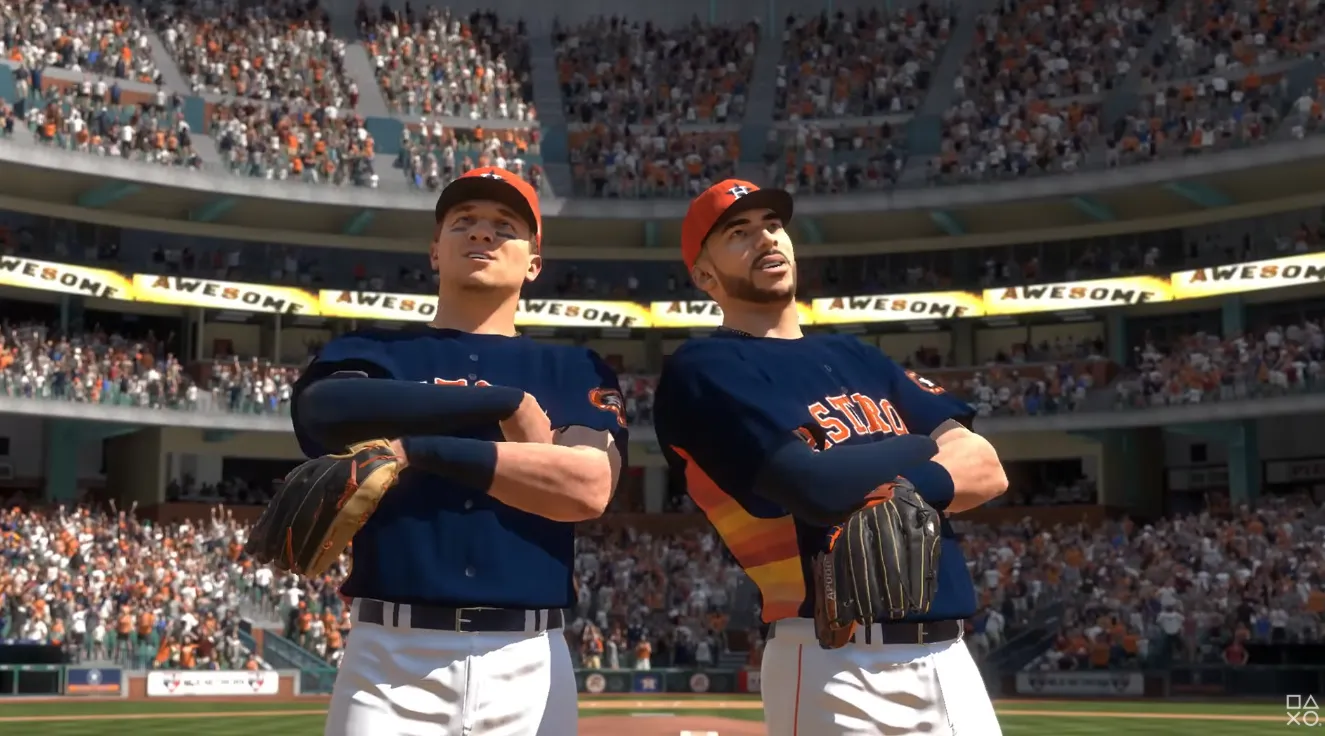
For the first time ever, MLB The Show 20 included fully licensed Minor League Baseball (MiLB) players. These players had their real names, faces, and likenesses included in the game, bringing the Minor League experience to life. Fans could now play with teams and players from across the full spectrum of baseball, not just the Major League teams. This was a huge addition for those looking to experience the full depth of the baseball world.
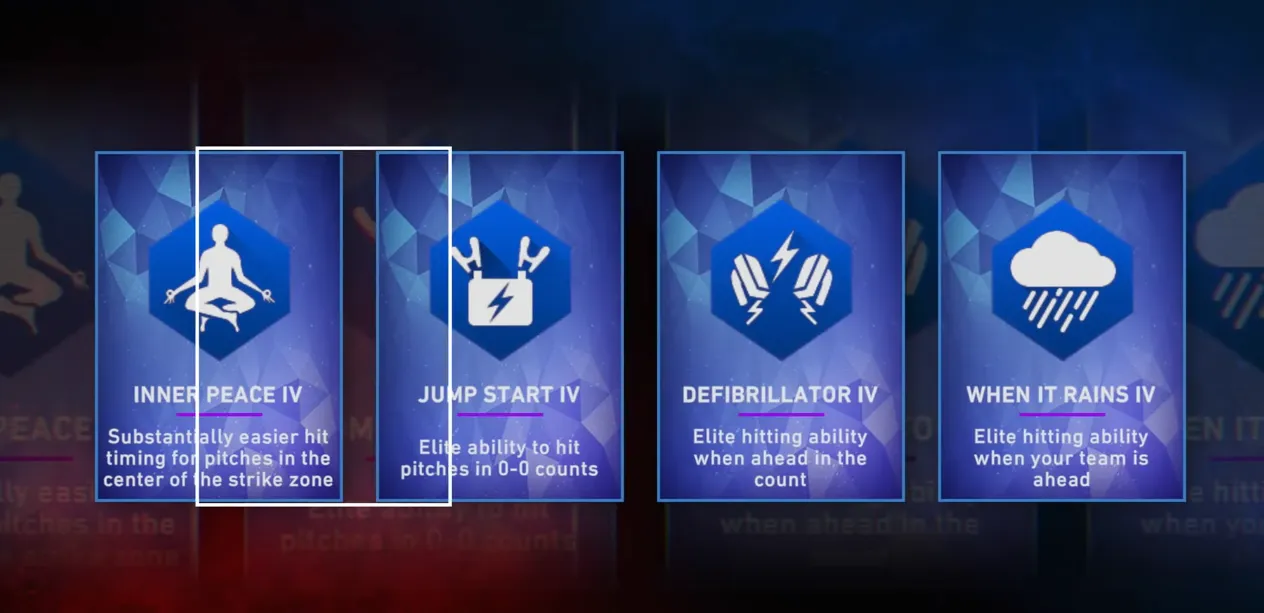
The Plate Coverage Indicator (PCI), which is used to track where the player is aiming the bat during their swing, became highly customizable in MLB The Show 20. Players could change its shape, size, color, and transparency, allowing them to personalize their hitting experience. This customization gave players more control over how they approached hitting, tailoring the visual elements to suit their preferences.
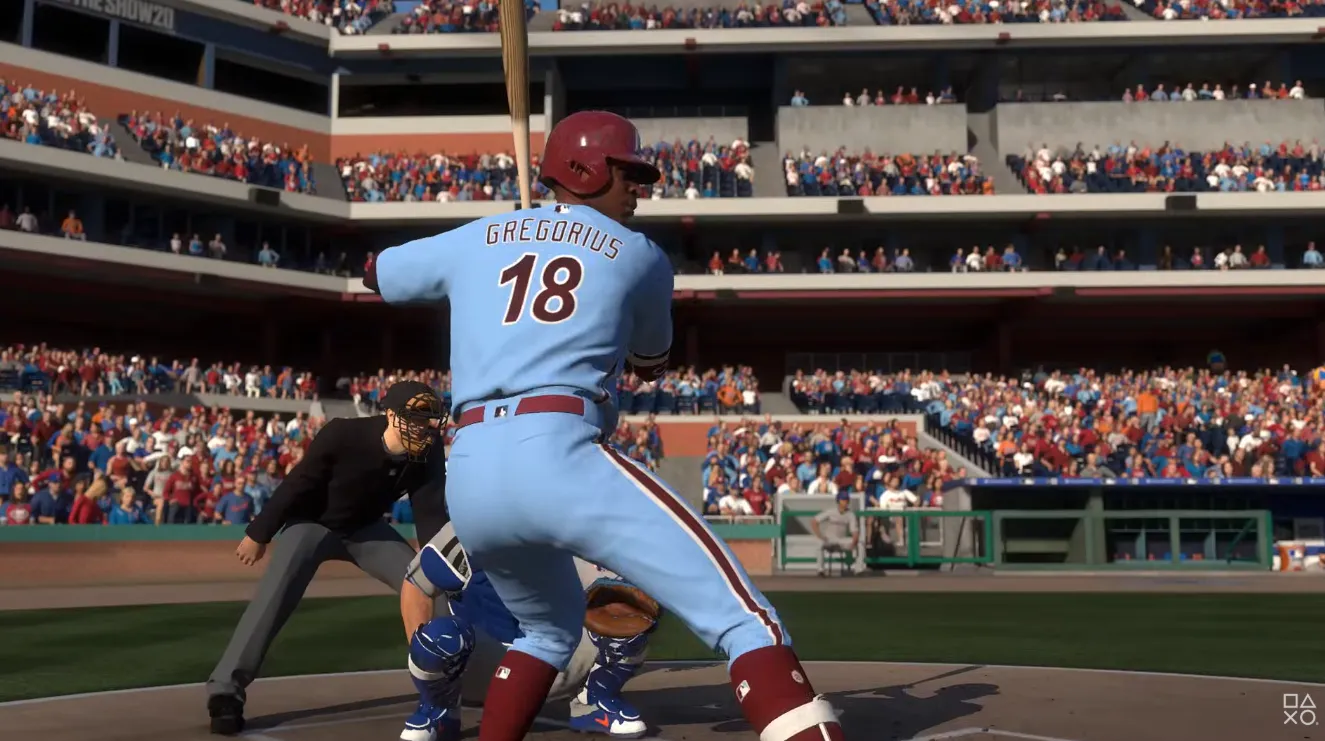
In MLB The Show 20, the developers implemented real-life MLB rule changes from the 2020 season. For example, the three-batter minimum rule for pitchers was added, requiring pitchers to face at least three batters before being substituted. Additionally, the game updated its rosters to reflect the expanded 26-man roster rule. These changes added a layer of authenticity to the gameplay, making it feel even more connected to the real world of baseball.
A brand-new game mode introduced in MLB The Show 20 was Showdown, which was part of the Diamond Dynasty mode. In this high-stakes mode, players drafted a squad of cards and completed a series of challenges to earn rewards. The final goal was to face off against a “final boss” pitcher, who was one of the top players in the game. Showdown provided a more competitive, challenge-based experience that kept players on their toes while offering exciting rewards for those who completed it.
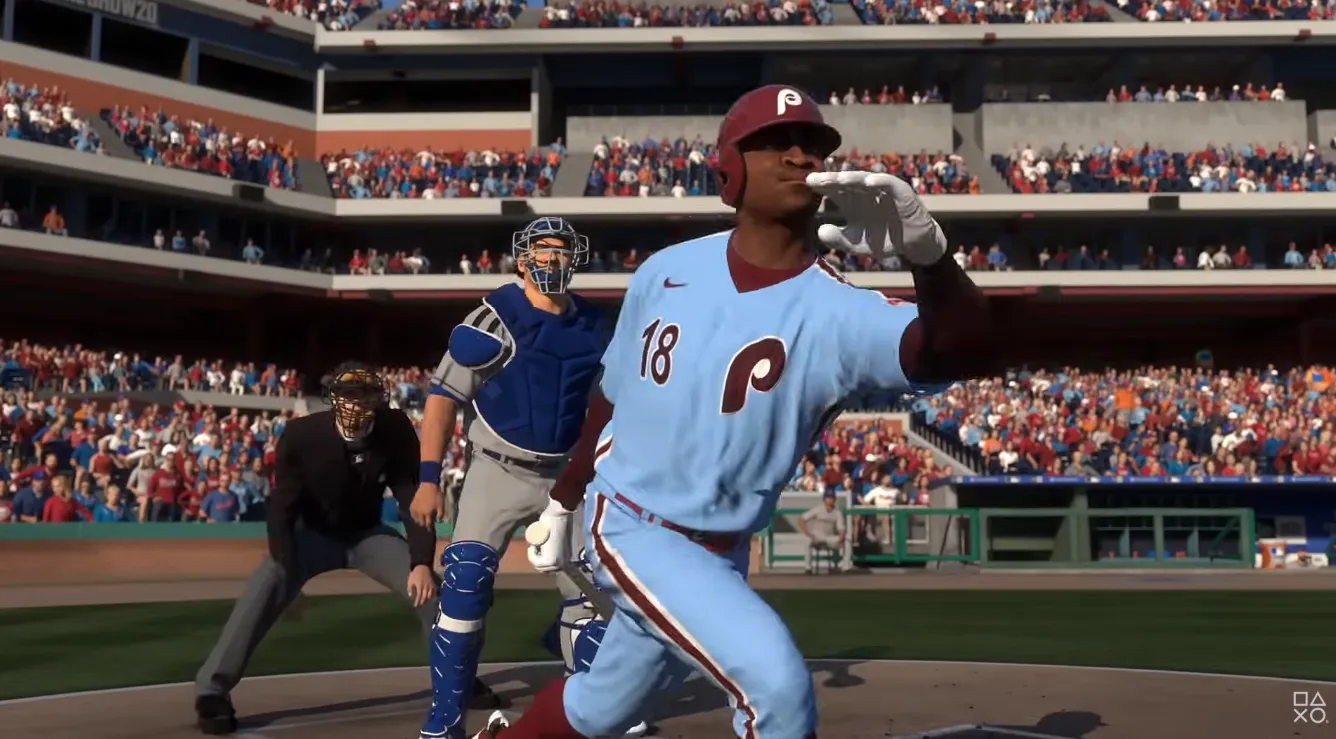
Another new addition was Custom Leagues, which allowed players to create their own online leagues. Players could fully customize the rules, rosters, and even the playoff format for their leagues. This was a great feature for those who wanted to create a unique online baseball experience with friends or other players. It gave fans a way to build and manage their own baseball league, complete with all the control and flexibility they desired.
Franchise Mode in MLB The Show 20 saw significant improvements, including options for team rebranding and team relocation. Players could now completely rebrand a team with custom logos, jerseys, and team names, or even relocate the team to a new city. The introduction of a logo editor was particularly noteworthy, as it allowed players to design their own logos and create a team identity from scratch. This made Franchise Mode feel more personalized and gave players the ability to shape the league the way they saw fit.
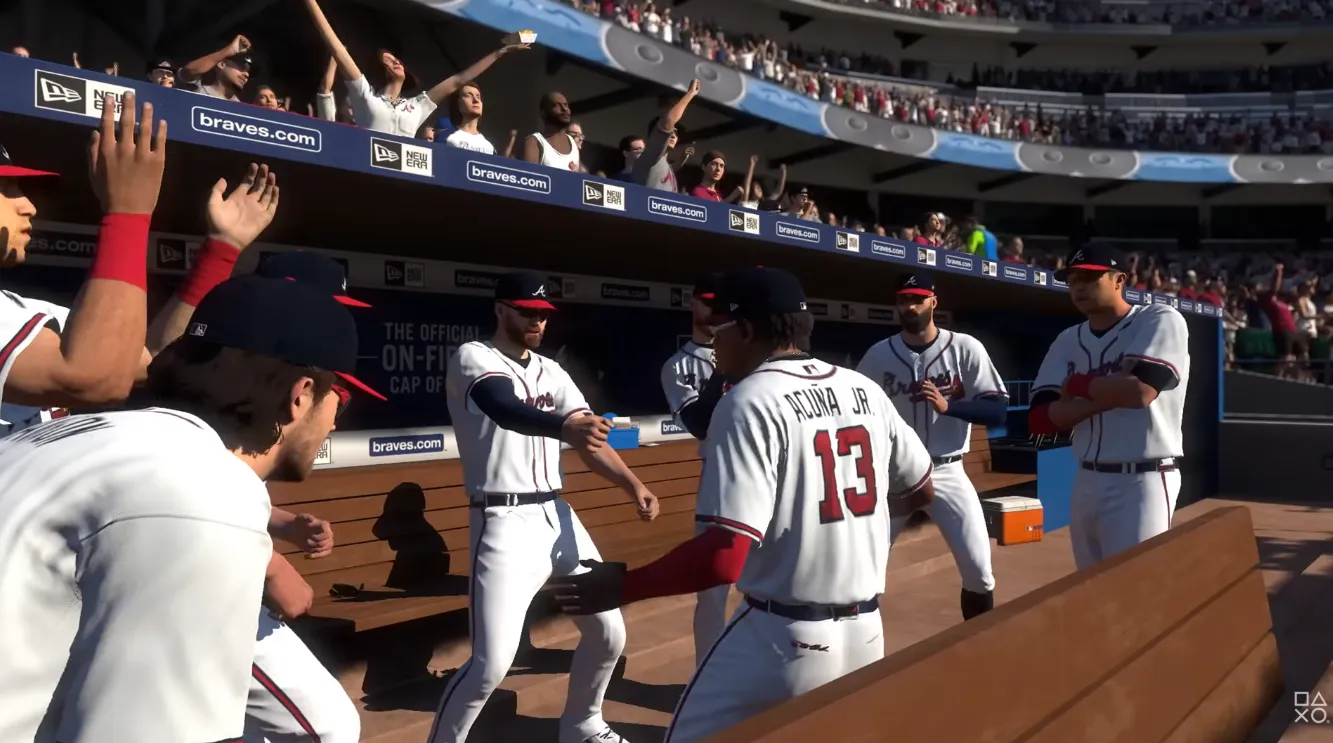
In Road to the Show (RTTS), the career mode was given a more dynamic feel. Players could now develop their character with personality traits and relationships that impacted performance on the field. For example, how you interacted with teammates and coaches could affect your development as a player, making the career mode feel more immersive and unique. This added another layer of depth to an already popular mode, allowing players to make decisions that impacted their player's journey to the majors.
Diamond Dynasty, the card-collecting mode, also received some exciting updates. The introduction of the Prestige tier allowed players to level up their diamond-tier players, earning even more rewards as they played. Additionally, the variety of ways to earn rewards in Diamond Dynasty was expanded, making it more accessible and enjoyable for players who loved collecting cards and building their perfect team. Whether through missions, packs, or special events, Diamond Dynasty kept players engaged with its constantly evolving challenges.
MLB The Show 20 was generally well-received, earning a Metacritic score of 87/100, which falls into the "Generally Favorable" range. Critics praised the game for its refined hitting and fielding mechanics, which felt more fluid and responsive than ever before. The inclusion of fully licensed MiLB players was also a major plus for fans of Minor League Baseball.
However, some critics felt that MLB The Show 20 was more of a minor iteration rather than a major overhaul. While there were many great new features, the game didn't feel like a complete reinvention of the series. There were also a few technical issues at launch that hindered the experience for some players, although these were generally patched in the months following release.
The U4N Editorial Team is made up of dedicated gamers and technical experts. We're not just a trusted marketplace for game assets—we're all about empowering players with top-tier, expert-driven content. Our team produces in-depth guides, strategies, and technical fixes for some of the biggest games out there, like MLB The Show 26, Aion 2, Forza Horizon 6, Arc Raiders, and Path of Exile.
Whether it's mastering market flipping in Diamond Dynasty or optimizing your endgame builds, all of our strategies are tested and proven by in-house experts. At U4N, we don't just follow the meta—we help you stay ahead of it.