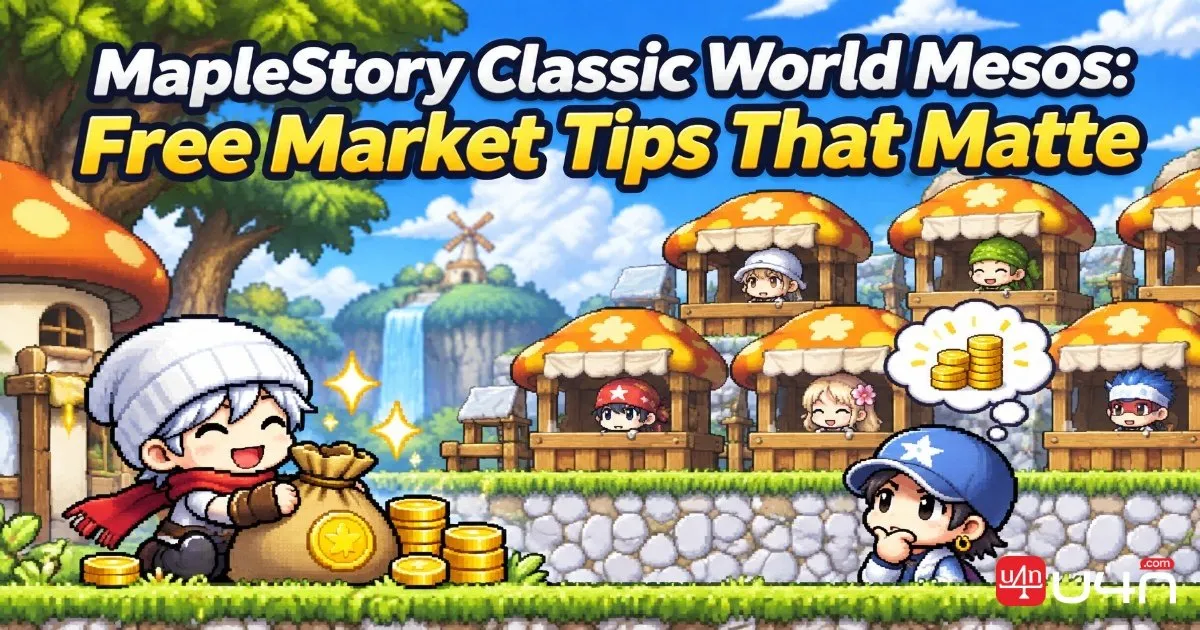
MapleStory Classic World has an economy that rewards more than time spent grinding. Players who understand supply, demand, item value, and market timing can make meaningful progress through trading as well as combat. In a recent Meso Talk discussion, experienced players ProfessorXMaple and xBuccaneer shared how they approach the Free Market, identify potential investments, and avoid common trading mistakes. Their advice offers a useful starting point for anyone trying to understand MapleStory Classic World Mesos and the decisions behind a healthy in-game economy.
The main lesson is straightforward: successful trading is not about predicting every price increase. It is about observing the market, understanding why an item is valuable, and knowing when an investment has become too risky. The speakers also discussed how upcoming content, NX trading, botting, and real-money trading (RMT) can influence prices. These topics matter because even a good trading strategy can fail when the wider economy changes.
Successful trading is not about predicting every price increase. It is about observing the market, understanding why an item is valuable, and knowing when an investment has become too risky.
Learn the Market Before You Start Merching
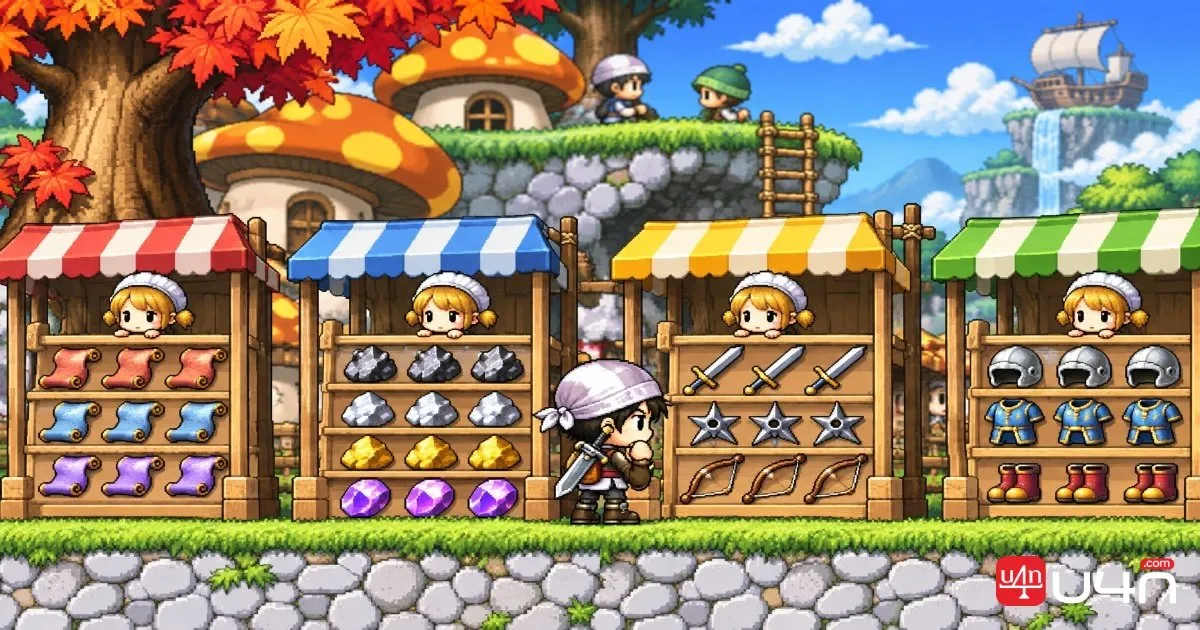
One of the clearest points from the discussion was the value of spending time in the Free Market. Xbuccaneer explained that he regularly checks individual shops instead of relying entirely on market-tracking websites. Browsing listings manually gives him a better sense of what players are actually selling and how prices vary between shops.
This approach is useful because a listed price does not necessarily represent an item's realistic value. A seller can ask for almost any amount, but that does not mean another player will pay it. We recommend looking for patterns across multiple shops and checking whether similar items are being listed repeatedly.
A practical market routine can include:
- Compare prices for the same item across several shops.
- Look for listings that appear noticeably cheaper than comparable offers.
- Check whether an item has a clear use in character progression.
- Watch how prices change as more players reach the relevant level range.
- Avoid treating a high asking price as proof of strong demand.
The speakers also described merching as a way to enjoy the game beyond leveling. Rather than spending every session training, players can divide their time between combat and market research. That makes trading a separate activity with its own learning curve.
Watch Updates Before Investing in Items
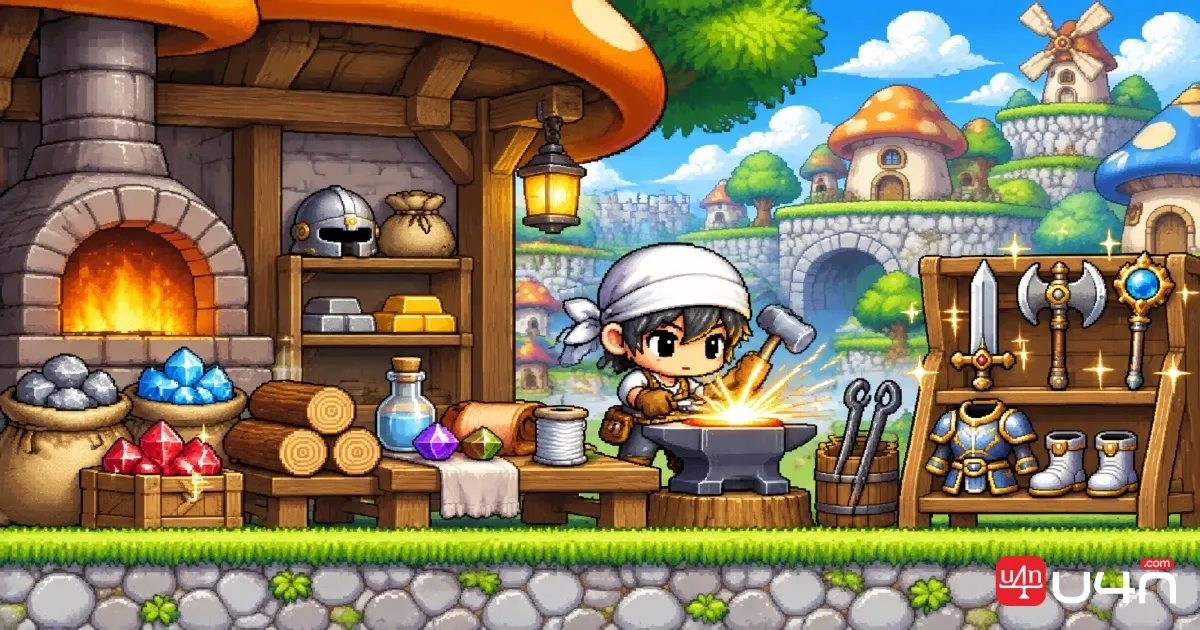
Upcoming content can create opportunities, but it can also make existing investments lose value. During the discussion, the players considered whether the anticipated November 18 update might introduce higher Crafting levels. They connected this possibility to materials and equipment that could become more useful if additional crafting recipes became available.
The important distinction is that this was a market prediction discussed by the speakers, not confirmation that every expected recipe or item would be added. Players should verify official update details before committing a large amount of Mesos to speculative materials.
The same principle applies to new maps and equipment. When a new area arrives, players may rush to obtain its drops, creating strong early demand. Prices can be high during the first few days, but they may settle as more players farm the content and supply increases.
| Market factor | Possible effect | What players should watch |
|---|---|---|
| New Crafting recipes | More demand for specific materials | Confirmed recipes and required ingredients |
| New equipment | Early demand for useful drops | Item availability and replacement options |
| New farming areas | More items entering circulation | Drop frequency and player activity |
| Party quests | Potential new sources of rewards | Reward pools and repeatability |
We should also consider the opposite outcome. If an update introduces a new source for an item that was previously difficult to obtain, its market value may fall. A material or scroll that looks like a safe investment today may become much more common after a content release.
Choose Merching Targets With a Clear Reason
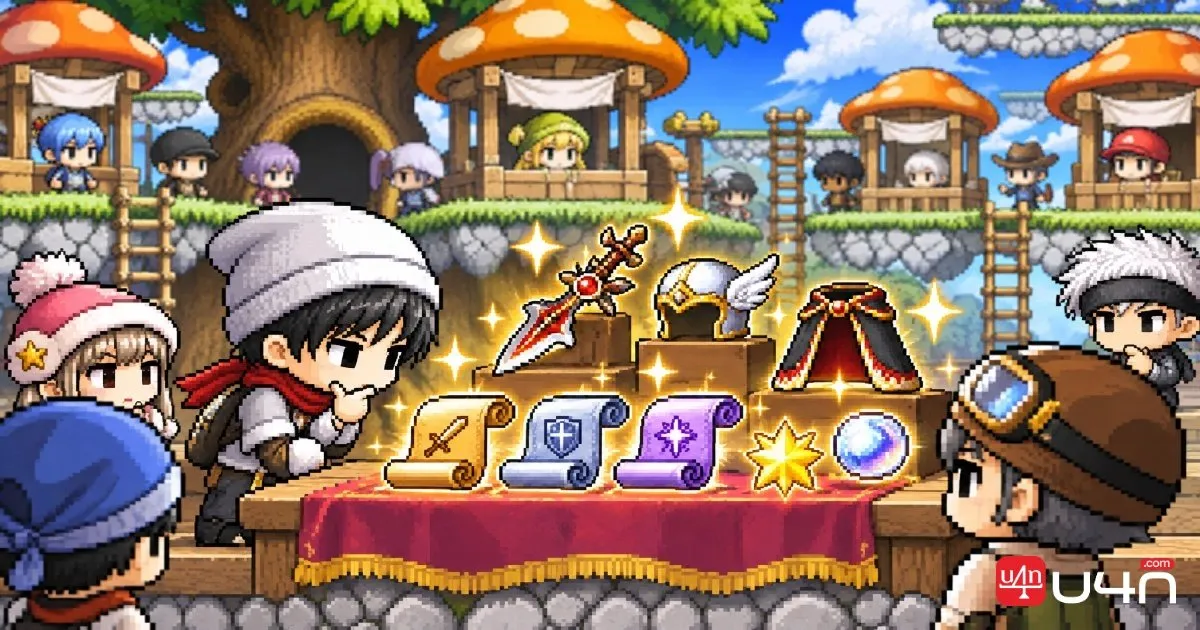
The interview offered two useful examples of how traders identify opportunities. One player described focusing on scrolls because their consistent appearance makes them easy to spot while browsing shops. Another shared a successful Claw Attack Scroll purchase, buying one for 180K Mesos and selling it for 500K three days later.
That transaction illustrates the potential of merching, but it should not be treated as a guaranteed profit method. It was an individual trade during a period when the market was changing. A similar opportunity may not exist at the same price today.
The speakers also discussed why some items attract attention. Scrolls can appeal to players who want to improve equipment, while certain NX cosmetics have value because of their rarity or visual appeal. However, demand is not always obvious. An item that was popular years ago may not be as desirable to the current player base.

Before buying an item for resale, we suggest asking three questions:
- Who needs it? Identify the class, level range, or player group that might buy it.
- Why is it valuable? Consider its usefulness, rarity, and available alternatives.
- What could change its price? Check whether an update, new drop source, or changing player preference could reduce demand.
A good investment has a reason behind it. Buying something simply because another shop lists it at a high price is speculation, not a reliable trading plan.
Understand Crafting Opportunities and Their Limits
Crafting was another major topic in the conversation. Some players considered it an inefficient way to make money, while one participant mentioned receiving a message from a high-level Assassin who had earned around 3 million Mesos by selling crafted equipment earlier in the game's progression.
That example suggests that crafting can be profitable under the right conditions, especially when a player reaches recipes that other players cannot easily access. However, it does not prove that every crafting profession or recipe will produce a similar return.
The main advantage of crafting is the ability to turn materials into products that other players want. A player who gathers materials cheaply and understands demand may have an opportunity to sell finished equipment at a premium. The challenge is that leveling a crafting skill and collecting ingredients both require resources.
We recommend checking the full cost before committing:
- Include the price of every required material.
- Consider the time needed to gather ingredients.
- Check whether other crafters are selling the same equipment.
- Compare the finished item's realistic selling price with its production cost.
- Avoid stockpiling materials solely because a future recipe is expected.
Crafting is most attractive when we have a clear understanding of the recipe, the likely buyers, and the competition. Without those details, spending a large amount on materials can leave us with inventory that is difficult to sell.
NX, Botting, and RMT Can Reshape the Economy
The discussion also explored the relationship between NX cosmetics and the wider Mesos market. The speakers disagreed with the idea that Nexon should assign fixed rarity tiers, such as S-tier or A-tier, to NX items. Their concern was that official labels could influence player perception and distort a market where community demand currently helps determine value.
An item's popularity can change over time. A cosmetic that was once considered desirable may become less attractive as player preferences shift. For traders, this means NX investments require the same caution as equipment and scrolls: rarity alone does not guarantee long-term demand.
The more serious concern was botting and RMT. The participants argued that automated farming can introduce large amounts of currency and items into the economy.
They also discussed the possibility of direct, officially supported Mesos purchases. Their concern was that creating currency through cash purchases could increase the total amount of Mesos in circulation, potentially putting further pressure on prices. This was a discussion of a hypothetical system, not a confirmed feature.
The speakers believed that enforcement against bots and RMT could affect market activity. They described observing changes in scroll prices and trading behavior around enforcement periods, but the interview did not provide verified transaction data that would establish the exact economic impact.
Summary
The Meso Talk discussion shows that building wealth in MapleStory Classic World requires patience and market awareness. Checking Free Market shops, understanding why players want particular items, and tracking confirmed updates are more useful than chasing every rumored price increase.
Our team's recommendation is to start with items whose demand we can explain, keep enough funds available for regular progression, and avoid putting all our savings into speculative materials or scrolls. Crafting and merching can both be worthwhile, but neither guarantees profit. Market conditions can change quickly when new content arrives or item supply increases.
Players who want to plan their equipment purchases and trading activities should also review the available buy MapleStory Classic World Items options carefully. Compare what you need with current market conditions rather than buying simply because an item appears valuable.
FAQ
Is merching a good way to make Mesos?
It can be. Merching suits players who enjoy checking shop listings, comparing prices, and understanding demand. However, profits depend on buying at a reasonable price and finding a buyer. A high listing price alone does not guarantee a successful sale.
Which items are worth investing in?
There is no permanent best investment. Scrolls, crafting materials, equipment, and selected NX cosmetics may attract demand, but their value depends on player needs and available supply. Check current listings and upcoming confirmed updates before buying.
Can Crafting make a profit?
Yes, some players have reported earning Mesos by selling crafted equipment. However, profitability depends on material costs, recipe access, competition, and whether players actually want the finished item. Calculate the full production cost before investing.
Can a new update reduce an item's value?
Yes. A new map, quest, party quest, or crafting recipe may introduce additional ways to obtain an item. If supply increases, prices may fall. This is why holding an item indefinitely can be risky.