Rockstar puts the GTA 6 map at about three times the size of Red Dead Redemption 2's playable area. The widely shared 80-hour figure comes from a different kind of comparison. Rockstar North co-head Rob Nelson spent about that long on a run that covered the main story and some optional objectives with narrative consequences. That gives us a sense of how long a first trip through Leonida can run. A fixed 80-hour minimum for the main missions alone would be a stronger claim than the interview supports.
Our team tends to judge a Rockstar map by what can pull us off the route to the next mission. One player might head into town looking for ways to earn GTA 6 money and spend the evening checking out storefronts. Another might follow the coast until the skyline disappears from the rearview mirror. Both can start with the same waypoint and end up with entirely different memories of the drive.
That's what we wanted to get at with Leonida. The map comparison tells us how much room Rockstar had to work with. The layout tells us how we'll spend our time there. And the story gives all that driving a purpose by following two people who have reasons to care where they end up.
How Big Is GTA 6 Compared With Red Dead Redemption 2?
The roughly threefold comparison is between the full GTA 6 map and the playable area of Red Dead Redemption 2. Keep that distinction in mind when looking at a skyline shot or a fan-made overlay. Vice City is one part of Leonida. The number also compares area, so treating it as a multiplier for driving time, mission count, or things to do would tell you very little about any of those.
Think about how distance felt in Red Dead 2. A ride could stick in our heads because we spent a long stretch following a river with a ridge to one side. In GTA 5, we were more likely to remember missing a freeway exit and realizing we knew the surface streets well enough to get there anyway. One trip becomes familiar through the shape of the land. The other becomes familiar through decisions we make at speed.
Leonida gives us room for both kinds of navigation. On a coastal road, we'd remember the bridge or the stretch where the water opens up on either side. In Vice City, we'd remember the corner where we always get out of the car. That's why we'd take a short drive through two different areas over a timed run across the whole map if the goal is to get a feel for its size.
What Areas Are on the GTA 6 Map?
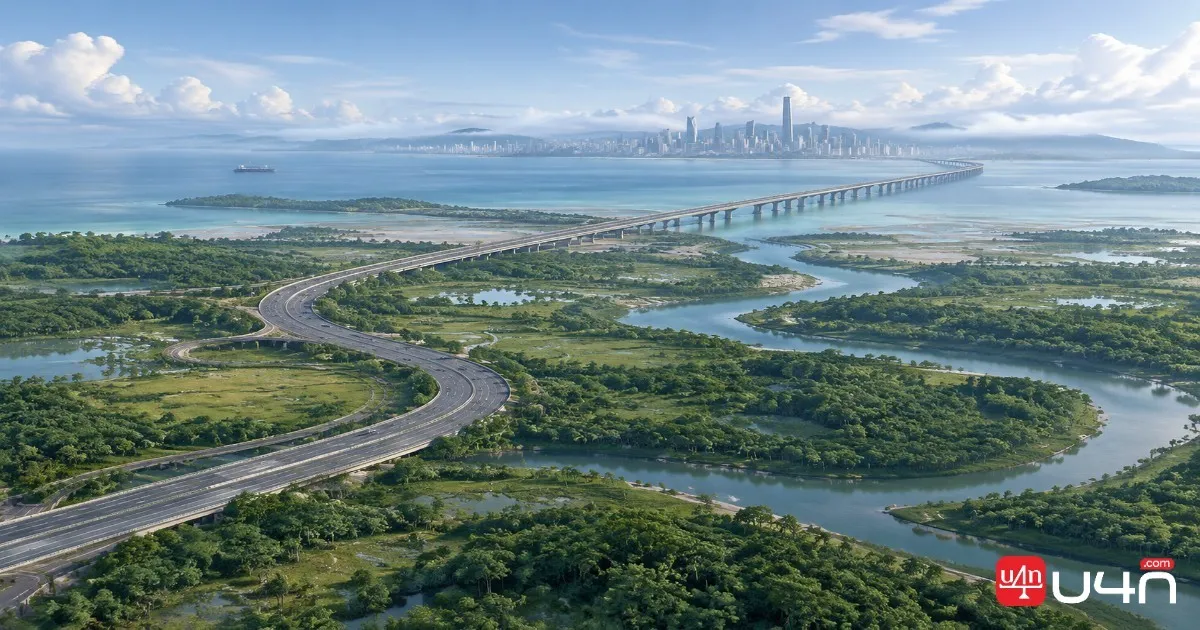
Vice City gets the marquee billing, but Rockstar's tour of Leonida also highlights the Keys, Grassrivers, Port Gellhorn, Ambrosia, and Mount Kalaga. The territory around the city matters as much to our first drive as the skyline does. A map with this much beach, wetland, and inland terrain gives us reasons to look at the route before we set a waypoint.
| Area | What you'll recognize | What we'd look for on a first visit |
|---|---|---|
| Vice City | Beachfront blocks, nightlife, and high-rises | Park a few blocks inland and see how the street changes as you walk toward the water. |
| Leonida Keys | Island roads, waterfront homes, and marinas | Take a bridge for the big view, then turn off near the water for a sense of daily life. |
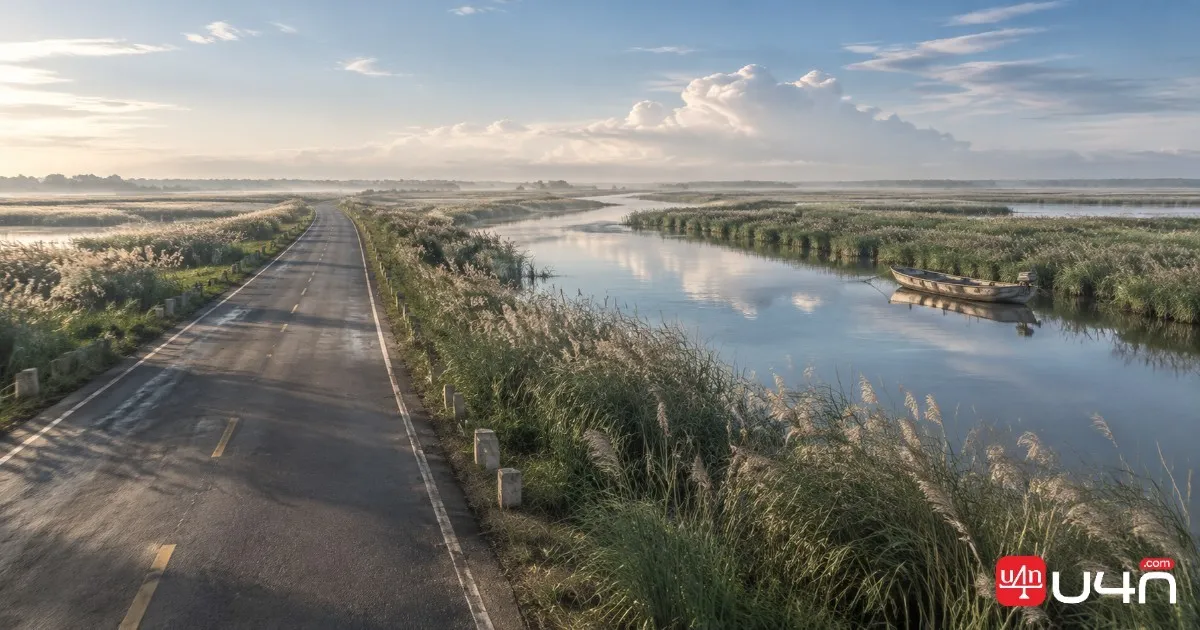
| Grassrivers | Wetlands, sawgrass, and winding waterways | Compare the view from the road with a route that takes you closer to the water. |
| Port Gellhorn | Roadside businesses, motels, and worn-down commercial strips | Follow a local road and see how far the town stretches past its main drag. |
| Ambrosia | Industrial sites alongside small-town streets | See where the working part of town gives way to the blocks where people live. |
| Mount Kalaga National Park | Forested terrain and hill roads | Follow the elevation and see how quickly the road changes what's visible. |
We'd save a little time for Port Gellhorn and Ambrosia. A roadside motel and an industrial street give a long drive some texture, partly because they're the kinds of places we tend to pass without looking. The glamorous parts of Vice City are easy to spot from a distance. Learning to recognize a town from its gas station, parking lots, or factory fence is when the map starts to feel familiar.
The Keys and Grassrivers make an equally good pair. A bridge in the Keys puts the water in full view while giving the drive a clear direction. At the edge of the wetlands, you can see plenty of open space and still have to think about where a route goes. On paper, both are stretches of blue and green. From the driver's seat, they ask different things of you.
How Many Buildings Can You Enter in GTA 6?
There are plenty of accessible interiors. We'd treat the popular “hundreds” figure as a description of scale and leave the count open. Even a detailed player tally would need rules. A hotel with a lobby, an upstairs corridor, and several accessible rooms might register as one building or several explorable spaces. A room you can enter during a mission answers a different question from a storefront you can walk into while roaming.
That difference matters if you're searching because you remember GTA 5's streets and want to know what happens when you actually pull over. Free-roam access is the first thing we'd look at. The next is whether the place gives you something to do. A gym with an activity can become part of a regular route. A space with little to interact with can still be memorable if it gives the block some character, though we're less likely to head there on purpose the next time.
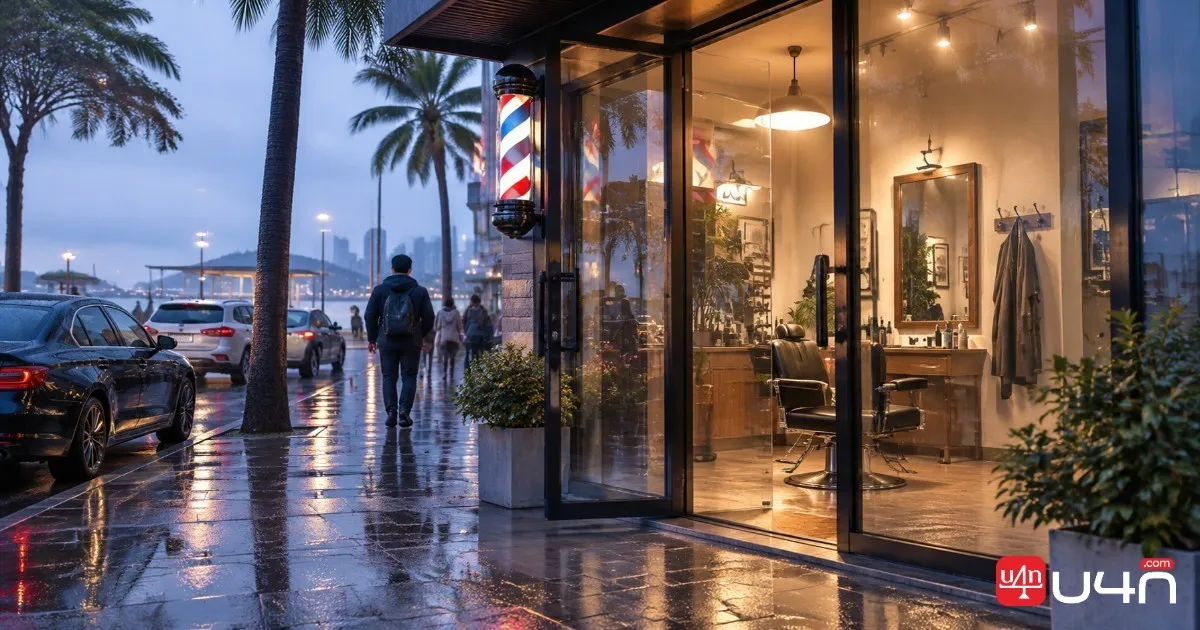
We'd start with a walk through a mixed-use block, somewhere with street-level businesses and taller buildings behind them. Pick a destination you can spot from the corner, then pay attention to what makes you stop before you reach it. If you come back later and remember which side of the street had the room you liked, that interior has done something an extra square mile of map could never do on its own.
How Long Is the GTA 6 Main Story?
Around 80 hours is a reasonable reference for the kind of story-focused run Nelson described, with room for optional objectives along the way. For a main-missions-only estimate, we'd want a run that states what the player skipped and when they stopped the clock. Reaching the credits, finishing the last required mission, and clearing the remaining story-related objectives are three different ways to call a playthrough finished.
We think a lot of first runs will fall somewhere between rushing the credits and trying to clear the map. You might follow the story closely for an evening, then see a familiar name attached to an optional objective and decide to follow it. That detour is still part of your experience of the story. It also explains why two players can remember seeing roughly the same events and report very different times.
If we were planning around weeknights, we'd treat a session as room for a story beat and a bit of travel. The trip to the next marker is often where we lose track of time in a Rockstar game, especially when we've entered a neighborhood for the first time. Leaving some breathing room gives us a natural place to stop without turning every session into a race to the next cutscene.
Why Jason and Lucia's Story Needs Room to Travel
The starting premise is simple. Lucia Caminos is fresh out of prison, Jason Duval has ties to the Leonida Keys, and a score that should have been straightforward pulls them into trouble across the state. The Keys give their relationship a place to start, with its own routines, people, and things to lose. For us, that makes the opening geography as interesting as the setup for the next job.
We like that scale for a story about a couple. A familiar road can feel easy on the way out and tense on the way back, even if every turn is exactly where you left it. Both characters share the drive, and the state around them gives a conversation room to breathe. The destination tells us where a scene is going. The time between places gives us a chance to think about what just happened.
Vice City can get most of the attention in a map guide because it's the name players already know. The smaller places help give the story a sense of distance from the lives Jason and Lucia are trying to build. Our favorite kind of open-world storytelling is when a place starts as scenery and later becomes somewhere we recognize for a personal reason. A marina or a stretch of two-lane road can carry that feeling just as well as the most expensive-looking block downtown.
Where We'd Go First on a Spoiler-Free Run
We'd follow the opening missions long enough to learn a few roads around the Keys. Once you have room to roam, try taking a familiar stretch of road again with one small change. Pull into a side street you passed earlier or stop near the water. It's easier to notice what makes a place distinct when you already have a rough idea of where you are.
Save one Vice City outing for walking. Start somewhere you can easily recognize again, then give yourself a few blocks. We like doing this early in a Rockstar game because a stretch of road that looks ordinary through a windshield can make more sense once you've seen where people gather and where the buildings open onto the street. The next time a mission sends you through, the district already has a shape in your head.
Searches for GTA6 Boosting are typically about speeding up progression. For the single-player story, we'd make a simpler pacing choice. If a side activity feels like something we're doing purely to clear a marker, we leave it for another session. If it takes us somewhere unfamiliar or gives us a reason to spend time with Jason and Lucia, we stay with it.
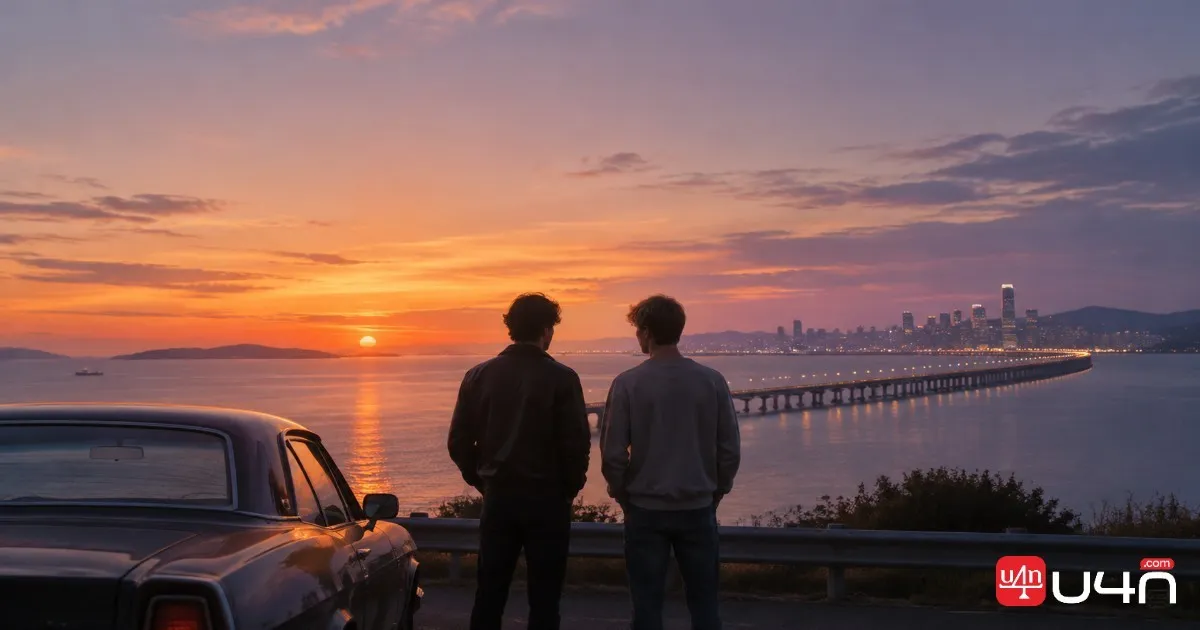
On a first run, give yourself one trip with a destination you picked for yourself. We'd choose a causeway, cross it, and pull over at the first spot where the view back toward the city opens up. The next time the story sends us over that bridge, we'll already know which side to look at.