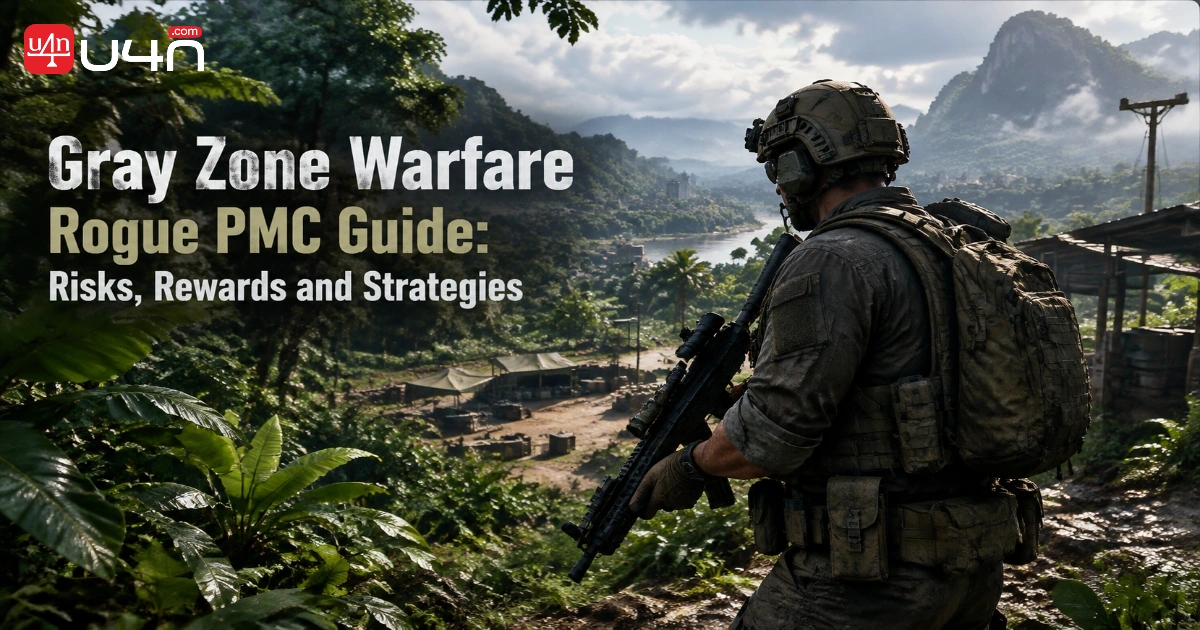
Gray Zone Warfare's Rogue Ops update introduces a different way to approach progression, giving players more reasons to gather materials, craft valuable products, and take calculated risks beyond ordinary combat missions. For anyone exploring the new systems, understanding how a Rogue PMC operation works is essential. Our team has found that the biggest challenge is not simply winning firefights, but balancing preparation, resource management, and mission objectives. Whether you are upgrading your Hideout or planning a high-risk delivery, knowing which Gray Zone Warfare Items are worth keeping and which resources you can afford to spend will make your next deployment more manageable.
Update 0.5 also changes how players approach earning money and building vendor reputation. Smuggling and Hunting create new objectives, while improved AI makes careless positioning more dangerous. Instead of treating every encounter as a fight worth taking, we recommend approaching each deployment with a clear objective and a reliable backup plan. This guide breaks down the Rogue PMC gameplay loop, compares its main activities, and explains how to reduce unnecessary losses without sacrificing progression.
What Is a Rogue PMC in Gray Zone Warfare?
Rogue PMC gameplay arrives with Rogue Ops, the major Update 0.5 release that expands Gray Zone Warfare beyond its traditional task-and-loot progression. The update introduces Hideout development, crafting, smuggling, and hunting, giving players new ways to earn money and build vendor reputation.
The important distinction is that becoming a Rogue PMC is not simply about fighting other players. The new gameplay loop revolves around producing useful goods, preparing contraband, completing risky deliveries, and disrupting rival operations. Players can choose how much risk to accept based on their resources, equipment, and preferred game mode.
What Changed in Update 0.5?
The update adds several interconnected systems:
- Hideout: Unlock and upgrade production facilities as your vendor progression advances.
- Crafting: Turn collected materials and unlocked recipes into useful or valuable products.
- Smuggling: Transport designated contraband to delivery locations within a time limit.
- Hunting: Intercept smuggling operations and earn rewards for disrupting deliveries.
- Improved AI: Face enemies that make better use of cover, respond more effectively, and may use grenades depending on their faction.
These systems work together. Materials gathered during exploration can support Hideout development, while crafted products can be sold safely or used in higher-risk smuggling contracts.
For the complete feature list and balance changes, check the official Rogue Ops Update 0.5 changelog.
How the Rogue PMC Gameplay Loop Works
The most effective way to approach Rogue PMC progression is to think in terms of a cycle rather than isolated activities. You collect resources, unlock production capabilities, create useful goods, and decide whether to sell them or risk transporting them for a potentially better return.
Build Your Hideout Before Chasing Bigger Rewards
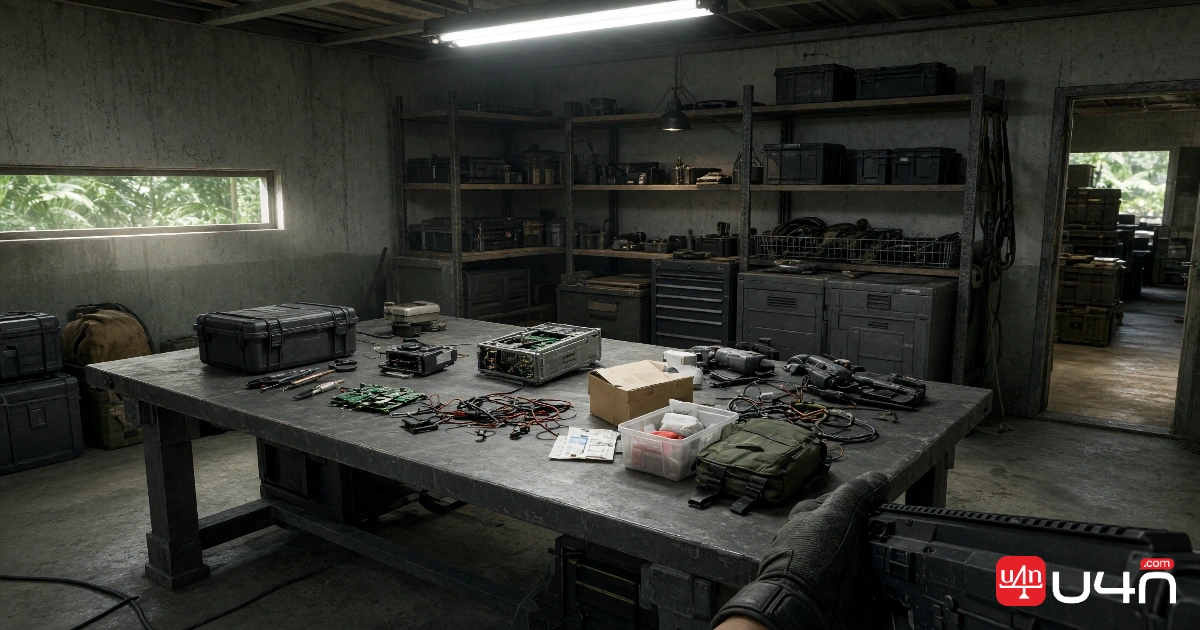
The Hideout is the foundation of the new progression system. Its Laboratory supports specialized production, the Electronics Workshop handles electronic and mechanical components, and the Utility Room provides power for your facilities.
However, we would not recommend upgrading everything immediately. Construction and upgrades require resources, and some equipment is expensive to obtain. Start by identifying which recipes and production capabilities support your current objectives.
Our team recommends prioritizing upgrades that unlock something you will actually use. A station that enables a needed crafting recipe may be more valuable than an expensive upgrade with no immediate benefit to your next mission.
For a more detailed breakdown of upgrade priorities, read Gray Zone Warfare Hideout Guide: Best Upgrades and Profit Tips.
Crafting Is More Than Another Way to Make Money
Crafting gives previously collected loot a second purpose. Instead of selling every component as soon as you find it, you can reserve materials for recipes, production upgrades, and task requirements.
Before using a rare component, ask three questions:
- Is it required for a Hideout upgrade or an important recipe?
- Can the finished product generate enough value to justify its material cost?
- Will using it now delay a more useful upgrade later?
This simple checklist prevents a common progression mistake: spending resources for immediate cash and then discovering that the same materials are needed for a more important objective.
Smuggling vs. Hunting: Which Activity Is Better?
Smuggling and Hunting are closely connected, but they serve different purposes. Smuggling focuses on delivering valuable cargo, while Hunting gives players an opportunity to intercept those deliveries.
| Factor | Smuggling | Hunting |
|---|---|---|
| Main objective | Deliver designated contraband | Disrupt a smuggling operation |
| Preparation | Produce or obtain required goods | Prepare for a potential engagement |
| Main pressure | Time limits and delivery risks | Locating and intercepting the target |
| Potential rewards | Money and vendor reputation | Experience and vendor reputation |
| Main consideration | Protect the cargo and reach the destination | Choose when and where to engage |
How to Approach Smuggling
A smuggling contract requires more planning than simply picking up an item and heading toward an objective. You must prepare the required resources, collect the contraband backpack, and complete the delivery before the available time runs out.
Accepting a contract also creates Hunting zones on the map, alerting players from opposing factions to smuggling activity. That means the route to your destination can become just as important as the delivery itself.
We recommend checking your inventory before accepting a contract. Confirm that you have the necessary goods, enough room for the required cargo, and a loadout suitable for the expected journey. Starting a timed operation before you are ready can put unnecessary pressure on the entire run.
How to Approach Hunting
Hunting reverses the objective. Rather than protecting a delivery, you are attempting to find and disrupt an opposing smuggling operation.
Patience is often more useful than rushing toward the nearest marked area. Think about possible approaches, listen for nearby combat, and avoid exposing yourself simply because the target is time-sensitive.
The mode also matters. In PvE, smugglers face AI enemies rather than opposing players. In PvEvP, other players introduce additional uncertainty, making positioning and timing harder to predict.
Neither activity is automatically more profitable for everyone. The better choice depends on your equipment, available resources, confidence in combat, and willingness to accept losses.
Best Rogue PMC Strategies for Safer Operations
A successful operation begins before you leave base. In our experience with tactical shooters, preparation is most valuable when it addresses the specific objective instead of trying to cover every possible situation.
Plan Your Route and Exit
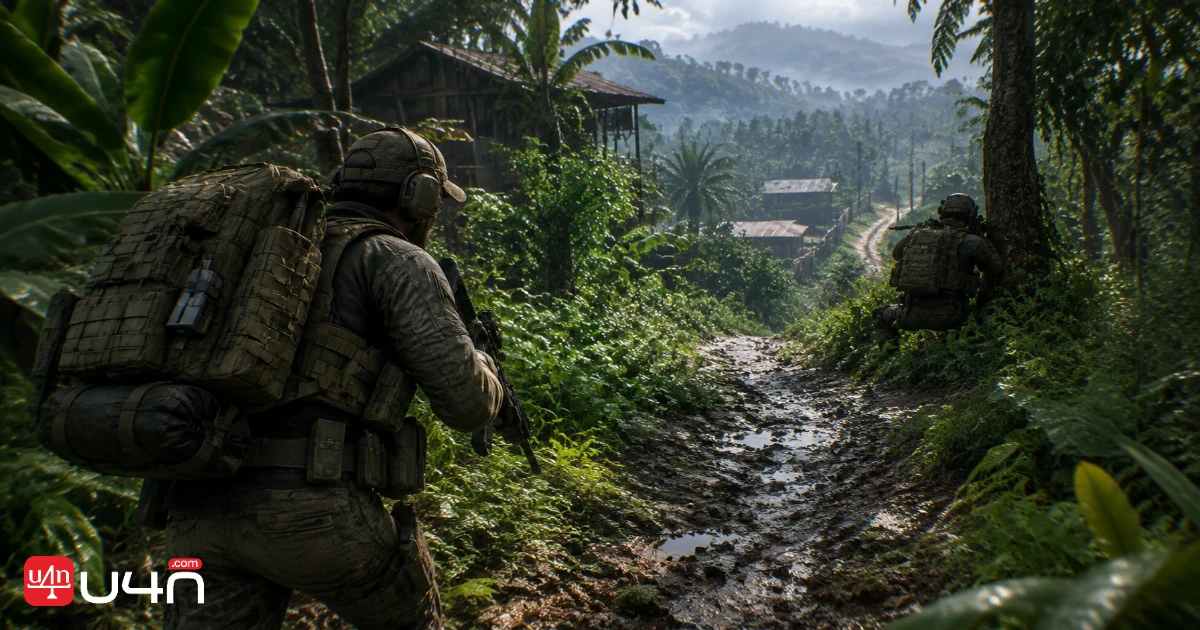
Identify the objective, the likely approach, and a fallback route before deploying. Avoid choosing a path based on distance alone. Terrain, buildings, sightlines, and the possibility of enemy contact can make a slightly longer route the smarter option.
Carry the Right Equipment
A more expensive loadout is not automatically a better one. Your equipment should match the expected engagement distance, mission duration, and cargo requirements.
| Equipment | What to Consider |
|---|---|
| Primary weapon | Choose a setup you can control reliably |
| Ammunition | Bring enough for likely encounters without excessive weight |
| Medical supplies | Leave room for injuries and emergency treatment |
| Backpack | Balance cargo capacity against mobility and weight |
| Spare resources | Keep enough flexibility to support future missions |
Update 0.5 also changes ammunition behavior and adds new weapons and weapon parts. Before investing heavily in a new setup, consider its ammunition supply, recoil, and suitability for your usual engagement distance. Our Gray Zone Warfare: Best New Weapons in Rogue Ops guide can help you compare the new options.
Adapt to Smarter AI
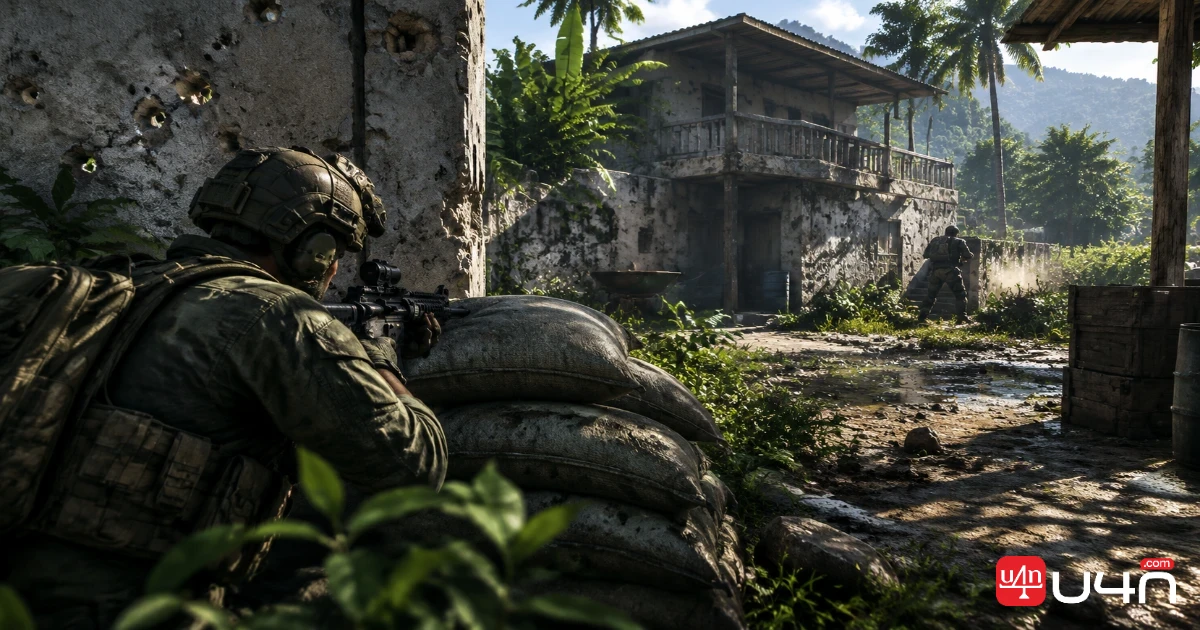
The updated AI makes it less reliable to remain behind one piece of cover and repeat the same peek. Enemies can reposition, treat wounds when conditions allow, investigate sounds, and use grenades in certain situations.
When contact begins, avoid staying in an exposed position simply because it worked against older AI behavior. Use solid cover, change positions when necessary, and pay attention to sound cues. If several enemies are involved, think about how to break contact rather than assuming you must eliminate every target.
Most importantly, do not confuse a temporary lull with a safe area. Enemies may investigate your last known position or move to find you. Reassess the situation before looting or continuing toward the objective.
Common Rogue PMC Mistakes to Avoid
Many costly mistakes happen because players focus on immediate rewards instead of the entire operation.
- Accepting a contract too early: Prepare the required goods and equipment before starting a timed activity.
- Selling every crafting material: Reserve components needed for planned upgrades and recipes.
- Carrying unnecessary gear: Excess weight can reduce the flexibility of your loadout without improving mission success.
- Taking every fight: If combat does not help complete your objective, avoiding it may be the better decision.
- Ignoring the AI changes: Repeating old positioning habits can leave you vulnerable to flanking or grenades.
- Spending all available cash: Keep enough resources for essential equipment, production needs, and recovery after a failed operation.
A successful Rogue PMC operation is not measured by how many enemies you eliminate. It is measured by whether you complete your objective, protect the resources that matter, and leave yourself in a stronger position for the next deployment.
A useful rule is to evaluate every decision by asking whether it improves your chance of completing the current objective or supports your next meaningful progression step. If it does neither, reconsider it.
Is the Rogue PMC Playstyle Worth Trying?
Rogue PMC gameplay gives Gray Zone Warfare players more control over how they progress. Hideout development rewards planning, crafting makes resource collection more meaningful, and smuggling introduces a different kind of pressure from ordinary combat tasks.
Players who enjoy building toward long-term goals may prefer investing in production first. Those who want more action can focus on Hunting and the tactical decisions involved in intercepting deliveries. Players who are still learning the new systems can begin with lower-risk activities and gradually expand their operations.
We recommend treating each deployment as part of a larger plan. A successful run should leave you better positioned for the next one, whether that means earning money, unlocking a production capability, or learning a dangerous area more thoroughly.
Final Thoughts
The best Rogue PMC strategy is not about taking the biggest risk on every deployment. It is about understanding what you stand to gain, preparing for what can go wrong, and using each successful operation to strengthen your next one. Build your Hideout with a purpose, choose contracts that suit your current resources, and adapt when combat becomes unpredictable.
If you are still developing your setup, focus on the essentials before committing to more demanding operations. With a clear progression plan and disciplined preparation, you can make Rogue Ops more manageable and decide when additional support, including Gray Zone Warfare Boosting, fits your goals.
FAQ
What is Rogue PMC in Gray Zone Warfare?
Rogue PMC refers to the new gameplay direction introduced with Rogue Ops, including Hideout progression, crafting, smuggling, and hunting. It expands the ways players can develop their operations beyond traditional tasks and looting.
How do you start smuggling?
Prepare the resources required by the relevant contract, accept the smuggling task, collect the designated contraband backpack, and deliver it before the time limit expires. Check your equipment and route before beginning.
Is smuggling safer in PvE?
PvE removes opposing human players from the smuggling encounter, but it does not eliminate danger. AI enemies can still threaten your delivery, and preparation remains important.
Is crafting worth it in Rogue Ops?
Crafting can be valuable when the products support your progression or generate a worthwhile return. Its value depends on material costs, unlocked recipes, production requirements, and how you plan to use the finished items.
Did Rogue Ops make AI enemies harder?
The update introduced improved AI combat behavior, positioning, wound treatment, and additional threats such as grenades for selected factions. The official changelog also notes increased difficulty in Tier 3 and new Tier 4 locations.