


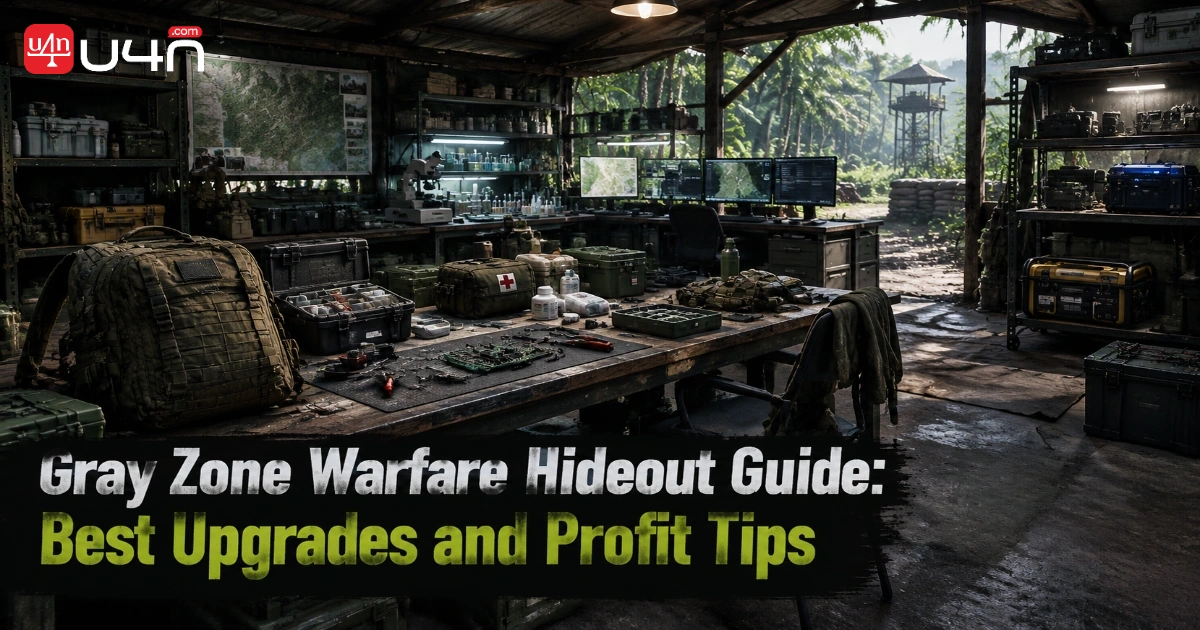
Gray Zone Warfare's Rogue Ops update introduces a new way to progress beyond completing tasks, fighting enemies, and selling loot. The new Hideout system gives us more control over how we use resources, unlock crafting options, and build a more sustainable operation on Lamang. Instead of treating every valuable item as something to sell immediately, we now have to consider what it can contribute to our long-term progression.
Our team recommends approaching the Hideout as an investment rather than a checklist. The right upgrades depend on whether you need better crafting options, a more reliable source of income, or access to restricted areas through hacking tools. For players who want to strengthen their loadouts before heading into dangerous zones, choosing the right cheap Gray Zone Warfare Items can also be part of a broader preparation plan, but resource management remains the foundation of steady progress.
What Is the New Hideout System in Gray Zone Warfare?
Introduced in Update 0.5: Rogue Ops, the Hideout adds a progression loop built around collecting materials, unlocking recipes, producing items, and taking on new smuggling activities. Players unlock their Hideout after reaching certain vendor ranks, then develop its facilities using resources found across Lamang, crafted materials, vendor purchases, and task rewards.
The system currently features three rooms: the Laboratory, Electronics Workshop, and Utility Room. Each serves a different purpose, so the best investment depends on what you want to accomplish next.
| Hideout Room | Main Function | Why It Matters |
|---|---|---|
| Laboratory | Produces specialized substances, including medical products and drugs | Supports production and certain smuggling contracts |
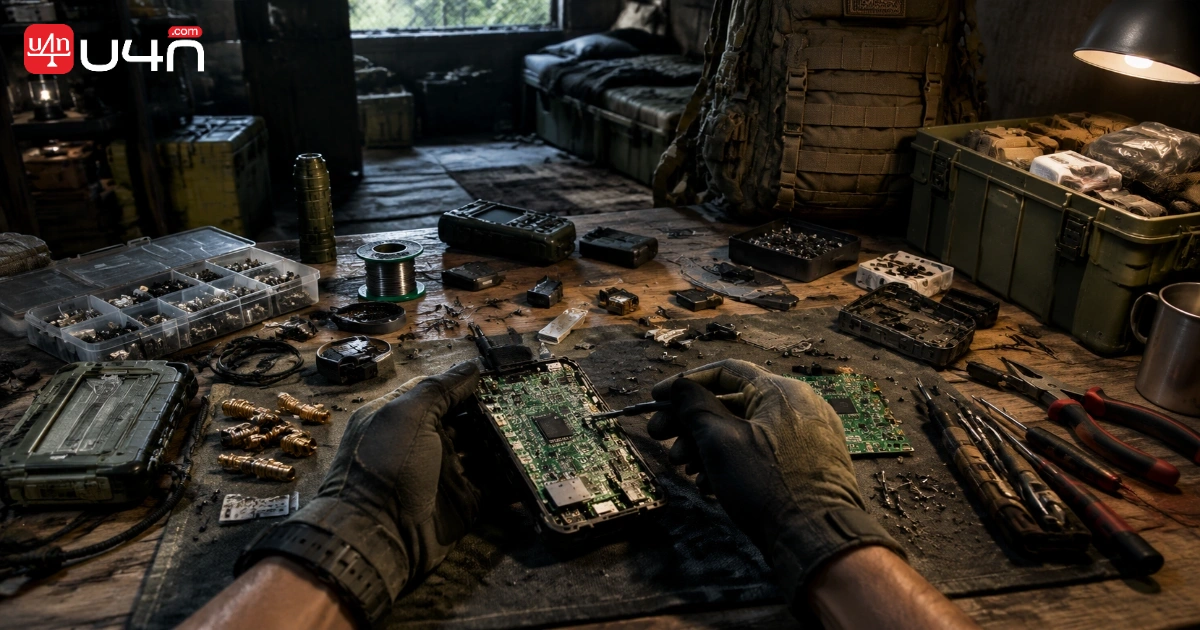
| Electronics Workshop | Disassembles, modifies, and assembles mechanical and electronic components | Unlocks crafting options, including hacking tools |
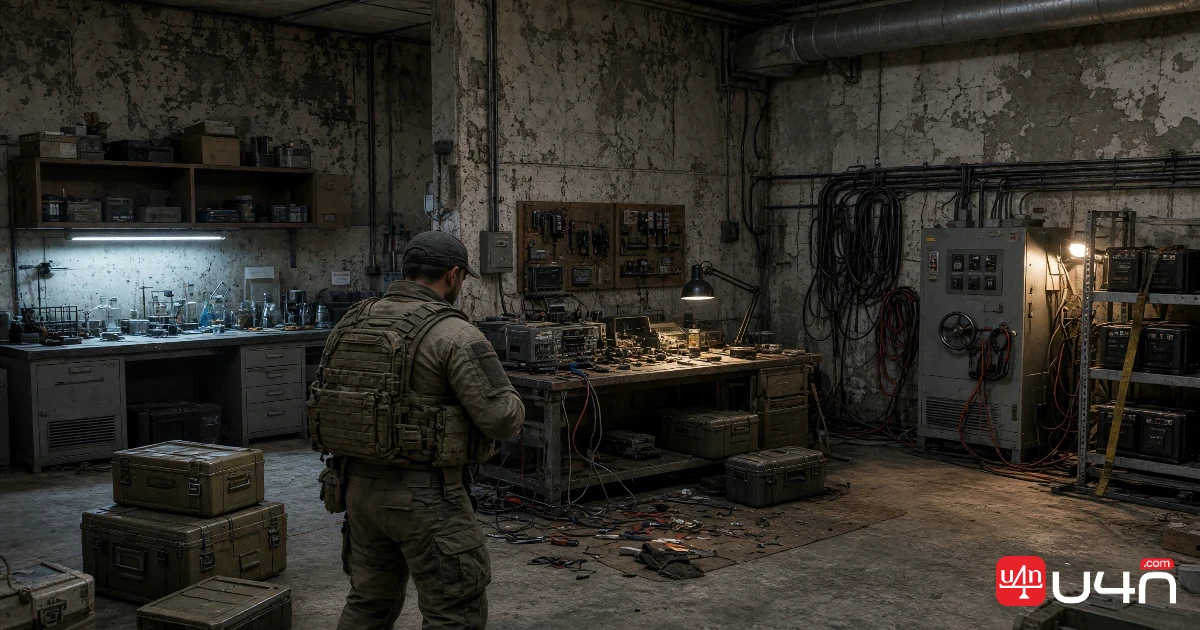
| Utility Room | Supplies power to Hideout equipment | Supports the operation of other rooms |
The key change is that loot now has more than one purpose. A component may be worth selling today, but it could also help unlock a station or craft a useful tool tomorrow. We recommend checking your current requirements before deciding which items to keep.
The Hideout is still an evolving system, so players should expect its long-term role to develop as future updates introduce additional functionality.
Best Hideout Upgrades to Prioritize First
There is no single upgrade order that suits every player. Rather than trying to develop all three rooms at once, we recommend choosing a primary goal and investing accordingly.
Prioritize the Electronics Workshop for Utility
The Electronics Workshop is a strong starting point for players who want to get more out of their scavenging runs. It turns certain pieces of loot into crafting components and opens a path toward devices that provide practical benefits during exploration.
Hacking tools are particularly important because they allow players to bypass certain electronic locks without relying on a key or access code. The tools come in three tiers, providing different levels of electronic access as players progress.
Before investing heavily, check which stations and recipes you can currently unlock. There is little value in collecting large quantities of components if you have not yet unlocked the recipe that uses them.
Invest in the Laboratory for Production
The Laboratory is more relevant to players who want to build a production chain and participate in smuggling contracts. It can produce specialized substances, including medical products and drugs, and provides another way to generate income.
However, setting up a functional Laboratory requires specialized equipment and ingredients. Those materials can take time and effort to obtain, so we would not recommend prioritizing production simply because it sounds profitable.
Instead, check the requirements for your next upgrade and identify which materials you can gather efficiently. A focused production plan is generally more useful than spending every available resource on a facility you cannot yet operate effectively.
Do Not Neglect the Utility Room
The Utility Room provides electricity for Hideout equipment. It may not offer the same immediately visible appeal as crafting a new device or producing a valuable item, but infrastructure matters when expanding the operation.
Our advice is simple: check your power requirements before committing to additional stations. Build around the equipment you intend to use rather than upgrading infrastructure without a clear purpose.
Gray Zone Warfare Crafting: Which Materials Should You Keep?
One of the biggest mistakes players can make is treating every piece of loot according to its immediate vendor value. Rogue Ops gives crafting materials and recipes a more important role in progression, which means inventory decisions deserve more thought.
Check Recipes Before Selling Components
Recipes must be unlocked before you can craft their corresponding items. Some objects can also be dismantled into components for crafting or task requirements.
We recommend checking your current Hideout progression before selling unfamiliar electronics, mechanical parts, or specialized materials. If an item is needed for an upgrade you are close to unlocking, keeping it may save you another trip into the field.
Farm With a Specific Goal
Before deploying, decide whether your next run is primarily for Hideout construction, crafting ingredients, or ordinary loot. This makes it easier to prioritize locations and avoid filling your inventory with materials that do not support your immediate objective.
Drug huts are worth considering when you need resources for Laboratory production. Meanwhile, players developing the Electronics Workshop should pay closer attention to locations and loot that can supply the components required by their available recipes.
Track the Cost of Production
Crafting and production are not the same thing. According to the official Rogue Ops feature overview, crafting is almost instantaneous, while production and disassembly take more time. That distinction matters when deciding how to spend your time between deployments.
We suggest tracking three things for each product:
- The materials and equipment needed to produce it.
- Whether the product supports an upgrade, a task, or a specific gameplay need.
- Whether selling it or saving it for a later objective provides greater value.
This simple approach helps prevent unnecessary farming and keeps your Hideout progression connected to actual gameplay needs.
Check your crafting recipes and upgrade requirements before selling valuable components. The best resource decision is not always the one that gives you the most immediate cash.
How to Make Money With the Hideout
The Hideout creates additional ways to earn money, but not every activity offers the same balance of risk and reward. Players can sell products to vendors for a safer, lower payout or attempt smuggling operations for potentially greater rewards.
Selling to Vendors vs. Smuggling
| Method | Main Advantage | Main Risk or Limitation |
|---|---|---|
| Sell to vendors | More predictable income with less exposure to smuggling threats | Lower potential payout |
| Smuggle contraband | Potentially greater financial rewards and vendor reputation | Time limits and interception threats |
| Hunt smugglers | Offers another way to earn experience and vendor reputation | Requires locating and engaging active smugglers or AI enemies |
Smuggling is not simply a matter of carrying valuable cargo to a destination. Once a smuggling task is accepted, players have limited time to prepare the required resources, collect the contraband backpack, and complete the delivery.
The activity also alerts opposing factions and creates Hunting zones on the map. In PvEvP, that can expose the run to enemy players; in PvE, smugglers face AI enemies instead.
When Is Smuggling Worth the Risk?
We recommend checking three factors before accepting a contract.
First, make sure you can prepare the required cargo without disrupting your other Hideout plans. Second, consider whether your equipment and current resources can absorb a failed run. Finally, check how much time you have to prepare and deliver the goods.
A potentially higher payout does not automatically make a run profitable. The value of the cargo, the resources invested in producing it, and the potential cost of failure all matter.
A useful way to evaluate the decision is:
Net profit = Sale revenue − Material costs − Expected losses
This is a planning framework, not an official in-game formula. It helps you compare options without assuming every smuggling attempt will succeed.
PvE vs. PvEvP: Which Hideout Strategy Works Best?
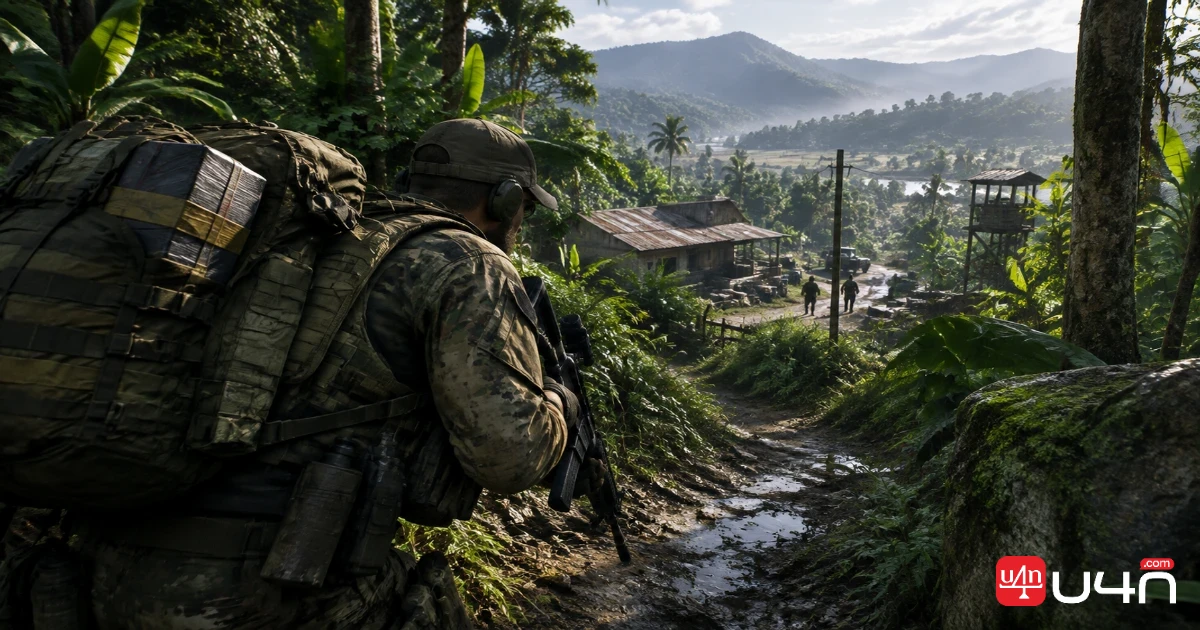
The core Hideout system serves both playstyles, but the threats surrounding your activities can change how you approach progression.
A More Controlled Approach in PvE
PvE players can focus on gathering materials, unlocking recipes, improving production, and preparing for AI encounters. Smuggling still involves risk, so it is worth checking the route, available equipment, and required cargo before starting a contract.
If your main goal is crafting progression, use each deployment to collect materials for a specific upgrade or recipe. This keeps your runs focused and reduces unnecessary trips.
Risk Management in PvEvP
In PvEvP, the possibility of interception makes preparation more important. A smuggling run can attract enemy attention, so carrying expensive equipment without considering the cost of failure may undermine the value of the reward.
We recommend separating routine resource-gathering runs from higher-risk objectives when possible. Secure the materials you need for essential upgrades first, then use surplus resources for activities with greater potential rewards.
The most effective strategy is not necessarily the one with the highest possible payout. It is the one you can repeat without repeatedly losing the resources needed to maintain your operation.
Common Hideout Mistakes to Avoid
A few habits can slow down progression even when you understand how the system works.
- Upgrading everything at once: Focus on the room that supports your immediate objective instead of spreading resources too thinly.
- Selling useful components too early: Check station and recipe requirements before clearing out your inventory.
- Collecting materials without a plan: Identify the next upgrade or recipe before heading into Lamang.
- Ignoring production costs: Consider the materials and time involved, not just the final selling price.
- Treating smuggling as guaranteed income: Account for preparation time, interception threats, and potential losses.
- Overlooking power requirements: Check what your planned equipment needs before investing further in other rooms.
Our team recommends reviewing your Hideout goals after every few deployments. As your available recipes and stations change, the materials worth collecting will change as well.
Build Your Hideout With a Plan
The new Hideout system gives Gray Zone Warfare a more connected progression loop. Resources now contribute not only to immediate income but also to crafting, production, hacking capabilities, and smuggling opportunities.
We recommend starting with a clear objective, prioritizing the room that supports it, and keeping only the materials that serve a practical purpose in your next stage of progression. The Laboratory, Electronics Workshop, and Utility Room each have a role, but their value depends on how you use them.
As Rogue Ops continues to evolve, efficient resource management will remain more valuable than blindly chasing every upgrade. If you are preparing for tougher deployments, plan your equipment budget carefully and compare the cost of Gray Zone Warfare Dollars for sale with the time and risk involved in earning money in-game. A well-planned operation should make each run contribute to your next objective, rather than leave you constantly rebuilding from scratch.