

Path of Exile 2 is approaching its biggest milestone since Early Access began. At ExileCon 2026, Grinding Gear Games (GGG) revealed the full scope of version 1.0, confirming two new playable classes, the final campaign acts, a new challenge league, and major changes to character progression and endgame content. The full release is scheduled for December 11, 2026, and the game will become free-to-play.
What makes this update particularly interesting is how these systems connect. Shadow and Duelist expand build possibilities, while the new Conquerors of Wraeclast league introduces army recruitment, castle development, and large-scale faction warfare. Combined with a redesigned Atlas and hundreds of equipment changes, 1.0 could significantly change how players approach both character development and long-term progression. Players preparing their next character should also pay attention to POE 2 Currency, since gearing and resource management will remain important throughout the new league.
PoE 2 1.0 Release Date and Major Changes at a Glance
Path of Exile 2 version 1.0 launches on December 11, 2026 (PST). After nearly two years of Early Access development, the full release will bring the complete six-act campaign, two additional classes, and a new seasonal progression system.
For players who have followed the game since its initial release, this is more than another major patch. GGG is bringing together several systems that have developed separately during Early Access and presenting them as a much more complete ARPG experience.
Here are the most important announced changes:
| Feature | Major Changes |
|---|---|
| Release Date | December 11, 2026 |
| Business Model | Free-to-play |
| New Classes | Shadow and Duelist |
| New Weapons | Daggers and Swords |
| New Ascendancies | Assassin, Infiltrator, Knight, Master-at-Arms |
| Campaign | Acts 5 and 6 |
| New League | Conquerors of Wraeclast |
| League Factions | Karui, Ezomytes, Maraketh |
| Endgame | New Atlas progression, maps, and pinnacle content |
| Equipment | New base types, Unique Items, and reworked Uniques |
| Skill System | New skills, Support Gem changes, and passive tree adjustments |
The finished version is expected to feature 10 playable classes, 26 Ascendancy specializations, more than 320 skills, over 400 Unique Items, and more than 150 endgame maps.
One detail worth remembering is that 1.0 does not mean every originally planned feature will be available immediately. GGG has indicated that two of the 12 planned classes will arrive in later updates, while some additional systems will continue developing after launch.
PoE 2 1.0 is more than a standard content update. It brings the complete six-act campaign, two new classes, a new challenge league, and major changes to character progression and endgame gameplay.
Shadow and Duelist: Two New Classes That Could Change the Meta
New classes are always exciting in Path of Exile, but their real importance goes beyond adding another character selection option. Each new class introduces different weapon interactions, skill combinations, and potential Ascendancy paths.
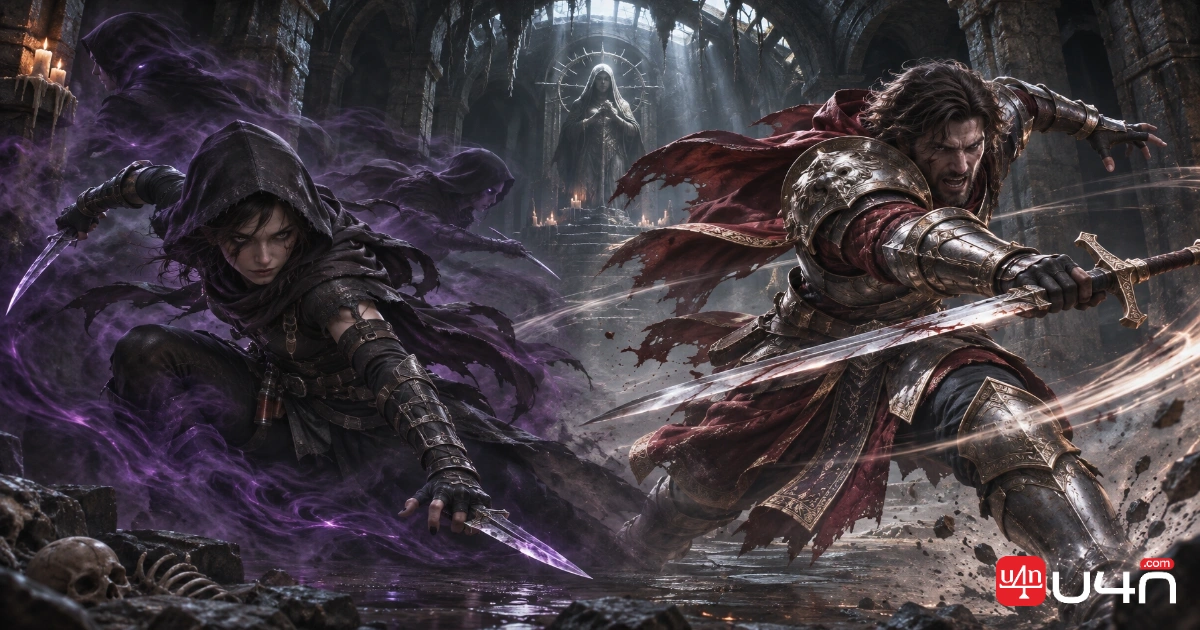
For 1.0, GGG is introducing Shadow and Duelist, bringing daggers and swords into the expanded weapon system.
Shadow: Stealth, Daggers, and Trap Combinations
Shadow is designed around tactical combat, using Stealth, daggers, traps, and shadow abilities to control encounters.
Its Stealth mechanic is particularly interesting because it is not simply an escape tool. While hidden, Shadow can approach enemies without immediately attracting their attention, and dagger attacks gain additional offensive benefits.
The class also introduces several mechanics worth watching:
- Daggers: A new weapon category that supports dedicated attack skills and stealth-based combat.
- Traps: Eight trap types that allow players to prepare different damage and control combinations.
- Shades: Shadow copies that assist with combat and create additional attack opportunities.
- Darkness: A resource connected to enhanced offensive abilities.
- Eclipse: An ability that turns attacks into powerful Stealth strikes.
Shadow launches with two Ascendancies: Assassin and Infiltrator.
The Assassin is an obvious choice to watch for players interested in aggressive dagger-based gameplay. Infiltrator offers another specialization for players who want to explore the class's stealth and trap interactions.
From our experience with ARPG build systems, the most interesting part of Shadow will be how easily players can combine its mechanics. A trap-focused setup might offer excellent preparation and control, while a more direct dagger build could prioritize damage during short attack windows.
The important question is whether these combinations remain effective against bosses that leave little room for preparation.

Duelist: Swords, Stances, and More Flexible Melee Combat
Duelist takes a different approach. Rather than relying on stealth, it emphasizes speed, precision, and flexible sword combat.
The introduction of swords is a major addition because it creates more possibilities for melee-focused players. Duelists can explore two-handed weapons, dual-wielding combinations, and sword-and-shield setups.
Its defining mechanic is Stance switching.
Ready Stance empowers sword skills, while Sand and Blood Stances provide different combat effects. This gives players more control over how they approach different encounters.
The two announced Duelist Ascendancies are:
- Knight: Combines melee combat with battlefield support, including War Banners and a customizable Squire companion.
- Master-at-Arms: Provides another specialization for players interested in developing the Duelist's weapon-focused combat style.
The Knight is particularly interesting because its Squire can be equipped with weapons and armor and assigned melee skills. This introduces another layer of customization beyond simply improving the player's own character.
Shadow vs. Duelist: Which One Should You Choose?
| Category | Shadow | Duelist |
|---|---|---|
| Main Weapons | Daggers | Swords |
| Combat Identity | Stealth and tactical attacks | Fast and precise melee |
| Main Mechanics | Traps, Shades, Darkness | Stances, Squire, War Banners |
| Ascendancies | Assassin, Infiltrator | Knight, Master-at-Arms |
| Best Appeal | Players who enjoy complex skill combinations | Players who prefer direct melee combat |
We would not recommend choosing between these classes based on early damage expectations alone. In Path of Exile 2, weapon scaling, Support Gems, passive investment, and boss mechanics can dramatically change how a build performs.
For now, Shadow looks particularly appealing to players who enjoy experimenting with different mechanics, while Duelist offers an exciting option for those waiting for a more developed sword-based combat system.
Conquerors of Wraeclast: The Biggest New League Feature
The most ambitious part of the 1.0 announcement may be Conquerors of Wraeclast.
Instead of introducing another league mechanic built primarily around killing monsters and collecting rewards, GGG is adding an entire strategic progression layer.
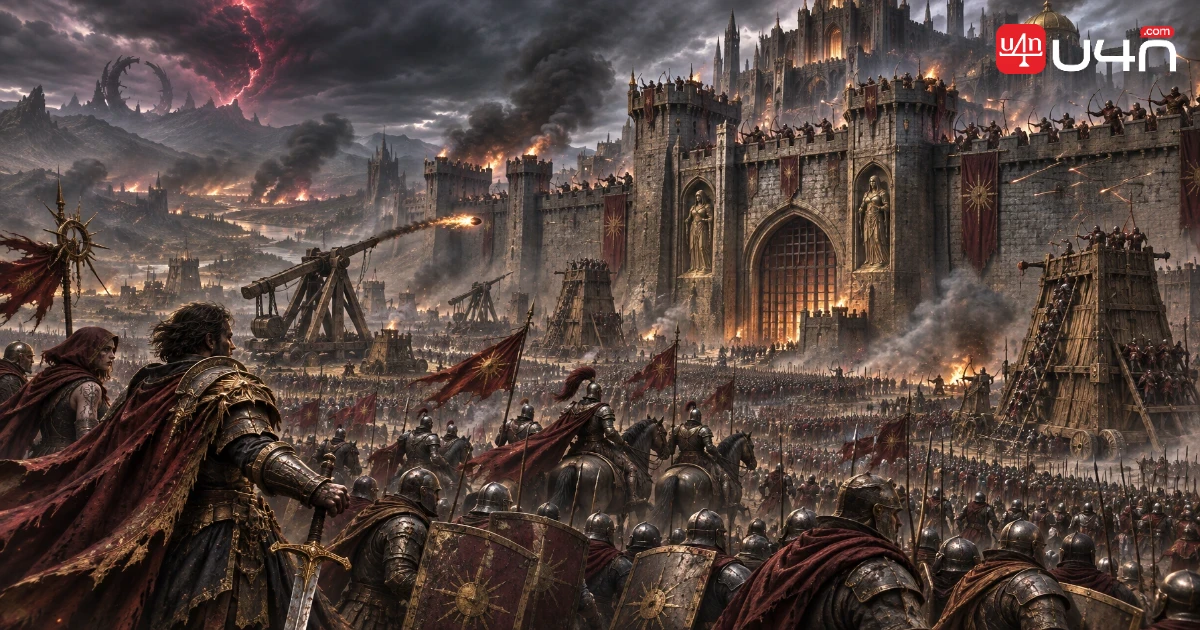
Players will recruit soldiers, construct strongholds, develop military forces, and fight against rival factions across Wraeclast.
Recruit Soldiers and Build a Stronghold
The league begins with Varek and his group of mercenaries. After helping them, players can recruit soldiers and gradually expand their military forces.
Different units serve different purposes. Some are designed to absorb incoming damage, while others specialize in attacking particular enemy types.
The campaign introduces more than 70 league-related points of interest and 23 battles, giving players opportunities to recruit troops and strengthen their army as they progress.
This creates an interesting secondary progression loop.
Traditional ARPG progression revolves around character levels, equipment, and skill improvements. Conquerors of Wraeclast adds another layer in which the strength and composition of your army also matter.
Three Factions and 100 Castles
The league introduces three factions:
- Karui
- Ezomytes
- Maraketh
Each faction has its own visual identity, military units, and stronghold designs.
Players can improve their castles, unlock additional facilities, recruit stronger soldiers, and prepare siege equipment for more difficult battles.
The larger objective involves 100 castles spread across the Atlas. Players contribute to their chosen faction's territorial competition, creating a shared progression system that extends beyond individual characters.
Controlling castles can provide additional benefits, including increased item rarity and access to special Hunting Grounds.
This is an interesting direction for Path of Exile 2 because it gives players a reason to care about the wider league community rather than focusing entirely on personal loot progression.
Commanders Add Another Layer of Progression
Players can also recruit up to three commanders and assign them independent missions.
These commanders can send troops into Atlas encounters and return with rewards, allowing players to develop their military operations alongside their normal character progression.
For experienced players, this raises an important efficiency question: how much value can these automated missions generate compared with directly farming maps?
We expect this to become one of the most discussed league systems once players begin comparing resource costs, mission rewards, and progression speed.
Conquerors of Wraeclast changes the traditional seasonal progression loop by connecting individual character development with army management, castle expansion, and shared faction competition.
Acts 5 and 6 Complete the Campaign
Another major part of the 1.0 update is the completion of the main campaign.
Acts 5 and 6 will introduce 24 new areas, 18 unique bosses, and more than 20 special Champion Rare encounters.
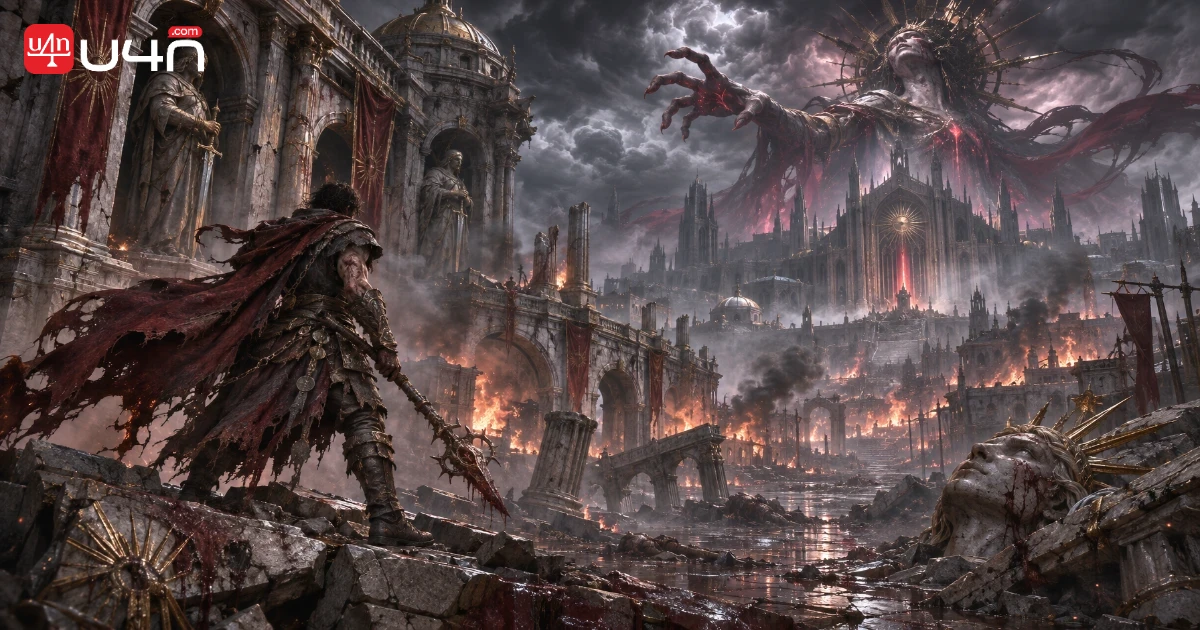
Act 5 returns players to Oriath, although the familiar city is now devastated by the ongoing conflict. The story continues the struggle involving the Twilight Order and the Beast.
Act 6 brings the campaign toward its conclusion, giving players a more complete journey before they enter the endgame.
For returning players, the additional campaign content means the leveling experience will be different from the Early Access version. New bosses, encounters, and progression opportunities should make the journey feel more complete.
For newcomers, this is arguably the best time to start. Instead of experiencing an unfinished campaign, players will have access to the complete six-act storyline.
The new campaign content also has an important gameplay purpose: it introduces players to systems and enemies that will remain relevant when they begin mapping.
Passive Tree, Support Gems, and Equipment Changes
The biggest challenge in Path of Exile 2 has never been simply finding a powerful skill. It is building an efficient character around the right combination of weapons, passives, Support Gems, and equipment.
Version 1.0 introduces substantial adjustments across these systems.
A More Focused Passive Skill Tree
One of the most noticeable changes is the restructuring of Jewel Sockets.
Previously, many players invested heavily in traveling through the passive tree simply to reach valuable Jewel Sockets. This could make different builds follow surprisingly similar paths.
Version 1.0 moves Jewel Sockets into individual passive clusters, encouraging players to make more meaningful decisions about their passive investments.
The goal is to create more diverse character progression rather than having every optimized build follow the same routes.
Support Gem Rebalancing
Support Gems are receiving a broad balance pass to improve their usefulness across different builds.
Some elemental penetration effects are being consolidated, while other Support Gems are receiving adjustments to their damage penalties and functionality.
These changes matter because Support Gems determine how effectively a skill can interact with different combat situations.
A support combination that looks powerful during leveling may become less attractive in endgame content if its damage scaling or utility does not justify the investment.
For that reason, we recommend reviewing Support Gem combinations after the 1.0 balance changes rather than automatically copying older Early Access setups.
More Equipment and Unique Items
The loot pool is also expanding significantly.
| Equipment Change | Announced Content |
|---|---|
| New Base Types | More than 200 |
| New Unique Items | More than 40 |
| Reworked Uniques | More than 70 |
| New Skills | Additional skills for existing and new classes |
New base types create more potential equipment combinations, while reworked Unique Items could make previously overlooked items more attractive.
For players who enjoy theorycrafting, this is one of the most important parts of the update.
A new Unique Item does not automatically create a powerful build. Its value depends on how its modifiers interact with existing skills, passive nodes, and other equipment slots.
That is why we expect the first weeks of the new league to be particularly interesting for build experimentation and item valuation.
New equipment alone does not determine a build's strength. The real advantage comes from understanding how weapon modifiers, passive investment, Support Gems, and Unique Items work together.
Atlas Rework and Endgame: What Changes After the Campaign?
Completing the campaign is only the beginning for most experienced Path of Exile players.
The Atlas is where long-term progression, boss encounters, equipment farming, and character optimization become the main focus.
Version 1.0 is making several changes to this experience.
A Smaller but More Focused Atlas Passive Tree
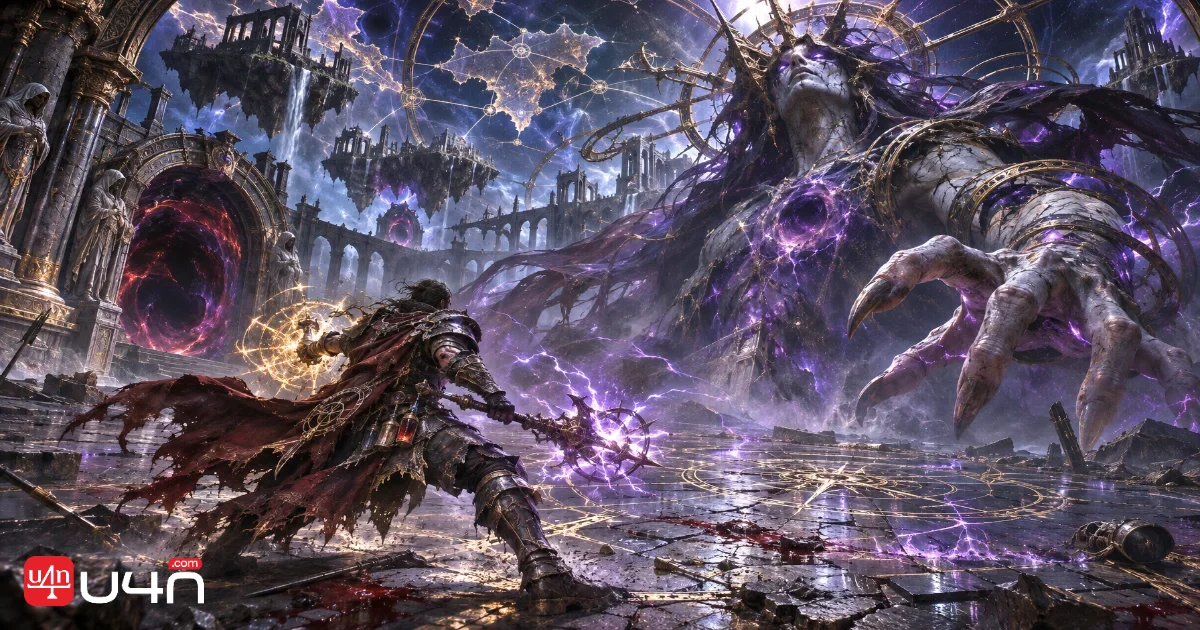
The Atlas Passive Tree is being reduced from more than 300 nodes to approximately 70 more impactful options.
This does not necessarily mean less endgame customization. Instead, GGG is aiming to make individual choices more meaningful.
Players should have a clearer understanding of how their Atlas investment supports their preferred activities.
New Maps and Pinnacle Content
The full release will introduce more than 25 additional maps, bringing the total to over 150 endgame maps.
A new pinnacle boss will also expand the highest difficulty level of endgame progression.
The new campaign areas and bosses provide additional content that can connect naturally to the Atlas, giving players more reasons to explore different encounters.
Why the Atlas Changes Matter
The new castle system also creates an additional way to interact with the Atlas.
Instead of viewing the endgame as a simple sequence of maps, players will have opportunities to connect territorial control, faction benefits, and map progression.
For farming-focused players, the biggest consideration will be efficiency.
A profitable endgame strategy depends on more than item rarity. Players must also consider clear speed, encounter difficulty, resource investment, and the value of rewards.
We recommend waiting for real league data before deciding which Atlas strategies offer the best returns.
Is PoE 2 1.0 Worth Returning For?
Based on everything announced at ExileCon 2026, we believe the 1.0 release is a particularly important moment for both new and returning players.
For newcomers, the completed campaign and free-to-play release provide a much more accessible starting point. They can experience the full progression system without purchasing Early Access.
For experienced players, the attraction is different. Shadow and Duelist create new build possibilities, Conquerors of Wraeclast introduces a new strategic progression system, and the Atlas rework provides additional reasons to rethink established farming strategies.
However, we would not recommend assuming that every new system will immediately become essential to every build.
The most important things to watch after launch will be:
- Which Shadow and Duelist Ascendancies perform best in actual endgame encounters.
- How army recruitment and commander missions compare with traditional farming.
- Whether the new Atlas structure improves endgame progression.
- Which reworked Unique Items become valuable for popular builds.
- How the new Support Gem combinations affect established character setups.
Players planning to return should also review their equipment requirements and identify which Path of Exile 2 Items will be important for their preferred builds.
PoE 2 1.0 is about more than adding two classes and finishing the campaign. It brings together character customization, strategic league progression, and a redesigned endgame into one major release.
December 11 could be the ideal time to start a fresh character, explore the new league, and discover which builds and farming strategies emerge. For players who have been waiting for Path of Exile 2 to feel like a complete ARPG experience, this is a release worth watching closely.