Six new heroes make choosing a main exciting, and surprisingly difficult. Our team looks beyond the reveal posters to the questions that matter in a match: where we fight, when we commit, and what happens when the opening combo doesn't finish the job. Whether we're planning a return to the game or comparing Deadlock Boosting options, understanding the lineup comes first.
Our approach is straightforward: explain the confirmed mechanics, identify the decisions behind them, and separate promising playstyles from premature hype. We're not handing out an unsupported S-tier ranking. We're looking for heroes worth learning, and matchups worth respecting.
Meet the Six New Deadlock Heroes
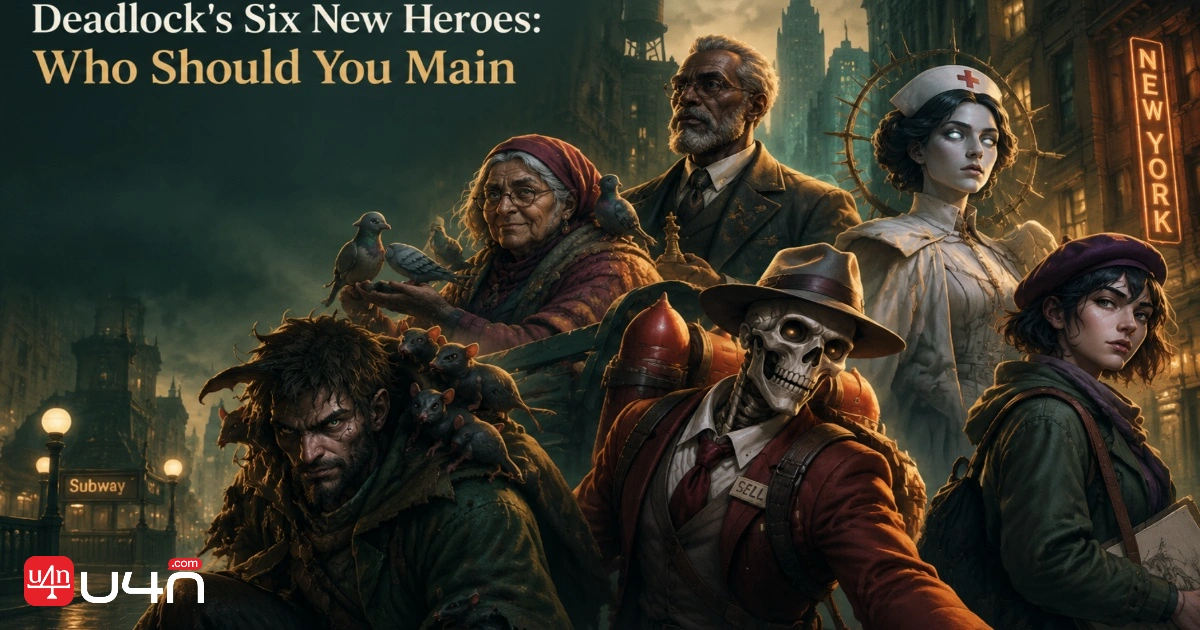
The City Never Sleeps lineup features Rat King, Baba, Solomon, Deadman Danny, Nurse Harrow, and Violet. Valve's rollout puts the release order in players' hands, with two scheduled arrivals each week on Tuesdays and Fridays at 2 p.m. Pacific, starting October 2, 2026. That distinction matters: being revealed doesn't automatically mean a hero is playable.
Here's our reference sheet before we get into the analysis.
Release snapshot: confirmed announcements through October 14, 2026. This table does not include an unverified October 16 voting result.
| Hero | Confirmed gameplay foundation | Release snapshot |
|---|---|---|
| Rat King | Bouncing grenades, a rat swarm, damage mitigation, and a battle banner | Released October 2 |
| Baba | Spirit-stealing Threadsap, an animated bench, magical brews, and birds | Released October 6 |
| Solomon | Chess-themed abilities combining deployed damage, ally protection, and enemy control | Released October 9 |
| Deadman Danny | A rocket launcher, airborne combat, marking missiles, fuel discharge, and an explosive finisher | Released October 13 |
| Nurse Harrow | We're withholding role and ability judgments until we can verify a complete official kit | Not confirmed in this snapshot |
| Violet | We're withholding role and ability judgments until we can verify a complete official kit | Not confirmed in this snapshot |
The released heroes' foundations and dates above follow Valve's announcements. Our recommendations below are tactical interpretations, not measured claims about win rates or current tier placement.
Rat King: Pressure Needs a Purpose
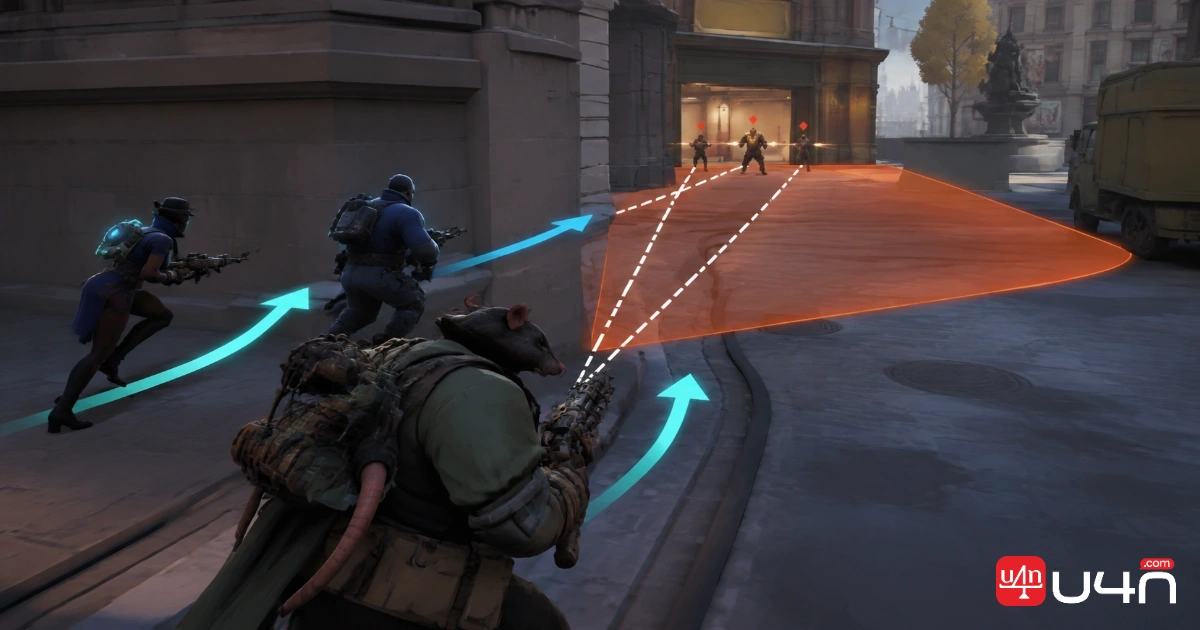
Our read on Rat King starts with one principle: surviving a commitment is useful only if the commitment achieves something.
We recommend thinking about his pressure in terms of space. Before moving forward, identify the position we want opponents to surrender, a corner, an entrance, or a firing angle. Then check whether teammates can use it.
That's the difference between leading a fight and simply being the first player inside one.
How We Would Build the Fight
Our preferred sequence is about decisions rather than a rigid combo:
- Establish where the team can follow.
- Apply pressure without losing access to cover.
- Commit when teammates have a usable opening.
- Reassess once opponents give ground.
The danger is treating defensive tools as permission to keep chasing. If the enemy retreats beyond our team's reach, we may already have won the positional exchange.
Against Rat King, our first counterplay question is whether we need to accept his fight at all. We favor testing a controlled retreat and re-entry rather than automatically spending everything during his initial commitment.
Best fit, in our view: players who enjoy making space and keeping track of their team, not just their target.
Baba: Make the Unusual Kit Work Together
Baba's appeal is obvious. Our priority is making that appeal repeatable.
We recommend learning her toolkit as a sequence of jobs: establish an advantage, extend the exchange, protect the next decision, and capitalize when an opportunity appears. We don't need every ability in every trade.
Learn the Stopping Point, Too
Our favorite test for an unfamiliar combo is simple: what makes us stop?
Perhaps the target reaches cover. Perhaps another opponent appears. Perhaps our teammate turns away. We want that decision made before we're chasing through an unfamiliar part of the map.
For Baba, we would prioritize one reliable interaction over several elaborate sequences. Once we understand why the basic exchange works, we can add complexity without losing the plan.
From the opposing side, our recommendation is equally practical: identify which tool she has used before choosing a response. We don't want to exhaust our options just because the screen gets busy.
Best fit, in our view: players who enjoy experimenting with ability interactions and refining their timing.
Solomon: Control Starts Before the Fight
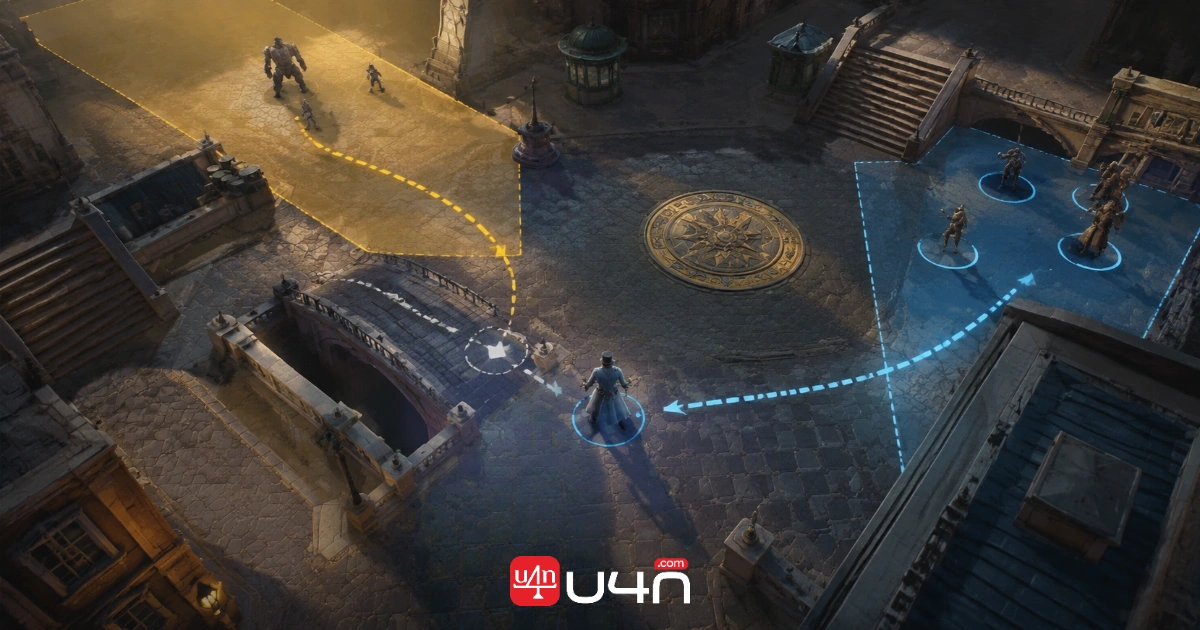
We see Solomon as an invitation to think one move ahead, not five moves ahead while the actual fight happens elsewhere.
Our preferred starting point is a position teammates already want to use. A clever arrangement means little if our damage dealers can't contribute from it.
Plan the Exit Alongside the Setup
Before preparing a position, we ask three questions:
- Where do we expect opponents to approach?
- What can our teammates do from here?
- What would make us reposition?
The third question prevents a familiar trap: defending a plan simply because we invested effort in it.
If opponents choose another route, we recommend reassessing immediately. We shouldn't turn preparation into an obligation to stay.
Against Solomon, our first experiment would be changing the approach rather than repeatedly challenging the same prepared position. We treat that as a tactical starting point, not a guaranteed counter.
Best fit, in our view: players who enjoy positioning, anticipation, and creating opportunities for teammates.
Deadman Danny: Plan the Exit Before the Entry
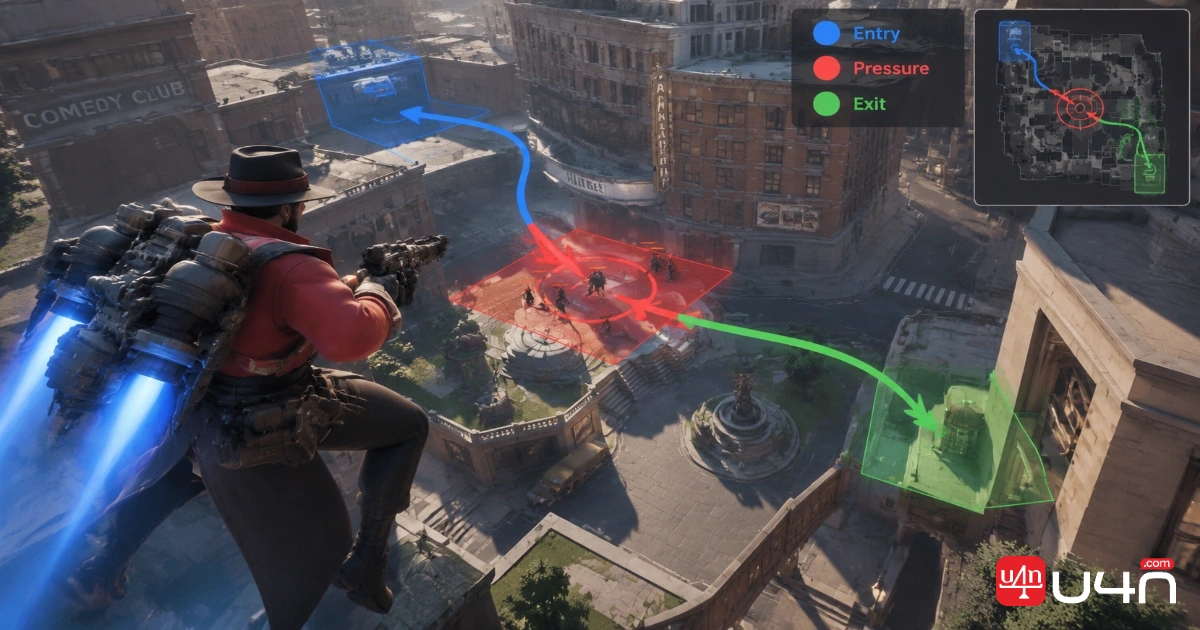
Our first question with Deadman Danny isn't how dramatic the attack looks. It's where we expect to be afterward.
We recommend evaluating each commitment in three parts: entry, useful damage, and escape. If we can describe only the first two, the plan needs work.
An Angle Is an Opportunity, Not an Obligation
Before attacking, we want a clear target and a clear reason:
- Are we creating pressure our teammates can exploit?
- Are we forcing someone away from a valuable position?
- Can we disengage if the target survives?
We would avoid measuring early progress entirely through kills. A better practice goal is creating useful attacks without repeatedly ending up isolated.
When facing Danny, our attention would include his likely return route, not just his current position. We want to understand where the engagement becomes easier to contest.
Best fit, in our view: players who enjoy movement, attacking angles, and making quick commitment decisions.
Nurse Harrow and Violet: What We Can Responsibly Say
We want to give both heroes meaningful coverage without pretending uncertainty is analysis.
Nurse Harrow: Don't Assign a Role From a Name
We aren't calling Nurse Harrow a dedicated healer without a verified kit.
Before recommending her to support-minded players, we need to understand her ally interactions, positioning demands, resource requirements, and contribution when the team is behind.
Our advice is to keep the interest and postpone the role label.
Violet: Let the Mechanics Define the Recommendation
We're applying the same standard to Violet.
Before suggesting a build or difficulty rating, we need to establish what her decisions actually involve: aiming, movement, preparation, resource management, or coordinated follow-up.
Our position on both heroes is deliberate: we would rather leave a question open than publish a confident answer based on appearance or unverified previews.
Who Should We Play and What Could Change?
We recommend choosing a learning project, not chasing an assumed winner.
| Our preferred playstyle | Our starting recommendation | First habit to practice |
|---|---|---|
| Creating coordinated pressure | Rat King | Check teammate access before committing |
| Exploring ability interactions | Baba | Learn one useful sequence and its stopping point |
| Preparing favorable positions | Solomon | Decide when to abandon the setup |
| Finding aggressive attacking angles | Deadman Danny | Choose the exit before the entry |
| Discovering a less-defined option | Nurse Harrow or Violet | Verify the complete kit before committing to a role |
Our Meta Watch: Commitment and Follow-Up
Our hypothesis is that the most interesting changes will come from how teams connect their decisions, rather than which newcomer produces the biggest clip.
We would evaluate a lineup through four questions:
- Who starts the engagement?
- Who can follow immediately?
- Who protects the retreat?
- What remains useful if the first attempt fails?
That framework also helps us avoid overreacting to individual performances. Before calling a hero overpowered, we want to separate the strength of the mechanics from unfamiliarity, coordination, and execution.
Our First-Session Checklist
We recommend keeping the learning process small:
- Read the current ability descriptions.
- Practice one dependable interaction.
- Identify a safe disengage option.
- Learn one opposing hero's clearest threat cue.
- Review one avoidable commitment after each match.
Our goal isn't to understand six kits in one evening. It's to leave with something we can repeat tomorrow.
Deadlock New Heroes FAQ
Which New Hero Should Beginners Try First?
We recommend starting with the hero whose basic decisions feel clearest. For this lineup, we would compare Rat King's pressure-oriented approach with Solomon's preparation-oriented approach before making a personal choice, not assume either is automatically easy.
Which New Hero Is the Strongest?
We aren't declaring a winner without suitable, patch-specific evidence. Our practical recommendation is to choose for consistency first, then reassess strength as we gain reliable information.
Should We Learn All Six Immediately?
We recommend learning one hero to play and one new matchup to understand. That gives us a manageable focus without ignoring what opponents bring.
How Should We Read Early Build Guides?
We check whether a guide explains its purchases, alternatives, and intended fights. We value a clear game plan more than an unexplained shopping list.
For readers considering cheap Deadlock Boosting, our advice is to keep rank goals separate from hero-learning goals. Whatever progression route we choose, we still need a clear understanding of our engagement, our limits, and our way out.
Our verdict: pick the hero whose decisions we want to get better at making. Learn one reliable pattern, recognize what punishes it, and expand from there. That's how we turn a new character into a main, not just another portrait we tried once.