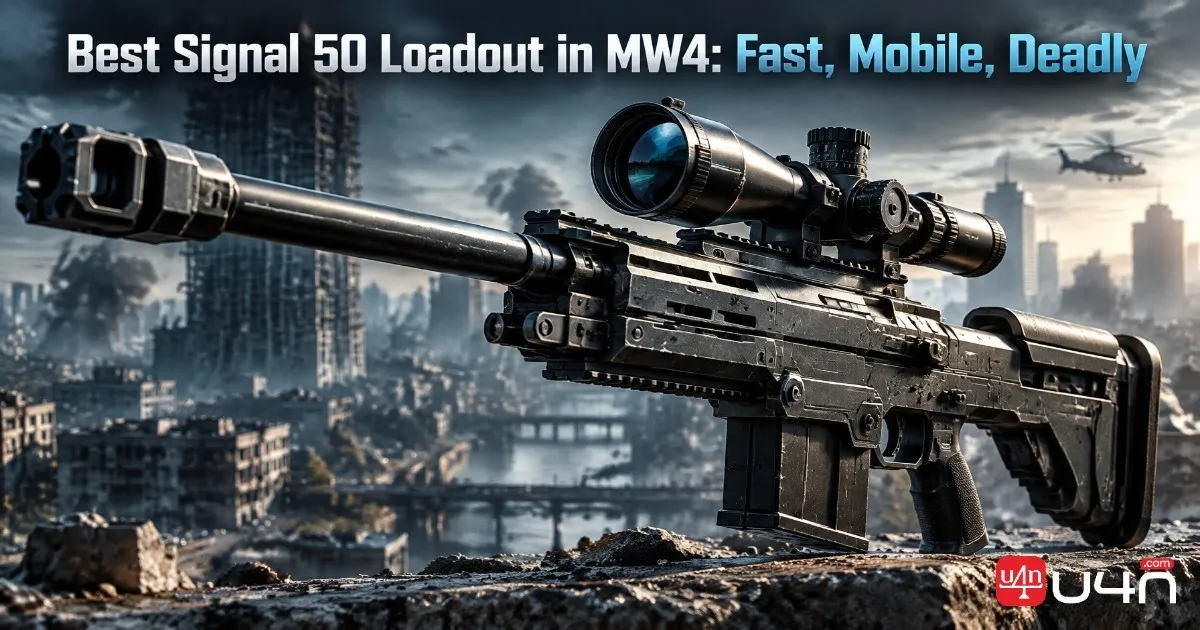
The Signal 50 is a powerful sniper rifle in Call of Duty: Modern Warfare 4 (MW4), but getting the most out of it requires more than choosing a high-damage weapon. Our team recommends a mobility-focused setup that prioritizes handling, quick target acquisition, and the ability to reposition before opponents can punish a missed shot. If you're refining your overall multiplayer performance alongside CoD MW4 Boosting, learning how your attachments work together is a more reliable starting point than copying a build without understanding its trade-offs.
This loadout is designed for players who prefer an active sniping style rather than staying in one position for an entire match. We'll cover the recommended Signal 50 attachments, a complementary secondary weapon, the best supporting equipment, and practical ways to use the build in multiplayer. The goal is to make the rifle more comfortable to handle without sacrificing the tools you need to survive close-range encounters.
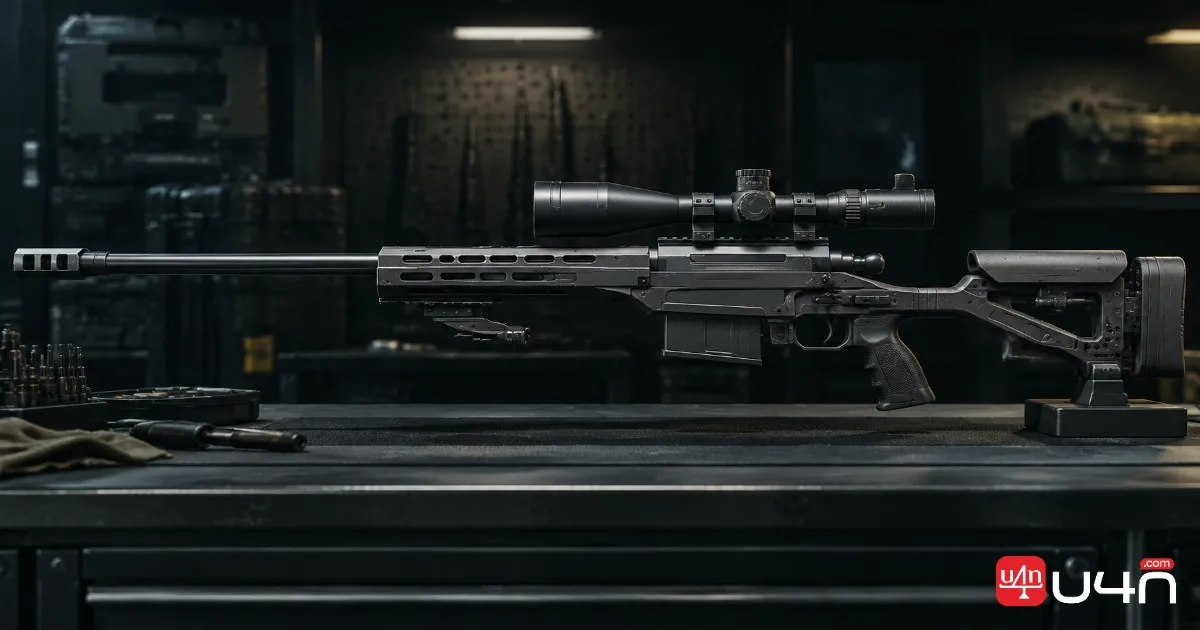
Best Signal 50 Loadout in MW4
Our recommended setup focuses on handling and mobility while retaining useful aiming stability. The attachments below follow the build featured in the reference guide.
| Attachment Slot | Recommended Attachment | Main Purpose |
|---|---|---|
| Barrel | TV Icarus 50 24.5″ | Supports a lightweight, handling-focused build |
| Muzzle | FSS Moodkiller | Provides sound suppression |
| Laser | XRK Clutch-LS | Supports faster aiming and handling |
| Stock | Cronen SN-PAD50 | Improves handling characteristics |
| Rear Grip | GL Zero Drop 6 | Helps manage aiming stability |
| Apex | Signal Inferno | Adds anti-vehicle and Killstreak utility |
The exact benefits and slot compatibility should be checked against the current Gunsmith configuration, particularly if a balance update has changed attachment behavior.
The main idea is to build around responsiveness rather than maximum range. A sniper rifle can have excellent damage potential and still feel awkward when you need to acquire a target quickly, adjust your aim, or move away from an exposed angle. This setup aims to make those actions more manageable.
However, faster handling does not automatically make every engagement easier. If you spend most of your time holding long sightlines, you may prefer a configuration that places more emphasis on aiming stability. We recommend starting with this build, testing it across several matches, and changing individual attachments only when you can identify a specific weakness.
Why These Signal 50 Attachments Work Together
A good sniper build is about balancing several competing priorities. Improving one attribute may come at the expense of another, so we recommend judging each attachment by the role it plays in the overall setup.
Barrel and Muzzle
The TV Icarus 50 24.5″ barrel supports the lightweight direction of this build, while the FSS Moodkiller provides sound suppression. Together, they reflect a preference for a more mobile sniper who can take a shot without making every subsequent move predictable.
Sound suppression is useful, but it should not be mistaken for complete concealment. Opponents can still identify your position through visual cues, teammate callouts, and the direction of incoming fire. After taking a shot, consider changing your angle instead of repeatedly exposing yourself from the same location.
Laser and Stock
The XRK Clutch-LS and Cronen SN-PAD50 are intended to support the handling-focused approach. These choices matter most when you need to bring the rifle up quickly, adjust to a moving target, or transition between engagements.
Our advice is to test the rifle in realistic gunfights rather than judging it only in the Gunsmith menu. Pay attention to whether you can acquire targets comfortably and whether the rifle remains manageable when you need to make a quick correction.
If the setup feels too unstable at longer distances, consider replacing a handling-oriented attachment with an option that improves the specific aiming attribute you're struggling with. The best configuration is the one that suits your reaction speed and preferred engagement distance, not necessarily the one with the most aggressive mobility bonuses.

Is Signal Inferno Worth Using?
Signal Inferno adds a different kind of utility by increasing the rifle's threat to vehicles and Killstreaks. That can be useful in matches where enemy equipment is a regular problem, but its value depends on how often you actually engage those targets.
For a player who primarily wants to eliminate enemy operators, a specialized anti-vehicle attachment may not always be the most valuable use of a slot. If your main objective is conventional sniping, compare its utility against alternative attachments that directly support your preferred shooting style.
We recommend keeping Signal Inferno when its additional utility contributes meaningfully to your matches. Otherwise, prioritize the attributes you use in nearly every engagement.
Best Signal 50 Class Setup
The rifle is only one part of the loadout. A useful class setup should cover the situations in which a sniper is least comfortable, particularly sudden close-range encounters and pressure from enemy equipment.
| Slot | Recommended Choice | Why It Fits |
|---|---|---|
| Secondary | ISO Nightshade | Provides an alternative for close-range fights |
| Melee | FSS Carbon Edge 1095 | Completes the weapon setup |
| Tactical | Flash Grenade | Creates opportunities to move or challenge opponents |
| Lethal | Semtex | Pressures enemies behind cover |
| Field Upgrade | Trophy System | Helps counter incoming projectiles |
| Perk 1 | Overkill | Supports a two-primary-weapon setup |
| Perk 2 | Fast Hands | Supports weapon handling and equipment transitions |
| Perk 3 | Battle Hardened | Helps mitigate certain enemy tactical effects |
Check the current in-game descriptions before finalizing the class, as equipment effects, perk names, and compatibility can change with updates.
Best Secondary Weapon: ISO Nightshade
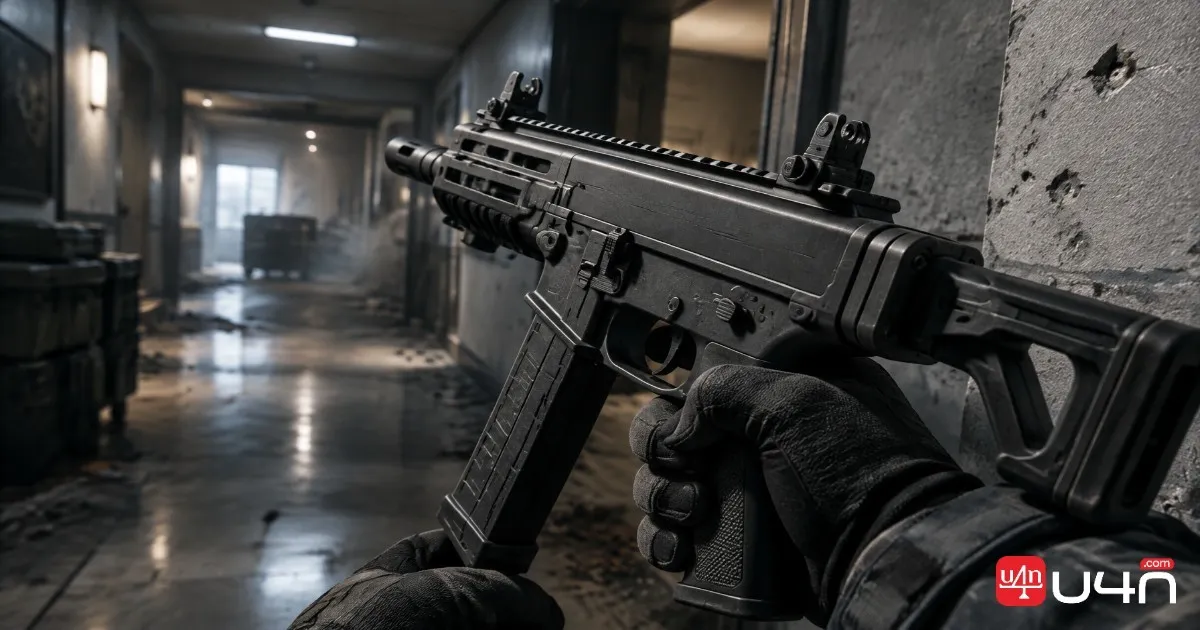
The ISO Nightshade complements the Signal 50 by giving you another option when an enemy closes the distance. A sniper rifle is most effective when you can control the engagement, but tight corridors and sudden flanks often leave little room to line up another shot.
Use the ISO Nightshade when an opponent pushes into your immediate space or when moving through an area where a sniper rifle is difficult to handle. Switch back to the Signal 50 when the sightline opens, and you can engage at a more suitable distance.
Overkill supports this two-primary approach, while Fast Hands helps make weapon transitions more practical. Together, they encourage a flexible playstyle instead of forcing you to rely on the sniper rifle in every situation.
Best Perks and Equipment
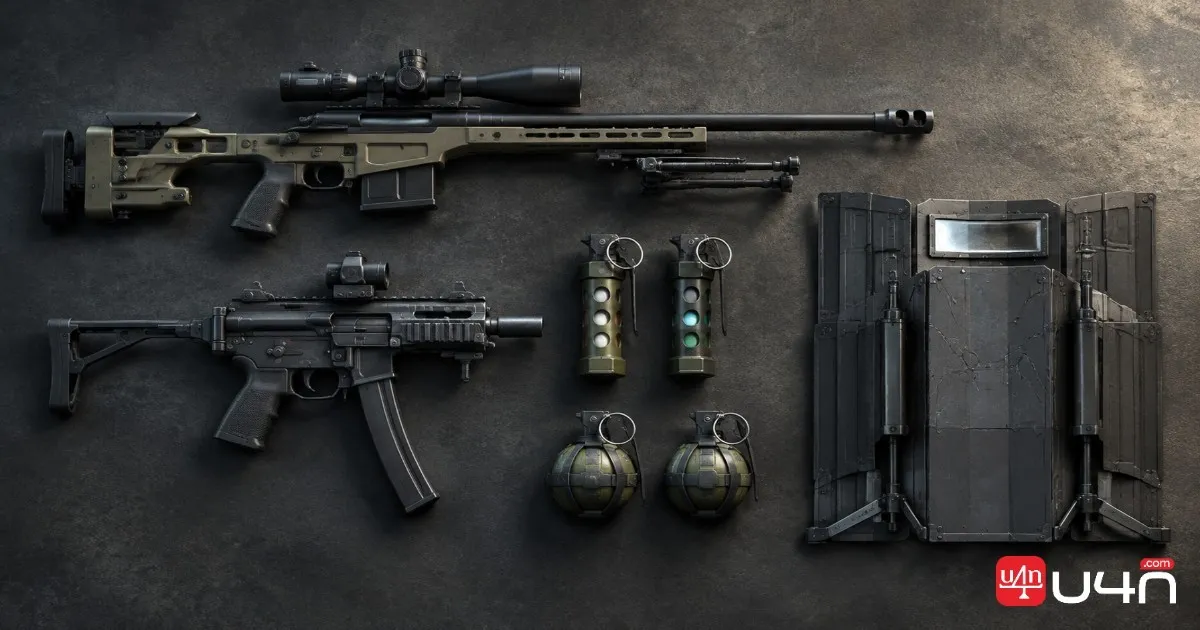
Flash Grenades and Semtex serve different purposes. A flash can help disrupt an opponent before you move through a contested area, while Semtex can pressure enemies who are holding cover. Neither guarantees a successful push, so use them to create an advantage rather than treating them as automatic solutions.
Trophy System is a useful defensive option when you expect incoming projectiles around a position. It can help you maintain control of a sightline, but it does not make you invulnerable. Watch for flanks and be prepared to relocate if opponents begin coordinating their attacks.
Battle Hardened rounds out the class by helping mitigate certain tactical effects. The overall setup favors a sniper who wants to stay active, change positions, and retain a practical answer to threats outside the rifle's preferred engagement range.
How to Use Signal 50 Effectively in Multiplayer
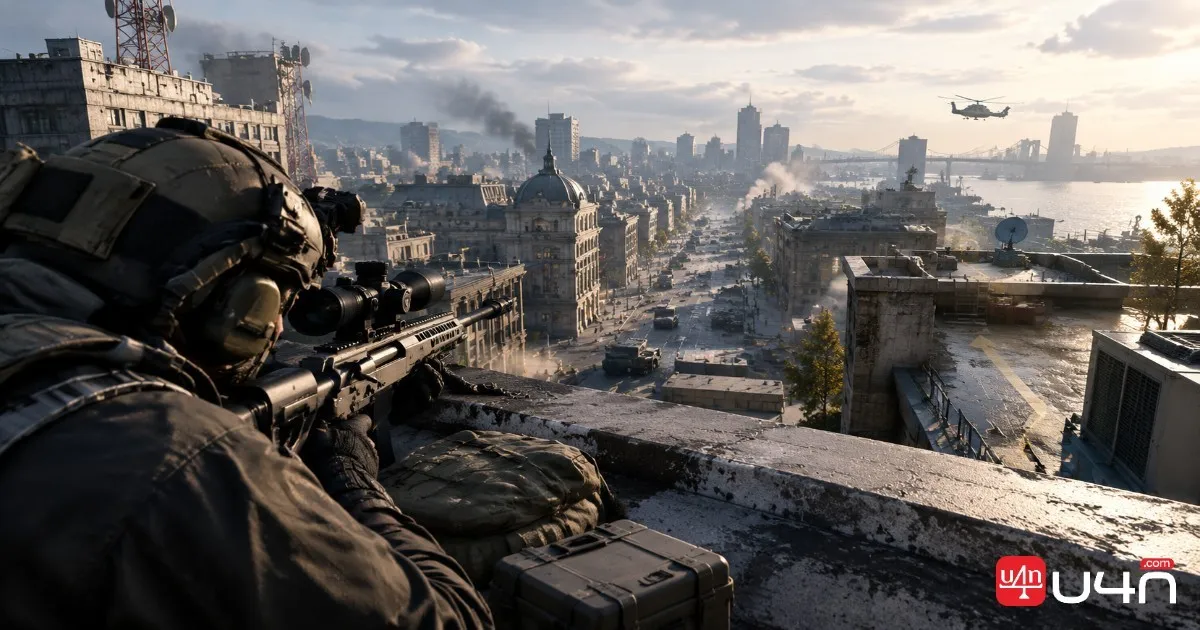
Even a well-built rifle cannot compensate for poor positioning. Our team recommends using the Signal 50 to control useful sightlines, punish exposed opponents, and create opportunities to move before the enemy team can respond.
Choose Sightlines That Allow You to Reposition
Look for positions that offer a clear view of common enemy routes without leaving you completely exposed. You want enough visibility to recognize targets early, but you also need nearby cover or an alternative route when your position becomes compromised.
Avoid repeatedly challenging the same angle after opponents have identified you. Experienced players will pre-aim familiar sightlines, throw equipment toward your position, or approach from another route. Moving a short distance can be more valuable than attempting another shot from an increasingly predictable position.
Prioritize Target Acquisition Over Unnecessary Shots
A mobility-focused build encourages quick engagements, but rushing every shot can undermine its advantages. Take enough time to identify the target and place your crosshair before firing.
If an opponent moves out of view, resist the temptation to chase blindly. Reassess the angle, watch for another opportunity, or switch to the ISO Nightshade if the fight becomes too close. A controlled retreat can preserve your position and prevent one missed shot from turning into a lost gunfight.
Know When to Switch Weapons
The Signal 50 should handle engagements where you have enough space to aim comfortably. The ISO Nightshade is the more practical choice when enemies enter close quarters or you need to clear a confined area.
This distinction is especially important when moving between objectives. Rather than carrying the sniper rifle through every doorway, use the secondary weapon when the environment favors faster close-range handling, then return to the rifle when a clear sightline becomes available.
If you also play DMZ and are planning your broader progression, keep that objective separate from your multiplayer build decisions. Searches for buy CoD MW4 DMZ Cash relate to a different gameplay and progression need; they do not determine which attachments make the Signal 50 more effective in multiplayer.
Summary
The best Signal 50 loadout in MW4 is not necessarily the one that maximizes every weapon statistic. For players who prefer active sniping, our recommended build emphasizes handling, mobility, and the ability to reposition after engagements. The ISO Nightshade provides a practical close-range alternative, while the supporting perks and equipment help the class remain useful beyond long sightlines.
The most important decision is whether the build matches your actual playstyle. If you frequently move between positions and take quick opportunities, a handling-focused configuration is a sensible starting point. If you prefer to hold distant angles, prioritize the aiming characteristics that help you stay consistent at range. Test the setup, identify its weaknesses, and adjust one attachment at a time.
Our final recommendation is to treat this loadout as a flexible starting point rather than a universal solution. Good positioning, target selection, and weapon switching will often make a bigger difference to your results than changing several attachments without a clear reason.
FAQ
What is the best Signal 50 loadout in MW4?
The recommended build uses the TV Icarus 50 24.5″ barrel, FSS Moodkiller, XRK Clutch-LS, Cronen SN-PAD50, GL Zero Drop 6, and Signal Inferno. Verify the current Gunsmith slots and attachment effects before using the setup.
What is the best secondary weapon for Signal 50?
The ISO Nightshade is the recommended secondary for this class because it provides another option when enemies push into close range. It lets you respond to situations where keeping the sniper rifle equipped would be impractical.
Is Signal 50 better for aggressive sniping or long-range positioning?
This particular build is oriented toward handling and mobility, making it a more natural starting point for active sniping. Players who primarily hold distant sightlines should evaluate whether a more stability-focused setup better suits their needs.
Should I use Signal Inferno on every Signal 50 build?
Not necessarily. Its anti-vehicle and Killstreak utility can be valuable in the right match, but players focused on conventional operator engagements may prefer to prioritize other weapon attributes. Choose it according to the threats you regularly encounter.
How can I improve with the Signal 50?
Practice crosshair placement, choose positions with clear sightlines and nearby cover, and relocate when enemies begin anticipating your shots. Learn when to switch to your secondary weapon rather than forcing every engagement with the sniper rifle. Consistent positioning and disciplined target selection are more useful than relying on attachments alone.