Call of Duty: Modern Warfare 4 launches with a multiplayer lineup built around compact firefights, objective-based team play, and large-scale battles. For players jumping in on day one, knowing which maps support each mode, and how those layouts influence combat, is a more useful starting point than memorizing a list of names.
Our team recommends treating the launch map pool as a learning process. Spend your first matches understanding sightlines, cover, objective routes, and spawn locations before committing to a fixed loadout. Players who want to accelerate early progression can also consider whether MW4 Leveling Boosting fits their goals, but learning the fundamentals will remain important regardless of rank.
Modern Warfare 4 Launch Maps: The Full List
According to the official multiplayer announcement published on October 21, 2026, Modern Warfare 4 launches with 12 Core 6v6 maps, three 32v32 Ground War maps, four 2v2 Gunfight maps, and Kill Block, a modular battleground supporting 3v3 and 10v10 Gunfight. Shipment is scheduled to arrive on October 27 as a post-launch addition.
The important distinction is that these maps are designed for different combat rhythms. A compact arena rewards quick target acquisition and disciplined movement, while a large battlefield demands stronger awareness of objectives, vehicle routes, and team positioning.
The launch map pool is not one uniform battlefield. Each category offers a different combat rhythm, so understanding map size, player format, and objective design is the best starting point for choosing where to play.
| Map category | Maps | Player format |
|---|---|---|
| Core Multiplayer | Cachette, Coal, Lithium, Lotus, Mumbai, Munition, Nautical, Reactor U92, Rooftops, Sentry, Silkworm, Transit 213 | 6v6 |
| Ground War | Imjin Farmland, Wolves Stadium, Forest | 32v32 |
| Gunfight | Cafe, Library, NYC, Smuggler | 2v2 |
| Modular battleground | Kill Block | 3v3 and 10v10 Gunfight |
| Post-launch addition | Shipment | 6v6, scheduled for October 27 |
The official Modern Warfare 4 multiplayer maps and modes guide provides the complete descriptions and interactive tactical maps for the supported Core and Ground War locations.
How Map Layouts Affect Multiplayer Combat
A map's visual theme tells only part of the story. What matters during a match is how the environment shapes movement, engagement distance, and access to objectives.
Core 6v6: Learn the Routes Before Chasing Kills
Several Core maps offer distinct environments that encourage different approaches:
- Mumbai: Its dense residential district, market, and rail line make route awareness and close-range encounters important areas to study.
- Rooftops: Multiple rooftop features and elevated platforms create opportunities to observe exposed routes, but elevated positions can also leave players vulnerable.
- Silkworm: A shopping district with alleys and a central subway entrance offers several routes through the combat area.
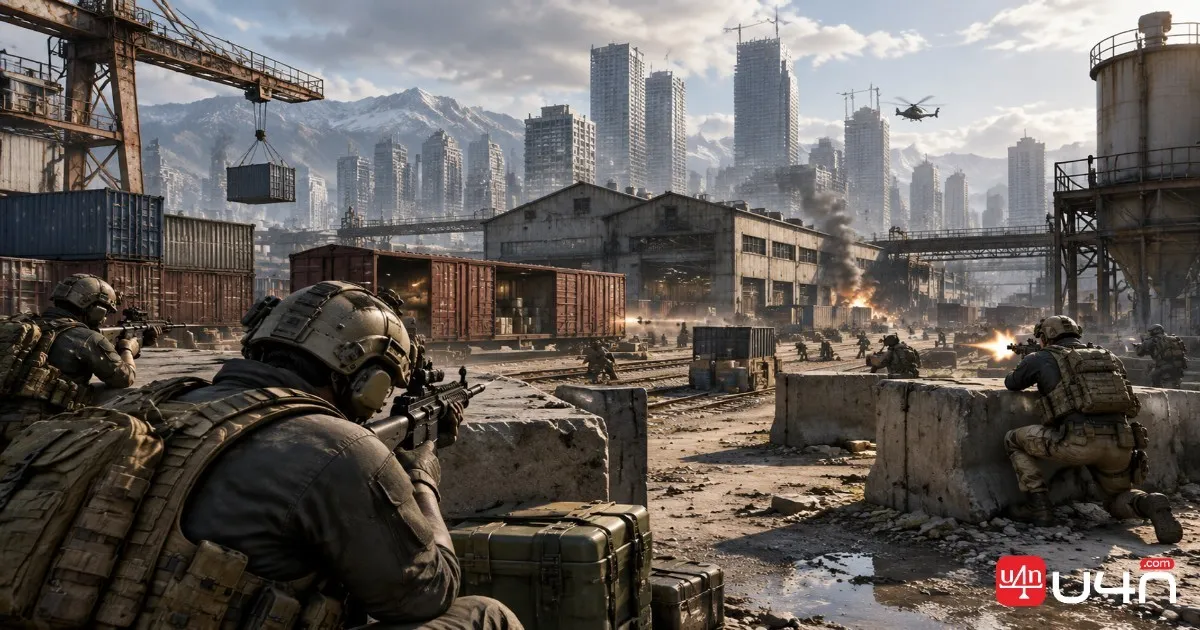
- Munition: Its command facility, skybridge, crane, and hangars provide multiple landmarks worth learning during early matches.
- Lotus: A damaged South Korean fishing village combines market areas, residential blocks, gardens, and a boathouse.
Our team suggests learning two reliable routes on each map before experimenting with aggressive flanks. Identify where you can disengage, which approaches leave you exposed, and how quickly you can return to an objective after a lost fight.
This approach is especially useful in objective modes. A player who understands the route back to a Hardpoint can contribute more consistently than someone who wins isolated gunfights but repeatedly arrives too late.
Ground War: Control Space, Not Just Your Kill Count
The three Ground War maps provide different environments for large-scale combat.
| Map | Key environmental features | What to study |
|---|---|---|
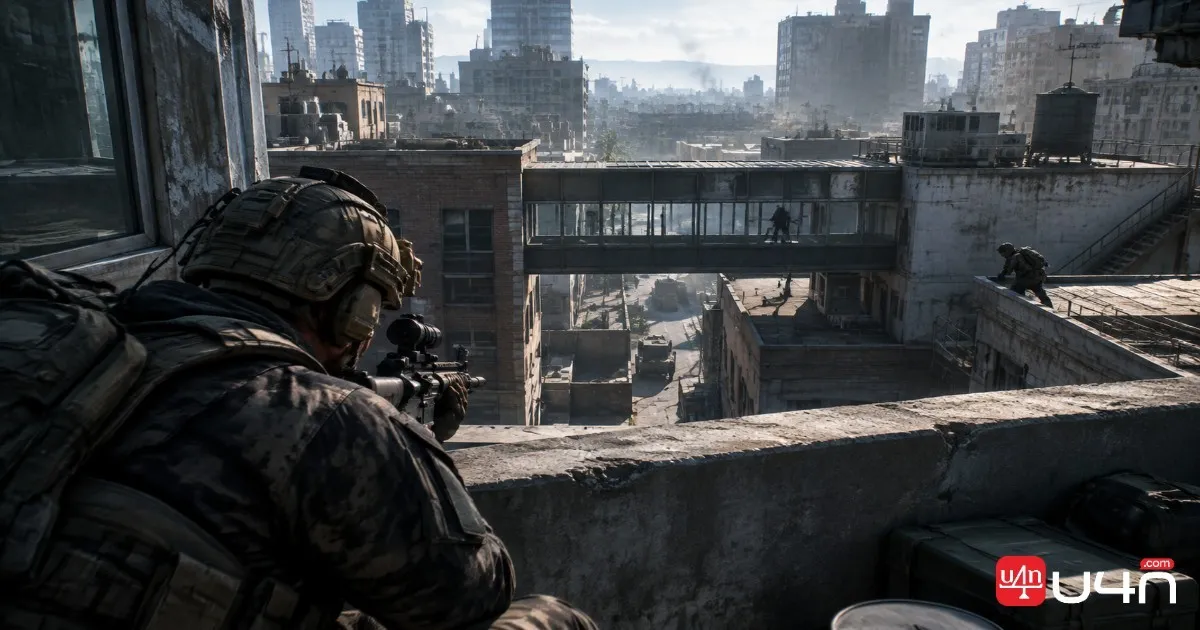
| Imjin Farmland | Open fields, waterways, farms, roads, rail lines | Long sightlines, vehicle movement, and approaches to strongholds |
| Wolves Stadium | Multi-story buildings, transit lines, tunnels, rooftops | Route selection, elevation, and urban objective access |
| Forest | Wooded hills, streets, off-road paths, guard tower | Concealed approaches, vehicle routes, and control of elevated positions |

These are starting points for map study, not guaranteed tactical rankings. Actual weapon effectiveness and the safest routes will depend on the mode, team composition, and how opponents use the environment.
When a fight becomes difficult, our team recommends checking the wider objective picture before returning to the same contested route. A different approach or a coordinated push may create more value than repeatedly challenging an entrenched position.
Gunfight and Kill Block: Small Decisions Matter
Gunfight reduces the battlefield to a smaller arena, where a missed shot or poorly timed push can decide a round. The launch maps, Cafe, Library, NYC, and Smuggler, feature different combinations of central obstacles, elevated positions, and enclosed spaces.
Kill Block introduces a different challenge. Its modular layouts change between rounds, with more than 500 possible combinations. Players cannot rely on memorizing a single permanent arrangement; they need to reassess sightlines, cover, and routes as the arena changes.
For both formats, our advice is simple: communicate enemy positions, avoid exposing both teammates to the same angle, and pay attention to the information gained from the opening engagement.
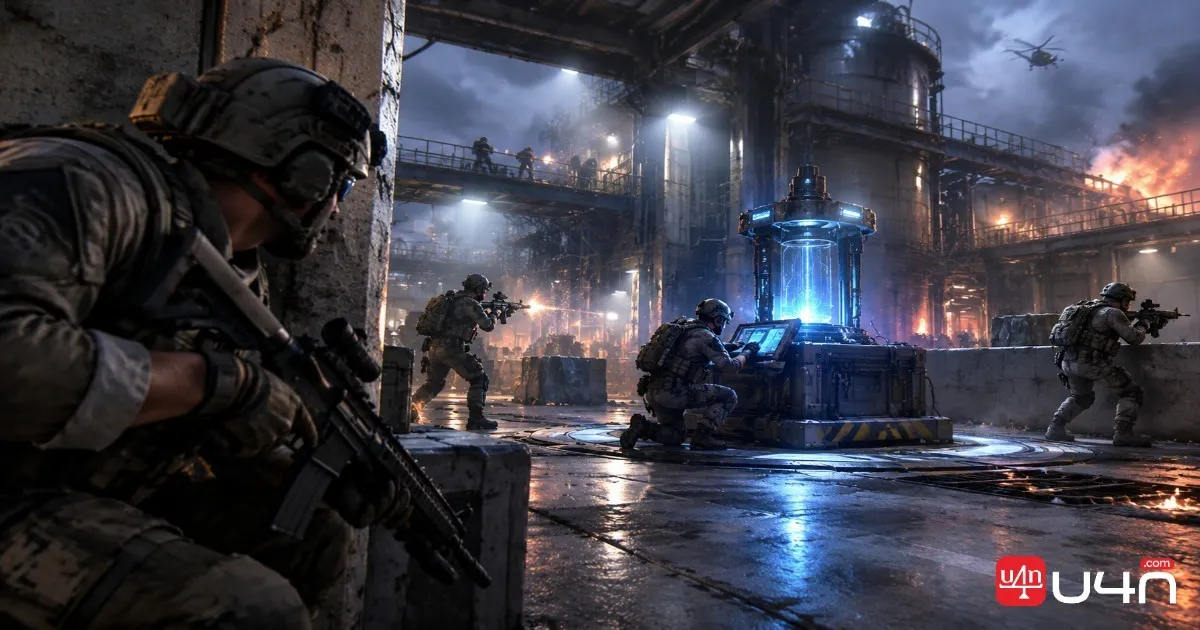
Modern Warfare 4 Game Modes Explained
The launch lineup includes familiar respawn modes, round-based tactical modes, Ground War, and additional activities. Understanding the objective is often more valuable than choosing a mode solely because it looks action-packed.
| Mode | Main objective | Practical focus |
|---|---|---|
| Team Deathmatch | Reach the elimination score limit | Consistent engagements and map awareness |
| Domination | Capture and defend objectives | Positioning and coordinated rotations |
| Hardpoint | Control the rotating objective | Timing, preparation, and team movement |
| Kill Confirmed | Collect enemy dog tags and deny opposing scores | Smart engagements and safe tag recovery |
| Free-For-All | Reach the elimination limit individually | Awareness and choosing favorable fights |
| Frontline | Push forward from your team's base | Coordinated pressure and route control |
| Search & Destroy | Plant or defuse the bomb, or eliminate the enemy team | Communication and round management |
| Gunfight | Eliminate opponents or secure the overtime objective | Accuracy, timing, and teamwork |
| Gun Game | Advance through the weapon sequence | Adaptability across different weapons |
Hardcore variants also change the experience through a limited HUD, friendly fire, and reduced health without regeneration. Players accustomed to standard multiplayer should adjust their positioning and target identification rather than assuming the same approach will work in both variants.
New Modes Worth Learning Early
Inflation
Inflation rewards players for eliminating opponents and collecting cash, but carrying substantial wealth also increases their exposure by revealing high-value targets. The central decision is when to pursue more money and when to protect what the team has already earned.
Hijack
Hijack revolves around a Data Spike that players can carry, throw, and pass to teammates. Planting it starts a scoring process, but the attacking team must defend the area long enough to complete the upload. Teams need to think beyond reaching the objective: securing the surrounding space is equally important.
Collateral
Collateral combines bomb-site objectives with a purchase phase and persistent cash earnings. Players start with a pistol and limited funds, then buy equipment and weapons between rounds. There are no respawns or custom loadouts, so spending everything on individual firepower may leave a team short of useful equipment or shared support.
Combat Outpost
Combat Outpost expands Ground War's objective play with capture points, additional spawn options, and team rewards. Capturing territory is only part of the job; reinforcing an outpost can provide further advantages, making defense and coordination important after the initial push.
These modes offer different strategic demands, but we recommend learning one at a time. Focus first on the win condition, then work out which decisions produce the greatest value for your team.
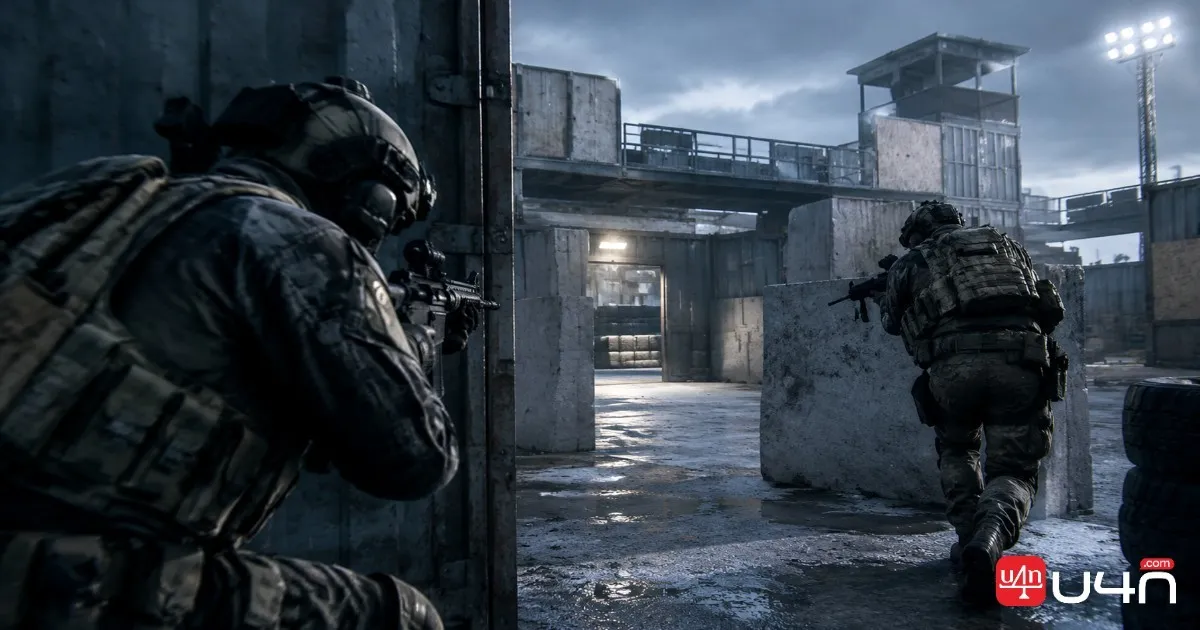
Which Maps and Modes Should You Try First?
There is no universally best map or mode for every player. The right starting point depends on whether you prefer frequent engagements, objective control, tactical rounds, or large-scale team battles.
| If you prefer... | Start with... | Why |
|---|---|---|
| Frequent, direct firefights | Core 6v6 and Team Deathmatch | Easier to focus on movement and aiming fundamentals |
| Coordinated objective play | Domination and Hardpoint | Encourages communication and positioning |
| High-stakes tactical rounds | Search & Destroy and Collateral | Rewards patience, planning, and resource management |
| Small-team competition | Gunfight | Emphasizes precision and partner coordination |
| Large-scale warfare | Ground War and Combat Outpost | Combines territory control with broader battlefield awareness |
| Unpredictable arena layouts | Kill Block | Requires adapting to changing routes and sightlines |
Before changing your loadout, identify the problem you are trying to solve. If enemies consistently catch you crossing open space, a different route may help more than a new weapon. If you reach objectives but cannot hold them, communication and defensive positioning may be the real issue.
Players planning to buy MW4 DMZ Items should keep that separate from multiplayer map preparation. DMZ progression and extraction objectives are a different concern from learning multiplayer rotations, so purchasing decisions should follow the mode you actually intend to play.
Shipment is also worth watching after launch, especially if you enjoy compact maps and rapid engagements. However, its scheduled arrival should not be confused with the initial launch map pool.
Summary
Modern Warfare 4 offers several distinct multiplayer experiences, from compact Gunfight arenas to large Ground War battles. The best way to approach the launch is to learn the map categories, understand each mode's win condition, and adapt your movement to the environment instead of relying on one universal strategy.
Our team recommends starting with a familiar respawn mode, learning a handful of Core maps, and then moving into more specialized formats such as Collateral, Hijack, or Combat Outpost. As the player base develops new routes and strategies, revisit your assumptions and adjust accordingly.
The most reliable advantage is not knowing every map name. It is understanding why a route, position, or objective matters, and making better decisions because of it.
FAQ
How many maps are available at Modern Warfare 4 launch?
The official announcement lists 12 Core 6v6 maps, three Ground War maps, four 2v2 Gunfight maps, and the modular Kill Block battleground supporting 3v3 and 10v10 Gunfight.
Is Shipment available on launch day?
No. Shipment is scheduled to arrive on October 27, 2026, as a post-launch 6v6 map.
What is Kill Block in Modern Warfare 4?
Kill Block is a modular multiplayer battleground whose layout changes between rounds. It supports 3v3 and 10v10 Gunfight, requiring players to adapt to changing sightlines and routes.
Which Modern Warfare 4 mode is best for beginners?
Team Deathmatch is a straightforward starting point because its primary objective is easy to understand. Domination and Hardpoint are also useful for learning objective positioning and team coordination.
What makes Collateral different from Search & Destroy?
Collateral adds a purchase phase and an economy built around cash earned during the match. Players buy equipment and weapons between rounds, while Search & Destroy uses its established bomb-site objectives without the same purchasing system.