Making Mesos during the early game is easier when we choose maps that offer both reliable EXP and useful drops. Instead of focusing only on leveling speed, we should look for monsters that are easy to defeat, spawn consistently, and drop items other players actually want. With the right farming route, players can build up their supply of MapleStory Classic World Mesos while progressing through the early levels.
We generally recommend starting with quests and regular training before committing to dedicated farming. Once characters reach around Level 20–25, they have more options for earning money through monster drops, equipment, and valuable scrolls. The best map depends on your class, damage output, potion costs, and how crowded the area is.
What Makes an Early Farming Map Worthwhile?
A good farming map should provide more than a high monster count. We need to consider how quickly our character can defeat the monsters, how much damage they deal in return, and whether their drops have enough value to justify the time spent there.
Ranged classes such as Archers and Thieves often have an advantage in certain early maps because they can attack without staying directly beside monsters. Their basic attacks can also help reduce MP expenses when they are sufficient to finish a target. Melee classes can farm effectively too, but they need to pay closer attention to incoming damage and potion consumption.
For melee characters in particular, killing monsters in one or two hits can make a noticeable difference. Spending too long fighting a single target increases the chance of taking damage and reduces the number of monsters we can defeat over time.
When comparing farming locations, we recommend checking these factors:
| Factor | What to Look For |
|---|---|
| Monster Level | Targets that match your character's level and accuracy |
| Kill Speed | Monsters that can be defeated with minimal attacks |
| Spawn Rate | Consistent monster availability without long downtime |
| Mesos Drops | Reliable money from regular kills |
| Valuable Loot | Equipment, scrolls, and crafting materials with player demand |
| Potion Cost | Low HP and MP consumption during extended sessions |
| Map Competition | Enough available platforms or space to farm consistently |
A map with slightly lower EXP can still be a better choice if its drops are more valuable and its potion costs are lower.
Ellinia: Green Mushrooms and Slimes
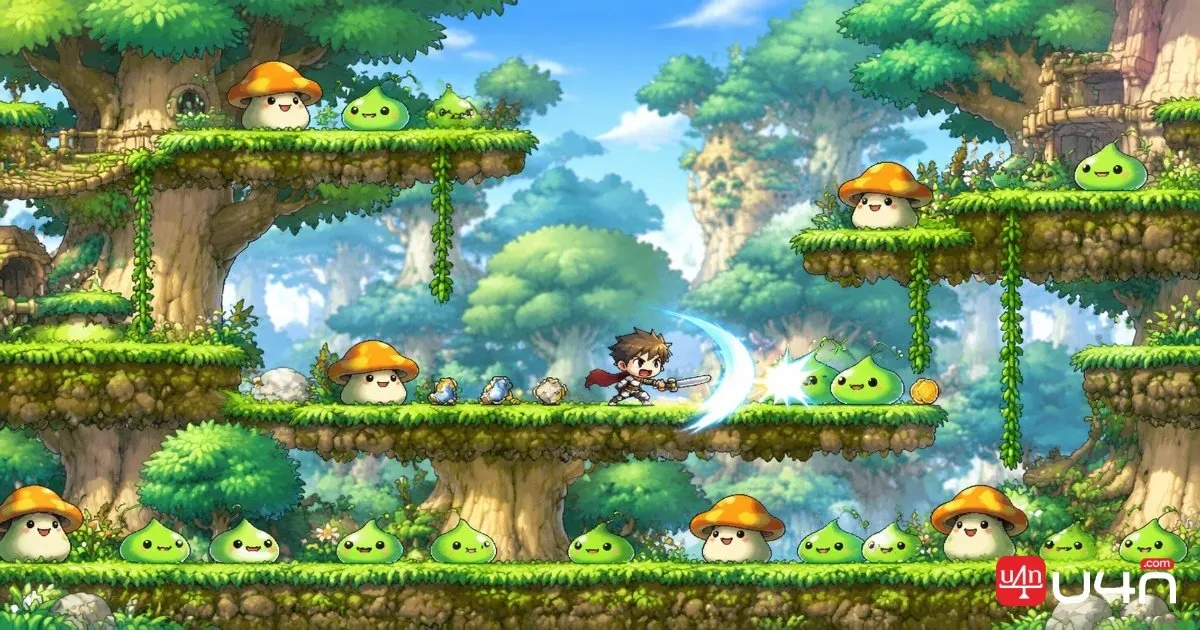
Ellinia is one of the strongest early farming areas to consider, particularly around its lower-left sections. The maps contain Green Mushrooms and Slimes, giving lower-level characters accessible targets with useful drops.
Green Mushrooms are especially attractive because of their population density. Once we find a suitable platform, we can maintain a steady rotation without spending too much time moving between monsters. Their low level also makes them relatively efficient targets for characters who are still developing their damage.
Each Green Mushroom provides roughly 30 Mesos in direct drops. That may not seem significant at first, but repeated kills add up.
Potential drops include:
- Green Mushroom Caps, which can be sold to NPCs or offered to other players.
- Equipment that may be useful to early characters.
- Ore and other materials.
- Rare equipment and scroll drops, including the possibility of a valuable Pan Lid or an attack scroll.
The Pan Lid is particularly worth watching because a desirable version can attract strong player demand. However, rare drops should be treated as occasional bonuses rather than guaranteed farming income. Community drop references list Pan Lid as a possible Green Mushroom drop, but its listed drop rate is extremely low.
For consistent returns, we would focus on the combination of direct Mesos, ordinary drops, and the chance of obtaining something with higher market value. Green Mushrooms are not necessarily a source of frequent jackpots, but they offer a practical balance between EXP and early-game income.
Forest of Monkeys 1 and Ant Tunnel
Two other locations deserve attention once we start comparing monster density, map access, and sustained farming efficiency.

Forest of Monkeys 1: Focus on the Top Platform
Forest of Monkeys 1 has a useful farming spot on its upper platform, where Green Mushrooms spawn without the stronger monsters found below. This gives lower-level characters an opportunity to farm without dealing with every monster on the map.
We recommend staying on the upper platform unless your character is strong enough to handle the lower sections. Monkeys and Lupins can be dangerous for characters who have not reached the appropriate level or damage threshold.
The map can become crowded, but the upper platform may still offer a more manageable place to train. It is particularly useful for players who want to focus on Green Mushroom drops while gaining EXP.
Party farming is not always the best option here. Characters below Level 32 may receive little or no EXP from the higher-level monsters in the lower sections, depending on the target. If party members clear those monsters while you can only gain experience from Green Mushrooms, the group may not improve your leveling efficiency.
For lower-level players, solo farming on the upper platform is often the more straightforward approach.
Ant Tunnel: Consistent Spawns for Extended Farming
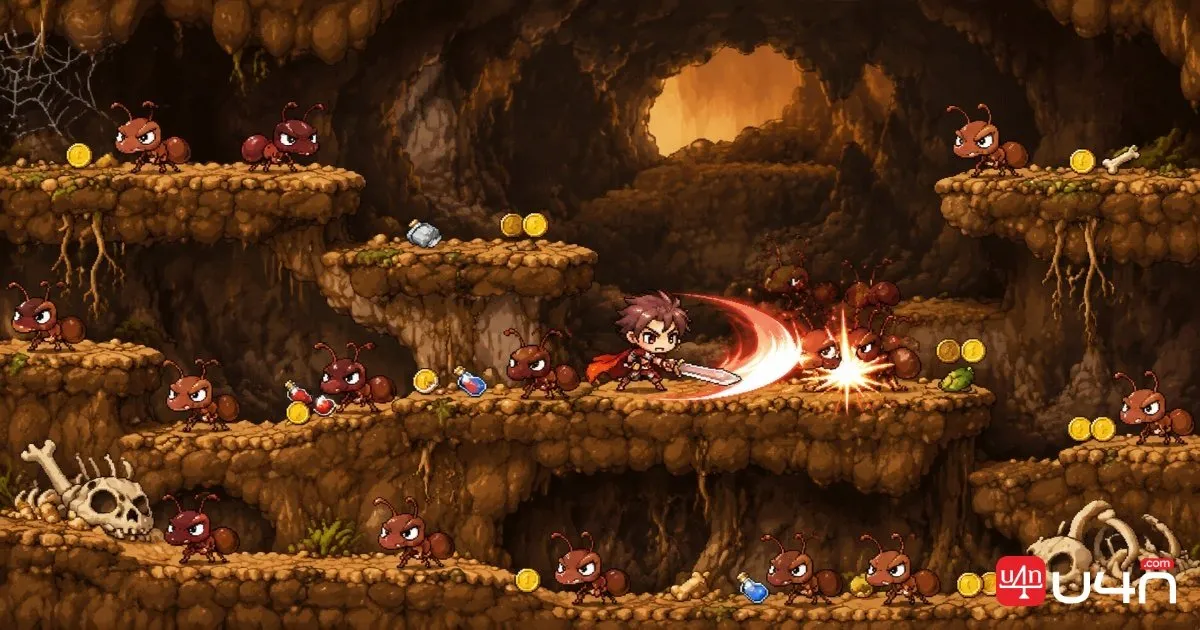
Ant Tunnel is a familiar early-game destination, and its main advantage is the ability to keep attacking without constantly searching for new targets.
The original farming observations describe monster respawns occurring roughly eight seconds after a cleared area is emptied. This makes the tunnel suitable for players who prefer to hold a position and maintain a steady attack rhythm.
The approach is simple: find a manageable spot, defeat the available monsters, and continue farming as they respawn. It may look less active than moving around a large map, but consistent spawns can make this method effective for both EXP and drops.
Characters around Level 20 can start considering the area, although higher damage and better survivability will make longer sessions more comfortable. Players who can defeat monsters in fewer attacks will generally spend less on MP and take less damage.
Ant Tunnel also offers several maps to choose from, so we do not need to stay in the most crowded section. If competition becomes a problem, moving to another available map can be more productive than repeatedly fighting for the same monsters.
Kerning City Party Quest: Farm the Bonus Stage
Kerning City Party Quest remains another option for early-game players, particularly those who want to combine group content with monster farming.
The quest becomes available at Level 21. However, after its reward adjustments, we would not automatically treat the standard PQ rewards as the main reason to participate. For players around Level 30 and beyond, the Bonus Stage can be worth considering as a separate farming opportunity.
When looking for a party, players may encounter groups advertised for a specific purpose, such as Bonus or Rush. These labels help indicate what the group intends to prioritize.
The Bonus Stage has several advantages:
- Party members gain access to a separate area, reducing interference from outside players.
- The stage contains mushroom monsters that can provide useful EXP.
- Monsters can drop ordinary items during the farming session.
- Players receive an additional reward chest after completing the stage, which may contain valuable items such as scrolls.
The private farming space is one of its biggest practical advantages. We do not have to compete with unrelated players for every monster, although party members can still compete with one another for kills and drops.
For this reason, it is important to join a group whose goals match yours. If the priority is farming the Bonus Stage, a party that understands and follows that plan will make the session more predictable.
The Bonus Stage is worth considering not only for its reward chest, but also for the EXP and monster drops available during the farming session.
Pig Beach: Scrolls and Crafting Materials
Pig Beach is a well-known early-game farming location, while nearby Henesys maps can provide similar opportunities. These areas are worth considering for characters in their teens and early twenties who need money without fighting monsters that are too difficult.
Pigs and Ribbon Pigs are attractive targets for two main reasons: their relatively low levels make them easy to defeat, and their drops include items that can be useful in player trading and crafting.
The direct Mesos gained from each kill may be modest, but the value of their drops can make up for it. Some equipment is mainly suitable for NPC sales or personal use, while certain scrolls have much stronger trading potential.
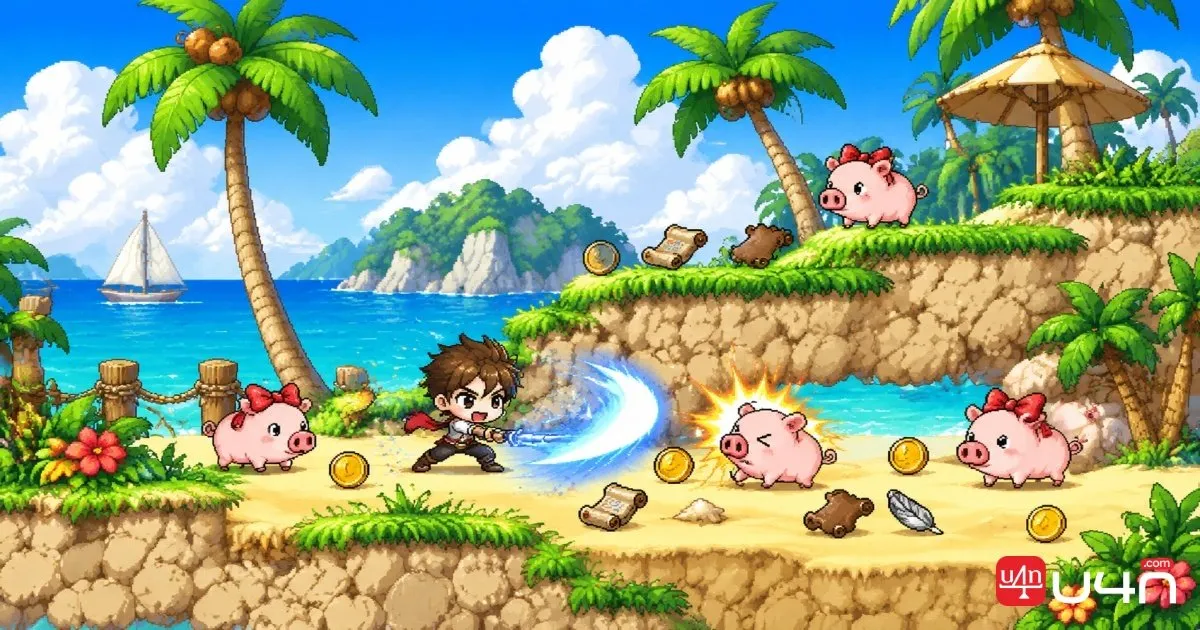
Notable drops mentioned in the original farming observations include:
| Monster | Notable Drops | Why They Matter |
|---|---|---|
| Pig | Cape INT 100%, Shoes Jump 60% | Scrolls that may attract player demand |
| Ribbon Pig | Overall STR 100%, leather, feathers, and other materials | Potentially valuable scrolls and crafting supplies |
| Both | Pig's Head and other monster materials | Items used in crafting or player trading |
The value of these drops depends on current market demand. A scroll with a useful stat effect may sell for considerably more than ordinary equipment, but its low drop rate means we should not rely on finding one during every session.
Crafting materials are also worth keeping an eye on. Leather, Hard Feathers, Pig's Heads, and related materials can be useful to players working on equipment production. Items that appear unimportant when viewed individually may still have consistent demand when other players need them in larger quantities.
Before selling everything to an NPC, we recommend checking whether other players are buying the material. A small amount of market research can prevent us from selling a useful drop for far less than its potential value.
Summary
Early-game Mesos farming is not about finding one map that is best for every character. It is about choosing targets that match our current damage, keeping potion expenses under control, and prioritizing drops with real value.
Green Mushrooms in Ellinia offer a useful combination of direct Mesos and equipment drops. Forest of Monkeys 1 provides a more focused upper-platform option, while Ant Tunnel supports consistent monster farming. Kerning City Party Quest adds a group-based Bonus Stage, and Pig Beach remains attractive for scrolls and crafting materials.
As your character grows stronger, reassess your farming route instead of staying in one location out of habit. Better damage, lower potion costs, and access to more valuable drops can change which map provides the best overall return. Keeping useful equipment and materials for personal upgrades or checking the market before selling can also make your early progression more efficient.
FAQ
When should I start farming Mesos?
Around Level 20–25 is a practical point to begin focusing on dedicated farming maps. Before that, regular quests and training can help you gain levels while collecting basic supplies and money.
Are Green Mushrooms worth farming?
Yes. Green Mushrooms are accessible early targets with consistent direct Mesos drops and a useful selection of potential equipment and material drops. Their value comes from the combination of regular income and occasional higher-value items.
Is Ant Tunnel good for making Mesos?
Ant Tunnel is useful for sustained farming because its monster spawns allow players to maintain a steady attack rotation. Its effectiveness depends on your kill speed, potion costs, and the amount of competition in the area.
Should I sell monster drops to NPCs or other players?
It depends on the item. Ordinary equipment and low-demand materials may be better sold to NPCs, while useful scrolls, crafting materials, and desirable equipment may be worth listing for other players. Check market demand before selling valuable drops.
What is the best way to improve early-game farming profits?
Focus on monsters you can defeat quickly, avoid unnecessary potion consumption, and choose maps where you can maintain a consistent farming rotation. Keep valuable drops rather than selling everything immediately, and compare market prices before investing in upgrades or browsing MapleStory Classic World Items for sale.