


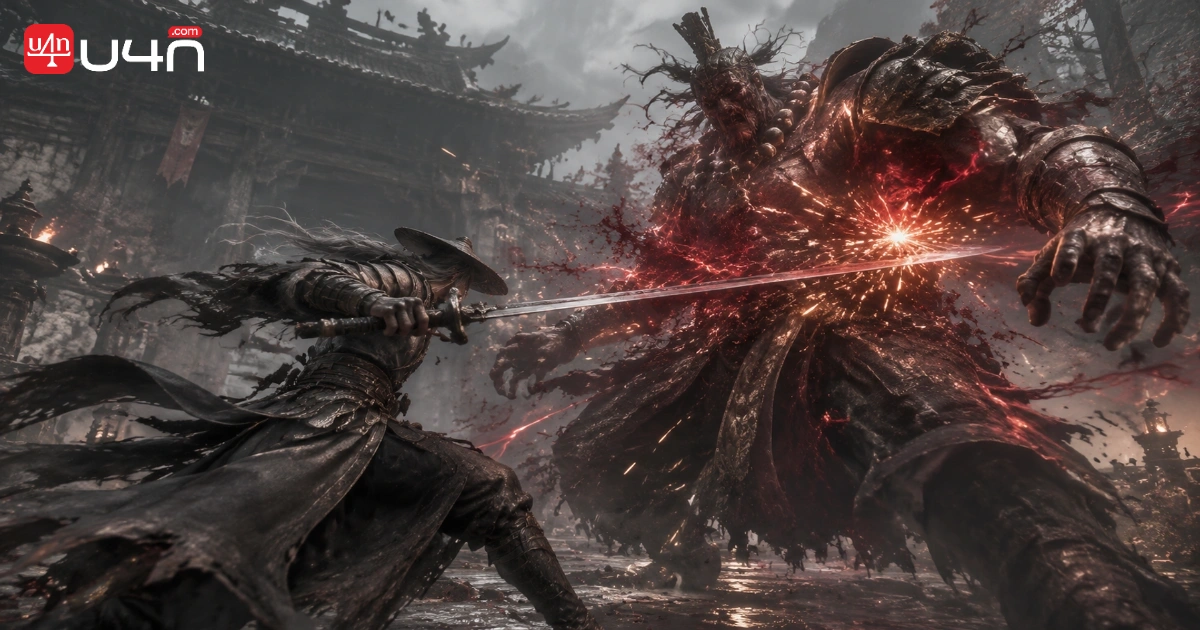
Phantom Blade Zero gives players far more freedom in combat than simply choosing a sword with the highest attack rating. With more than 30 primary weapons, 25 Phantom Edges, and a flexible equipment system, Soul can adapt his fighting style to different bosses, enemy groups, and combat situations. However, having more options also creates a common problem: which weapons are actually worth investing in, and how should you combine them to build an effective setup?
For players looking to improve their damage, survive difficult boss encounters, or create faster and more aggressive combos, choosing the right weapon combination matters more than chasing raw damage numbers. Some weapons excel at Bleed damage, while others specialize in life-stealing, Guard Break, counterattacks, or continuous pressure.
In this guide, our team breaks down the best Phantom Blade Zero weapons, explains their strengths and weaknesses, and explores several practical builds for different playstyles. Whether you are progressing through the main story or preparing for tougher boss fights, these recommendations will help you get more out of Soul's arsenal.
How to Choose the Best Weapons in Phantom Blade Zero
Choosing the best weapon in Phantom Blade Zero is not simply about finding the blade with the highest damage. Each weapon has its own attack speed, combo patterns, defensive options, and special abilities. A weapon that performs well against regular enemies may feel less effective against a boss with aggressive attacks or frequent guard pressure.
Our team recommends looking at three factors before investing in a weapon:
- Damage potential: How effectively does the weapon punish enemy openings?
- Combat flexibility: Can you switch between attacks, counters, and different combo routes?
- Survivability: Does the weapon provide useful defensive options, healing, or safer attack windows?
The weapon system also encourages players to experiment. Soul can equip two main weapons and switch between them during combat, while Phantom Edges provide additional offensive and utility options.
According to the official Phantom Blade Zero combat overview, the game features more than 30 main weapons and 25 Phantom Edges. This variety makes weapon synergy more important than relying on a single favorite weapon.
| Combat Priority | What to Look For | Recommended Playstyle |
|---|---|---|
| High damage | Strong attacks and punish windows | Aggressive |
| Bleed pressure | Repeated attacks and status buildup | Sustained DPS |
| Survivability | Healing and defensive abilities | Boss progression |
| Guard Break | Attacks that pressure enemy defenses | Counter-focused |
| Flexibility | Different combo routes and attack ranges | Balanced |
Our recommendation: Build around one weapon that handles your main damage needs and another that covers its weaknesses. This approach gives you more options when a boss changes its attack pattern.
Phantom Blade Zero Best Weapons Tier List
Not every weapon needs to be upgraded immediately. Some are better suited to aggressive players, while others offer more forgiving combat mechanics or specialized advantages against bosses.
The following tier list reflects our practical recommendations based on damage potential, versatility, and combat utility. It is an editorial ranking rather than an official developer tier list.
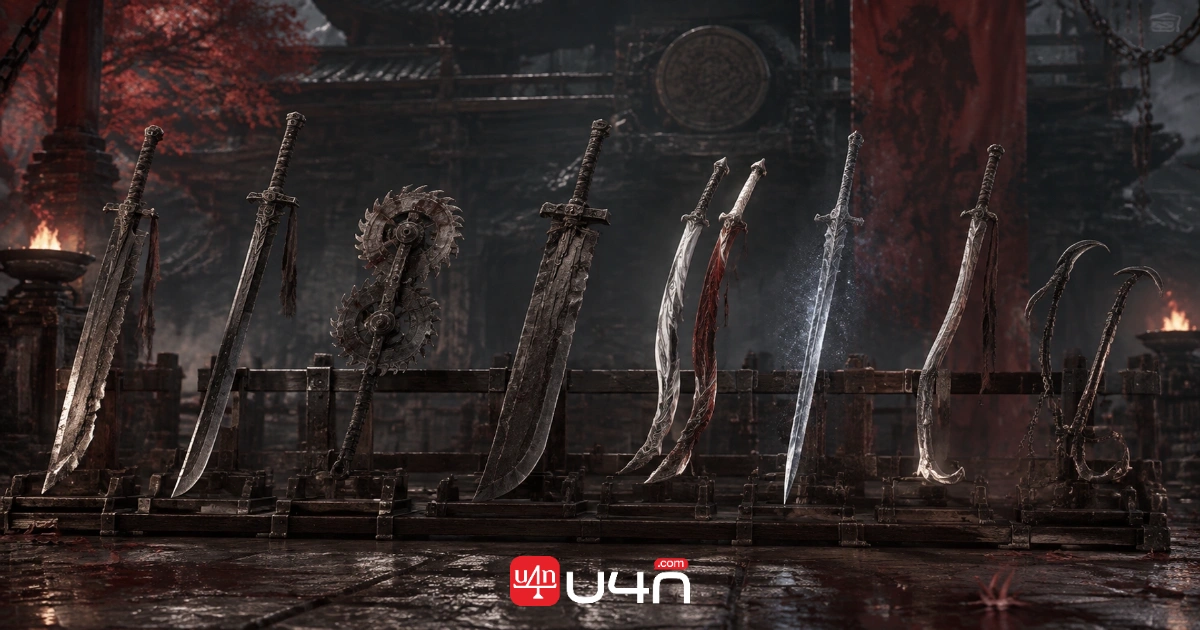
| Weapon | Tier | Main Strength | Best Use |
|---|---|---|---|
| Fanatic's Broken Blade | S | High damage potential | General offense |
| Outlaw's Warblade | S | Health recovery and survivability | Boss fights |
| Fiend Saws | S | Strong offensive pressure | Burst damage |
| Jagged Steel | S | Bleed buildup | Sustained damage |
| White Serpent & Crimson Viper | S | Flexible dual-wield combos | Aggressive combat |
| Freezing Chaos | A | Elemental pressure and control | Utility |
| Soft Snake Sword | A | Defensive counterplay | Skilled players |
| Parting Hooks | A | Reach and mobility | Spacing and positioning |
Best Overall Damage: Fanatic's Broken Blade
If raw offensive potential is your priority, Fanatic's Broken Blade deserves a place near the top of your weapon shortlist.
Its appeal comes from its damage-focused role, making it attractive to players who prefer punishing enemies during short recovery windows. Against bosses, this type of weapon rewards patience: wait for a clear opening, commit to a damaging sequence, and avoid extending attacks when the enemy is ready to retaliate.
It is particularly appealing to experienced players who already understand enemy timing and can create consistent damage opportunities.
Best Weapon for Survivability: Outlaw's Warblade
Outlaw's Warblade is an excellent option for players who want more room for mistakes during difficult encounters.
Its life-steal mechanics allow Soul to recover health through attacks, giving it a different role from conventional damage-focused weapons. This is especially valuable when learning a boss's moveset, because a successful offensive window can also help restore lost health.
However, do not treat it as a replacement for defensive timing. Heavy attacks can carry risks, so players should avoid attacking blindly when an enemy is preparing a powerful move.
Best Bleed Weapon: Jagged Steel
Jagged Steel is one of the most practical choices for players who enjoy consistent offensive pressure.
Its Bleed effect rewards repeated attacks rather than relying entirely on single heavy hits. This makes it a useful option against enemies that are vulnerable to status buildup.
We particularly recommend it for players who prefer straightforward combat without sacrificing damage potential. Its relatively accessible moveset also makes it a good weapon to learn before experimenting with more technical options.
Best Dual-Wield Weapon: White Serpent & Crimson Viper
White Serpent & Crimson Viper offer a more flexible approach to melee combat.
Their dual-wield movesets allow players to mix different attack patterns instead of relying on one repetitive combo. This flexibility is useful against enemies that frequently change their distance or interrupt predictable attack sequences.
The main advantage is adaptability. Players who learn how to combine both swords can create more varied attack routes and maintain pressure during openings.
Best Aggressive Weapon: Fiend Saws
Fiend Saws are worth considering if your preferred playstyle revolves around continuous offense.
They are suited to players who enjoy staying close to enemies, exploiting recovery animations, and maintaining pressure instead of waiting passively for every attack.
The trade-off is risk. Aggressive combat requires a good understanding of enemy timing, and an extended attack sequence can become dangerous if you ignore an incoming counterattack.
Best Phantom Blade Zero Builds for Boss Fights
A strong weapon becomes much more effective when paired with equipment that complements its strengths. Instead of simply choosing two high-damage weapons, we recommend building around a specific combat objective.
Here are four practical setups worth considering.
Build 1: Bleed and Guard Break Build
Recommended for boss progression
| Equipment | Recommended Choice |
|---|---|
| Main Weapon 1 | Wooden Sanguine |
| Main Weapon 2 | Jagged Steel |
| Build Focus | Guard Break + Bleed |
This is a particularly useful setup for players who want to combine defensive pressure with sustained damage.
Wooden Sanguine helps create opportunities to pressure enemy defenses, while Jagged Steel provides the Bleed-focused follow-up. Rather than attempting to force damage through every enemy attack, use the first weapon to create an opening and switch to Jagged Steel when the boss becomes vulnerable.
How to play:
- Use Wooden Sanguine to pressure the boss and create a Guard Break opportunity.
- Switch to Jagged Steel when you have a safe damage window.
- Maintain attacks to build Bleed pressure.
- Stop extending your combo when the boss begins another attack sequence.
The main advantage is that both weapons have distinct jobs. You are not relying on a single moveset to handle every situation.
Build 2: Aggressive Dual-Wield Build
| Equipment | Recommended Choice |
|---|---|
| Main Weapon 1 | White Serpent |
| Main Weapon 2 | Crimson Viper |
| Build Focus | Combo Variety + Continuous Pressure |
For players who enjoy fast combat, this setup focuses on combining the two swords rather than treating them as separate weapons.
The goal is to maintain offensive momentum while using different attack patterns to respond to enemy positioning.
How to play:
- Alternate between the two swords to vary your combo routes.
- Use shorter attacks when the boss is close to retaliating.
- Save stronger attacks for clear recovery windows.
- Use weapon switching to maintain combat rhythm and manage Sha-Chi.
This setup rewards timing and execution. It may take longer to master than a straightforward Bleed build, but it offers a more dynamic fighting style.
Build 3: Boss Survival Build
| Equipment | Recommended Choice |
|---|---|
| Main Weapon 1 | Outlaw's Warblade |
| Main Weapon 2 | Jagged Steel |
| Build Focus | Life-Steal + Sustained Damage |
This is our preferred recommendation for players who struggle with long boss encounters.
Outlaw's Warblade provides health recovery through its offensive mechanics, while Jagged Steel gives you another damage option when you want to apply Bleed pressure.
The important point is knowing when to switch. Use Outlaw's Warblade when survivability becomes a priority, then move to Jagged Steel when the boss gives you a safer opportunity to attack.
Do not rely entirely on healing to survive. Learning the boss's attack patterns and recognizing when to disengage remain essential.
Build 4: Defensive Counterattack Build
| Equipment | Recommended Choice |
|---|---|
| Main Weapon 1 | Soft Snake Sword |
| Main Weapon 2 | Fanatic's Broken Blade |
| Build Focus | Parry + High-Damage Punishment |
This build is designed for players who prefer reading enemy attacks instead of constantly pushing forward.
Soft Snake Sword provides a more technical defensive approach, while Fanatic's Broken Blade offers a stronger offensive option when the enemy leaves an opening.
How to play:
- Study the boss's attack patterns before committing to long combos.
- Use precise defensive timing to create counterattack opportunities.
- Switch to Fanatic's Broken Blade when the boss is vulnerable.
- Avoid wasting Sha-Chi through unnecessary blocking.
This setup is less forgiving if your defensive timing is inconsistent, but it can be rewarding once you understand the encounter.
Best Phantom Edges and Weapon Synergy
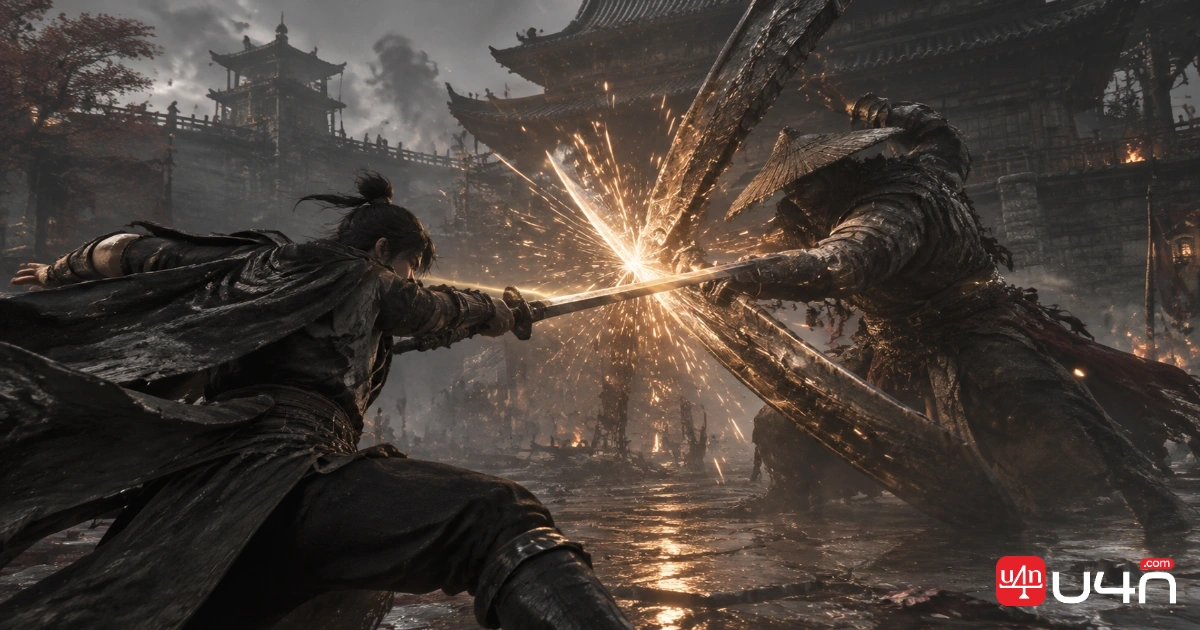
Phantom Edges are not simply extra weapons to equip when your main attacks are unavailable. They add another layer of combat flexibility, especially when you need ranged pressure, additional damage opportunities, or utility during difficult encounters.
The biggest mistake players can make is choosing Phantom Edges without considering their primary weapon's weaknesses.
| Main Weapon Build | Phantom Edge Direction | Main Purpose |
|---|---|---|
| Jagged Steel | Ranged or supplementary damage | Maintain pressure |
| Outlaw's Warblade | Utility and safe damage options | Improve survivability |
| White Serpent & Crimson Viper | Offensive support | Extend combat opportunities |
| Soft Snake Sword | Ranged or disruption tools | Create counterattack openings |
We recommend choosing Phantom Edges according to the encounter rather than using the same combination everywhere.
For example, a Bleed-focused setup already has a clear damage identity. Adding tools that improve positioning or provide ranged pressure can make it more adaptable. Meanwhile, a defensive build benefits from secondary weapons that create opportunities without forcing Soul into unnecessary close-range exchanges.
The key is synergy, not quantity. A balanced loadout should give you at least one reliable way to deal damage, one way to respond to dangerous enemy behavior, and enough flexibility to adapt when a boss changes its rhythm.
Weapon Upgrade Guide: Where Should You Invest First?
Finding a strong weapon is only the beginning. Upgrading the right equipment can make a noticeable difference, but spreading resources across every weapon you collect is rarely the best strategy.
Our team recommends following a simple investment order:
| Priority | Upgrade Focus | Reason |
|---|---|---|
| 1 | Main weapon damage | Improve your primary damage output |
| 2 | Weapon-specific abilities | Strengthen its unique combat role |
| 3 | Secondary weapon | Cover weaknesses in your main setup |
| 4 | Specialized equipment | Prepare for specific bosses and encounters |
One useful feature is the weapon reforge system, which allows players to recover invested upgrade materials and redistribute them to other weapons. This makes experimentation less punishing.
There is also a progression window worth understanding: early weapon upgrades can be refunded through level 10, according to the launch progression guide. Players should take advantage of this opportunity to test different weapons before committing to more extensive upgrades.
For players who want to organize their equipment and progression resources more efficiently, Phantom Blade Zero Items is also worth keeping as a reference when planning their next equipment goals.
Our advice is simple: invest in one dependable damage weapon first, then upgrade a second weapon that serves a different purpose. You will generally get more practical value from a complementary pair than from several weapons that all perform the same role.
Common Weapon and Build Mistakes to Avoid
Even a high-ranking weapon can perform poorly if it does not match your combat habits. Before changing your entire loadout, check whether one of these mistakes is holding your build back.
1. Choosing Weapons Only by Damage Ratings
High damage does not automatically mean better performance. Attack speed, recovery time, special abilities, and defensive options all affect how consistently you can punish enemies.
2. Ignoring Sha-Chi Management
Blocking continuously can leave you vulnerable when your Sha-Chi runs low. Learn when to parry, dodge, attack, and switch weapons instead of relying on defense alone.
3. Using Bleed Against Every Enemy
Jagged Steel is powerful when its status effect is useful, but not every enemy offers the same opportunities for Bleed damage. Keep a second weapon available for different matchups.
4. Refusing to Switch Weapons
The two-weapon system encourages players to change their approach during combat. If your current weapon struggles against a particular boss phase, switching can be more effective than forcing the same combo repeatedly.
5. Upgrading Too Many Weapons at Once
Experimentation is important, but investing in every new weapon can slow down your main progression. Focus on a primary weapon and a complementary alternative first.
Which Phantom Blade Zero Build Is Best?
There is no single weapon combination that wins every encounter in Phantom Blade Zero. The strongest setup depends on your preferred combat style, the boss you are facing, and how confidently you can manage Sha-Chi.
Here is our final recommendation:
| Player Type | Best Weapon Choice | Recommended Build |
|---|---|---|
| Beginners | Jagged Steel | Bleed Build |
| Boss progression | Wooden Sanguine + Jagged Steel | Guard Break + Bleed |
| Aggressive players | White Serpent & Crimson Viper | Combo Build |
| Players needing sustain | Outlaw's Warblade | Survival Build |
| Experienced players | Soft Snake Sword | Counterattack Build |
| Damage-focused players | Fanatic's Broken Blade | Offensive Build |
Our biggest recommendation is to stop treating weapon rankings as fixed rules. A weapon's real value comes from how effectively you use its mechanics, manage your resources, and respond to the enemy in front of you.
If you are still learning the combat system, start with Jagged Steel and gradually add a weapon that covers its weaknesses. If you are comfortable with enemy timing, experiment with more aggressive combinations or specialized counterattack setups.
Master those fundamentals, and you will get much more out of Soul's arsenal than simply equipping the weapon with the highest damage rating.
Weapon clarification: White Serpent & Crimson Viper are a paired dual-wield weapon set, not two separate equipment slots. In Build 2, treat them as one primary weapon choice and use the other weapon slot for a complementary weapon.