Amplifying a weapon should solve a problem you actually encounter. It might let you destroy an armored flyer before it gets another attack off, finish a Raider during a short opening, or carry enough ammunition for a longer boss fight. A more expensive gun that performs almost the same job is a much harder investment to defend.
Our team judges these upgrades by what they contribute to a usable loadout. When sorting through ARC Raiders Items, we would prioritize a weapon that fills a missing role before improving something our existing equipment already handles comfortably. That distinction separates a useful upgrade from an expensive curiosity.
The recommendations below follow the supplied weapon evaluation. Its damage figures and interactions belong to that testing context, so we treat them as evidence for choosing upgrade paths rather than permanent guarantees across balance patches.
What Makes an Amplified Weapon Worth Building?
We look for three practical gains: fewer hits to finish a target, more reliable damage during an opening, and better ammunition economy. An upgrade that improves several of these deserves attention. One that adds an awkward firing mode without changing the outcome needs a stronger argument.
Damage alone can be misleading. A small increase might leave the number of shots required to down a Raider unchanged. Better accuracy, meanwhile, can increase actual damage simply because fewer rounds miss.
Magazine capacity also needs context. A larger magazine increases the number of shots available from each Energy Clip. That makes capacity valuable for sustained fights and supply management.
| Combat priority | Weapons we would investigate first | Main reason |
|---|---|---|
| Close and medium range PvP | Bettina, Il Toro | Effective firing modes and stronger finishing potential |
| More controlled PvP fire | Canto | Better accuracy through Carbine Conversion |
| Armored flying ARC | Anvil | X-Rounds can improve component destruction |
| Large ARC encounters | Hullcracker, Jupiter | Reliable damage against substantial targets |
| Queen and Matriarch fights | Equalizer | Sustained output and specialized damage paths |
This is a research shortlist, rather than a universal ranking. We would select the encounter we want to improve, then build toward the weapon that addresses it.
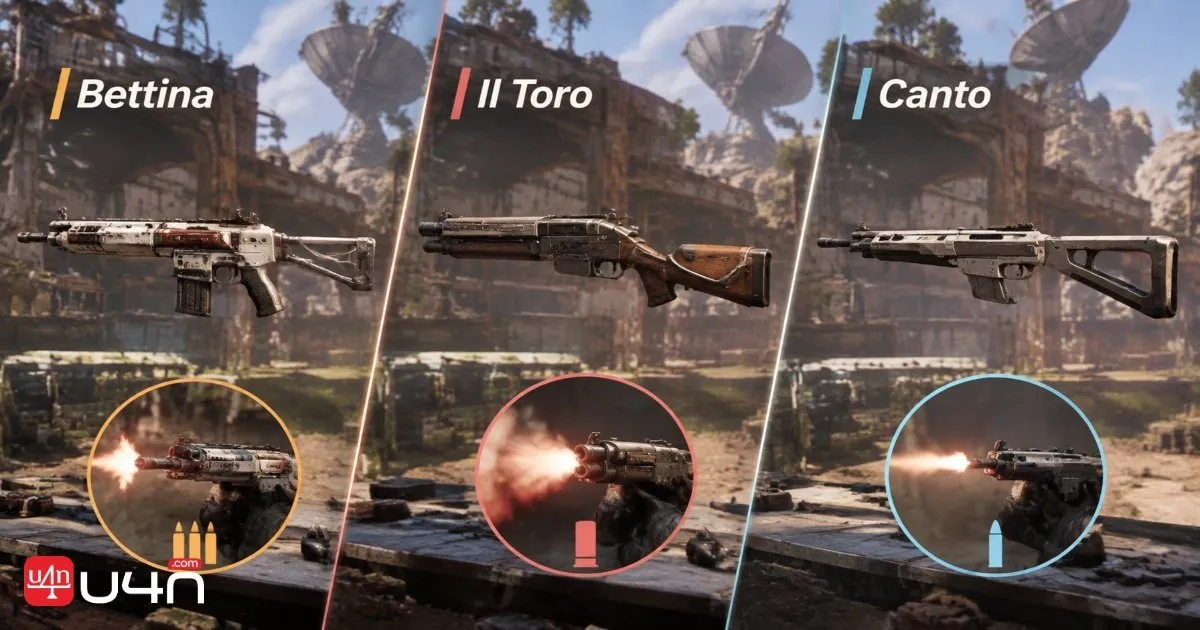
Bettina, Il Toro, and Canto Earn Their PvP Roles
Bettina: Two Useful Routes, Different Strengths
Bettina offers a meaningful choice between automatic fire and an upgraded burst route. Both receive strong support in the supplied evaluation, which makes this a more interesting decision than choosing between one effective option and one novelty.
Automatic fire is easier to manage when an opponent moves unpredictably or crosses a doorway. You can continue tracking instead of committing to separate bursts. The evaluation favors this route against light shields.
The enhanced burst route receives the stronger recommendation against medium shields. It also suits players who prefer deliberate firing windows and a more controlled rhythm.
We would choose between them according to how consistently we can keep the weapon on target. A fast theoretical kill means little if the firing pattern encourages missed rounds.
Sprint Fire sits lower on our list. It allows firing while sprinting, but aiming interrupts that movement, leaving the benefit tied to hip fire. We would establish the main firing route before spending scarce materials on it.
Il Toro: Slugs Give the Upgrade a Clear Purpose
Il Toro has one of the strongest cases for amplification because its slug option changes how we can use the weapon.
A single projectile concentrates damage at the point of aim. That rewards accurate shooting and gives us more control over where the shot lands, especially when an opponent exposes only a small part of their body.
Three shots to two against a medium shield under its test conditions. That is a useful example of an upgrade crossing a kill threshold. It changes the number of successful attacks required, which matters far more than a modest damage increase that leaves the fight unchanged.
We would still respect the accuracy requirement. Missing a slug sacrifices the entire shot. Players comfortable placing deliberate hits have the clearest reason to prioritize it.
The improved loading option supports that role by reducing the work needed to replenish the weapon between exchanges. Together, the two upgrades give Il Toro a convincing purpose.
Canto: Accuracy Extends Its Practical Reach
Carbine Conversion is the Canto route we would prioritize. Its appeal comes from making the weapon easier to control at distances where the standard version becomes less dependable.
The conversion carries handling and fire rate penalties. Those costs deserve attention, but tighter fire can still improve a fight if more of the magazine connects.
We would treat Canto as a controlled PvP option rather than a dedicated ARC hunting tool. Incendiary ammunition strengthens its appeal, while Sprint Fire remains a secondary purchase. For this weapon, dependable hits are the more useful investment.
Anvil, Hullcracker, and Jupiter Cover ARC Hunting
Anvil: Give It a Specific Target
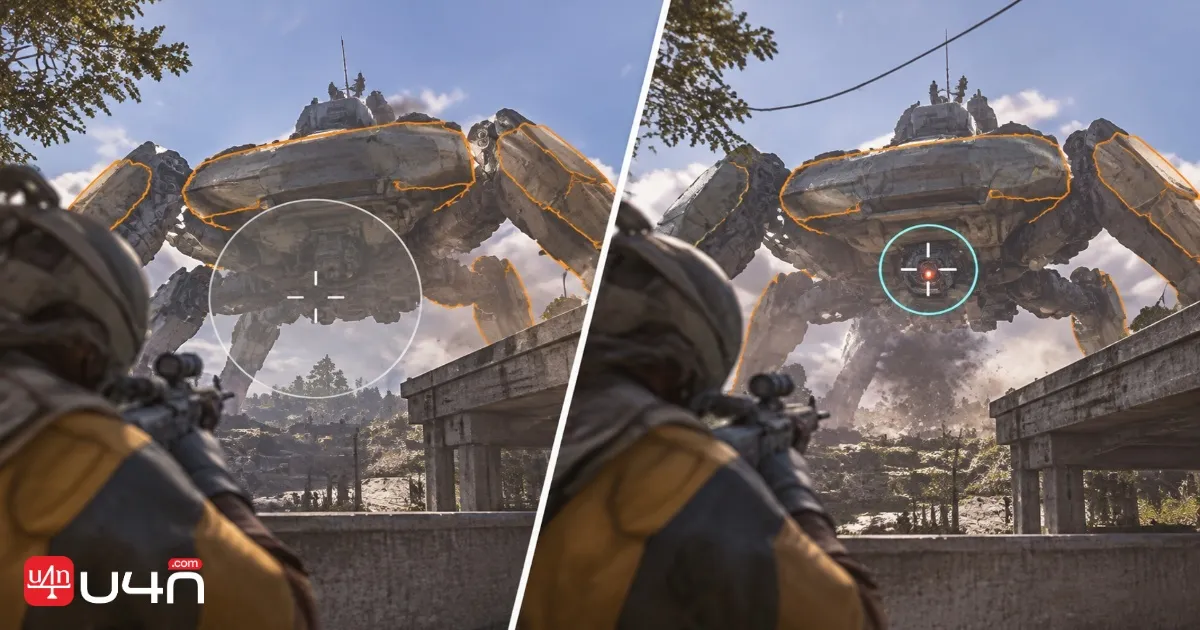
X-Round Anvil earns its place through armored flying ARC. Situations where the explosive effect can destroy armor and the component behind it with the same shot.
That interaction gives us a concrete reason to amplify the weapon. Removing a flying threat quickly can make movement, looting, and disengagement much less troublesome.
We would avoid stretching that recommendation into a claim that Anvil replaces dedicated heavy ARC weapons. Its advantage is clearest against suitable smaller targets and exposed components.
Anvil Splitter is harder to prioritize. Dividing a shot across several projectiles creates a damage opportunity when all of them connect, but also increases the chance of losing part of the shot. We would favor X-Rounds for a defined utility role.
Hullcracker: Match Incendiary Grenades to Large Targets
Hullcracker's magazine reload is an easy upgrade to appreciate. Replacing individual loading with a more complete reload reduces interruptions and makes the weapon more comfortable during longer encounters.
Incendiary grenades require a closer look. They reduce projectile damage in exchange for fire damage, which makes the target's size and movement important.
Large, slower ARC are more likely to remain in contact with the flames. Smaller enemies and flying units can leave much of that damage on the ground.
Our recommendation is to prepare an incendiary Hullcracker for substantial ground targets. We would be less enthusiastic about using the same setup as a universal answer to every ARC encountered on a run.
Jupiter: Reliable Improvements Without Extra Complexity
Jupiter's upgrades reinforce its existing role: accurate, powerful fire from a distance.
The larger magazine improves ammunition economy under the energy weapon behavior. The scope supports precise placement, while the ergonomic bolt lets the player cycle the weapon without leaving the sight picture.
That last benefit may seem modest until we consider repeated shots at a distant component. Keeping the target framed reduces the need to rebuild the same aim after every attack.
We rate Jupiter highly because its upgrades support a clear combat routine. Find a useful angle, identify the component, and deliver controlled shots. The amplification makes that process easier to sustain.

Equalizer and Aphelion Need Different Damage Judgments
Equalizer: Choose Between Forgiveness and Precision
We would unlock Equalizer's larger magazine before debating its specialized damage routes. Capacity improves sustained fire and the ammunition value of each Energy Clip in the supplied evaluation.
Progressive Damage is the more forgiving recommendation. It rewards continued hits without requiring every shot to land on the ideal weak point. Players who can track a target but occasionally touch surrounding surfaces have a reasonable starting point here.
Weakpoint Specialization offers a higher ceiling when we can repeatedly hit vulnerable areas on Queen or Matriarch. It also carries a substantial penalty when shots strike armor.
We would make that decision based on the shots available during a real encounter. A perfect weak point sequence in a clean test does not account for movement, obstructed angles, or pressure from other enemies.
For an unfamiliar boss fight, we would start with the steadier route. Once the team consistently creates and uses reliable firing windows, the specialized option becomes easier to justify.
Aphelion: Capacity Is Convincing, Charge Burst Is Conditional
Aphelion's larger magazine has a straightforward appeal: more shots before reloading and better output from the same energy ammunition supply described in the assessment. Incendiary ammunition also receives a favorable evaluation.
Charge Burst introduces a more difficult trade. It adds capacity and changes the firing pattern, but the supplied test reports lower damage per shot and a slower magazine discharge.
We would avoid choosing it purely because the magazine is larger. Total magazine damage must account for both capacity and the reduced damage of each round. Charge timing also affects how much output fits into a brief opening.
Players who enjoy a charged firing rhythm may still find it useful. Our team would prioritize the clearer capacity benefit, then consider Charge Burst after checking whether its pacing suits the encounters we actually want to run.

The Remaining Weapons Deserve Selective Spending
Several amplified weapons offer useful improvements without earning an immediate place near the top of our research queue.
| Weapon | Route or upgrade to consider | Why we would delay or limit the investment |
|---|---|---|
| Osprey | Ergonomic Bolt, then a role-appropriate damage or tracking option | Useful precision utility, but stronger dedicated ARC tools compete with it |
| Renegade | Improved loading and an optional scope | The scope prevents expanded magazine use in the supplied evaluation |
| Raskal | High Velocity Projectiles | Better handling, though Hullcracker remains the preferred large target option |
| Ferro | Larger magazine or the semiautomatic X-Round route | Benefits need to justify the increased upkeep |
| Hairpin | Semiautomatic conversion | More usable, but still a llow-priorityinvestment |
| Kettle | X-Rounds | Anti-Shield sacrifices too much finishing damage |
| Rattler | Loading improvements and added capacity | More sustained fire comes with control penalties |
Osprey is the precision option we would consider for players who enjoy deliberate weak point shots. Ergonomic Bolt improves continuity, while its other paths offer either tracking utility or greater weak point damage. The tracking effect needs to create an immediate decision, such as following a retreat or coordinating pressure, to earn its cost.
Renegade asks a different question: is the scope worth giving up magazine flexibility? For deliberate ranged PvP, we can see the appeal. For an AARC-focusedloadout, faster loading alone gives us a weaker reason to amplify it.
Raskal benefits from faster projectiles and a tighter aimed spread. Those changes reduce the effort required to place grenades accurately. Its incendiary option carries the same target size concern as Hullcracker, so we would prepare it for suitable large enemies.
Ferro illustrates why upkeep matters. Better armor damage can be useful without producing a dramatic difference in routine encounters. If the standard weapon already handles our usual targets, we would keep using it while researching a more distinctive upgrade elsewhere.
Kettle's Anti-Shield route needs particular caution. Rapid shield removal does not guarantee a fast down if the weapon then struggles against exposed health. A planned team combination might make use of that opening, but we would not prioritize it as a self-sufficient PvP weapon.
Hairpin and Rattler remain lower priority experiments for our team. Semiautomatic fire can make Hairpin more engaging, while Rattler's loading and capacity upgrades support longer firing strings. Neither benefit automatically outweighs the opportunity to build a weapon with a stronger specialized role.
A Research Order That Keeps Materials Useful
We would begin with one weapon that improves our most frequent difficult encounter.
For PvP, that puts Bettina and Il Toro near the front. Canto follows when we want more controlled fire at a little more distance. We would finish the main firing or accuracy route before buying Sprint Fire as an extra.
For general large ARC hunting, we would investigate Hullcracker or Jupiter first. Hullcracker suits sustained explosive pressure against suitable targets. Jupiter supports deliberate ranged damage and efficient ammunition use.
Equalizer becomes a stronger priority for teams concentrating on Queen and Matriarch. Anvil is a focused purchase when armored flyers regularly disrupt our routes.
We would also leave room to maintain what we build. A weapon that consumes the entire reserve can become awkward to field repeatedly, even when its performance is excellent.
Build a Loadout You Can Keep Using
Our preferred shortlist stays manageable: Bettina and Il Toro for PvP, Hullcracker and Jupiter for substantial ARC targets, Equalizer for focused boss work, and X-Round Anvil for armored flyers. Canto is a worthwhile addition when controlled handling addresses a clear weakness in the current loadout.
We would keep equipment planning and ARC Raiders Coins spending tied to separate, clearly defined purchases. Before committing resources to an upgrade, our team would name the benefit we expect: fewer required hits, more reliable component damage, a longer firing window, or less pressure on ammunition.
Build that upgrade, use it in the encounter it was meant to improve, and judge the result there. We would rather maintain a small set of weapons with proven jobs than keep paying for amplified versions that rarely leave storage.