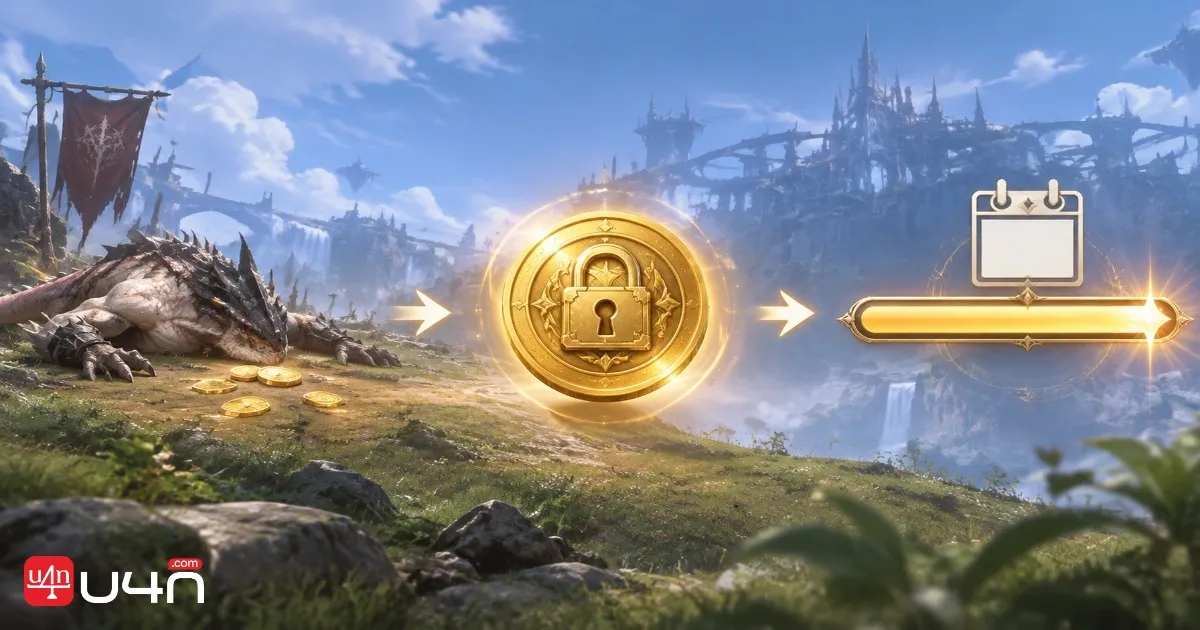
If you spent last week killing field mobs to pay for a weapon on the Market, that same route now funds a different purchase. Aion 2's November 18, 2026 global update makes the Kina dropped by field monsters bound. You can still put it toward eligible gear expenses. The coins from those kills, however, can no longer pay another player for a weapon.
We'd start with the next purchase on your list. A player browsing Aion 2 Items for a replacement weapon needs tradable Kina. A player who already owns the weapon and just needs to cover an eligible enhancement fee can still get value from the old route. The two players can clear the same camp at the same speed and come away with very different results.
What Changed in the November 18 Patch?
The patch switches direct Kina drops from all field monsters to the currency labeled Kina (Bound) in the English notes. The existing daily acquisition limit of 1 million Kina from field monsters now applies to those bound drops.
The source, the currency type and the cap are three separate details. The cap tells you how much you can earn from that source in a day. The binding rule tells you where those earnings can be spent.
The same patch adds Easy difficulty for Abyssal Forge: Ludra. Ludra keeps Normal's HP on Easy, with more forgiving mechanics. A separate event triples Abyss Points from Outer Abyss monster drops and two Battlefield victory rewards, participation and mission completion. The existing AP caps still apply, and Outer Abyss PvP points are excluded from the boost. The event runs until scheduled maintenance on December 16, 2026 PST or December 17 CET.
We'd read the field change reward by reward. The Kina a monster drops goes into your bound budget. If a route also produces an item you can list on the Market, judge that item on its own trade status and what it actually sells for. That distinction matters when you revisit a familiar spot. A route can lose its direct tradable Kina payout and still be worth running for a specific drop.
Which Balance Pays for Your Next Upgrade?
A gear upgrade often comes with two bills. You might need to buy a missing material from another player and then pay an in-game fee to use it. One step calls for tradable Kina, while the other may accept bound Kina. Check both before you start farming. A big balance looks reassuring until you reach the purchase screen and find out which part of it you can spend.
| Your next goal | What to check | Where field farming fits |
|---|---|---|
| Enhance a piece you already own | Whether the fee accepts bound Kina and whether you have the materials | Direct field drops can cover an eligible fee |
| Buy a listed weapon or material | How much tradable Kina you're short | Count any marketable loot separately from the bound coin drops |
| Farm a material you plan to use | Whether the route drops the material and how much you still need | The material can move the upgrade forward, with bound Kina earned along the way |
| Build a reserve for future upgrades | Which expenses you expect the reserve to cover | Bound Kina can cover eligible costs and leave more of your tradable balance available |
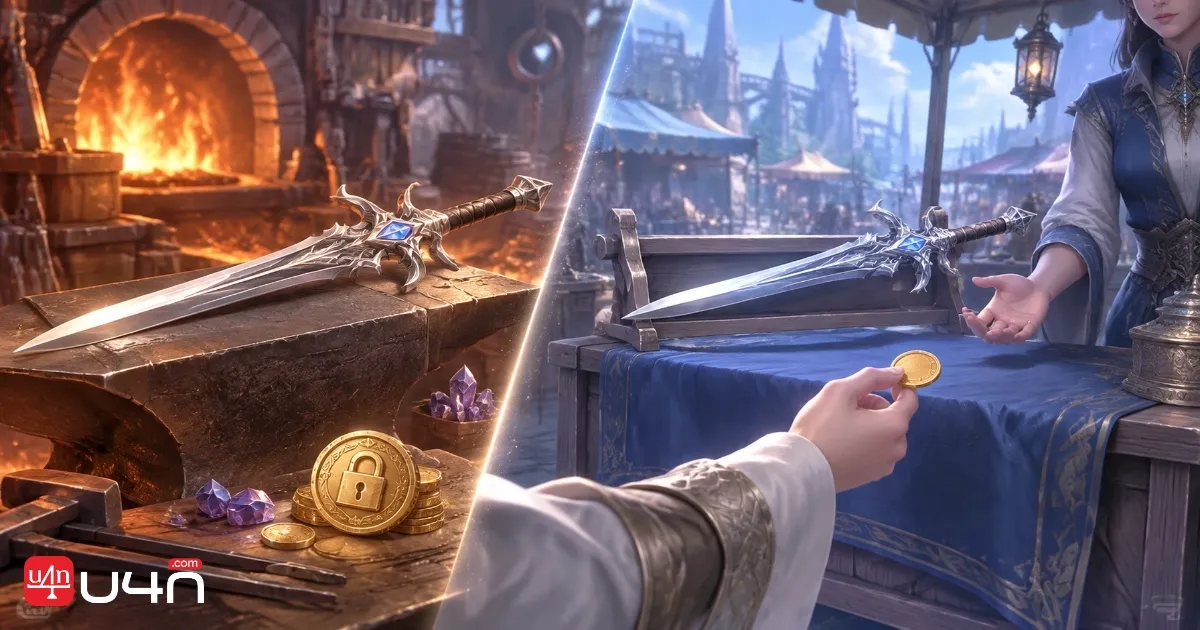
Say you're replacing a weapon and also working on a piece of armor you expect to keep. If the weapon listing is the purchase holding you up, subtract your tradable balance from the listing price before you head out. The result is the gap your next session needs to close. If the armor is the priority and you already have its materials, open the enhancement screen and check the fee. You may only need a short field run.
This is where we'd drop the habit of farming to the daily cap just because it's there. If you cover tonight's enhancement bill halfway through a loop, the rest of the run is a decision about tomorrow's expenses. Sometimes it makes sense to bank extra Kina for a piece you're keeping. If a Market purchase is holding up your next upgrade, that remaining time may be better spent earning something you can sell.
How Much Does Bound Kina Change Botting?
NCSoft reported restricting 21,091 accounts on November 11 and 20,105 on November 18. Its notices listed several kinds of violations, including bot operations, unauthorized programs and real-money trading. Those totals cover multiple enforcement categories. They give us the scale of two enforcement rounds, while measuring the patch's effect on bot activity would require observations from after the change.
The economic effect is easiest to see at the level of a single farming loop. An operation that repeatedly killed field monsters to generate currency for resale has lost the direct tradable payout from those kills. More accounts and more hours on the same loop still produce a reward with the same binding restriction. That takes away a reason to run that particular route at scale.
The open question is what happens to the activity that used to be profitable. Automation may decline in some camps, persist where other rewards have value, or show up elsewhere. We'd watch several comparable sessions before drawing a conclusion about a spot. A camp that's easier to farm on a quiet weekday tells you how that session went. A sustained change at the same location and during the same hours would tell you more about how consistently the competition has eased.

Market prices deserve the same care. Reducing one source of tradable currency gives us a reason to watch purchasing activity, but any individual listing also reflects the supply of that item and what buyers want that week. If we're saving for a weapon, we'd follow the same weapon and comparable listings across a few sessions. One expensive listing is a thin basis for changing a whole farming plan.
How We'd Plan a Farming Session Now
- Pick one expense before you leave town.
- For a bound-eligible fee, set a target based on the cost and the balance you already have.
- For a Market purchase, check the price and identify an activity with a reward you can actually trade.
This takes about as much effort as opening the relevant menu, and it saves you from realizing at the end of the night that you made progress toward a different goal.
Give an old route one normal run before you decide what to do with it. Record the bound Kina you earned, the items you intend to use and the loot you can realistically sell. Include travel and waiting time if you're comparing it with another activity. We'd also distinguish a listing from a completed sale. If you finish the night with three items still on the Market, your tradable balance has yet to move, even if all three listings look promising.
It helps to decide when to leave a camp, too. If you're there for a specific material, stop when you have enough for the recipe or when the remaining time would serve another goal better. If you're there for the enhancement fee, leave once the balance covers it. We prefer those stopping points to a fixed number of laps because they still make sense when a camp gets crowded or an item drops early.
Players searching for where to buy Aion 2 Kinah may be feeling the loss of a route they used to rely on. We'd start by pricing the specific purchase and reviewing the tradable rewards already available through regular play. If the weapon is still a long way off, covering an eligible fee with the bound balance can keep a smaller upgrade moving while you save the tradable Kina you already have.
Where Ludra Easy and the Abyss Event Fi
Ludra Easy gives groups another way to work on progression while they adjust their farming schedules. We'd consider it when your group is losing attempts to mechanics and wants a more forgiving place to practice. Since Easy retains Normal's HP, leave enough time to make a real attempt. If a Ludra run might fill the slot you were about to buy for, decide whether you want to run it before committing your Market budget.
For the Abyss event, check how much room you have under the applicable AP cap before committing the evening to it. The boost makes eligible rewards arrive faster, so a shorter session may be enough to reach your AP target. We'd use that extra time for whichever expense is still open on the gear plan. That might mean returning to a field camp for an enhancement fee or doing an activity whose rewards you can sell.
What We'd Keep and What We'd Change
We'd keep a familiar field route if it pays for an upgrade we're ready to make or drops something we already need. A quiet camp with a short travel time can still earn its place in the rotation. When the goal is a Market purchase, we'd measure the route by what we actually earn in tradable Kina, including completed sales of eligible loot.
For botting, the change gives us a specific result to track. Direct field drops have lost their value as currency for resale. The broader questions are whether competition at field camps eases over time and whether suspicious activity increases elsewhere. Our next gear purchase is easier to plan right now than either of those trends is to measure.
FAQ
Can I use field Kina to buy a weapon from another player?
Direct Kina drops from field monsters are bound. A weapon listed by another player requires tradable Kina. If your field route also produces an item you can sell, the proceeds from that sale are a separate source of funds.
Does the one-million limit apply to every source of Bound Kina?
The limit described in this patch applies to Bound Kina acquired from field monsters. When you compare activities, check the reward and any limit listed for each source.
Is field farming still worth doing after the patch?
We'd keep it for an eligible enhancement fee or a specific drop you plan to use. If you need tradable Kina, judge the route by the marketable rewards it actually produces. A camp that pays tonight's enhancement bill can be worth a visit even after it stops funding your next Market purchase.