


Quick Takeaways
- Choose Hunter if you want ranged combat and pet-assisted solo play.
- Choose Warlock if you enjoy damage-over-time spells and managing a companion.
- Choose Paladin if you value defensive options, healing, and group support.
- Choose Druid if you want a more adaptable playstyle.
- Choose Mage if ranged spell damage and crowd control are your main interests.
- Choose Priest or Shaman if healing and supporting allies appeal to you.
- Choose Warrior or Rogue if you prefer melee combat, whether through direct fighting or stealth and control.
Choosing your first class in World of Warcraft: Forever can make a bigger difference than many new players expect. Your class affects how quickly you learn combat, how safely you complete quests, and how much time you spend recovering between fights. Our team recommends choosing a class that forgives mistakes and fits your preferred playstyle rather than chasing the highest damage numbers.
For most beginners, Hunter is a strong starting point because its ranged attacks and pet-based combat offer a manageable way to learn enemy positioning and threat. Warlock is another option for players who enjoy damage-over-time spells and demonic companions, while Paladin suits those who value durability and group utility. Even if you are planning your early progression around WoW Forever Gold, your class choice should come first: a character that feels comfortable to play will usually make the leveling journey more enjoyable.
What Makes a Class Beginner-Friendly in WoW Forever?
A beginner-friendly class is not necessarily the one with the fewest buttons. We look at how easily a new player can recover from mistakes, manage resources, defeat enemies alone, and learn the fundamentals of combat without constantly returning to a repair vendor or waiting for health and mana to recover.
Four factors matter most:
| Factor | What Beginners Should Look For |
|---|---|
| Survivability | Healing, defensive abilities, crowd control, or a pet that can take pressure off the player |
| Rotation complexity | A manageable number of important abilities and a clear combat rhythm |
| Solo leveling | Reliable questing, reasonable downtime, and the ability to handle unexpected enemies |
| Long-term flexibility | Useful group roles, valuable utility, or a playstyle that remains enjoyable beyond leveling |
These factors should be considered together. A class may deal excellent damage but feel punishing when enemies get too close. Another may kill more slowly yet provide enough healing and defensive tools to make difficult quests less frustrating.
We also distinguish between leveling comfort and endgame performance. A class that feels easy at low levels may require more coordination in a dungeon, while a class with a slower leveling pace may become much more rewarding once its key abilities and talents are available.

Best WoW Forever Classes for Beginners Compared
The following recommendations are intended to help new players narrow their choices. They are practical starting points, not a definitive damage ranking; actual performance depends on the current build, talents, gear, and player experience.
| Class | Best For | Main Advantage | Main Challenge |
|---|---|---|---|
| Hunter | Solo beginners | Ranged attacks and pet support | Pet management and positioning |
| Warlock | Spellcasters who like pets | Damage-over-time effects and demon utility | Managing spells, resources, and pets |
| Paladin | Defensive players | Healing, protection, and group support | Learning when to use different abilities |
| Druid | Flexible playstyles | Multiple forms and potential role variety | Understanding form-specific abilities |
| Mage | Ranged damage and control | Strong spellcasting and enemy control | Managing mana and avoiding close combat |
| Priest | Healing and spellcasting | Healing tools and distinct talent paths | Balancing survival, mana, and damage |
| Shaman | Elemental and hybrid gameplay | Totems, spells, and support options | Choosing the right tools for each encounter |
| Warrior | Direct melee combat | Weapon-focused gameplay and tanking options | Managing Rage, gear, and incoming damage |
| Rogue | Stealth and precise combat | Stealth, control, and tactical engagement | Choosing fights carefully and managing energy |
Hunter: A Strong First Choice for Solo Leveling

Hunter is our leading recommendation for players who want to explore Azeroth largely on their own. Ranged attacks let you engage enemies before they reach you, while a pet can absorb some of the pressure during combat. This gives beginners room to learn enemy behavior, positioning, and target selection without managing every threat directly.
However, Hunter is not completely effortless. Pet positioning and threat management still matter, and ranged combat becomes less convenient when enemies close the distance. New players should learn to keep space between themselves and their targets instead of treating the pet as an automatic solution to every encounter.
Another important detail is the early leveling experience. Hunters do not begin with the same pet-supported toolkit they use later, so the opening levels can feel different from the class's established solo playstyle. That transition is worth understanding before choosing Hunter solely for its reputation.
Warlock: Best for Players Who Enjoy Pets and Spell Management
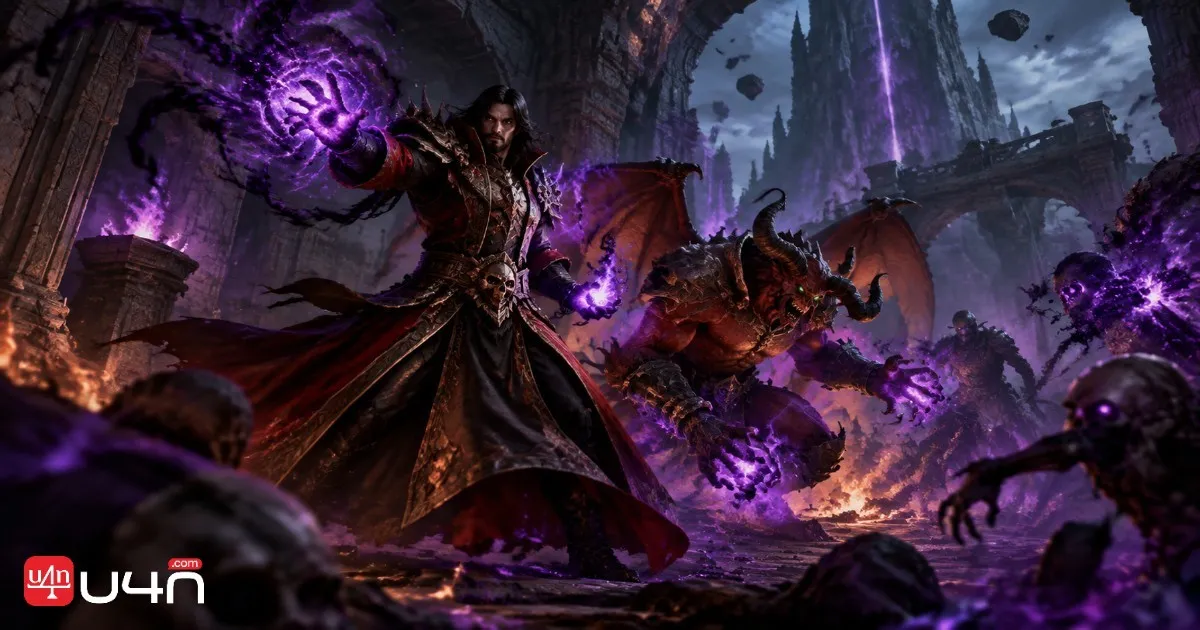
Warlock is a compelling alternative for beginners who prefer casting spells over relying on weapon attacks. Damage-over-time effects can continue hurting enemies after the initial cast, while demonic companions provide additional combat options. This combination supports a deliberate playstyle built around preparation and sustained pressure.
The trade-off is that Warlock asks players to manage several interacting systems. You need to understand spell timing, resource costs, pet behavior, and when to use defensive or utility abilities. Beginners who enjoy learning a class gradually may find this rewarding; players who want a simpler combat rhythm may prefer Hunter.
Paladin: Best for Survivability and Group Utility
Paladin suits players who would rather have defensive options than maximize leveling speed. Healing, protection, and support abilities provide flexibility, and the class can introduce beginners to several important group responsibilities.
The challenge is learning how to use those tools efficiently. Having defensive abilities does not automatically make every encounter easy, and a slower combat pace may frustrate players who prefer rapid kills. Paladin is a good fit when comfort and versatility matter more than clearing quests as quickly as possible.
What About the Other Six Classes?
The remaining classes can all work for beginners, but each rewards a different preference. Druid is worth considering if you enjoy adaptable gameplay and switching forms. Mage appeals to players who like ranged spell damage and crowd control, while Priest is a natural option for those interested in healing. Shaman combines elemental magic with support tools.
Warrior is a straightforward choice thematically, but melee positioning, Rage management, and equipment can make mistakes more costly. Rogue rewards patience, stealth, and careful target selection. Neither class should be dismissed as unsuitable for new players; they simply demand different habits.
Best Classes for Solo Leveling and Group Content
Your first character should fit the content you actually want to play. Solo questing and dungeon groups place different demands on a class, so the best choice can change with your goals.
If You Plan to Level Mostly Alone
Start by comparing Hunter, Warlock, and Paladin. Hunter offers distance and pet support, Warlock combines sustained spell damage with a demon companion, and Paladin provides defensive and healing options.
The deciding factor is how you prefer to handle danger. If you like keeping enemies at range, Hunter is a natural fit. If you enjoy spell combinations and managing a companion, consider Warlock. If you want more room to recover when a fight goes wrong, Paladin deserves a closer look.
If You Want to Join Dungeons
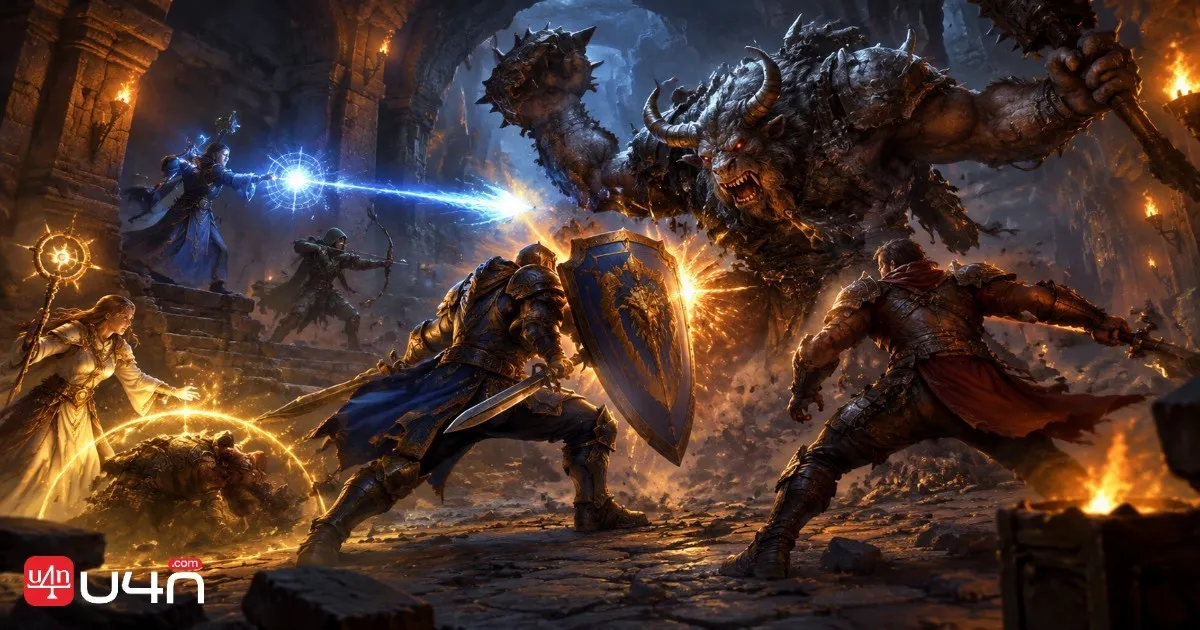
Dungeon groups reward players who understand their responsibilities. Damage dealers need to maintain effective output while avoiding unnecessary damage; tanks must manage enemy attention and positioning; healers need to prioritize incoming damage and mana.
Paladin can be attractive to players who want to explore defensive and support-oriented gameplay. Priest and Shaman are worth considering if healing interests you, while Warrior and Druid may appeal to those who want to learn tanking. Your eventual specialization and the current class design will determine the exact options available.
For a first dungeon, we recommend learning one role well rather than trying to master every ability at once. Understanding when to use your core skills is more valuable than copying a complicated endgame rotation before you know the fundamentals.
If You Want to Prepare for Endgame
Do not choose a class solely because an old tier list labels it powerful. Leveling, dungeon progression, and organized endgame encounters test different skills, and class balance can change as abilities and talents are revised.
Think about the role you want to learn over time. A player who enjoys protecting teammates may be happier developing tanking skills than chasing a damage-focused ranking. Someone who likes supporting a group may find healing more rewarding than playing a class selected only for its leveling speed.
Our team also recommends treating gear as a way to support your chosen playstyle, not as a substitute for learning it. Understanding your class's strengths, weaknesses, and resource demands will help you make better equipment decisions as you progress.
WoW Forever Class Changes Beginners Should Know
One reason to approach class recommendations carefully is that World of Warcraft: Forever is not simply a copy of an older Classic ruleset. Blizzard has revised abilities, talent choices, and aspects of class identity while retaining familiar foundations. Its official class deep dives also warn that abilities and talents may continue to change during testing. Blizzard's Hunter and Druid class overview explains the design approach and highlights changes affecting Hunter gameplay.
For beginners, the practical lesson is simple: verify the class mechanics for the version you are playing. A guide written for an earlier ruleset may describe different talent effects, ability availability, or combat priorities.
Learn the Core Abilities Before Copying a Build
Start with the abilities you use most often. Learn what starts combat, what helps you survive, what controls enemies, and what resources each ability consumes. Once that foundation feels comfortable, explore talents that reinforce your preferred playstyle.
You do not need a perfectly optimized build to level effectively. A clear understanding of your core toolkit will often help more than copying a build intended for experienced players who already know encounter mechanics.
Treat Talent and Balance Advice as Version-Specific
Talent choices can affect how a class feels as you level, so check whether a recommendation reflects the current version. A change that improves a class's group utility may not make it the easiest choice for solo questing, and a damage adjustment does not necessarily change how forgiving the class feels.
The same principle applies when planning your broader progression or comparing WoW Forever Items: make decisions based on your actual character, current game systems, and intended content rather than assumptions inherited from another version.
Summary: Which WoW Forever Class Should You Choose?
For most players starting World of Warcraft: Forever, Hunter is a strong first class to consider, especially if solo leveling and ranged combat appeal to you. Warlock is a better match for players who enjoy spell management and demonic companions, while Paladin is worth considering if survivability and group utility are your priorities.
Use this quick guide to make the final decision:
- Choose Hunter if you want ranged combat and pet-assisted solo play.
- Choose Warlock if you enjoy damage-over-time spells and managing a companion.
- Choose Paladin if you value defensive options, healing, and group support.
- Choose Druid if you want a more adaptable playstyle.
- Choose Mage if ranged spell damage and crowd control are your main interests.
- Choose Priest or Shaman if healing and supporting allies appeal to you.
- Choose Warrior or Rogue if you prefer melee combat, whether through direct fighting or stealth and control.
There is no universally perfect beginner class. Our recommendation is to choose the one whose combat rhythm you enjoy, learn its core abilities, and give it enough time to develop. A class that keeps you interested is a better long-term starting point than one chosen only because a ranking places it first.
FAQ
What Is the Easiest Class to Play in WoW Forever?
Hunter is a strong starting point for players who want ranged attacks and pet support. However, its early leveling experience differs before its pet-based toolkit becomes available, and players who prefer defensive abilities may find Paladin more comfortable.
Is Warlock Better Than Hunter for Solo Leveling?
Neither is automatically better for every player. Hunter emphasizes ranged combat and pet positioning, while Warlock combines damage-over-time spells, resources, and demon management. Choose based on which combat style you find easier to understand.
Is Paladin Good for Beginners?
Yes. Paladin is worth considering if you value survivability, healing, and group utility. Its combat pace and ability choices may take some practice, so it is not necessarily the fastest-feeling option for every player.
Should Beginners Choose a Class Based on Endgame?
Only if endgame is your main goal. Otherwise, consider the entire journey: questing, learning combat, joining dungeons, and discovering what you enjoy. A class that feels good during leveling can help you build the confidence needed for more demanding group content.
Are WoW Forever Classes the Same as WoW Classic Classes?
They share familiar foundations, but WoW Forever includes class and talent changes. Check current official class information before relying on older guides, especially when a recommendation depends on a specific ability or talent interaction.