


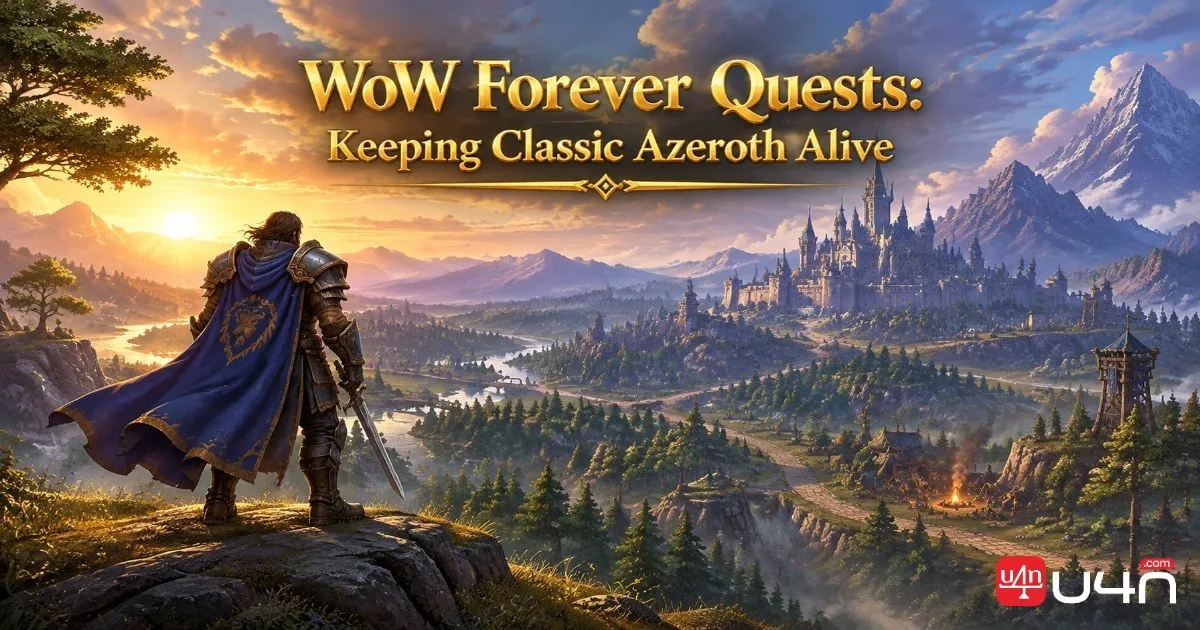
Questing has always been one of the defining parts of World of Warcraft. The best quests do more than send players to defeat enemies or collect items. They introduce memorable characters, reveal the history of a region, and give adventurers a reason to explore beyond the main road. In World of Warcraft: Forever, preserving that experience matters just as much as adding new content. Even players who are focused on leveling, earning World of Warcraft Forever Gold, or preparing a new character can benefit from taking the time to understand the world around them.
The challenge is finding the right balance between familiarity and discovery. Returning players want the atmosphere and sense of adventure that made Classic Azeroth memorable, while newcomers need compelling reasons to care about its people and places. Our team believes the strongest approach is to build new stories around the world’s existing identity rather than simply increase the number of objectives on the map.
The real value of classic questing lies not in the number of objectives players complete, but in the characters, discoveries, and stories that make Azeroth feel like a living world.
Why Classic WoW Quests Still Matter
Classic quest design often asks players to pay attention to their surroundings. A conversation with an NPC may introduce a local conflict, while a seemingly routine delivery can lead to a larger chain of discoveries. These moments make Azeroth feel like a connected world instead of a collection of disconnected leveling zones.
This approach also gives exploration a purpose. Traveling between settlements, discovering hostile camps, and learning why different factions are fighting can make ordinary progression feel like an adventure. Not every quest needs a dramatic twist, either. Sometimes a short story or an unexpected detail is enough to make a location memorable.
Our team sees this as one of Classic WoW’s most enduring strengths. Efficient progression has its place, but a quest becomes more rewarding when players understand why they are doing it. That sense of context is difficult to replace with faster objectives alone.
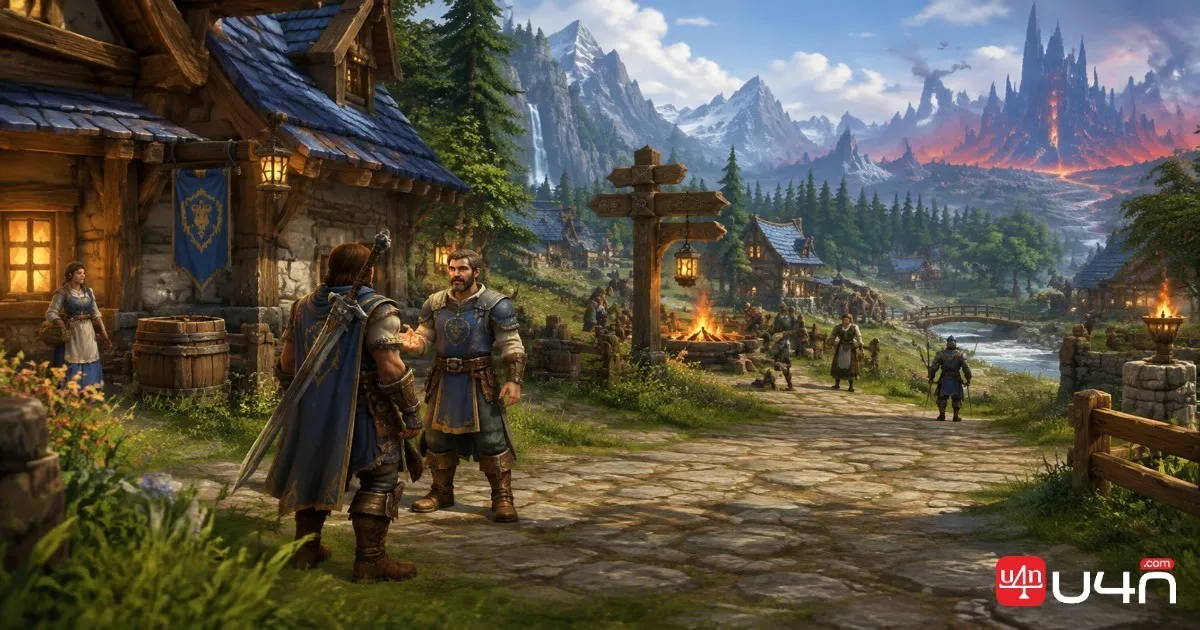
How WoW Forever Builds on Classic Questing
Blizzard presents WoW: Forever as an expanded version of Azeroth that remains rooted in the game's earliest era. Its official overview promises more than 1,000 new quests, alongside new dungeons, secrets, and expanded opportunities for exploration. The important question is not simply how much content has been added, but how naturally that content fits into the established world. For the announced content details, see Blizzard's official World of Warcraft website.
For us, three elements deserve particular attention:
- Familiar worldbuilding: New stories should connect with existing regions, factions, and conflicts instead of making the world feel disconnected from its history.
- Meaningful exploration: New locations should reward curiosity with interesting characters, discoveries, and narrative context.
- Consistent quest flow: New objectives should complement the familiar leveling journey without making progression feel unnecessarily fragmented.
These principles provide a useful framework for judging the new content. However, a design goal is not the same as a proven result. Actual quest quality depends on the writing, pacing, encounter design, and how well individual objectives work together during play.
New Zones Need More Than New Objectives
New areas offer an opportunity to expand Azeroth without abandoning its established identity. Riverglades, for example, is presented as a new region connected to surrounding areas of the Eastern Kingdoms. Its setting creates room for new local conflicts, unfamiliar characters, and stories that can build on the geography players already know.
Zephras Isle takes a different approach. As the home of the new Skyborne race, it gives players a reason to explore a more unfamiliar setting while following a story centered on the island's future. Mount Hyjal, meanwhile, draws on a location with an established place in Warcraft lore.
Each setting has a different narrative opportunity. Riverglades can make the wider world feel more connected, Zephras Isle can introduce a new culture, and Mount Hyjal can deepen an existing part of Warcraft history. The challenge is making these locations feel like places with their own identities, not simply new maps filled with enemies and quest markers.

Our team recommends paying attention to the smaller details when exploring these areas. NPC dialogue, faction relationships, environmental storytelling, and the way one quest leads into another can reveal more about a zone than its overall size or objective count.
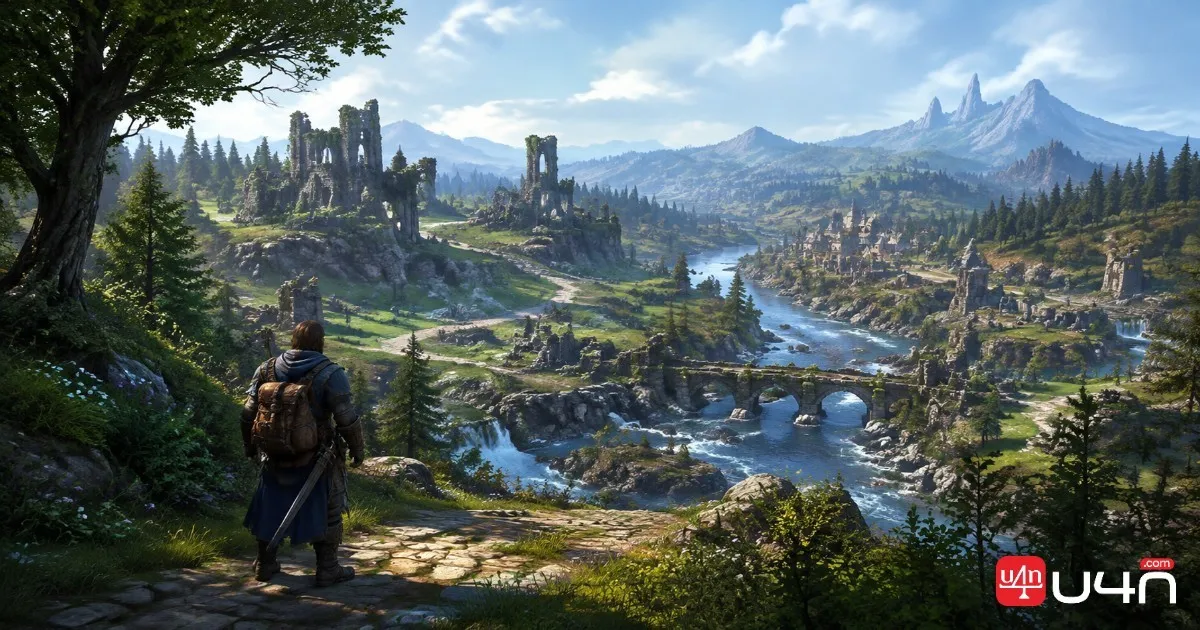
Questing, Exploration, and the Leveling Experience
Quest design also shapes how players move through the game. A well-paced quest chain can guide adventurers across a region while introducing new threats gradually. A poorly paced one can turn the same journey into repetitive travel between distant objectives.
For returning players, the appeal may lie in rediscovering familiar questing rhythms while uncovering new stories. New players may instead need time to learn the geography, understand faction relationships, and recognize which characters or events matter. Both groups benefit when quests provide enough context to make their objectives meaningful.
We suggest evaluating new quest content across four practical areas:
| What to evaluate | Why it matters | What players should look for |
|---|---|---|
| Story and character development | Gives players a reason to care about the quest beyond its reward. | Memorable NPCs, meaningful dialogue, and clear motivations. |
| Travel and objective placement | Determines whether exploration feels natural or unnecessarily repetitive. | Logical routes, worthwhile discoveries, and manageable travel distances. |
| Quest-chain progression | Helps individual tasks build toward a satisfying conclusion. | Connected objectives, consistent pacing, and a clear narrative payoff. |
Rewards remain important, but they should support the adventure rather than define it entirely. Players may also want to plan their gear upgrades and other World of Warcraft Forever Items around their preferred activities, particularly when moving between questing, dungeons, and group content. Still, equipment is only one part of the experience; it cannot replace interesting stories or thoughtful world design.
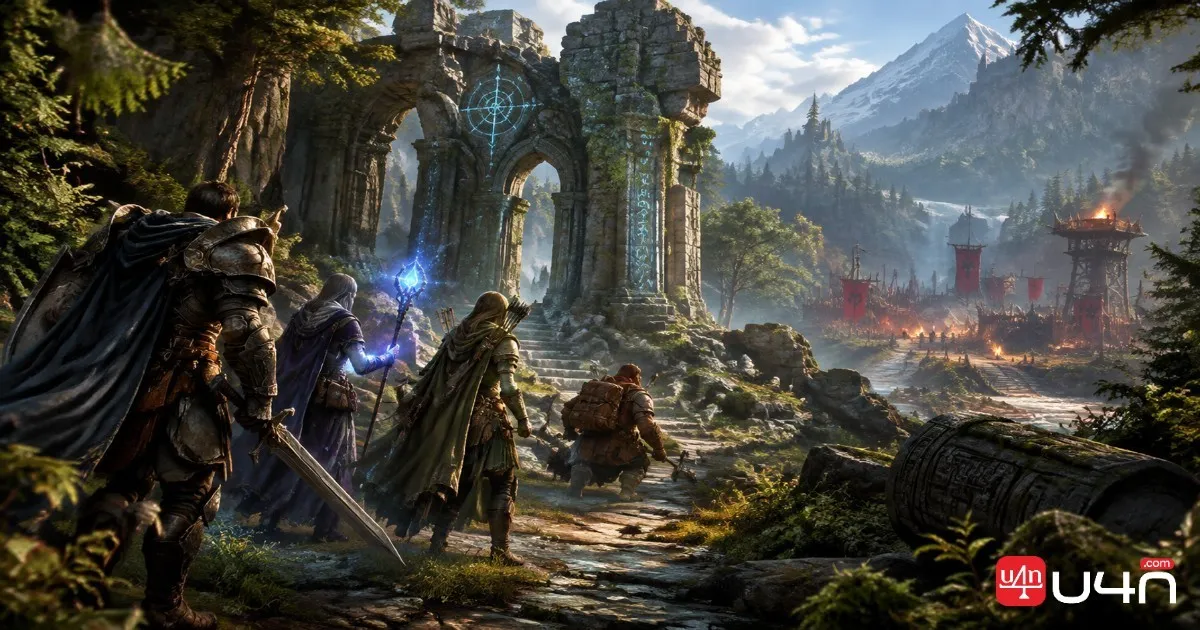
Summary
World of Warcraft: Forever has an opportunity to preserve the qualities that made Classic questing memorable while giving players new reasons to explore Azeroth. Its expanded zones and additional quests provide a foundation, but the lasting value of that content will depend on how well its stories, characters, and objectives fit into the wider world.
For players, the best way to approach the new content is to look beyond quest counts and reward lists. Pay attention to the stories behind local conflicts, follow quest chains when they offer meaningful context, and allow time for exploration when a region catches your interest.
Why Classic Quest Design Still Matters
In our view, the real test for WoW: Forever is not whether it can recreate the appearance of Classic WoW. It is whether it can preserve the feeling that every journey through Azeroth might reveal something worth remembering.
Classic design works best when its challenges feel purposeful rather than inconvenient for their own sake.
That requires restraint as much as ambition. New quests should add depth without overwhelming established lore, and convenience should not erase every reason to explore. At the same time, nostalgia should not excuse confusing objectives or unnecessary repetition. Classic design works best when its challenges feel purposeful rather than inconvenient for their own sake.
We will be watching how the new quest chains connect familiar locations with new stories, how consistently the writing supports each region, and whether exploration remains rewarding throughout the leveling journey. If WoW: Forever gets those fundamentals right, its new content can become more than an extension of Classic Azeroth. It can give both returning veterans and first-time adventurers new stories of their own to tell.