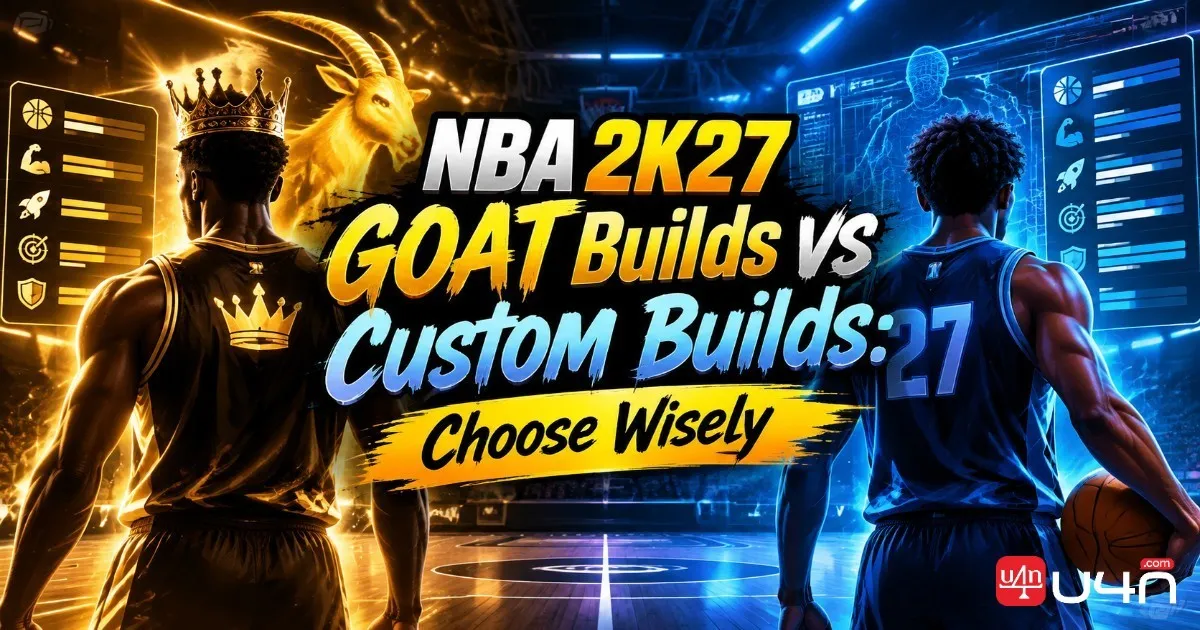
Choosing between GOAT Builds and Custom Builds in NBA 2K27 is about more than chasing the highest ratings. One option offers access to special player templates with unusual attribute combinations, while the other gives you greater control over how your MyPLAYER fits your preferred style. Our team recommends comparing both options before committing your VC, especially if you plan to play multiple modes or are considering NBA 2K27 Boosting to speed up your progression.
The real question is not simply which build looks stronger on paper. It is whether its strengths translate into reliable performance on the court. A dominant isolation scorer, a primary playmaker, and a defensive center have very different priorities. Understanding those differences will help you avoid spending time and resources on a build that does not suit your role.
The best build is not necessarily the one with the highest ratings. It is the one whose attributes, animations, and role match your playstyle, preferred game modes, and available resources.
GOAT Builds vs Custom Builds: Key Differences
GOAT Builds are designed around recognizable NBA stars and their signature playing styles. Their appeal comes from preset player templates and attribute combinations that may be difficult or impossible to reproduce through the standard builder. Custom Builds, by contrast, let you shape your player around specific attribute thresholds, animation requirements, and team responsibilities.
| Category | GOAT Builds | Custom Builds |
|---|---|---|
| Attribute profile | Preset combinations that may exceed normal builder limits | Greater control over attribute allocation within builder restrictions |
| Animations | Signature animations are generally tied to the selected template | More freedom to select eligible animations |
| Badges and progression | Depends on the template, badge options, and available upgrades | Depends on attribute thresholds and progression choices |
| Position flexibility | Built around a predefined player profile | Can be tailored to a specific role |
| Best reason to choose | You want a distinctive star-inspired package | You want precise control over your playstyle |
One important distinction is that a higher rating does not automatically make a build better. A player with elite finishing but limited shooting may struggle in a lineup that needs perimeter spacing. Likewise, a custom build with carefully selected attributes can outperform a more impressive-looking template when it better matches the user's timing, decisions, and team role.
GOAT Builds also should not be treated as completely customizable players. Check the available signature animations and upgrade options before choosing a template. Custom Builds provide more flexibility, but they still operate within the builder's restrictions and animation eligibility requirements.
Which Build Works Best for Each Position?
Shooting Guard: Scoring Versus Shooting Control
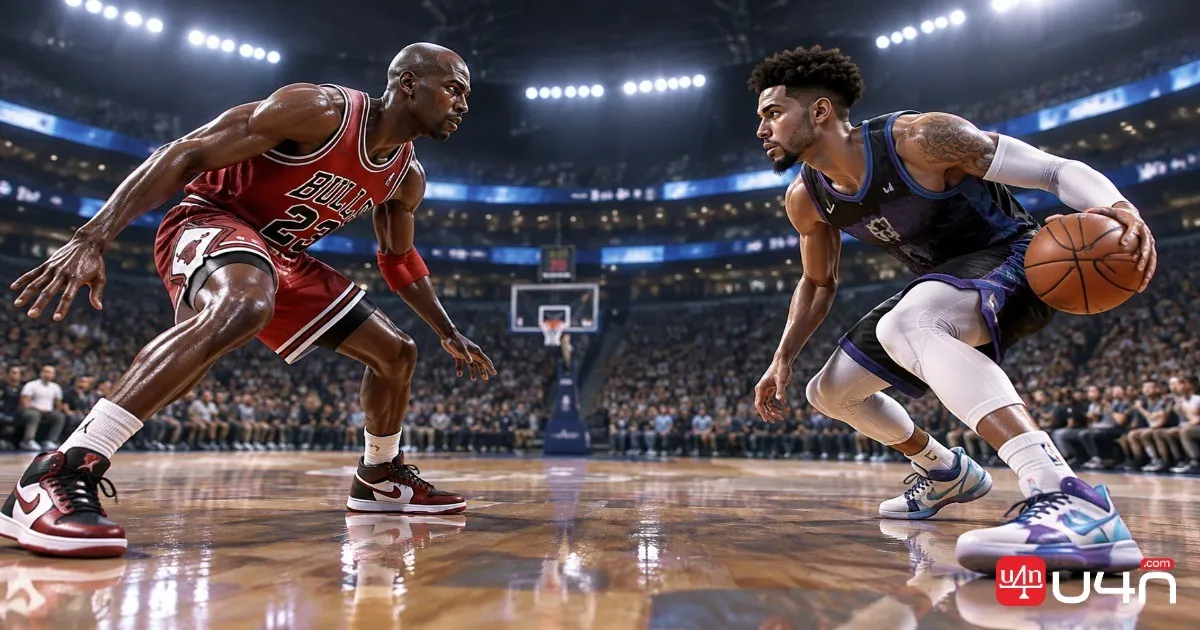
For a shooting guard, the key trade-off is between physical tools and offensive consistency. A star-inspired template may offer an attractive combination of finishing, speed, and perimeter scoring. However, its preset jump shot may not feel natural to every player.
A Custom Build makes more sense if you rely on a familiar release, specific dribble combinations, or carefully balanced perimeter defense. Before committing, check the attribute thresholds required for your preferred jump shot and ball-handling animations.
Our recommendation: Choose a GOAT template when its overall scoring package fits your game. Choose a Custom Build when animation control and a precise balance between shooting and defense matter more.
Playmaker: Size, Ball Handling, and Decision-Making
Playmakers need more than a high Ball Handle rating. Speed With Ball, Pass Accuracy, finishing options, and the ability to create space all influence how effectively they run an offense.
A tall GOAT playmaker can be appealing if the template combines size with strong passing and ball-handling attributes. Yet a Custom Build may suit players who prioritize a particular dribble style, faster decision-making, or a more specialized passing role.
For Park and 2v2 games, creating advantages in isolation and pick-and-roll situations can be decisive. In Rec, the ability to read help defense, deliver accurate passes, and keep the offense moving is just as important as individual creation.
Our recommendation: Compare the complete attribute profile and eligible animations rather than choosing solely because a template resembles a favorite NBA star.
Interior Defender: Rim Protection and Team Value
Interior defenders need to balance Interior Defense, Block, Rebounding, Strength, and mobility. A GOAT center may offer a compelling defensive package, but a weakness in one area can become obvious against a specific opponent.
A Custom Build lets you prioritize the role your team actually needs. A paint-focused center may invest heavily in rim protection and rebounding, while a more versatile big may need enough mobility to defend pick-and-rolls and recover against perimeter players.
Our recommendation: Judge centers by their defensive coverage and rebounding reliability, not just their highest defensive rating. In organized five-on-five games, a build that consistently protects the paint and makes sound rotations can be more valuable than one with spectacular individual numbers.
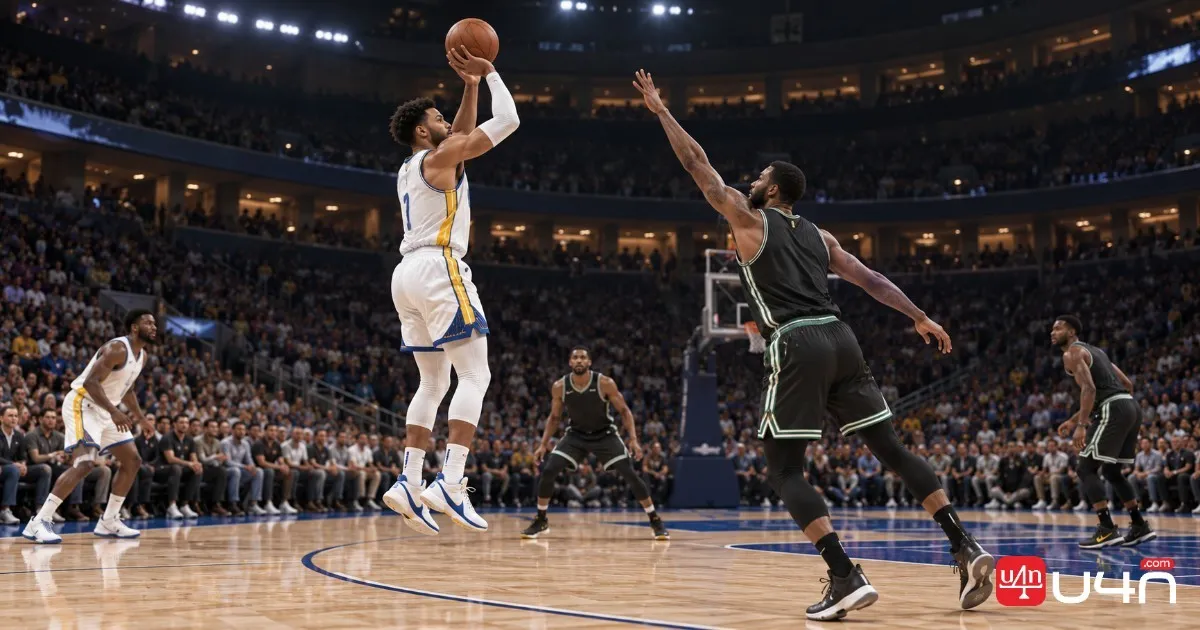
Park, Rec, and MyCAREER: Match the Build to the Mode
Different modes reward different strengths, so there is no universal winner.
| Mode | What matters most | What to evaluate |
|---|---|---|
| Park / 1v1 / 2v2 | Isolation scoring, matchup advantages, and defensive versatility | Size, speed, ball handling, and ability to defend switches |
| Rec / 5v5 | Spacing, team defense, rebounding, and decision-making | Shooting consistency, passing, defensive assignments, and role balance |
| MyCAREER | Personal enjoyment, progression, and scoring efficiency | Preferred playstyle, upgrade priorities, and ease of using the build |
If you mainly play Park, a GOAT Build may be worth considering when its physical profile and offensive tools give you a clear matchup advantage. If you spend most of your time in Rec, a specialized Custom Build can be easier to tailor to a team role, particularly for perimeter shooting or defensive support.
MyCAREER is more flexible. Since you can prioritize your own progression goals and preferred gameplay experience, either option may work well. The best choice is the one that makes the game enjoyable without requiring you to fight against the build's limitations.
VC Investment and Long-Term Build Value
Before spending VC, decide which attributes you actually need to upgrade first. A build that looks impressive at its starting level may require substantial investment before it performs the way you expect. Check its current ratings, upgrade limits, badge requirements, and animation eligibility before making a commitment.
GOAT Builds can be attractive when their preset strengths directly support your role. Custom Builds can offer better practical value when you can avoid unnecessary attributes and focus on a few important thresholds. Neither option is automatically cheaper; the answer depends on starting attributes, upgrade costs, unlock requirements, and how much of the build you intend to develop.
Players planning to buy NBA 2K27 VC should compare the total investment with the build's actual usefulness before spending. We recommend prioritizing the attributes that unlock your core offensive or defensive tools instead of spreading upgrades across abilities you rarely use.
A second build can be worthwhile if it fills a genuine gap in your lineup. For example, a primary ball handler and a defensive center serve different purposes. However, creating multiple players too early can divide your resources and leave every build underdeveloped. Start with one reliable role, learn its strengths and weaknesses, and expand only when you know what your lineup is missing.
- Prioritize attributes that support your main offensive or defensive role.
- Check animation eligibility and badge requirements before committing VC.
- Build a second player only when it fills a genuine gap in your lineup.
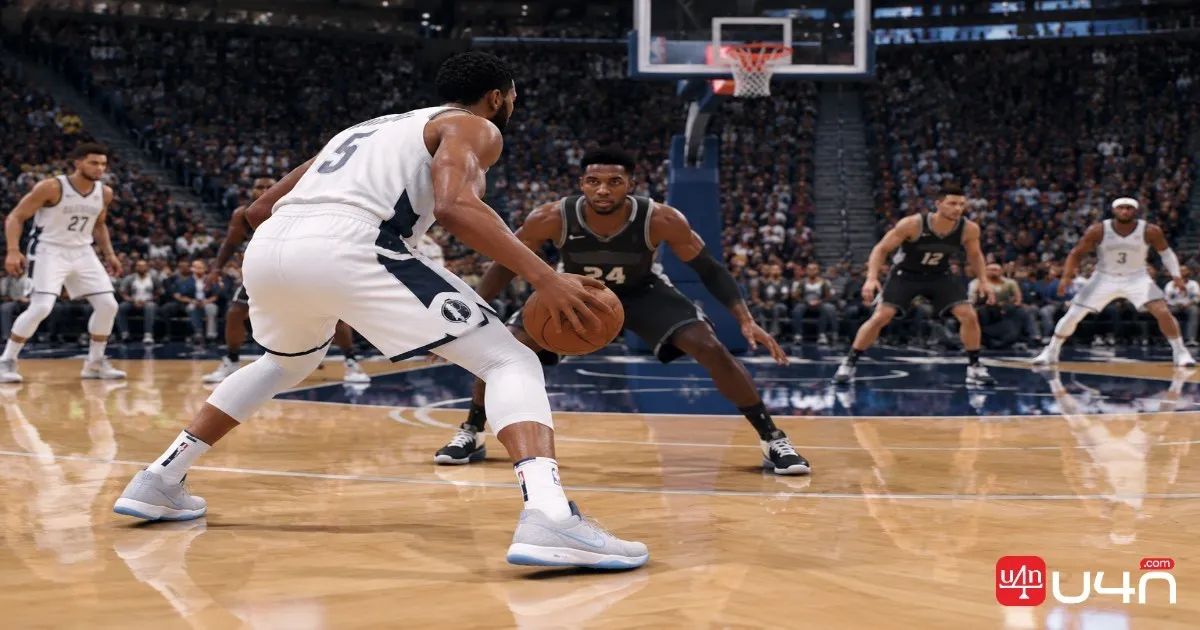
Summary: Which Build Should You Choose?
GOAT Builds are worth considering when a preset star-inspired package offers the attributes and physical profile you want. Custom Builds are the stronger option for players who value precise attribute allocation, eligible animation choices, and a role-specific setup.
Before deciding, ask yourself three questions: Does this build support my main game mode? Can I use its animations comfortably? Will its upgrade requirements fit my available resources?
If the answers are clear, you are much less likely to regret your investment. Do not choose a build because its overall rating or reputation looks impressive. Choose it because its strengths solve the problems you encounter on the court.
Our Take: Fit Matters More Than Hype
Our team sees the GOAT-versus-Custom debate as a question of trade-offs rather than a contest with one permanent winner. A star-inspired template can be exciting, especially when it offers an unusual combination of size, athleticism, and skill. A well-planned Custom Build, however, can be just as satisfying because every attribute serves a deliberate purpose.
We would rather use a build that consistently creates good shots, defends its assignment, and fits the team's needs than chase a headline-grabbing rating that does not translate into wins. The strongest choice is the one you understand, can afford to develop, and can use effectively across the modes you enjoy.
In NBA 2K27, smart construction begins before the first upgrade. Compare the actual attributes, test the available animations where possible, and invest in a role you genuinely want to play. That approach will serve you better than blindly following the latest build trend.