Merching is one of the most flexible ways to build wealth in MapleStory Classic World, but making a profit takes more than buying cheap items and listing them at higher prices. In a developing player economy, prices can shift quickly as demand grows, new supply enters the market, and players learn what their gear is actually worth. If we want to build a reliable trading fund, we need to understand both the market and the people buying from it. A sensible approach to MapleStory Classic World Mesos starts with pricing, liquidity, and patience rather than chasing every apparent bargain.
We recommend starting with a small selection of familiar items, learning their recent transaction prices, and gradually expanding into other categories. Popular NX cosmetics, scrolls, ores, equipment, and throwing stars can all present opportunities, but no item guarantees a profit. The strategies below focus on finding genuine price differences, identifying buyers at the right moment, and avoiding inventory that ties up our Mesos for too long.
How to Price Items Before Buying
The first rule of merching is simple: a listed price is not the same as a price someone will actually pay. An expensive item sitting unsold in a player store does not prove that it is worth that amount.
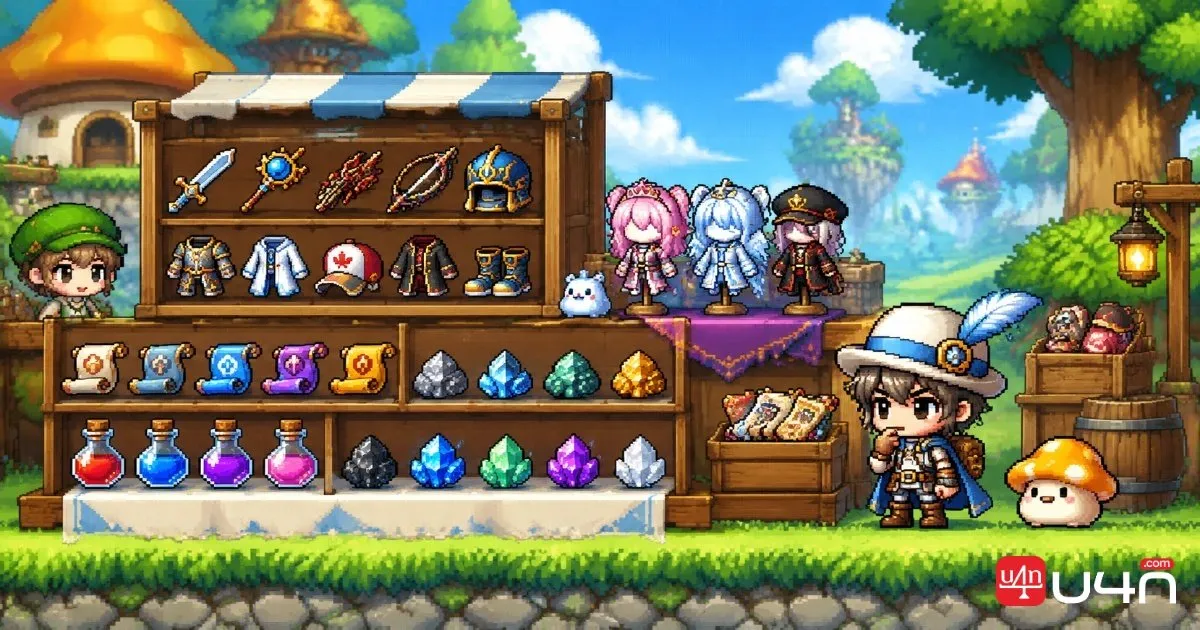
Price-tracking tools can help us establish a starting point. Recent sales are generally more useful for short-term decisions than older averages, especially when the economy is changing quickly. However, even the latest transaction can lag behind the current market, so we should cross-check it against active listings and recent sales wherever possible.
Before buying an item, we recommend checking four things:
- Recent sales: What have buyers actually paid for comparable items?
- Current listings: Are sellers competing to move the same item, or is supply limited?
- Trading activity: Does the item sell regularly, or could it remain in our inventory for a long time?
- Price direction: Is demand increasing, or are new sources of supply putting pressure on its value?
Liquidity matters as much as the apparent profit margin. A modest markup on a popular item can be more useful than a much larger markup on something that rarely sells.
We also recommend specializing early. Rather than trying to memorize the price of every item in the game, choose a few categories and learn their normal price ranges, desirable attributes, and typical buyers. That familiarity helps us recognize genuine bargains before another trader takes them.
The first rule of merching is simple: a listed price is not the same as a price someone will actually pay.

Five Merching Strategies Worth Trying
Each strategy targets a different type of market opportunity. We do not need to use all of them at once; the best starting point depends on our available Mesos, playtime, and knowledge of the items being traded.
1. Convenience Flipping: Sell Where Players Need Items
Convenience flipping means selling an item at a premium because buyers value immediate access more than the lowest possible price.
Players working through quests may need specific materials, while those grinding in popular maps may prefer buying HP or MP potions nearby instead of returning to town. In both cases, the buyer is paying for saved time and reduced disruption.
We describe selling Bronze Ores and Leaves near Perion, where players were completing similar quests. The same principle can apply to consumables near grinding areas or other frequently needed materials near relevant NPCs and quest locations.
To make this approach work, we should:
- Identify locations where players have an immediate reason to buy.
- Stock items that match the local demand rather than listing random inventory.
- Set prices that account for convenience without making the offer unattractive.
- Recheck demand as players finish quests, move to new maps, or outgrow the relevant content.
The main risk is mistiming demand. An item that sells quickly during a popular questing phase may become much harder to move once players progress. Convenience creates an opportunity, not a guarantee of sales.
2. Free Market Sniping: Find Underpriced Listings
Free Market sniping involves searching player stores for items listed below their realistic resale value. The opportunity comes from differences in pricing knowledge, urgency, and how much effort sellers are willing to spend researching their inventory.
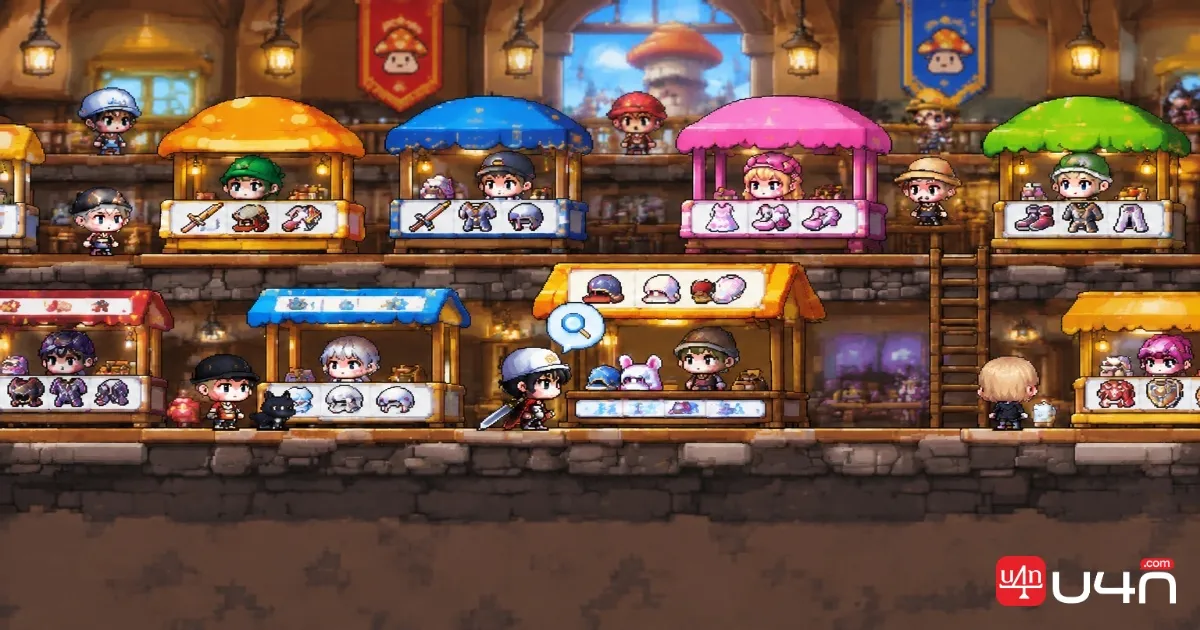
Less popular Free Market rooms can be worth checking because they may receive less attention from other traders. However, we should not assume every overlooked room contains bargains. The method works only when we can identify mispriced items accurately and move quickly enough to secure them.
Example: A Slime Shirt was purchased for 10K Mesos when we believed its market value was 22K. That represents a potential gross spread, but the profit is only realized after the item sells, and the historical prices should not be treated as current market quotes.
Our recommended process is straightforward:
- Focus on a limited group of items whose prices we already understand.
- Browse player stores and compare listings against recent transactions.
- Buy only when the potential resale price leaves enough room for a reasonable margin.
- Relist the item at a competitive price rather than automatically choosing the highest visible listing.
- Review which purchases sold quickly and which remained in inventory.
Once we have accumulated enough market knowledge, this process becomes faster. We can recognize promising listings without checking every item from scratch.
3. Lowballing Megaphone and Smeggers Sellers
Some players advertise items through Smeggers or Megaphones because they want to find buyers without waiting for their store to attract attention. We can use these advertisements as leads, then make an offer below the price we believe the item can realistically command.
The key is to make informed offers rather than sending random low prices. An offer that is too low may be ignored, while an offer that leaves too little resale margin can turn a successful negotiation into an unprofitable trade.
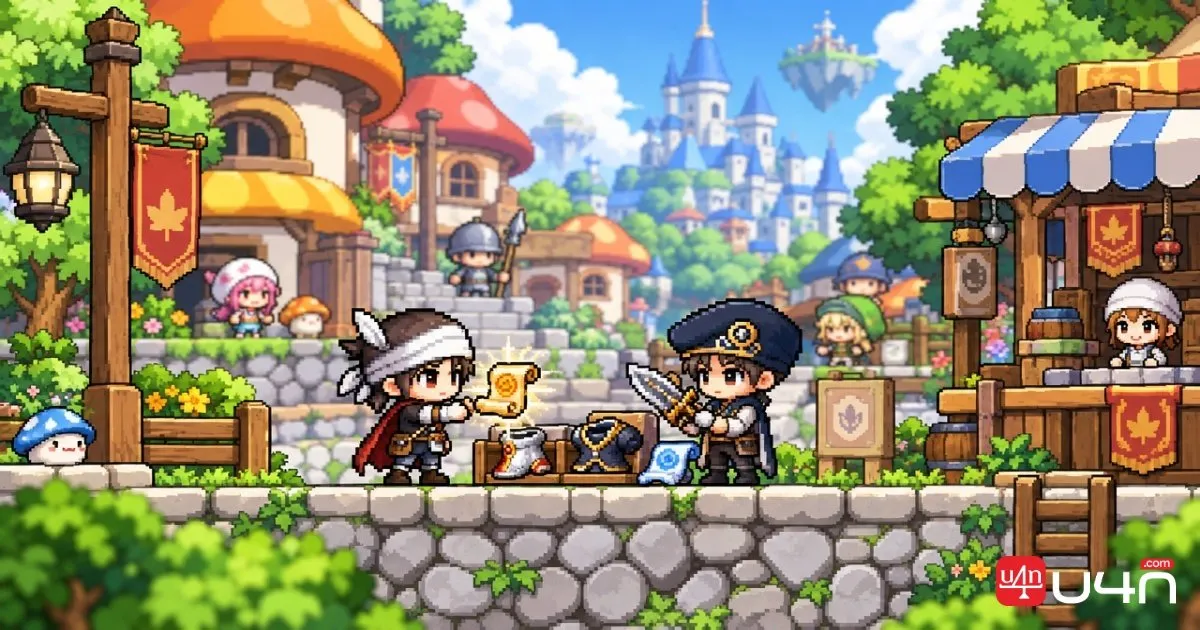
We describe buying an Earring LUK Scroll for 85K and selling it later for 115K. This illustrates how a quick negotiation can create a useful gross spread, although the result depends on the historical market conditions and the item's eventual sale.
We recommend prioritizing advertisements for items we already know well. Before messaging a seller, establish our target purchase price, expected resale price, and maximum acceptable cost. This prevents the excitement of securing a deal from overriding the numbers.
There is also a practical distinction between different advertising channels. If one channel receives less attention, it may produce fewer competing offers, but that advantage can change as player habits evolve. We should test both rather than assume one is always superior.
4. Buy at Quest Reward and Drop Locations
Another opportunity appears when players obtain valuable items through quests or monster drops but do not know their current market value.
Instead of searching the entire Free Market, we can focus on locations where a particular item is likely to appear. Quest NPCs, party quest areas, and popular grinding maps can help us find sellers with relevant inventory.
We highlight the Jane and the Mushroom quest, which can reward a weapon attack scroll, as well as Kerning City Party Quest and maps where monsters drop sought-after scrolls.
The underlying strategy is to connect an item's source with its potential seller:
- Identify a quest or monster associated with the target item.
- Visit the relevant location and advertise that we are buying it.
- Check the item's attributes and current market value before making an offer.
- Leave enough margin for resale and avoid purchasing simply because the item is rare.
This method requires game knowledge as much as trading knowledge. Understanding where items come from helps us find sellers, but we still need accurate pricing to decide whether a deal makes sense.
5. Predict Market Movements Before They Happen
The most speculative form of merching is buying items because we expect their prices to change. Instead of exploiting a current price difference, we are making a judgment about future supply and demand.
Several developments can influence an item's value. A growing player base may create additional demand for popular cosmetics and equipment. Conversely, a new acquisition method or more players reaching a farming level can increase supply and put downward pressure on prices.
We discuss holding permanent NX cosmetics in anticipation of greater demand, while expecting some lower-tier throwing stars to lose value as alternative sources become available. These are market hypotheses, not guaranteed outcomes.
Before making a speculative purchase, we should ask:
- What specific change do we expect to affect the price?
- Will it increase demand, reduce supply, or do both?
- Is the expected change already reflected in current prices?
- How long might we need to hold the item?
- Can we absorb a loss if the prediction fails?
We should also distinguish between a temporary price spike and a lasting change in value. A popular item can rise quickly when supply is limited, then fall when more players begin selling it. Buying the dip only works when the underlying reason for the price decline is likely to reverse.
For most players, speculative trades should come after basic price tracking and short-term flipping. A profitable opportunity is not worth much if it leaves our available Mesos tied up in inventory we cannot sell.
How to Manage Prices, Inventory, and Risk
Finding a good purchase is only half the process. A sustainable merching routine needs a clear plan for selling inventory, recovering capital, and responding when the market moves against us.
| Factor | What we should check | Why it matters |
|---|---|---|
| Purchase price | Is the item genuinely underpriced? | A low listing is not automatically a bargain. |
| Resale price | Can comparable items sell at our target price? | High asking prices do not prove actual demand. |
| Liquidity | How regularly does the item sell? | Slow-moving inventory can tie up our Mesos. |
| Supply changes | Are more items entering the market? | Greater supply can weaken resale prices. |
| Holding period | How long are we prepared to wait? | Longer holds increase uncertainty and reduce flexibility. |
| Exit plan | When should we lower the price or sell at a loss? | A predefined exit reduces emotional decisions. |
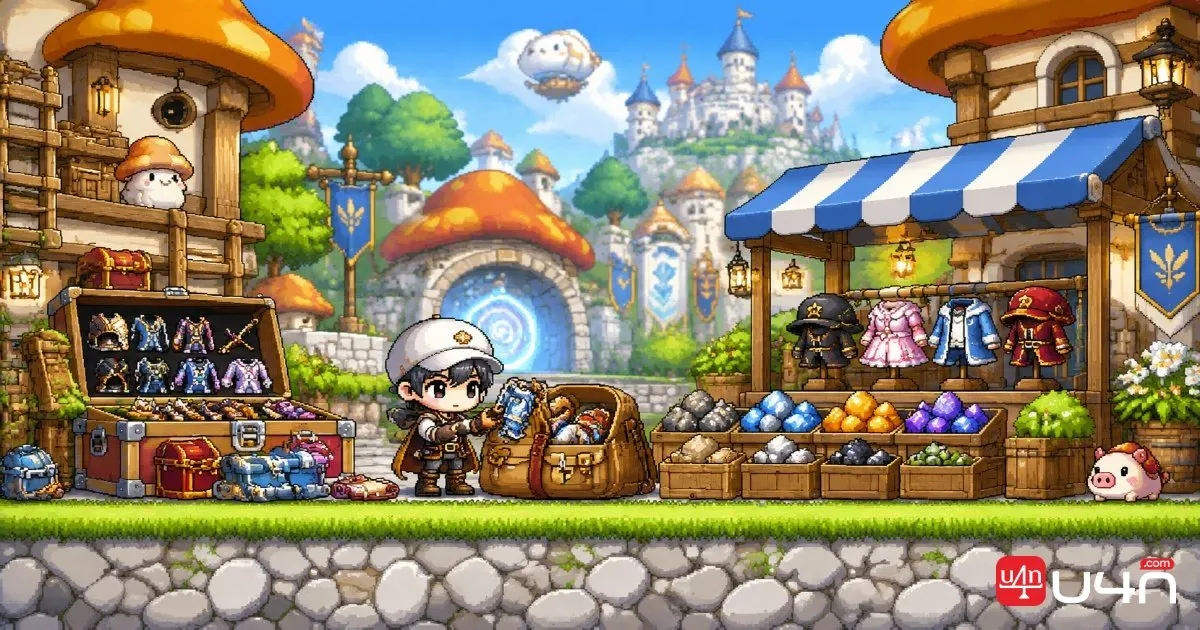
We should track each meaningful trade, including the purchase price, listing price, final sale price, and time required to sell. This helps us distinguish a strategy that works consistently from one that produced a few lucky transactions.
We should also preserve enough liquid Mesos for character progression and routine expenses. Investing everything in inventory can leave us unable to buy necessary gear or take advantage of better opportunities that appear later.
Finally, we should not rely on one pricing tool alone. Recent transactions, current player stores, item attributes, and the number of comparable listings all contribute to a more realistic valuation. If the market is moving quickly, smaller purchases and more frequent price checks can help limit exposure.
Summary
Successful merching in MapleStory Classic World comes down to understanding what players need, recognizing when an item is underpriced, and knowing whether there is a realistic path to resale. Convenience flipping, Free Market sniping, direct offers, location-based buying, and market speculation each offer a different route to profit, but all depend on sound pricing and disciplined inventory management.
We recommend starting with a small number of familiar items, tracking their actual sales, and prioritizing liquid trades before taking larger speculative positions. As our knowledge of the market improves, we can expand into new categories and use supply changes to identify opportunities. Building a useful inventory of MSCW Items is only part of the process; the real advantage comes from knowing when to buy, when to sell, and when to walk away from a deal.
FAQ
What is merching in MapleStory Classic World?
Merching is the practice of buying items at prices below their realistic resale value and selling them for more. It can involve cosmetics, scrolls, equipment, ores, consumables, and other items with active player demand.
What is the best merching strategy for beginners?
We recommend starting with Free Market sniping or a small selection of familiar, frequently traded items. These approaches help beginners learn real transaction prices before committing large amounts of Mesos to speculative inventory.
Should I use Meso watch to determine item prices?
Use it as a reference, not as the final authority. Recent sales can provide a useful starting point, but current listings, unsold stock, item attributes, and changes in demand can all affect what a buyer will actually pay.
Is lowballing always a good way to make Mesos?
No. A low offer only helps if the seller accepts it and the item can later be resold at a sufficient margin. Offers that are too aggressive may be ignored, and buying an item without checking current demand can still result in a loss.
Which items are best for merching?
There is no permanently best category. Items with regular demand and active trading are often easier to resell, while rare equipment and speculative cosmetics may offer larger potential margins but carry greater uncertainty. We should compare liquidity, supply, and realistic resale prices before buying.
Should I hold items until their prices rise?
Only when we have a clear reason to expect a change in supply or demand and can afford to keep our Mesos tied up. If the expected market movement fails to materialize, reassess the item instead of holding it indefinitely.