

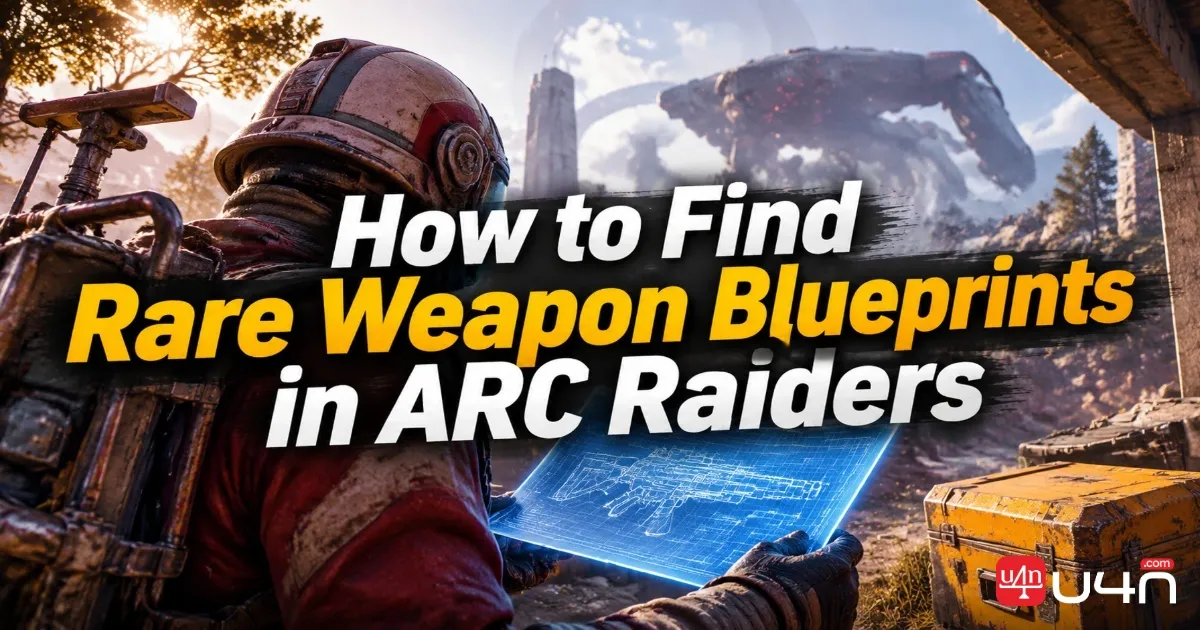
Rare weapon blueprints are the reason many ARC Raiders runs begin with a specific event in mind. You queue for the right conditions, head toward the objective, and hope the reward survives both the encounter and the trip out. Several blueprints associated with particular activities can also appear during major map conditions through ordinary looting.
For our team, the useful change is the opportunity to combine blueprint hunting with a normal resource run. While checking containers for ARC Raiders Items, we may also have a reason to search for weapon plans that previously sent us toward a dedicated event. That makes small containers along an existing route more interesting, especially when reaching the usual objective would require a long detour.
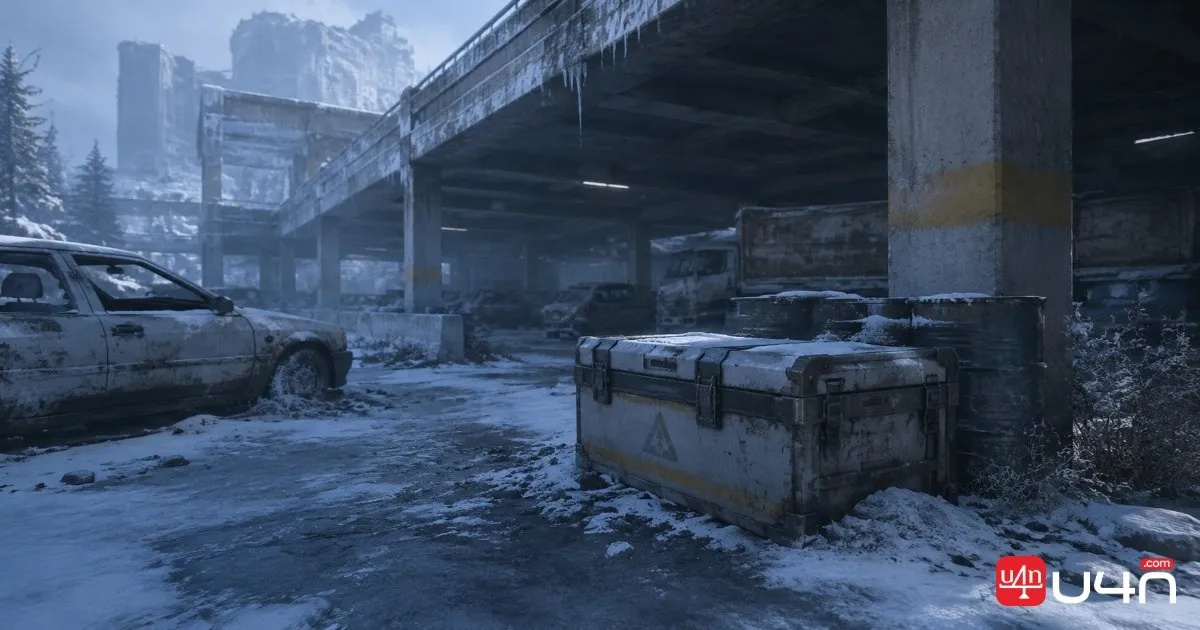
Jupiter blueprint found during Cold Snap in Buried City. It came from an ordinary metal container near the parking area. That discovery deserves attention, but it also needs context: one successful find supports that particular drop opportunity. It does not establish equal odds across every weapon, map, condition, or container.
What the Blueprint Change Actually Means
An expansion of the loot pool following an update after Frozen Trail. Its central claim is that several weapon blueprints associated with specific events or conditions can now appear during other major conditions.
That distinction changes how we prepare. A player hunting one missing blueprint should check the active condition before selecting equipment or planning a route. Entering the right map under an ordinary condition is not necessarily equivalent to entering it during one of the conditions.
We also need to separate a weapon pickup from its blueprint. Finding a usable Tempest during a raid is a worthwhile result, but it does not prove that a Tempest blueprint dropped. When reviewing a run, we look for the actual item name and blueprint identification before counting it as evidence.
Which Weapon Blueprints Are Being Discussed?
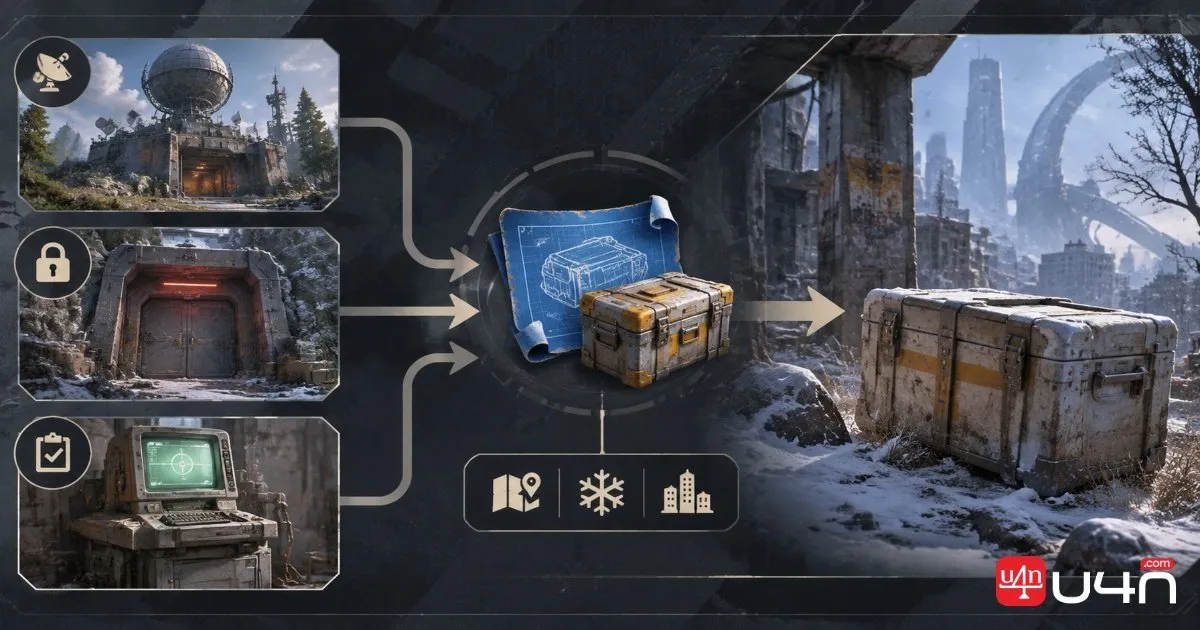
The names six weapons: Bobcat, Vulcano, Dolabra, Jupiter, Equalizer, and Tempest.
The table below organizes the claims made. These are the descriptions of their established associations, rather than an independently verified list of current exclusivity rules.
| Weapon blueprint | Acquisition route associated with it | Evidence for broader availability |
|---|---|---|
| Bobcat | Locked Gate event on Blue Gate | Loot pool claim |
| Vulcano | Hidden Bunker at Spaceport | Loot pool claim |
| Dolabra | Close Scrutiny event and its access objective | Hurricane finds |
| Jupiter | Harvester event | Found during Cold Snap in Buried City |
| Equalizer | Harvester event | Involving Surveyors |
| Tempest | Night Raid | Pool claim; a weapon pickup alone does not confirm a blueprint drop |
Jupiter is the clearest example because it describes a successful blueprint discovery during the recorded search. The other entries offer leads worth checking, but their supporting evidence differs.
Our preference is to keep those differences visible. A confirmed personal pickup, a community, and a general statement about an update should not receive identical treatment. Players planning several evenings around one missing blueprint need that distinction more than they need an exciting headline.
What the Cold Snap Search Shows
The search begins on Dam Battlegrounds during Cold Snap. It keyed rooms, searches ordinary containers, checks breakable objects, and moves through several buildings. Much of the attempt produces supplies rather than the weapon blueprints being targeted.
After further unsuccessful attempts, the player moves to Buried City. The successful moment arrives when a Jupiter blueprint appears in a plain metal container around the parking area. The container attracts attention precisely because it does not look like a dedicated legendary reward source.
We would take two practical lessons from that sequence. Ordinary containers can deserve a place in the search during the relevant conditions, and an unproductive keyed room does not mean the rest of the raid has nothing to offer. The surrounding route may still contain unopened loot.
What we would not take from it is a parking lot farming guarantee. The discovery location is a useful reference point, but it provides no repeated sample showing that this spot outperforms comparable containers elsewhere. Reaching the same location recreates part of the situation, not the outcome.
Build a Search Route Around Available Containers
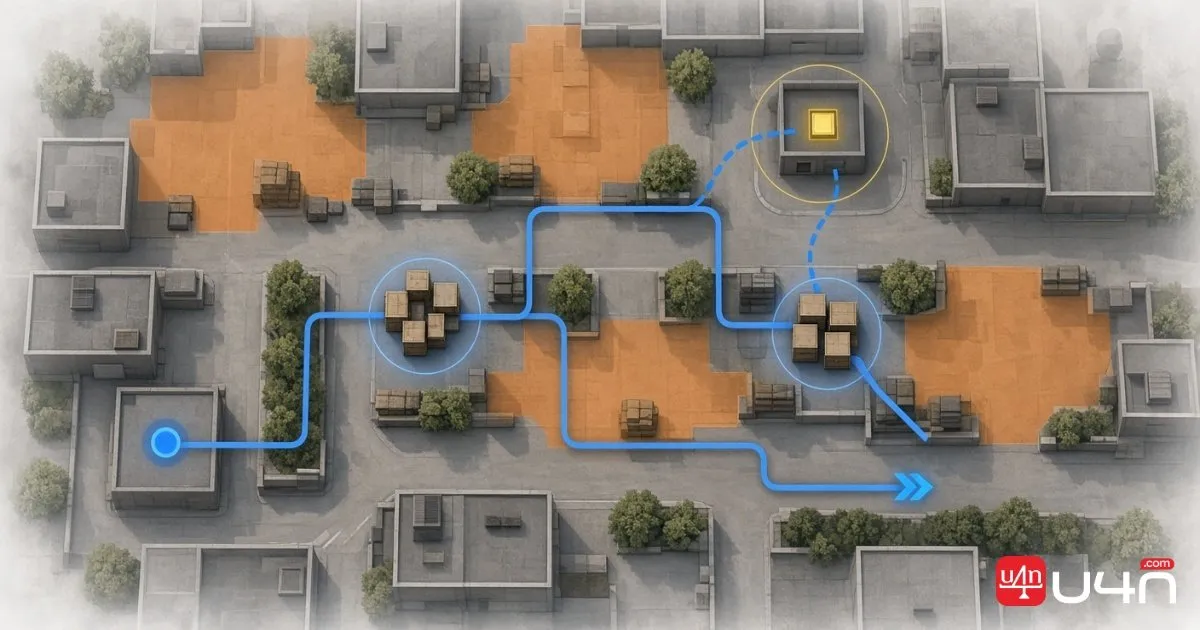
Our approach would be to choose a manageable route through several searchable areas, with an extraction option that remains practical as the raid develops. We would rather inspect a cluster of accessible containers than cross the map for one location supported by a single successful clip.
A route also needs room for change. If the first building has already been cleared, the next decision should account for the supplies left, nearby activity, and the distance to another useful stop. Continuing toward the original destination simply because it was marked before deployment can turn a reasonable plan into an expensive detour.
Use Keyed Rooms as Part of the Route
Brings keys and checks multiple secured spaces, yet those visits do not produce the target blueprint. That makes keyed rooms reasonable stops when they fit the route, without establishing them as a requirement for the broader drop opportunity.
We would bring a suitable key when its room is close to the planned path, and the rest of the run can still justify the equipment commitment. A key is less attractive if using it means ignoring several untouched areas or arriving at a heavily contested building with little room to retreat.
Previously looted areas deserve a quick assessment too. This describes finding overlooked opportunities around spaces another player had visited. An open entrance does not prove that every nearby container has been searched, although a mostly empty building rarely deserves a lengthy second inspection.
Check Ordinary Containers Without Searching Blindly
The Jupiter discovery gives us a reason to inspect plain containers. It does not make every additional search equally valuable. A container beside cover on our route costs little to check; one across an exposed courtyard can demand much more time and attention.
We would prioritize accessible containers, unopened clusters, and objects near places we already need to visit. Once a section is exhausted, we move. Rechecking empty spaces adds no useful opportunity, and the possibility of a rare drop should not erase the cost of reaching the next container.
Choose Conditions Before Chasing a Specific Spot
This repeatedly connects the expanded blueprint opportunity with major conditions. That makes condition selection more relevant than copying the exact path of the successful run. Cold Snap provides the Jupiter example, while Hurricane and other conditions appear in the broader claims.
We would begin with the condition currently available and then select a map we can navigate comfortably. Familiar routes make it easier to recognize an already looted building, judge the distance to another stop, and decide when a detour has become unreasonable.
| Situation | How we would approach it |
|---|---|
| Cold Snap is active on a familiar map | Search a compact route with accessible containers and nearby shelter |
| A relevant condition is active on an unfamiliar map | Keep the route short and avoid committing to distant objectives |
| The preferred keyed room is already looted | Check nearby untouched opportunities, then reassess the next stop |
| Several raids produce no target blueprint | Review route quality and costs without assuming the loot pool has changed |
| A rare blueprint appears early | Reconsider further searching and plan the trip out |
We would also avoid giving a failed raid too much meaning. Random loot can produce long dry spells. Without a large, controlled sample, several empty runs cannot tell us whether a particular condition is poor, a container is excluded, or the player simply missed the desired roll.

Keep Dedicated Events in Your Blueprint Plan
Broader availability does not remove the appeal of a focused event attempt. If a player understands an activity, has a suitable group, and wants the blueprint associated with it, that route may remain a sensible use of the session.
The choice becomes more interesting when we account for everything a run can achieve. A dedicated attempt concentrates effort on one objective. A condition-based search can combine blueprint chances with materials, equipment, and other progression, even if the target plan never appears.
Our team would alternate between those approaches according to the opportunities available that evening. If the relevant event is accessible and the group is prepared, we can pursue it. If a useful condition is active and several stash needs overlap, a broader search may produce a more productive session.
We would be cautious about claims that community feedback alone establishes the best route. Players finding Equalizer through Surveyors and Dolabra during Hurricane. Those s are worth investigating, but they do not reveal the number of attempts, exact circumstances, or consistency of the results.
The same restraint applies to numerical expectations. The supplied material cannot support an hourly blueprint estimate, an exact drop percentage, or a promise that a certain number of runs will be enough. A credible route recommendation should survive a session where the rare item never drops.
Know When the Blueprint Hunt Has Paid Off
Once the target blueprint appears, the next decision changes. We would check our condition, available supplies, nearby activity, and route out before opening another container. A successful search creates a reason to reassess the run immediately.
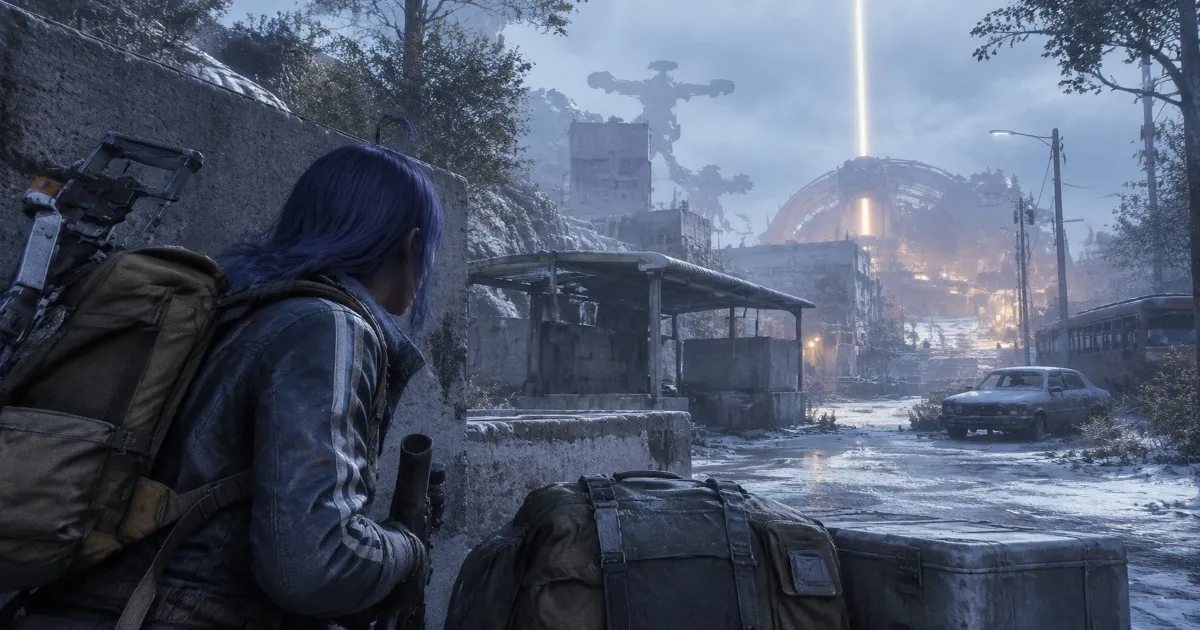
Before deployment, we would also decide how much equipment and ARC Raiders Coins we are comfortable committing to repeated attempts. That keeps a dry spell from turning into a series of increasingly costly loadouts. If the search also supplies materials or completes another useful objective, the session can still earn its place without a rare drop.
The Buried City discovery gives us a concrete reason to look beyond the event reward room. During the conditions, an ordinary container may hold a blueprint worth pursuing. We would check the containers that fit our route, keep the evidence behind each farming claim in view, and extract when the item we came for is finally in the bag.