



Diablo 4 Season 16 brings new equipment combinations, build possibilities, endgame progression options, and several quality-of-life improvements. But does that make the new season worth your time? Based on the PTR gameplay and systems available for testing, the answer depends largely on what you want from Diablo 4. Players who enjoy experimenting with builds have plenty to explore, while those expecting an entirely new endgame experience may need to adjust their expectations. If you are also preparing your character's equipment and resources, keeping track of useful Diablo 4 Items can help you plan your next build.
Our team sees Season 16 as a season focused more on build diversity and progression improvements than a complete gameplay overhaul. Horadric Items introduce additional ways to combine set bonuses, War Plans give players more control over endgame activities, and several class builds offer fresh combat experiences. However, familiar activities such as The Pit, Helltide, and Infernal Hordes remain central to the endgame loop. Here is what these changes mean for different types of players.
Diablo 4 Season 16 Quick Verdict
Season 16 is worth considering if you already enjoy Diablo 4 or want to return after missing several updates. The new equipment combinations and class builds provide meaningful reasons to experiment, particularly if you have not explored every class.
However, players looking specifically for entirely new endgame activities should be more cautious. The PTR introduced useful progression systems and additional encounters, but much of the familiar gameplay structure remains unchanged.
| Player Type | Is Season 16 Worth Playing? | Main Reason |
|---|---|---|
| Existing Diablo 4 players | Yes | More build combinations and equipment options |
| Returning players | Yes | Recent expansion systems and progression improvements |
| Build experimenters | Yes | New Horadric set combinations |
| Endgame-focused players | Maybe | Better activity selection, but limited changes to the core loop |
| Diablo 2 purists | Not necessarily | Diablo 4 retains its own combat and progression identity |
| Players experiencing burnout | Depends | New builds may help, but familiar activities remain |
One important distinction is expansion ownership. Players without Vessel of Hatred should check which features and equipment combinations require the expansion before planning their characters. Some of the strongest combinations discussed during testing depend on expansion-related content, so the experience may differ depending on what you own.
Season 16 is more attractive to players who enjoy experimenting with builds and improving progression than to those expecting a completely redesigned endgame experience.
Horadric Items Bring More Build Combinations

Horadric Items are among the most interesting changes in Season 16 because they give players another way to build around set bonuses. Rather than simply replacing existing equipment, these items introduce additional effects that can support different damage setups, utility options, and skill rotations.
During PTR testing, the system was presented as an additional equipment layer associated with legendary gear. It does not function in the same way as Unique or Mythic Unique equipment, making the distinction between item categories important when planning a build.
The biggest advantage is the ability to combine set effects with existing equipment choices. Depending on the bonuses available, players can gain additional damage multipliers, cooldown reduction, or utility effects that make certain skill combinations more practical.
For example, Sorcerers can benefit from combining Tal Rasha-related bonuses with additional set effects. This creates more room to improve damage without relying entirely on the same equipment combinations used in previous seasons.
However, more set bonuses do not automatically make every build equally competitive. Some combinations will offer stronger damage scaling, while others may provide utility that is more valuable in specific encounters.
Our recommendation is to evaluate Horadric Items based on three factors:
- Damage scaling: Does the set provide a meaningful multiplier or improve an existing damage rotation?
- Skill flexibility: Does it allow you to use skills that were previously difficult to fit into a build?
- Equipment trade-offs: Are the new bonuses worth giving up another Legendary or Unique effect?
The system's real value comes from the combinations it enables, not simply from adding another equipment slot or bonus to collect.
War Plans and Endgame Progression Improvements

War Plans are another major addition, particularly for players who spend most of their time farming endgame activities. The system allows players to select progression paths built around activities they actually want to complete instead of relying entirely on the usual rotation.
Depending on the selected route, players can focus on activities such as Helltide or The Pit and work toward additional rewards. The system also offers ways to improve opportunities for specific encounters and activities, making it easier to direct your farming toward a particular goal.
This is primarily a progression and efficiency improvement rather than a completely new endgame mode.
Another useful change involves resource management. The PTR presentation showed that certain accumulated resources, including Aberrant Cinders, could be retained rather than being automatically cleared at the usual reset point. A technical storage limit still applies, but this reduces pressure to spend everything immediately.

Season 16 also introduces a separate progression tree for seasonal material bonuses. Players can invest points into different benefits, including additional experience and improved equipment or material rewards.
| System | Main Function | Player Benefit |
|---|---|---|
| War Plans | Select preferred endgame activity paths | More control over farming |
| Activity bonuses | Improve opportunities for selected encounters | Better targeting of specific content |
| Resource retention | Preserve certain accumulated resources | Less pressure during activity rotations |
| Material progression | Invest in seasonal reward bonuses | More efficient resource collection |
These changes are particularly useful for players who already know which activities they enjoy. Instead of spending time on content they do not want to run, they can prioritize their preferred progression routes.
However, players should not confuse improved reward opportunities with guaranteed drops. Increased chances and additional rewards do not necessarily mean that every activity will produce the exact item or material you need.
New Boss Encounters and Class Builds Worth Trying
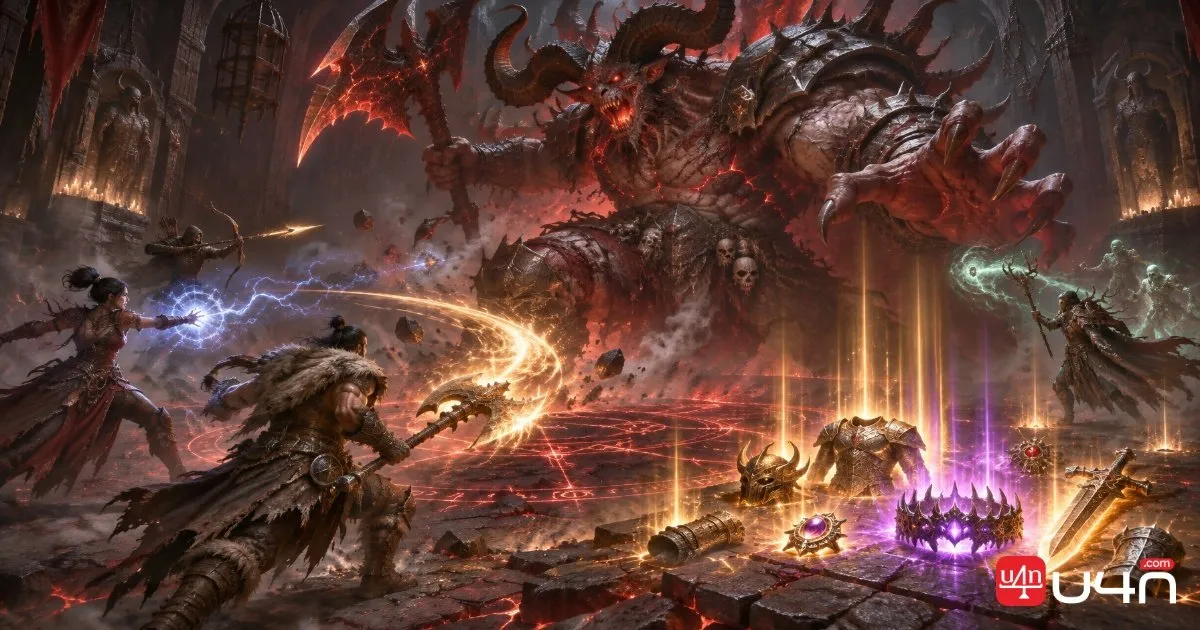
Season 16 also introduces a new or remixed boss encounter based on an existing boss. The encounter provides another opportunity to pursue valuable equipment, including Horadric-related items and potentially Mythic-quality rewards.
PTR suggests that well-developed builds can defeat this boss relatively quickly. That is encouraging for farming efficiency, although the encounter's final difficulty and reward balance may change before release.
For players interested in trying something different, Rogue and Druid stand out as two classes worth exploring.
Rogue: Fast Clearing and Shadow-Based Builds
Rogue is one of our preferred options for players who enjoy fast combat and aggressive movement. Shadow-based builds offer strong clearing potential, while abilities such as Dash and Blade Dance help maintain momentum between enemy groups.
One particularly interesting aspect is the potential to complete Pit runs in under a minute with suitable equipment and execution. This is a PTR performance observation rather than a guaranteed result for every player, but it demonstrates how much speed these builds can offer.
If you enjoy fast rotations, frequent movement, and watching enemy groups disappear quickly, Rogue deserves serious consideration.
Druid: A Different Approach to Mobility
Druid offers a more unusual experience through the new Leap-focused build. Instead of following the familiar patterns of traditional Druid setups, this approach emphasizes repeated movement and jumping attacks.
The main weakness observed during testing is skill cooldown management. If the rotation is interrupted or an ability is unavailable at the wrong moment, players can experience noticeable downtime.
That issue makes the build less consistent than its initial appearance suggests. Still, if the cooldown flow receives sufficient adjustments, it could become one of the more entertaining ways to play Druid.
Paladin: Familiar Strength With Additional Options
Paladin received several adjustments, but not every build appears to benefit equally. Shield-based Retribution remains a familiar option, while Zeal and Aura-focused setups receive changes that may improve their viability.
Players who already enjoy the class should have reasons to experiment, although the PTR results do not suggest that every previously weaker build will suddenly become a top-tier choice.
Sorcerer: Incinerate Is Still a Niche Choice
Incinerate Sorcerer received changes, but our testing impressions are less positive. The updated damage behavior still requires players to remain relatively stationary, which can be dangerous in encounters filled with powerful area attacks.
Channeling abilities have always faced this trade-off in Diablo 4: maintaining damage output often means sacrificing mobility. Unless the final balance changes improve its effectiveness, Incinerate is difficult to recommend over more flexible Sorcerer options.
Who Should Return for Season 16
The value of Season 16 depends on how much of Diablo 4 you have already experienced.
If you have continued playing through recent seasons, the biggest attraction is likely to be build experimentation. Horadric Items create additional equipment combinations, while War Plans make existing endgame activities more convenient to target.
Returning players have a different reason to consider the season. Vessel of Hatred introduced substantial progression and equipment systems, including additional character development options and crafting-related improvements. Later additions, such as Runewords in Season 15, also helped expand the available build possibilities.
Players who stopped before these changes may find that the overall game has developed considerably. However, expansion ownership matters. Vessel of Hatred is paid content, and some of the systems and combinations discussed here may not be available without it. Check the relevant feature requirements before purchasing or planning your build.
Diablo 2 fans should also keep their expectations realistic. Diablo 4 has gained more equipment combinations and unusual build possibilities, but that does not mean it has become Diablo 2. Its combat structure, progression systems, and overall gameplay identity remain different.
If you previously disliked Diablo 4 because of its fundamental gameplay loop, Season 16 is unlikely to change your mind completely.
Should You Play Diablo 4 Season 16?
Our overall impression is that Season 16 is more attractive to players who enjoy building characters than to those waiting for a completely redesigned endgame.
Horadric Items provide additional room for equipment experimentation, War Plans improve activity selection, and the new or revised class builds offer reasons to revisit familiar characters. These are meaningful improvements, even if they do not fundamentally change how players spend most of their time in the endgame.
For players choosing a starting class, we would put Rogue first, followed by Druid. Rogue offers the more immediately appealing combination of speed and clearing potential, while Druid provides a different combat style that is worth exploring if its cooldown issues are addressed. Paladin remains an option for players who already enjoy its established playstyle, while Incinerate Sorcerer needs more convincing balance improvements.
We also recommend keeping your farming priorities realistic. A strong build still needs suitable equipment and upgrade materials, and planning your resource budget before entering the endgame can save considerable time. Players preparing their seasonal characters should also consider their D4 Gold requirements alongside equipment and crafting materials.
Ultimately, Season 16 is worth playing if you want more build flexibility, better control over familiar activities, and a reason to experiment with different classes. If your main expectation is a completely new endgame experience, the PTR suggests that this season may not deliver enough on that front.
The final balance patch and release version will be important. PTR systems can still change, so we recommend checking the final patch notes before committing to a specific build. For now, Shadow Rogue is the build we are most interested in trying first.
Season 16 is worth playing if you want more build flexibility and better control over familiar activities. It is less compelling if you expect a completely new endgame experience.
FAQ
Is Diablo 4 Season 16 worth playing?
Yes, especially if you enjoy experimenting with builds, collecting equipment, and improving your endgame progression. Players looking exclusively for entirely new endgame activities may find the changes less substantial.
What is the biggest change in Diablo 4 Season 16?
Horadric Items are among the most significant additions because they introduce more set-bonus combinations and additional ways to customize existing builds. War Plans also improve how players select and target endgame activities.
Do Horadric Items work with Unique and Mythic Unique equipment?
The PTR description distinguishes Horadric effects from normal Unique and Mythic Unique equipment. The reported system focuses on eligible Legendary items, so players should check the final item restrictions and compatibility rules in the official patch notes.
Does Season 16 introduce a completely new endgame mode?
The PTR experience is primarily focused on improving existing activities through War Plans, reward bonuses, and additional encounters. It does not demonstrate a complete replacement for the established endgame loop.
Which class should you play in Season 16?
Rogue is our first recommendation for players who enjoy fast clearing and mobile combat. Druid is another interesting choice thanks to its Leap-focused build, although cooldown management needs attention.
Do you need Vessel of Hatred to enjoy Season 16?
Not necessarily. However, some equipment combinations and expansion-related systems require Vessel of Hatred. Players without the expansion should verify the content restrictions before planning their characters.