Delta Force Season 12 is bringing a broad set of balance adjustments to weapons, operators, and gadgets. Based on the current Chinese test server build, the changes target several areas at once: Thompson's damage output, the AKM's effective range, magazine handling on selected rifles, and the strength of certain operator abilities. For players following the update through community discussions or looking for reliable Delta Force Accounts, the key question is not simply which items are getting buffed or nerfed, but how these adjustments could change actual combat decisions.
These changes are still being tested, so the final global release may differ. Our team has grouped the most relevant adjustments by game mode and gameplay system, focusing on what the numbers suggest rather than treating every change as an automatic shift in the meta. Weapon performance depends on distance, ammunition, attachments, and player execution, while operator balance also depends on team composition and ability timing.
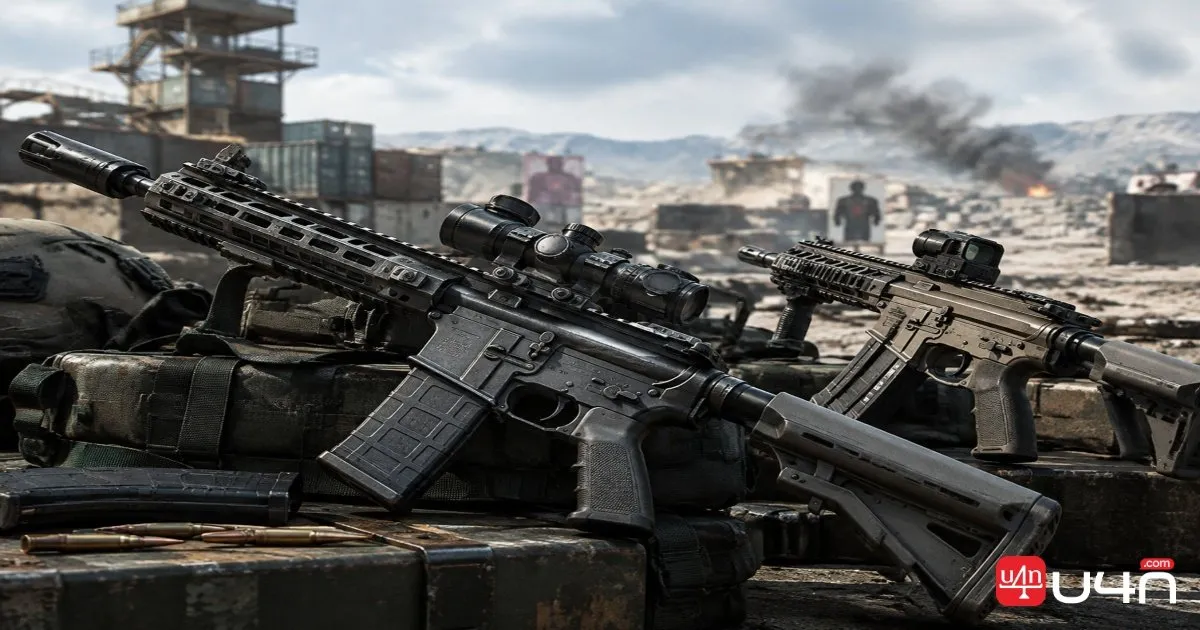
Season 12 Balance Changes at a Glance
The current test build includes both direct damage adjustments and changes to handling, range, and ability duration. Some weapons should become more comfortable to use, while others may lose effectiveness in specific combat situations.
| Weapon or operator | Main change | Potential impact |
|---|---|---|
| K416 — Operations | Base damage increases; close-range multiplier improves, but the second range threshold moves closer | Better close-range damage, with less room before the next damage falloff stage |
| AR-57 — Operations | Armor penetration and arm damage multiplier increase | Improved performance against armor and when hitting arms |
| Thompson — Both modes | Damage multipliers are reduced | Lower damage potential in the affected situations |
| AKM — Operations | Range thresholds are reduced, and barrel-combo benefits are removed | Less effective at longer distances |
| AUG and MDR magazines | Handling penalties decrease | Extended magazines become easier to use |
| Knox — Operations | Ultimate duration is reduced when multiple Knox operators are present | Less benefit from stacking the same operator |
| Desmoland — vehicle abilities | Vehicle damage taken increases, control range decreases, and ramming damage falls | Easier to counter and less effective at aggressive engagements |
| N2 cryogenic flask | Shorter duration but more serious damage per interval | More concentrated damage with a smaller timing window |
The overall direction is mixed rather than a simple round of buffs or nerfs. Some changes address weapon consistency, while others appear designed to reduce the advantages of repeated operator picks or particularly effective combat tools.
Weapon Balance Changes in Operations
Operations receives several adjustments that could affect weapon selection at different engagement distances. The most important details are the interaction between damage and range, plus the handling cost of using larger magazines.
K416 and AR-57: Better damage in specific situations
The K416's base damage increases from 31 to 32. Its damage multiplier at 27 meters also rises from 0.85 to 0.9. However, the second range threshold moves from 54 meters to 40 meters, while its corresponding multiplier remains at 0.7.
This makes the K416's adjustment a trade-off rather than a straightforward upgrade. The weapon should hit harder in close-range encounters, but players may reach the next damage falloff stage sooner. We would avoid calling it a universal buff until its performance across common engagement distances has been tested.
The AR-57 receives a smaller armor penetration increase, from 31 to 32, alongside a more noticeable change to its arm damage multiplier, which rises from 0.4 to 0.5. According to the supplied test-server figures, arm hits should deal 15 damage instead of 12 under the stated conditions.
For players who regularly land shots on exposed limbs, that change could improve consistency. The armor penetration increase is more modest, however, and its practical value will depend on the armor being targeted.
MCX, Thompson, AKM, and AUG
The MCX receives two separate adjustments. Its firing sound range decreases from 500 meters to 350 meters in both modes. In Operations, the Fierce Barrel's abdominal damage multiplier also increases from 0.9 to 1.0, removing the previous damage penalty when shots hit the abdomen with that attachment.
The Thompson's initial damage falloff multiplier at 20 meters decreases from 0.85 to 0.8 in Operations. That is a direct reduction in the affected damage calculation, although it does not by itself establish whether the weapon will leave the meta. Its overall performance still depends on its remaining damage profile, recoil, fire rate, and the distances at which players use it.
The AKM faces a more substantial range adjustment. Its high-performance barrel combination loses its range and muzzle-velocity benefits, and its two range thresholds move from 42 and 74 meters to 30 and 45 meters. The damage multipliers remain at 0.85 and 0.7. In practical terms, players may need to commit to closer fights or reconsider how they build the weapon.
The AUG's 45-round extended magazine becomes less punishing to handling, with its handling penalty reduced from -8 to -5. This is a quality-of-use improvement rather than a direct damage buff. Players who rely on extended magazines may find the trade-off more attractive.
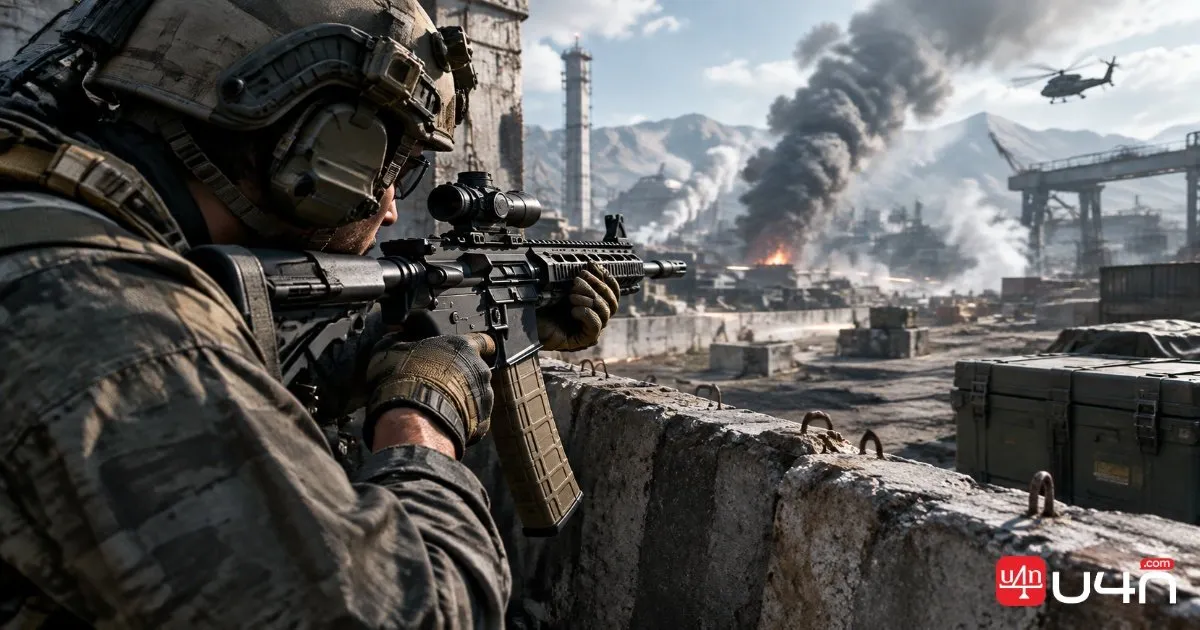
| Weapon | Test-server adjustment | What to watch |
|---|---|---|
| K416 | Base damage 31 → 32; 27 m multiplier 0.85 → 0.9; second threshold 54 m → 40 m | Damage breakpoints at common engagement distances |
| AR-57 | Armor penetration 31 → 32; arm multiplier 0.4 → 0.5 | Performance against different armor levels and limb hits |
| MCX | Shot sound range 500 m → 350 m | How much the reduced sound range affects detection |
| MCX with Fierce Barrel | Abdominal multiplier 0.9 → 1.0 | Damage consistency when hitting the abdomen |
| Thompson | Initial falloff multiplier at 20 m: 0.85 → 0.8 | Damage output beyond close range |
| AKM | Range thresholds 42/74 m → 30/45 m; barrel-combo benefits removed | Whether the weapon remains practical at medium range |
| AUG | 45-round magazine handling penalty -8 → -5 | Handling comfort with the extended magazine |
Weapon Balance Changes in Warfare
Warfare has its own set of adjustments, so players should not assume that a weapon's performance in Operations will translate directly to this mode.
The MDR's extended magazine receives a significant handling improvement. Its penalty falls from -12 to -4, reducing the handling cost of carrying additional ammunition. For players who value sustained fire, this could make the configuration more appealing without directly increasing the weapon's damage.
The Thompson receives two changes in Warfare. Its headshot damage multiplier drops from 1.9 to 1.6, while its second damage-falloff multiplier decreases from 0.75 to 0.7. Together, these adjustments reduce damage in the affected situations. Whether that is enough to change its place in the weapon pool will depend on how it performs after the update and how frequently players engage at different ranges.
The compound bow is also being toned down. Its ammunition capacity falls from 30 arrows to 16, and its lower-leg damage multiplier decreases from 0.9 to 0.7. The smaller ammunition reserve reduces the margin for missed shots, while the damage adjustment makes lower-leg hits less rewarding.
These changes may matter most to players who depend on sustained pressure or use the bow as a flexible option across multiple engagements. However, we need more gameplay evidence before judging how much the bow's overall viability will change.
Operator and Gadget Changes
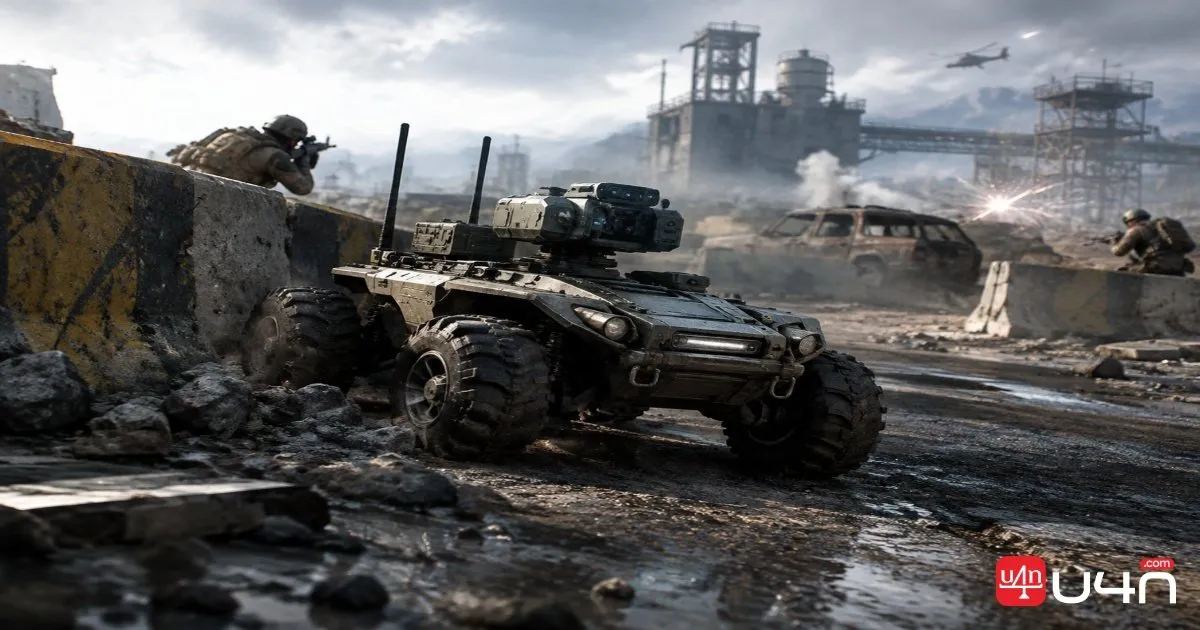
Several of the most consequential adjustments involve operator abilities rather than conventional weapon stats. These changes affect information gathering, area denial, vehicle pressure, and the value of choosing the same operator multiple times.
Knox: Less benefit from stacking operators
A Change to Knox's Silent Assault ultimate when multiple Knox operators are present on the same team. With one Knox, the stated duration remains 25 seconds. When two or three Knox operators are on the team, the duration falls to 15 seconds under the specified conditions.
There is also an exception when the player is the only team member still alive: the ultimate lasts 25 seconds rather than 15. The transcript separately states that the existing 35-second duration when the team is down remains unchanged in the applicable single-Knox scenario.
The important point is that the change targets the advantage of stacking the same operator, rather than simply reducing the ultimate's duration in every situation. Players should verify the exact activation conditions in the final patch notes before changing established team strategies.
Desmoland: Vehicle abilities become easier to counter
Desmoland's controlled vehicle receives increases to the damage multipliers applied to incoming ammunition across all listed levels. The changes are particularly large at higher ammunition tiers. Its maximum control range also decreases from 150 meters to 100 meters, while maximum ramming damage falls from 60 to 20.
The combined effect is clear in principle: the vehicle should be easier to damage, operate over a shorter distance, and pose less of a threat when ramming enemies. This could reduce its ability to dominate open engagements, although the final result will depend on how much protection and utility the vehicle retains in actual matches.
The seeker bomb vehicle is also weakened. Its pursuit speed after detecting an enemy decreases from 7 meters per second to 5 meters per second, and its active duration falls from 15 seconds to 10 seconds. Those adjustments give targets a better chance to respond, reposition, or escape before the device completes its approach.
N2: Higher damage over a shorter period
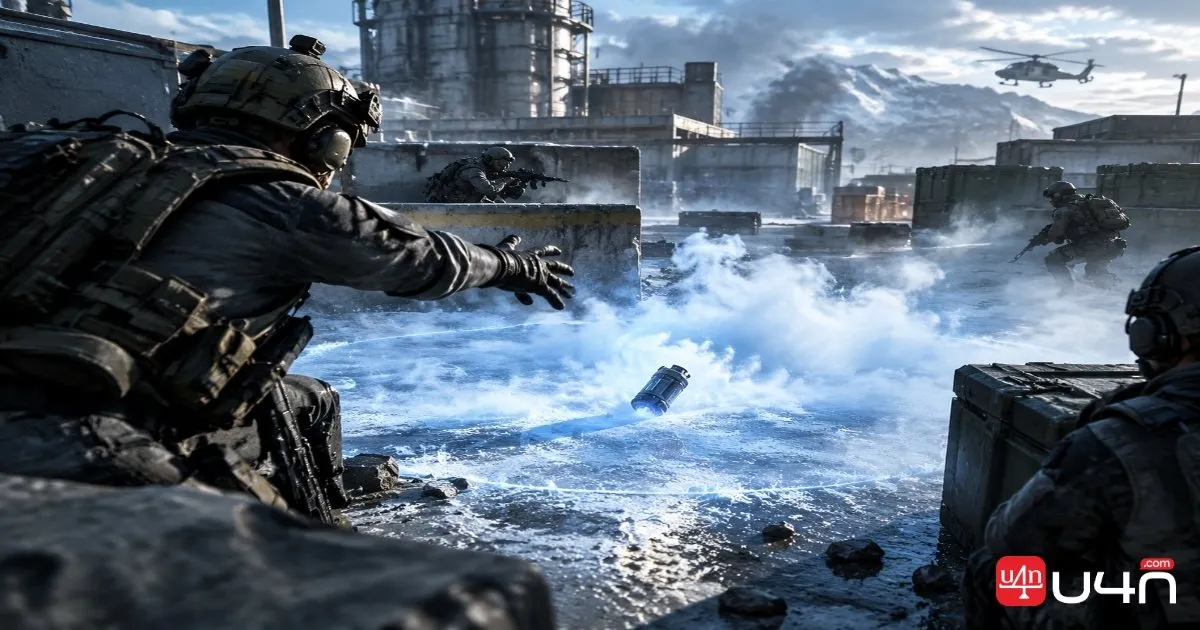
N2's cryogenic flask becomes shorter-lived in both Operations and Warfare, with its duration reduced from 10 seconds to 7 seconds. Its area damage increases, however, creating a different balance between total exposure time and damage per interval.
| Mode | Damage per 0.5 seconds | Duration |
|---|---|---|
| Operations | 4 → 6 HP | 10 → 7 seconds |
| Warfare | 8 → 10 HP | 10 → 7 seconds |
The shorter duration makes deployment timing more important. Enemies who remain inside the affected area may take more damage per interval, but they have less time in which to be caught by the effect. The exact total damage will depend on how long a target remains within the area and on the game's damage rules.
N2's remote-controlled stun grenade also receives a cooldown reduction from 45 seconds to 40 seconds in Operations. That may make the gadget available more frequently, but its actual impact will depend on how often players can use it effectively during an engagement.
Clover, Rover, and the sniper guard
The listed changes include sound-based enemy detection and a new leap attack associated with Clover, as well as a change to the damage multiplier applied to Rover's ultimate against level-six-or-higher ammunition. The latter multiplier reportedly increases from 1 to 2, meaning the affected target would take more damage from that ammunition under the stated rules.
The sniper guard's flare is described as having a larger impact area and a detection range increase from 40 to 45 meters, while its health drops from 50 to 1. This creates an obvious trade-off: the flare may detect enemies from farther away, but it becomes extremely easy to destroy.
We would not treat the Clover/Rover changes as a settled mechanical explanation until the official names, affected unit, and trigger conditions have been verified. For the sniper guard, the key question is whether the longer detection range compensates for the flare's much lower survivability in real matches.
What These Changes Could Mean for the Meta
The test-server adjustments point toward three areas worth watching when Season 12 reaches the global build.
- Weapon choices may become more distance-sensitive as the K416 gains close-range damage while the AKM loses some of its effective reach.
- Handling improvements could make selected extended-magazine configurations more practical without increasing their listed damage.
- Operator composition and gadget timing may become more important as Knox stacking is restricted, N2 deals more damage per interval, and Desmoland's vehicles become easier to counter.
First, weapon choices may become more distance-sensitive. The K416's more serious close-range damage comes with an earlier second range threshold, while the AKM loses some of its reach. Players may need to reconsider their preferred engagement distances instead of treating either change as a simple increase or decrease in weapon strength.
Second, handling improvements could make certain magazine configurations more practical. The AUG and MDR changes do not increase their listed damage, but reducing handling penalties can make a loadout feel more responsive. That kind of adjustment can matter in fast fights, where weapon readiness and sustained fire are often as important as raw damage.
Third, operator composition and gadget timing may become more important. The Knox stacking restriction could reduce the value of duplicate picks, while the N2 flask's higher damage per interval and shorter duration may reward better placement. Desmoland's vehicle changes also suggest a greater opportunity for opponents to counter its pressure.
Summary
Delta Force Season 12's current Chinese test-server build includes meaningful adjustments to weapons, operator abilities, and gadgets. The K416 and AR-57 receive damage-related improvements in Operations, the AKM and Thompson lose effectiveness in selected situations, and the AUG and MDR gain more manageable extended-magazine handling. Meanwhile, Knox's stacking advantage is reduced, Desmoland's vehicles become easier to counter, and N2 trades duration for more serious damage per interval.
For now, players should treat these changes as a preview rather than a final balance verdict. If you are preparing for the next season, the most useful approach is to review your weapon builds, identify which range thresholds matter to your playstyle, and wait for confirmation of the final global values before committing to a major loadout change.
FAQ
Are these Delta Force Season 12 balance changes final?
No. The figures in this article come from the Chinese test-server transcript supplied for analysis. Values and mechanics may change before the global release.
Which weapons receive the most notable adjustments?
The K416, AR-57, Thompson, and AKM stand out because their damage, penetration, or range-related values change. The AUG and MDR also receive handling improvements for their extended magazines.
Does the Thompson get nerfed in both Operations and Warfare?
Yes. Operations receives a reduction to its initial damage-falloff multiplier, while Warfare receives reductions to its headshot damage and second falloff multiplier.
Will the current changes completely reshape the meta?
That cannot be confirmed from test-server numbers alone. The changes may affect weapon and operator choices, but their overall impact depends on the final build, player behavior, and actual match results.
Players who want to prepare for the new season should prioritize verified patch notes and practical testing over early tier lists. Any decision to buy Delta Force Accounts should remain separate from balance speculation; these test-server changes do not guarantee a particular account or loadout will perform better after launch.