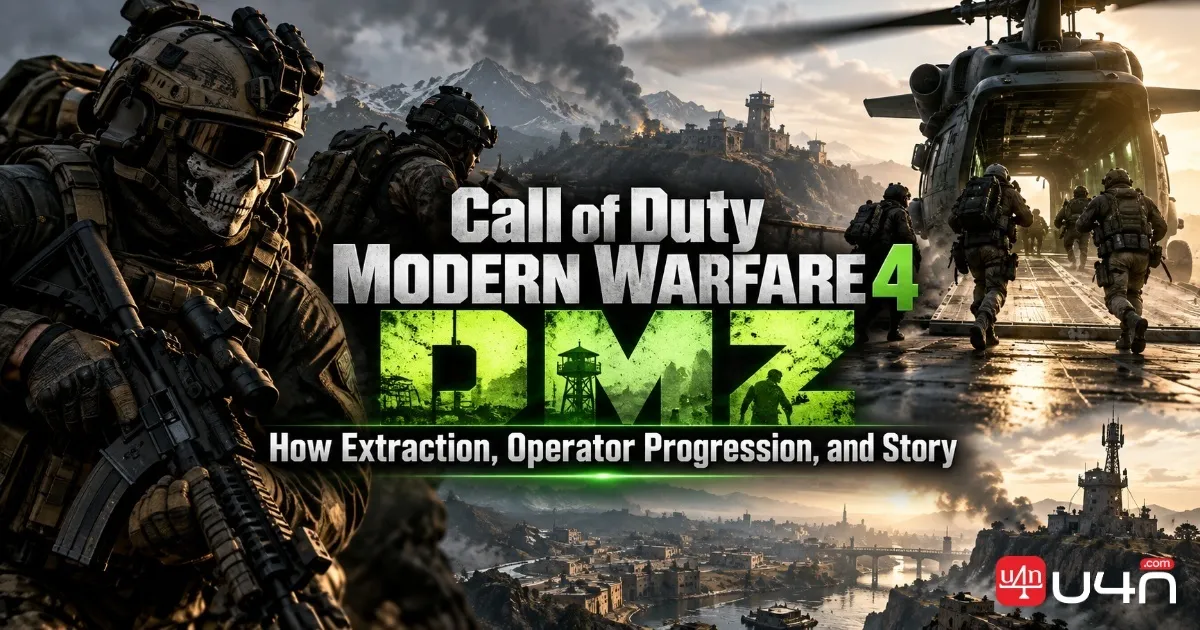
DMZ is shaping up to be more than another mode built around collecting loot and reaching an extraction point. In Call of Duty: Modern Warfare 4, the experience combines high-risk deployments, persistent Operator progression, and story missions set in Hajin, a combat zone shaped by the events of the campaign. For players researching Call of Duty Modern Warfare 4 Items, the key question is how these interconnected systems affect survival, preparation, and long-term progression—not simply what gear can be collected.
Our team sees the main appeal in the decisions DMZ asks players to make under pressure. Do we push deeper into a hostile compound for better rewards, complete an objective before the situation escalates, or leave early with what we already have? According to the official Modern Warfare 4 DMZ overview, every deployment is built around risk versus reward, with narrative missions, dynamic operations, resource gathering, and extraction shaping the experience.
What Makes Modern Warfare 4 DMZ Different?
The defining feature of DMZ is the way it links individual deployments to longer-term progress. A successful run can provide equipment, crafting materials, mission rewards, and experience. A failed run, meanwhile, can cost players valuable resources and force them to reconsider their next loadout.
This structure changes how we approach combat. In standard multiplayer, winning a fight is often the immediate objective. In an extraction shooter, a fight is only worthwhile when its potential reward justifies the ammunition, healing supplies, time, and exposure it demands.
DMZ also introduces narrative-driven objectives and a persistent hub, the Forward Operating Base (FOB). Instead of treating every match as a separate contest, players can use the FOB to prepare for future deployments, manage Operators, review objectives, and improve their equipment.
The resulting gameplay loop is straightforward:
- Prepare at the FOB: Select an Operator, review missions, and choose suitable equipment.
- Deploy into Hajin: Explore the Exclusion Zone, collect resources, and engage with objectives.
- Assess the risk: Decide whether to pursue additional rewards or move toward extraction.
- Return and progress: Use the results of the deployment to improve equipment, develop Operators, and prepare for the next run.
The depth comes from how these stages influence one another. A mission may encourage players to enter a dangerous area, but a depleted supply of medical equipment can make that detour a poor decision. Good preparation matters because the best route is not always the one with the most loot.
The depth comes from how these stages influence one another. A mission may encourage players to enter a dangerous area, but a depleted supply of medical equipment can make that detour a poor decision.
Hajin: Objectives, Threats, and Extraction Decisions
Hajin is the central setting for DMZ, offering military installations, urban districts, residential areas, industrial locations, and hazardous facilities. Each location creates different tactical problems, from crossing exposed ground to clearing enclosed buildings or navigating areas with concentrated enemy resistance.
Players must balance three activities: combat, looting, and completing objectives. Focusing exclusively on one can leave a deployment inefficient. Spending too long searching containers may delay mission progress, while rushing directly toward an objective can mean entering a fight without enough resources to survive it.
Choose objectives before choosing a route
DMZ Orders provide structured goals that help players progress while exploring the zone. Dynamic Operations add further objectives during deployments, giving squads reasons to change direction rather than follow the same route every time.
Our recommendation is to plan around the task first and the loot second. If an objective requires entering a fortified compound, identify nearby cover, possible escape routes, and the supplies needed before committing. If the squad is already carrying valuable materials, the same objective may no longer justify the additional risk.
| Activity | Potential value | Main consideration |
|---|---|---|
| DMZ Orders | Structured progression and rewards | Check requirements before deploying |
| Dynamic Operations | Additional objectives and opportunities for loot | Adapt when enemy pressure increases |
| High-threat compounds | Potentially valuable resources and encounters | Expect stronger resistance |
| General looting | Materials, equipment, and supplies | Avoid spending too long in one area |
| Extraction | Secures the results of a run | Start moving before the situation becomes unmanageable |
Read the threat level, not just the map
The official Hajin field guide describes threat levels as an indicator of expected enemy danger in an area. These warnings can help players decide whether to proceed, approach more carefully, or withdraw before a fight becomes difficult to control.
Stealth, suppressed weapons, cover, and squad coordination are especially valuable when unnecessary combat could compromise an objective. The aim is not to avoid every encounter. It is to choose which encounters are worth taking.
Extraction is the final test of that judgment. A backpack full of useful materials means little if the squad loses everything before leaving the zone. Once the objective is complete—or the cost of staying begins to outweigh the likely reward—survival should take priority over one more container.
Operator Progression, MIA Risk, and Resource Management
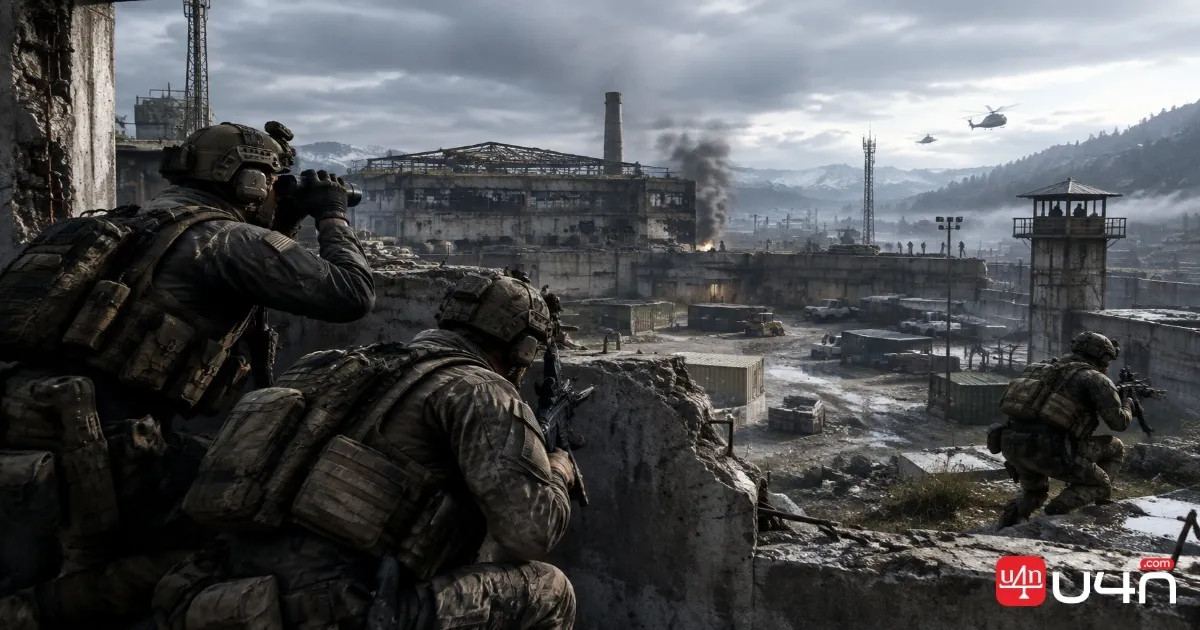
DMZ's persistent progression gives individual Operators a role beyond serving as interchangeable character models. The developer discussion describes an Active Duty system in which Operators can develop individually, allowing players to invest in different traits and approaches.
This creates a meaningful preparation decision: should we build an Operator around direct combat, reconnaissance, or survival? The answer depends on the squad's objective, preferred playstyle, and willingness to accept risk.
An aggressive build may suit a team that regularly hunts high-value targets. A more survival-oriented setup may be preferable when the priority is completing objectives and extracting rare materials. No single approach is automatically best for every deployment.
Why the MIA system changes the stakes
The transcript describes Operators who go missing in action (MIA) as recoverable through different options, including paying to recover them, dismissing them, or attempting a rescue. The exact conditions and costs should be checked against the live game before players commit to a particular recovery strategy.
The important design implication is clear: an Operator represents an investment. Losing one can affect more than a single match, especially if that character has developed useful traits or carries valuable equipment.
We recommend treating each deployment as a decision about acceptable losses. Before entering a high-threat area, consider the value of the Operator, the importance of the current objective, and whether the squad has enough supplies to recover from an unexpected fight. The most experienced players are not necessarily those who take the biggest risks; they are often the ones who recognize when a run has stopped being worth it.
Crafting makes looting more purposeful
The developer discussion also describes a 3D Printer system that uses collected materials to produce useful supplies and equipment. Chemicals, metals, electronics, and synthetic materials are among the resources mentioned in the transcript.
If these materials feed directly into crafting and preparation, looting becomes part of a longer-term plan rather than a search for immediate upgrades. Players need to think about what they lack, where the required materials are likely to be found, and whether carrying them out is worth the danger.
A practical priority order is:
- Immediate survival: Secure the medical supplies and equipment needed to finish the current deployment.
- Objective completion: Collect materials or gear required for active missions.
- Long-term progression: Gather useful crafting resources when the route and threat level make the detour worthwhile.
- Optional rewards: Pursue extra loot only when the squad can still extract safely.
This approach reduces wasted inventory space and gives each run a clearer purpose.
How DMZ Connects to the Modern Warfare 4 Story
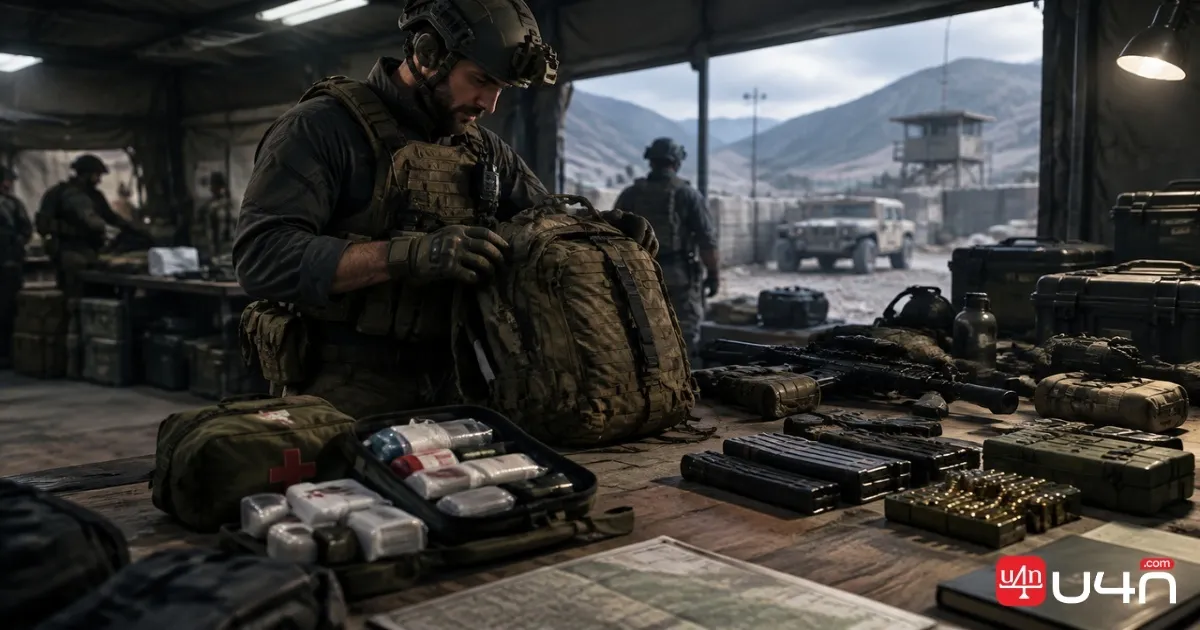
DMZ's other major selling point is its relationship with the wider Modern Warfare narrative. The mode takes place in Hajin, a zone shaped by the aftermath of the Modern Warfare 4 campaign. Rather than separating story content from the extraction loop, DMZ uses missions and locations to make the setting part of regular gameplay.
The material discussed in the developer presentation points to a conflict involving hidden military facilities, dangerous weapons, and competing forces operating in the region. Ghost is also part of the narrative framing, although details about his precise orders and the identities behind those orders should not be treated as confirmed unless they appear in official story material.
For us, the strongest opportunity is to let exploration reveal the story gradually. A location becomes more memorable when its layout, enemy presence, and mission objectives tell players why it matters. A facility is no longer just another place to search if entering it also helps explain the conflict unfolding across Hajin.
Story missions need to work as gameplay
There is a balance to maintain. If story objectives simply send players to marked locations and ask them to eliminate enemies, the narrative risks becoming a checklist. If missions encourage reconnaissance, route planning, resource management, or decisions about whether to remain in a dangerous area, the story can reinforce the core mechanics.
The same principle applies to commanders and high-value targets. Hunting a powerful enemy can provide a clear combat objective, but the encounter becomes more compelling when the squad must also decide how much time and equipment to spend reaching the target—and whether the reward justifies the extraction risk afterward.
The mode's long-term narrative value will therefore depend on more than the number of missions it offers. What matters is whether those missions make players understand Hajin differently as they return to it.
Developer Insights: What Could Keep DMZ Engaging?
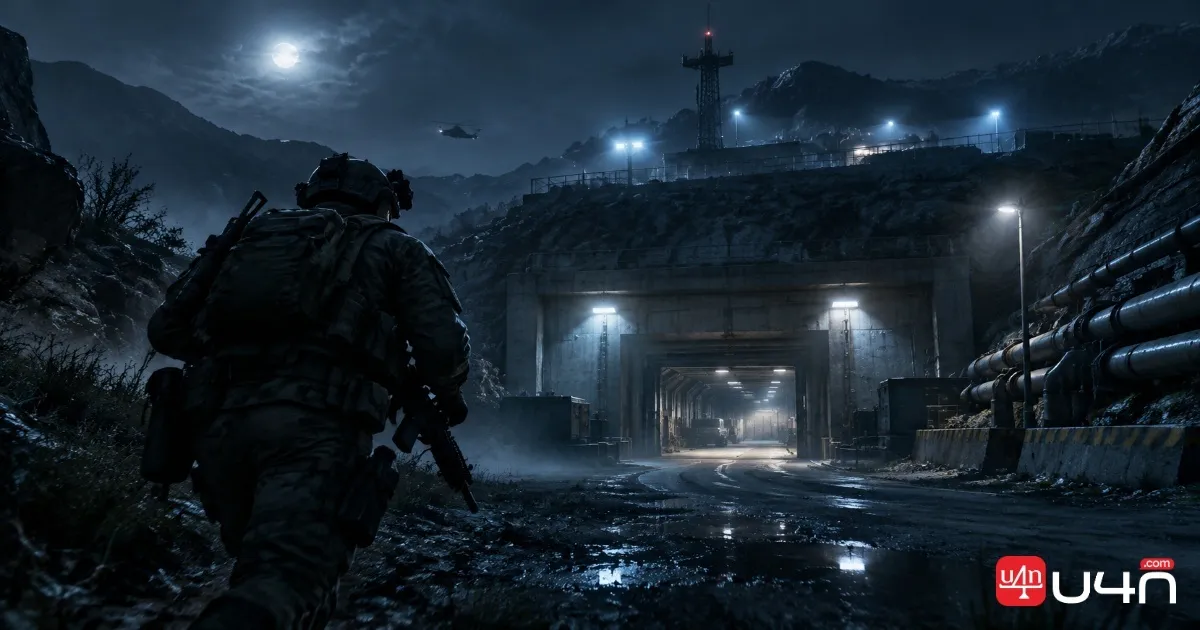
The developer discussion highlights several systems intended to make deployments feel different and give players reasons to return. These include individual Operator development, temporary combat effects, valuable boss rewards, a social FOB, and changes to the environment.
Each system has potential, but its success depends on how it interacts with the rest of the game.
| System | Intended gameplay benefit | What players should watch |
|---|---|---|
| Operator traits | Different builds and tactical identities | Whether choices create meaningful trade-offs |
| Temporary combat effects | Short-term opportunities to gain an advantage | Whether the effect rewards smart play without overwhelming encounters |
| Bosses and valuable targets | High-risk objectives with desirable rewards | Whether squads have enough information to judge the danger |
| FOB and preparation stations | A place to manage equipment and plan the next run | Whether preparation is useful without becoming tedious |
| Dynamic weather and map changes | More varied navigation and combat conditions | Whether environmental changes meaningfully affect decisions |
| Persistent Operator progression | Long-term investment across deployments | Whether losses feel consequential but recoverable |
The FOB is particularly important. A central space for equipment management, upgrades, mission planning, and squad interaction can give the mode a stronger identity between deployments. It also provides a natural place for players to discuss what went wrong, adjust their loadouts, and decide what to pursue next. The official FOB guide outlines its role in crafting, Operator management, and deployment preparation.
Temporary buffs and hidden supplies could add further variety, but balance will matter. If a powerful effect can be extended through combat, players need clear incentives and limits so that it rewards skill without making every encounter revolve around the same optimal tactic.
Our main test for these features is simple: do they create better decisions, or merely add more systems to manage? The strongest mechanics will give players meaningful choices without burying the central extraction experience under unnecessary complexity.
What the Season 2 Russia Reveal Could Mean
The developer discussion points to Russia as a future expansion of DMZ's setting in Season 2. That is an interesting prospect because it suggests Hajin may not remain the mode's only area of focus. However, the mention of Russia alone does not establish the exact map layout, mission structure, release timing beyond the stated season, or how the new territory will connect to the existing campaign.
If the expansion introduces new terrain, threats, and objectives, it could encourage players to rethink familiar strategies. A different environment may change how squads approach visibility, movement, resource gathering, and extraction. New commanders or mission types could also give established Operators fresh challenges.
Dynamic weather and evolving locations could serve a similar purpose within existing areas. Their value will depend on whether they change tactical decisions rather than simply altering the scenery. Reduced visibility, for example, is most effective when it changes how players scout, engage, and disengage, not when it acts only as a visual effect.
We will be looking for three things as more details emerge:
- New tactical problems: Does the area demand different routes, equipment, or squad roles?
- Useful progression: Do new objectives and resources provide meaningful reasons to deploy?
- Narrative continuity: Does the expansion move the story forward instead of simply adding another backdrop?
A new location can refresh the experience, but it cannot compensate for a weak core loop. DMZ's lasting appeal will depend on whether new content strengthens the connection between exploration, progression, and extraction.
Summary
Modern Warfare 4 DMZ brings together three major pillars: high-risk extraction, persistent Operator development, and narrative progression through Hajin. Its strongest potential lies in how these systems reinforce one another. Missions encourage players to move through dangerous areas, crafting gives collected resources a longer-term purpose, and Operator investment makes survival matter beyond a single deployment.
Our advice is to prepare around a clear objective, assess the threat before committing to combat, and treat extraction as part of the mission rather than an afterthought. When a run is already profitable, resisting the urge to chase one more reward can be the smartest decision available.
Players planning their loadouts and progression should also distinguish between essential equipment and optional upgrades. Researching buy Call of Duty Modern Warfare 4 Items should come after understanding which gear actually supports your preferred role and the game's current rules. Preparation is most effective when it solves a specific problem instead of encouraging players to accumulate equipment without a plan.
Ultimately, DMZ's success will depend less on the raw number of features it contains than on whether each deployment gives players a reason to make thoughtful decisions—and a compelling reason to return.
FAQ
What is DMZ in Modern Warfare 4?
DMZ is an extraction-focused mode set in Hajin. Players complete missions, gather resources, fight AI enemies and rival Operators, and attempt to extract with valuable rewards.
Why is extraction so important?
Extraction secures the results of a deployment. Staying longer may offer more loot or additional progress, but it also increases the chance of losing valuable equipment and resources.
How does Operator progression affect gameplay?
Operators can develop individually through traits and other progression systems. This encourages players to prepare different builds for different objectives and consider the consequences of losing an invested Operator.
What is the purpose of the FOB?
The Forward Operating Base is the main preparation and progression hub. It provides a place to manage equipment, review objectives, develop Operators, and prepare for future deployments.
Will Russia be part of DMZ Season 2?
The developer discussion points to Russia as a Season 2 development. Specific details about the area, its activities, and its role in the story should be treated as unconfirmed until official information clarifies them.