Cart Empty
Continue ShoppingThe MMORPG genre is shaking off years of stagnation. Thanks to major reveals at Summer Game Fest, publisher NCSoft has positioned two massive, Unreal Engine 5 sequels to compete for the future of online gaming: Aion 2 and Guild Wars 3.
While both franchises share a history of innovative PvP and player freedom, they are targeting completely different types of gamers.
| Feature | Aion 2 | Guild Wars 3 |
|---|---|---|
| Developer | NCSoft | ArenaNet |
| Engine | Unreal Engine 5 | Unreal Engine 5 |
| Launch Timeline | Global Release: September 2026 | First Closed Beta: Fall 2027 (Launch ~2028) |
| Platforms | PC Only (Steam / Purple) | PC (Steam) and PlayStation 5 |
| Core Focus | Vertical aerial combat, Faction PvPvE | Momentum-based combat, Open-world exploration |
| Monetization | Adjusted Global Sub (Less P2W than KR/TW) | Buy-to-Play / Hybrid (Respects player time) |
Aion 2 expands heavily on the original game's signature feature: wings. Set in a world 36 times larger than the original game, the sky is treated as a fully interactive battlefield.
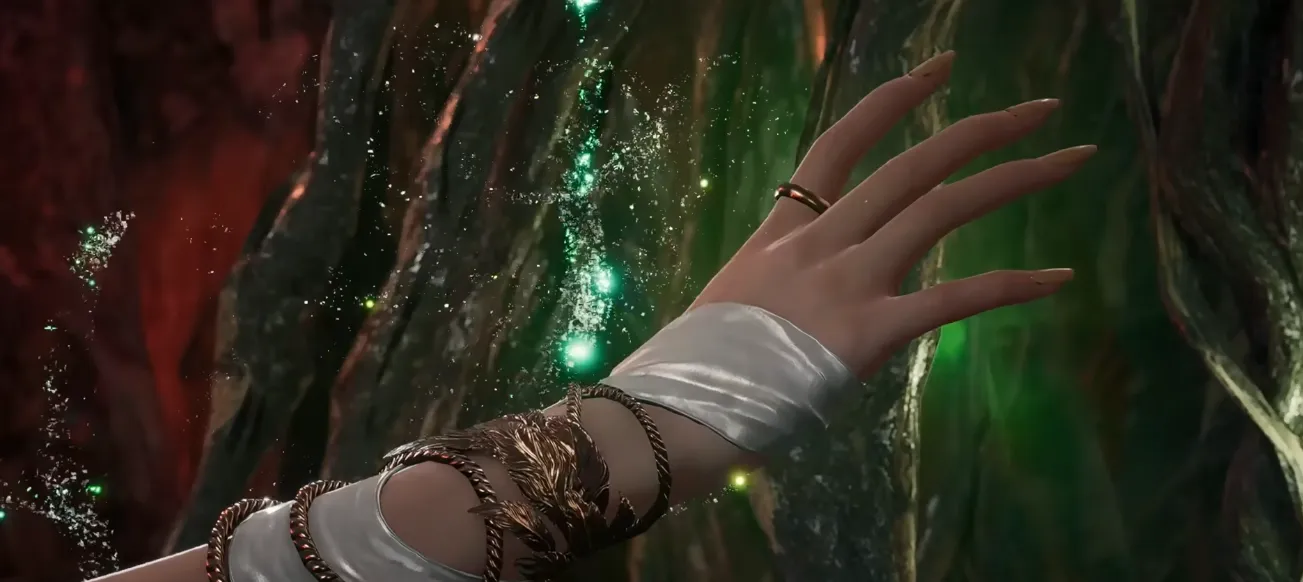
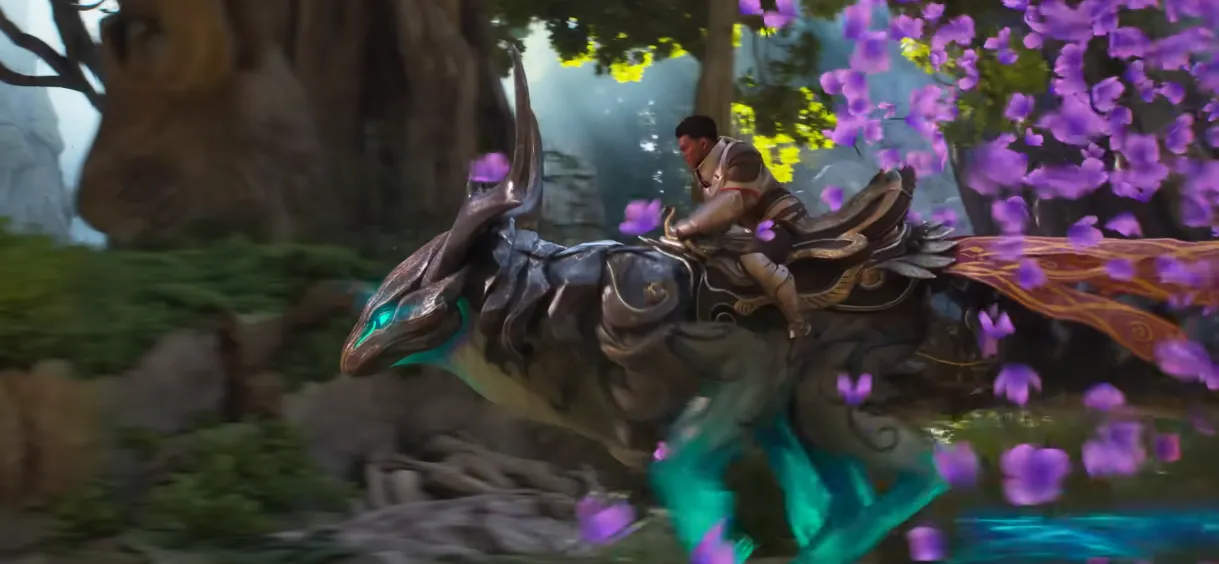
Developed by ArenaNet, Guild Wars 3 acts as a prequel set more than a thousand years before the original game. It takes place in the wilderness of Orr, a land surging with raw magic and elemental Vael spirits.
| Economic Factor | Aion 2 | Guild Wars 3 |
|---|---|---|
| Primary Currency / Asset | Aion 2 Kinah (Universal gold standard) | Vaelstone (Raw, magical mineral) |
| Economic Philosophy | Centralized, currency-driven, and highly competitive. | Decentralized, resource-driven, and account-focused. |
| Primary Sources | High-tier PvE dungeons, faction warfare payouts, and player-to-player trading. | World exploration, dynamic events, and environmental harvesting. |
| Major Drains (Sinks) | Gear soul-binding fees, flight time recharges, and expensive crafting components. | Feeding/upgrading your Seeker companion and infusing elemental gear. |
| Market Impact | High inflation risk; wealth directly correlates to gear progression and PvP readiness. | Low inflation risk; progression is bound to active gameplay rather than raw buying power. |
The Key Difference: In Aion 2, wealth is power—hoarding Kinah allows you to buy your way to the top of the food chain. In Guild Wars 3, the economy is designed to keep you out in the world, forcing you to gather and utilize Vaelstone directly rather than just playing the auction house.
The mechanical feel of these games highlights their ideological differences.
Aion 2 relies on traditional, high-tier MMORPG tab-target and soft-lock hybrid systems engineered for competitive PvP. Success relies on spatial awareness, altitude management, and coordination with your guild to lock down territory across deep vertical axes.
ArenaNet is designing combat around physics, movement, and momentum, built natively to feel just as good on a PlayStation 5 controller as a keyboard.
NCSoft controls both properties but treats their target audiences differently.
Authored by elite gamers and industry insiders, the U4N Editorial Team delivers authoritative game updates, patch notes breakdowns, and expert strategies for trending titles including World of Warcraft, Path of Exile 2, MapleStory, Aion 2, and Arc Raiders.
From deep-dive guides to the latest meta shifts, our in-house veterans test every tactic firsthand to keep you ahead of the game.