The Spiritmaster has always been one of the more unusual choices in Aion, but Aion 2 pushes that identity in a more active direction. If you are building around Aion 2 Items, the class is worth understanding beyond its basic "summoner" label. In current play, Spiritmaster performance comes from coordinating spirits, personal skills, buffs, and short damage windows rather than simply leaving a summon on the field.
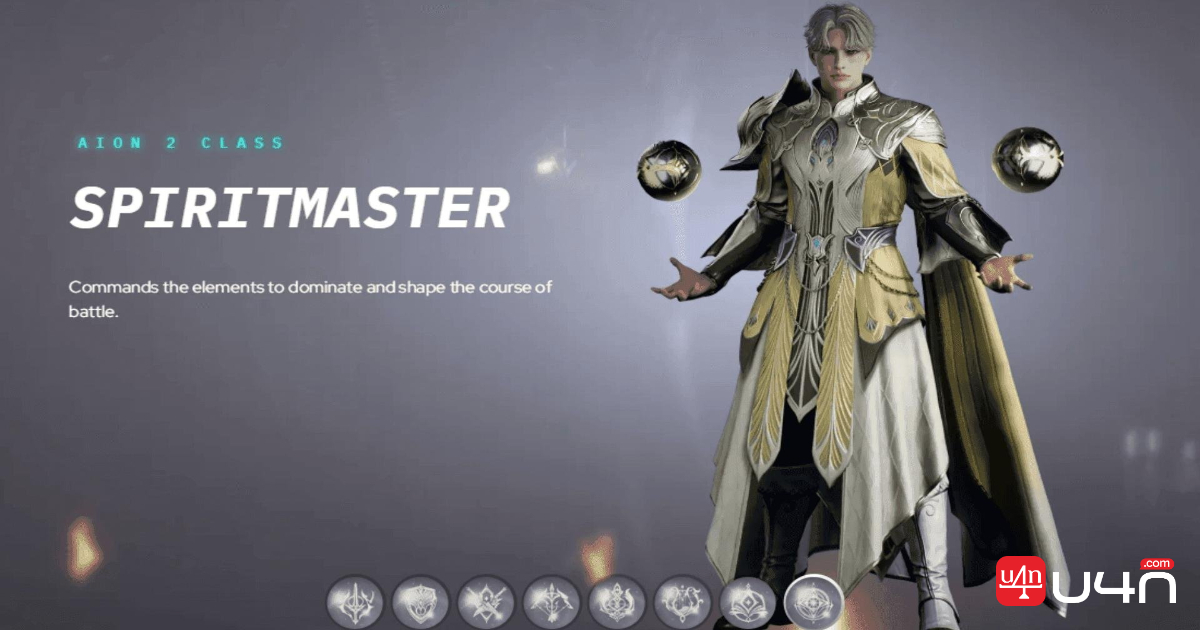
Why Spiritmaster Plays Differently
NC originally presented Spiritmaster as a class optimized for solo play when the eight Aion 2 classes were first revealed. The same announcement also emphasized a faster, more dynamic combat system compared with the original game.
That distinction matters when building a Spiritmaster. You are not simply choosing a pet and letting it handle the fight. The modern approach revolves around getting value from spirit summons while keeping your own skills moving.
The supplied Season 4 guide describes this as the Warala approach. The basic idea is straightforward: summon spirits quickly, use the skills triggered or enabled by those summons, and cycle back into the next spirit window. In practice, the class feels closer to a ranged DPS rotation with temporary summoned weapons than a traditional permanent-pet class.

The Core Warala Rotation
The most important part of the build is understanding why spirits are being summoned in the first place.
The supplied guide places Space Domination and Elemental Fusion at the center of the rotation. Rather than treating spirits as passive companions, the build uses their skill activity to create more opportunities for these major abilities.
A simple way to visualize the priorities is:
| Combat Element | Main Purpose | Practical Priority |
|---|---|---|
| Spirit summons | Trigger damage opportunities | Very High |
| Elemental Fusion | Major damage window | Very High |
| Space Domination | Adds damage and rotation pressure | High |
| Flame Transfer | Consistent personal damage | High |
| Cold Shock | Sustain and survival | Situational |
| Curse skills | Additional damage-over-time pressure | Moderate |
| Ancient Spirit | Burst window | High when timed correctly |
The supplied material recommends a three-spirit foundation using Fire, Water, and Earth. That setup keeps the rotation relatively quick without adding unnecessary complexity.
However, this is an area where players should avoid treating one rotation as permanently fixed. Community testing has continued to explore three- and four-spirit configurations, showing that Spiritmaster setups can change as patches alter skill interactions. The broader lesson is more useful than any single preset: watch how many useful abilities you can fit into each summon cycle instead of blindly copying an old skill bar.
Skill Priorities That Actually Matter
For active skills, Flame Transfer deserves attention because it remains one of the main damage tools in the supplied build. Cold Shock has a different role. Its value is not simply its damage; the guide identifies it as an important sustain option, which becomes noticeable during longer encounters.
Elemental Fusion should be treated as one of the defining skills of the rotation. If you are constantly delaying it while waiting for a perfect situation, you can easily lose more damage than you gain from trying to force an ideal sequence.
The same principle applies to movement. Spiritmaster damage is much easier to maintain when the build allows you to keep casting while repositioning. That becomes increasingly important in current endgame PvE, where Aion 2 continues to add demanding encounters. The September update introduced the Bitan Snowfield Sanctuary, described by NC as the game's highest-difficulty PvE content at that time, with entry requirements beginning at item level 5,800.
Ancient Spirit and Buff Timing
This is probably the easiest part of the build to get wrong.
The supplied guide recommends activating important buffs before summoning Ancient Spirit. The reasoning is simple: if the summon inherits relevant character bonuses when it appears, summoning during your buff window gives the spirit the strongest possible starting state.
A practical sequence therefore looks like:
Buffs → Spirit summon → Core damage skill → Elemental Fusion → Continue summon rotation
Do not think of this as a rigid five-button macro. Real fights rarely cooperate that neatly. Boss movement, mechanics, interruptions, and target positioning can all force adjustments.
What matters is preserving the order of priorities: establish your important bonuses first, summon into that window, then spend your strongest available abilities while the enhanced state is active.
Stigma and Passive Priorities
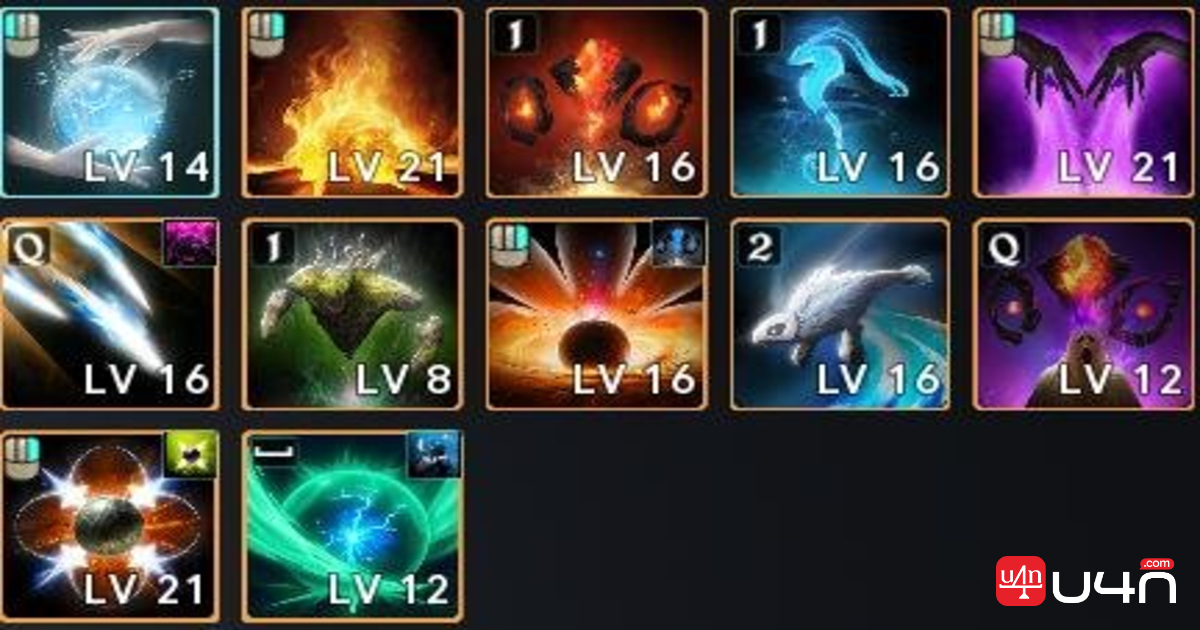
The original source emphasizes damage-oriented passives such as Spirit Strike and Focus, while Spirit Regeneration supports the resource demands of the rotation.
For Stigma, the suggested package includes:
| Stigma / Passive Focus | Why It Matters |
|---|---|
| Blessing of Fire | Offensive buff window |
| Protection | Improves spirit-oriented performance |
| Stabilization | Helps maintain consistent combat output |
| Corrosion | Adds offensive pressure through debuff effects |
| Blood Drain | Defensive option for difficult encounters |
There is an important caveat here. NC has repeatedly adjusted class balance and Stigma systems. In March 2026, the developer introduced a broad class overhaul, new class-specific Stigma skills, five Stigma slots, and separate PvP/PvE damage calculations. Spiritmaster also received the new Command: Substitution Stigma skill.
That means older build guides should be treated as starting points rather than permanent rules. If a patch changes a skill's behavior, the best rotation can change even when the overall Warala concept remains intact.
How to Play Spiritmaster More Consistently
The biggest mistake I see with this type of build is trying to execute the rotation too quickly without watching the battlefield.
Spiritmaster has plenty of buttons, but not every button deserves equal attention. Keep the important damage cycle moving, maintain your buff timing, and avoid sacrificing a major ability simply because you want to preserve a theoretical rotation.
For dungeon progression, I would also build around the encounter rather than assuming the same setup works everywhere. A stationary boss gives you much more freedom to maximize summon uptime. A mobile target can make certain spirits or abilities less reliable, so positioning becomes part of the DPS calculation.
Aion 2's progression system has also continued expanding. The July Chapter 1 update raised the level cap to 50, increased Stigma enhancement to level 25, and expanded several PvE systems, meaning Spiritmaster players now have more progression layers to consider when refining a build.
Final Takeaway
For players investing in Aion 2 Kinah and equipment progression, the important thing is not simply copying a Spiritmaster skill list. Learn the logic behind the build: prepare your buffs, summon into the strongest window, cycle spirits efficiently, and prioritize Elemental Fusion and your main damage tools. That approach remains useful even when individual skill values or Stigma choices change.
In short, the Spiritmaster rewards players who treat summons as part of a fast DPS engine rather than permanent pets. Start with the three-spirit Warala concept, practice the Ancient Spirit timing, and then adjust your setup according to the encounter and the latest balance changes.