

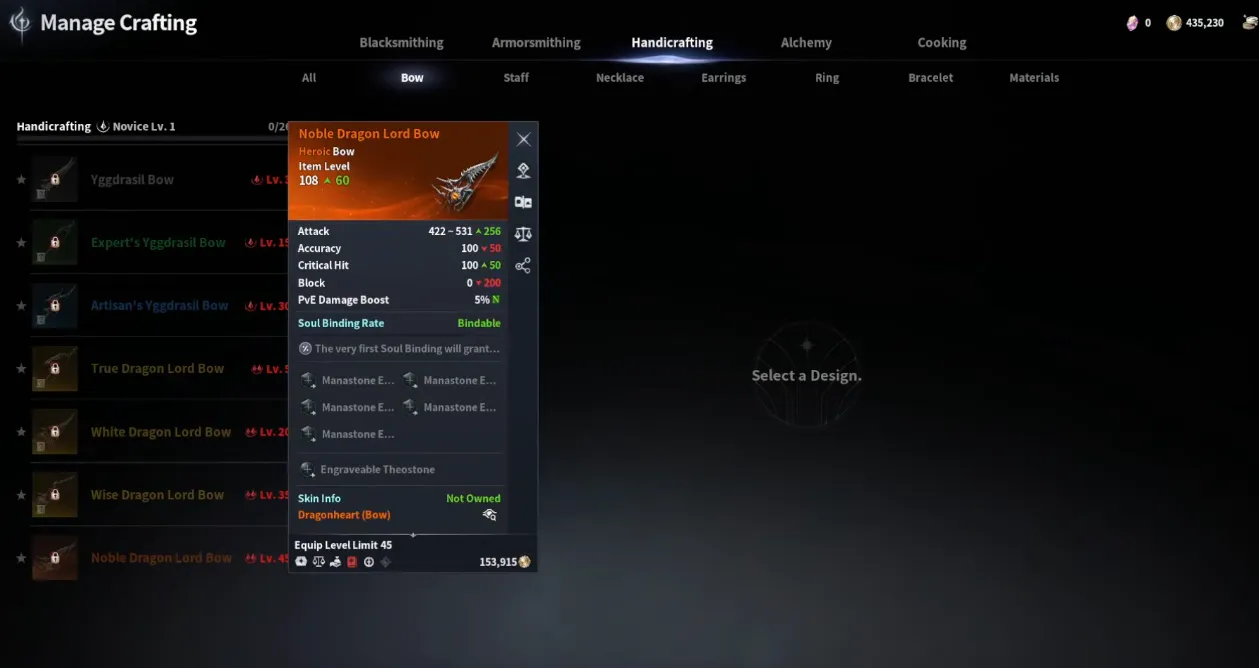
Handicrafting in Aion 2 is an important profession used to create items like bows, staves, harps, and jewelry. You'll work with precious gems and materials to craft these items, which are essential for player progression and gear. It's part of a larger crafting system that relies on gathering (Essence Extraction) and high-quality, often rare materials.
What Is Handicrafting in Aion 2?
Handicrafting is one of the crafting professions in Aion 2, focused on creating wood-based items (like bows and staves) and gemstone/ornament items (such as jewelry). It's part of the broader crafting and gathering system, which lets you create useful gear, accessories, and items that you can sell.
Key Aspects of Handicrafting
- What You Create: You mainly craft weapons (such as bows, staves, and harps) and jewelry (rings, earrings, necklaces).
- Crafting Workflow: It works in a "chaining" system, where lower-quality items are needed to craft higher-quality ones.
- RNG and Risk: Crafting, especially at higher levels, can fail. If it does, you may lose expensive materials, which can be frustrating.
- Work Orders: Similar to the original Aion, you can level up by completing Work Orders. These tasks require you to craft items for a trainer, using materials they provide.
Key Mechanics of Handicrafting
- Crafting Chains and RNG: To craft high-tier gear, you'll need to use lower-tier items as materials. Many top-tier crafts also rely on a "proc" system, where there's a 25% chance to make a critical or upgraded version of the item. If this fails, you'll have to start over.
- Progression and Mastery: You level up by crafting items or completing Handicrafting Work Orders. As you level up, your rank moves from Amateur to Novice to Apprentice to Journeyman.
- Success and Failure: Even experienced crafters can fail on low-level recipes, but recent updates have added guaranteed success for certain items to help with this RNG frustration.
- Resource Management: Crafting uses resources from the world (like minerals, gems, and wood), along with catalysts that can be purchased for Kinah.
Handicrafting Crafting Guide
Crafting Table | Weapons | Gear | Consumables | Materials |
| Handicrafting |
|
| None |
|
Leveling Your Handicrafting Skill
1. Learning the Skill
To start, find a Handicrafting Master NPC in a major city, usually in the crafting district. Pay the required fee to learn the skill. Once you've learned the basics, you can start crafting and completing Handicrafting work orders to improve your proficiency.
2. Handicrafting Work Orders
Work Orders are tasks that give you experience to level up your Handicrafting skill. They provide materials and tell you what to craft, which is great for leveling up. These orders are divided into tiers, like Amateur → Novice → Apprentice → Journeyman.
3. Rank Advancement
You level up your skill from Novice to Professional (Level 50) by completing crafting tasks and quests. Some players report a bug where the quest to progress past level 50 doesn't always show up. If this happens, try checking your journal or returning to the trainer.
Progression and Tips
- Leveling: Your crafting skill progresses from Novice to Professional (Level 50). You'll need special quests to advance past these stages.
- Best in Slot (BiS) Gear: Handicrafting is crucial for making Best-in-Slot gear for PvE, which is highly valuable despite the high costs involved.
- Gathering Integration: You'll need to perform Essence Extraction regularly to gather the raw materials (minerals, gems, wood) for your Handicrafting recipes.
Strategic Importance
- Economic Value: While it can be expensive and risky due to the high material costs and failure rates, expert crafters can make a lot of Kinah by selling high-demand accessories or BiS PvE gear.
- Self-Sufficiency: Crafting your own endgame accessories and weapons is often cheaper than buying them from other players.