

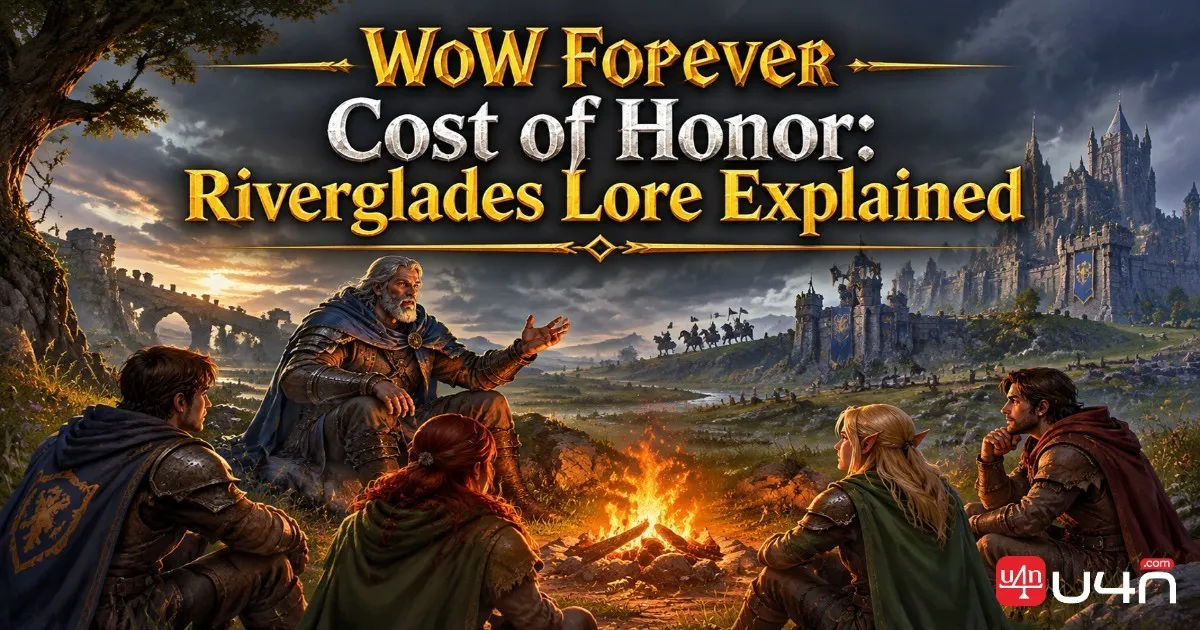
The release of Cost of Honor gives WoW Forever players another reason to look beyond combat and explore the history of Azeroth. Presented as a fireside story told by Demar Brant, this short story brings together the younger generation of Riverglades residents to hear about the legends, conflicts, and difficult decisions that shaped their homeland. Rather than focusing on a new boss or a major battle, it explores what people are willing to sacrifice to protect their communities. For players who enjoy understanding the world beyond leveling and managing resources such as WoW Forever Gold, this story offers a more personal look at the people behind the region's conflicts.
What Is the Cost of Honor Story About?
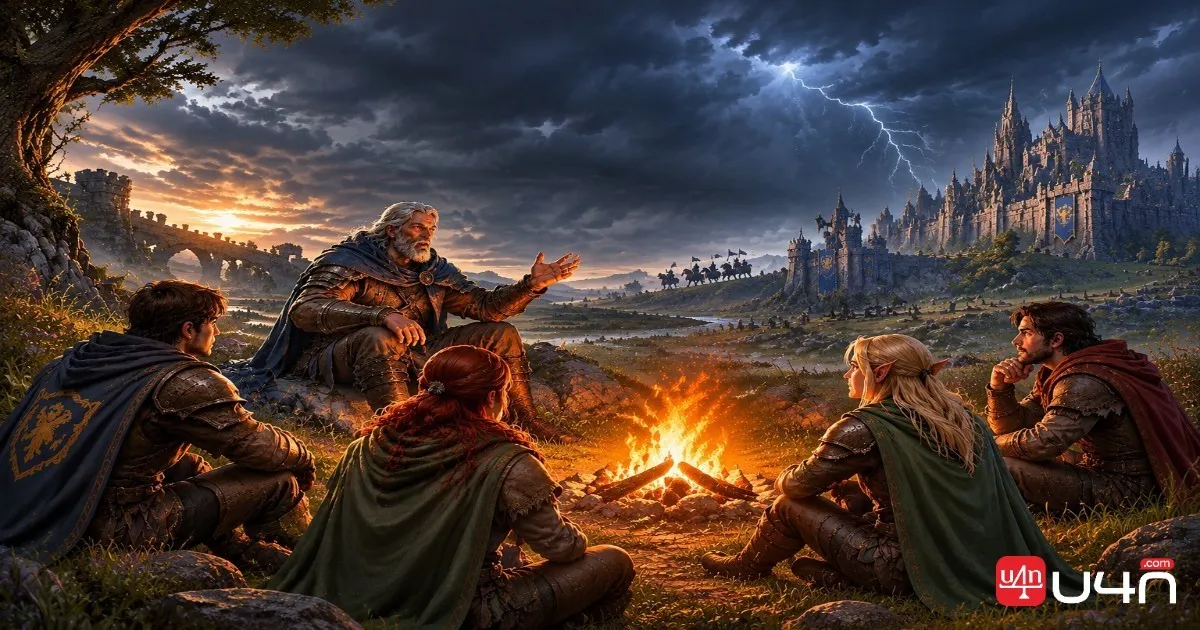
At its heart, Cost of Honor is about the relationship between honor, sacrifice, and responsibility. During a storm, young residents of Riverglades gather around a campfire while Demar Brant shares stories from their history. His role is important because he connects the experiences of earlier generations with the questions facing those who will inherit the region.
The story's central message is that a people's strength cannot be measured by victories alone. Protecting others, making difficult choices, and accepting the consequences of those decisions can require more courage than winning a fight. This gives the title a broader meaning: honor is not simply a reputation earned through combat, but something demonstrated through actions when circumstances become difficult.
The fireside setting also suits the subject. Instead of presenting history as a sequence of battles and dates, the story uses personal storytelling to make the past feel relevant to younger characters. We think this approach works particularly well for a frontier region like Riverglades, where different communities have their own reasons for fighting, surviving, and defending what they consider home.
Why Riverglades Has a Deeper Story to Tell
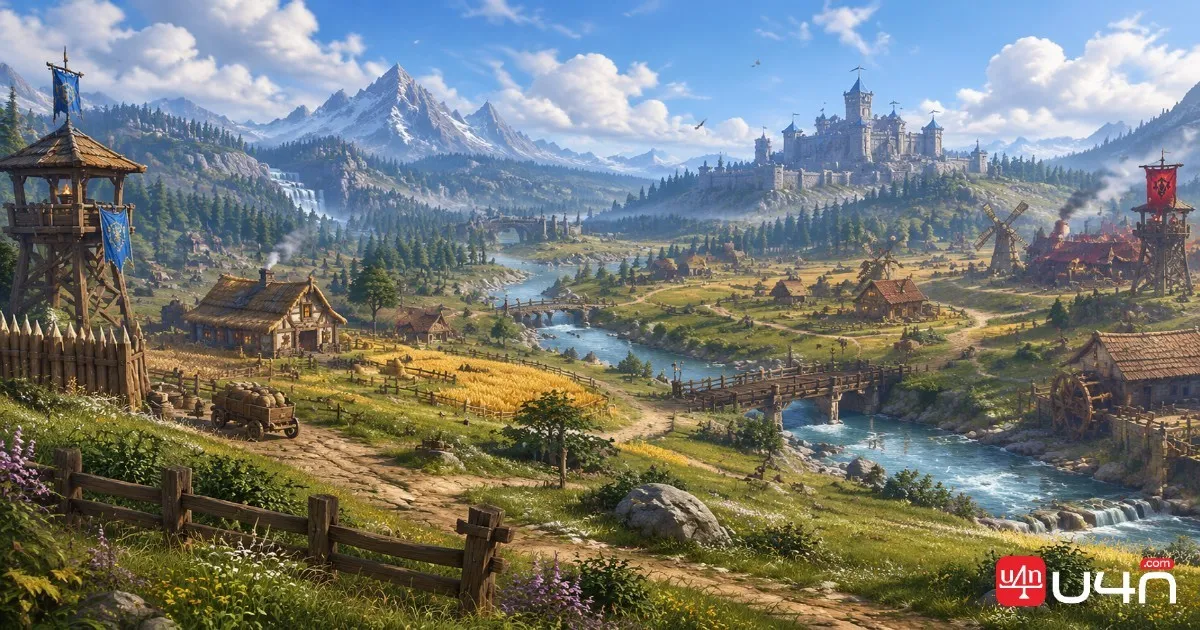
Riverglades is more than another leveling destination in WoW Forever. Located along the eastern coast of the Eastern Kingdoms, it is a contested frontier surrounded by familiar territories, including Redridge Mountains, the Burning Steppes, the Badlands, and the Swamp of Sorrows. Although the land fits into the geography of the original world, its expanded playable content gives players a new area to explore and understand.
What makes the region interesting is the mixture of settlements, trade routes, old grudges, and competing claims. Farholde Keep represents the Alliance-aligned presence, while Horde players establish connections with the Bolder'ok clan around the region. Powderfuse Port adds another dimension through goblin commerce and maritime activity. These locations make Riverglades feel like a functioning frontier rather than a collection of disconnected quest hubs.
The regional storytelling also benefits from its connection to Warcraft's earlier history. Familiar organizations and historical references appear alongside new characters and conflicts. For longtime players, this creates a useful balance: the setting feels connected to the world they already know, but there are still unanswered questions worth investigating.
The Factions and Historical Conflicts Behind Riverglades
The strongest part of Riverglades' worldbuilding is the way its factions have different motivations. The conflict is not simply a matter of Alliance fighting Horde. Several groups have their own histories, ambitions, and reasons for occupying the same territory.

| Faction | Background | Narrative importance |
|---|---|---|
| Brotherhood of the Horse | Former elite Stormwind knights | Explores duty, disobedience, and exile |
| Bolder'ok Clan | Ogres who broke away from the Twilight's Hammer | Represents separation from a former belief system |
| Twilight's Hammer | A dangerous cult operating in the region | Provides a continuing source of conflict and mystery |
| Powderfuse Goblins | A goblin group connected to the region's port and trade | Adds commercial and political interests |
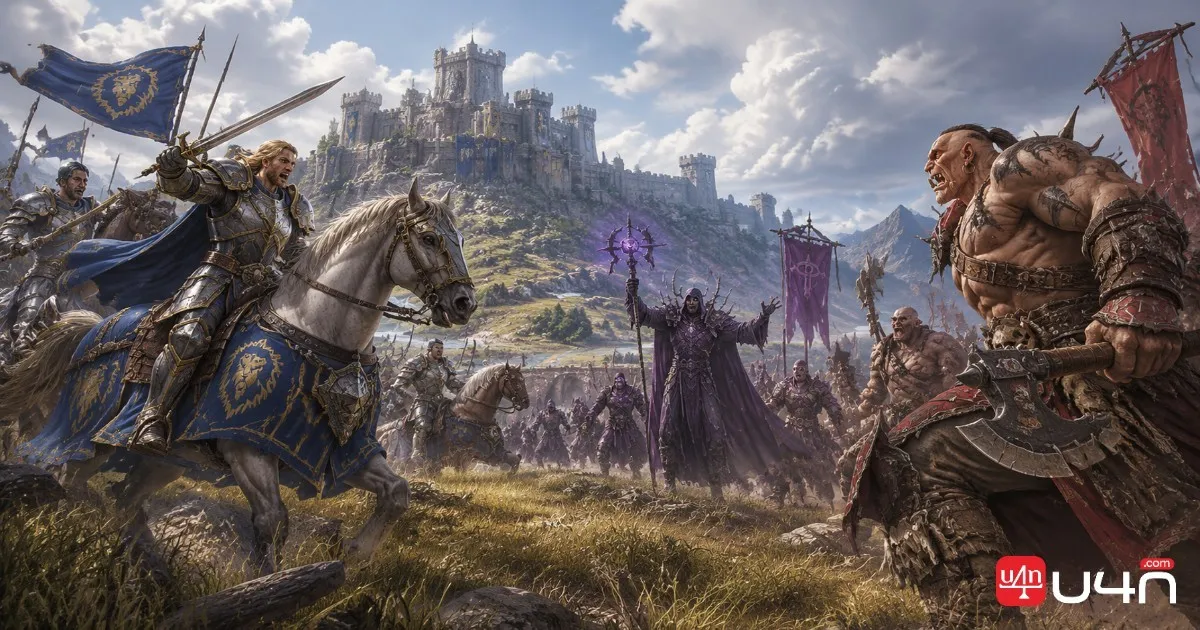
The Brotherhood of the Horse is particularly interesting from a historical perspective. These knights once served Stormwind but eventually broke away after refusing to continue pursuing Horde forces while vulnerable Alliance territories needed protection. Their decision raises a familiar question: should loyalty mean following orders, or should it mean protecting the people those orders are supposed to serve? Their history fits naturally with the themes explored in Cost of Honor.
The Bolder'ok clan offers a different perspective. Once associated with the Twilight's Hammer, its members eventually rejected their former group and attempted to establish their own path. Their situation shows that even a faction previously connected to a hostile organization can have internal divisions and independent motivations. Meanwhile, the Twilight's Hammer remains a threat, giving both Alliance and Horde players a common enemy without removing their existing disagreements.
How Cost of Honor Expands the WoW Forever World
The value of Cost of Honor becomes clearer when we consider how it complements the Riverglades experience. In-game quests introduce players to locations, characters, enemies, and local problems. A short story can approach the same world from a different direction by focusing on memory, personal experience, and the meaning behind historical decisions.
This is an effective way to build a more believable setting. A region becomes memorable when players understand not only who controls a settlement, but also why its residents remain there and what they are trying to preserve. The Brotherhood of the Horse and the Bolder'ok clan are good examples because their histories involve difficult choices rather than simple faction labels.
The story also reinforces the importance of generational memory. Demar Brant is not merely recounting old events for entertainment. His storytelling connects the past with the people who will shape Riverglades in the future. For players, this creates another reason to pay attention to local characters and quest dialogue instead of rushing directly toward the next objective.
We believe this kind of narrative expansion is especially valuable in a Classic-based game. New content does not always need to introduce a completely unfamiliar continent or rewrite established history. Sometimes, exploring a previously inaccessible part of the world and giving its inhabitants a more developed identity can make Azeroth feel considerably larger.
Summary
Cost of Honor is a meaningful addition to WoW Forever's growing narrative, particularly for players interested in the history of Riverglades. Through Demar Brant's fireside storytelling, the short story explores honor as a responsibility toward others rather than a reward for individual victories. Its themes also connect naturally with the region's historical conflicts, including the Brotherhood of the Horse's separation from Stormwind and the Bolder'ok clan's break from the Twilight's Hammer.
For players returning to the region, understanding these relationships can make its quests, settlements, and faction interactions more engaging. Exploring the local history alongside the available WoW Forever Items and progression systems offers a fuller experience than treating Riverglades as just another stop on the journey to level 60.
FAQ
1. What Is WoW Forever Cost of Honor?
Cost of Honor is a short story set around the Riverglades. It follows a fireside storytelling session in which Demar Brant shares historical legends with younger residents, focusing on war, sacrifice, difficult choices, and protecting others.
2. Who Is Demar Brant?
Demar Brant is the central storyteller in Cost of Honor. He serves as the connection between Riverglades' history and its younger generation, presenting the region's past through personal stories and historical memories.
3. Why Is Riverglades Important in WoW Forever?
Riverglades is a new playable frontier region in the Eastern Kingdoms. It introduces additional settlements, faction storylines, trade routes, and conflicts involving the Brotherhood of the Horse, Bolder'ok clan, and Twilight's Hammer.
4. Does Cost of Honor Introduce New Quests or Rewards?
The published Cost of Honor material is presented as a narrative short story, not a conventional quest or reward announcement. Players should distinguish its lore content from separate in-game updates and gameplay additions.