

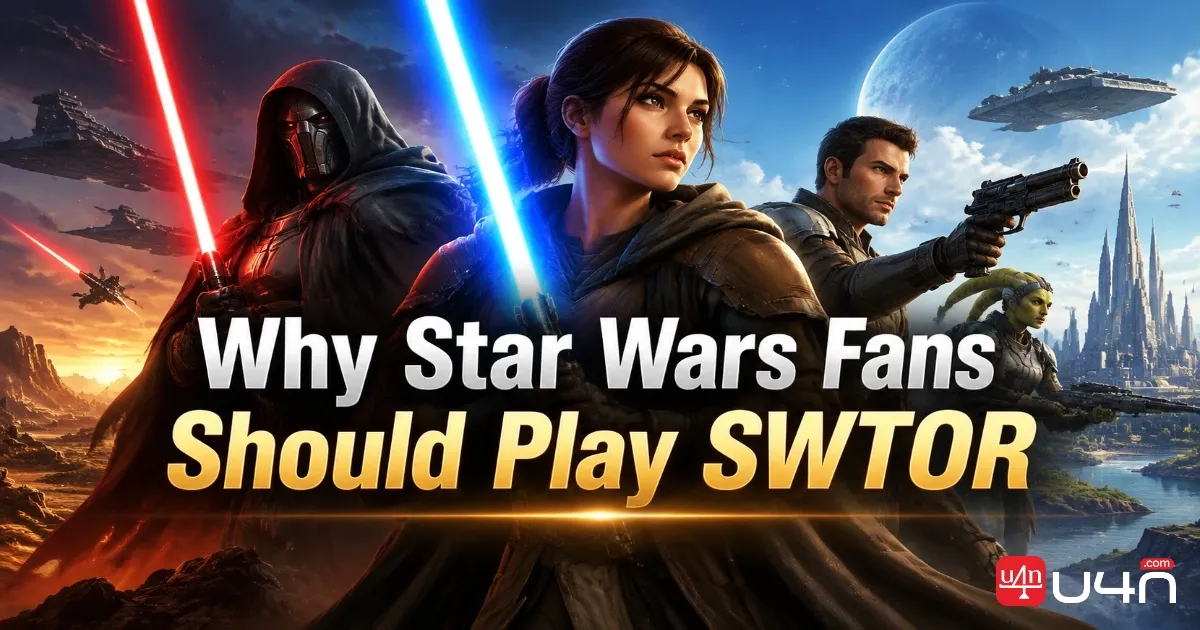
Star Wars: The Old Republic (SWTOR) is easy to overlook if you mostly follow newer Star Wars releases, but it offers something many games in the franchise cannot: the chance to shape your own story in a galaxy filled with Jedi, Sith, political conflict, and complicated personal loyalties. While SWTOR Credits and character progression are part of the wider experience, the strongest reason to play is the narrative freedom that runs through its quests, companions, and class campaigns.

Our team sees SWTOR as more than an MMORPG built around familiar Star Wars imagery. It combines BioWare-style dialogue, fully voiced characters, meaningful role-playing decisions, and a large collection of stories set in the Old Republic era. You can approach it as a long-form RPG first and a multiplayer game second, provided you understand that some activities still depend on MMO systems.
Eight Class Stories Give the Galaxy Different Perspectives
One of SWTOR's biggest strengths is that its class stories are not simply variations of the same campaign. The Republic and Sith Empire offer different political environments, conflicts, and character motivations, while individual classes introduce their own narrative identity. The official SWTOR class missions guide confirms that each of the eight main classes has its own storyline and missions.
| Class | Story appeal |
|---|---|
| Jedi Knight | Heroic conflicts, major threats, and the responsibilities of a Jedi |
| Jedi Consular | Jedi philosophy, diplomacy, and problems that extend beyond combat |
| Smuggler | Personal ambition, risky jobs, and underworld encounters |
| Republic Trooper | Military operations and service within the Republic |
| Sith Warrior | Power, loyalty, and the struggle to navigate Sith politics |
| Sith Inquisitor | Ancient mysteries, ambition, and the pursuit of influence |
| Imperial Agent | Espionage, intelligence operations, and political intrigue |
| Bounty Hunter | Contracts, rivalries, and life outside traditional institutions |
The value here is replayability with a purpose. Starting another character can reveal a different side of the galaxy rather than merely asking you to repeat the same story with a new combat rotation.
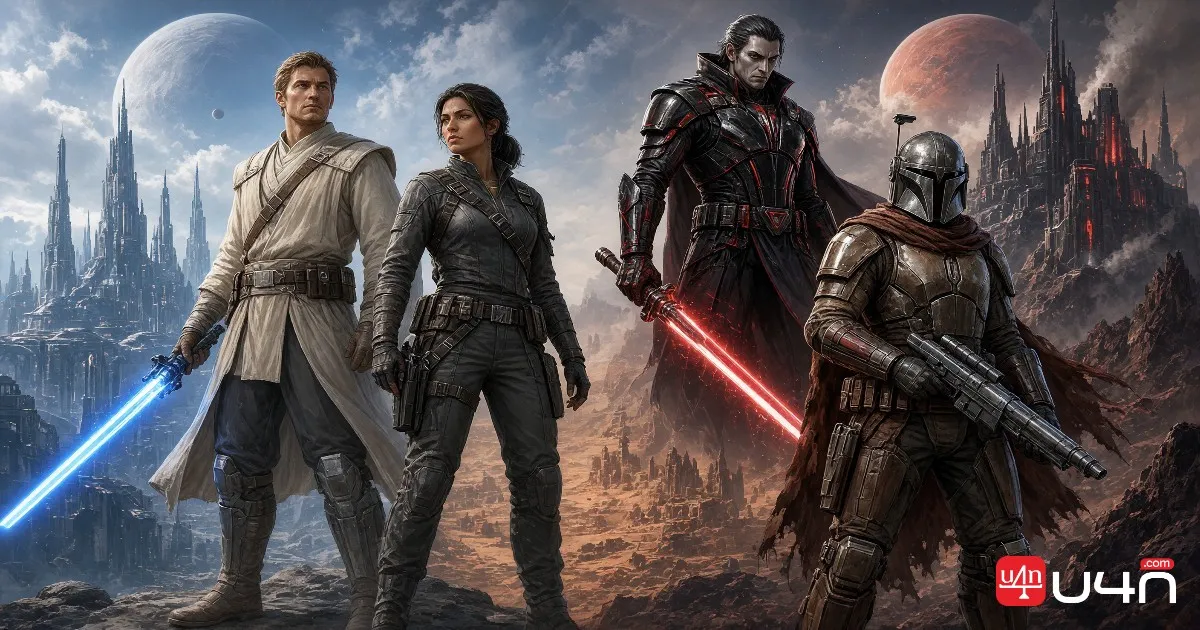
Our recommendation is to choose a class based on the kind of story you enjoy. Players who like heroic space fantasy may gravitate toward the Jedi Knight, while those who prefer conspiracies and morally complicated decisions may find the Imperial Agent more compelling.
Your Choices Make Role-Playing Personal
SWTOR uses dialogue choices to let players decide how their characters respond to the people and events around them. Some decisions affect relationships, quest outcomes, or alignment, while others mainly establish personality and tone.
This distinction matters. Not every conversation creates a major branch in the campaign, and players should not expect every decision to rewrite the entire galaxy. However, choosing whether to act with compassion, ambition, suspicion, or aggression gives the protagonist a recognizable identity.
The Light Side and Dark Side alignment system also allows for interesting role-playing contrasts. A Sith character does not have to behave cruelly in every situation, just as a Republic character can make selfish or ruthless decisions. These combinations can make a familiar Star Wars conflict feel less predictable.
From our perspective, the system works best when you make decisions that fit the character you want to play rather than constantly choosing whichever response seems most profitable. Consistency makes the journey feel more personal, even when the wider story continues along a relatively fixed path.
Companions Give the Story Emotional Weight
Companions are one of the clearest links between SWTOR and classic BioWare RPGs. They are not just extra characters following the player through combat. Their personalities, personal histories, reactions, and individual quests help make the galaxy feel inhabited. The official SWTOR companions guide also explains how companions can react to player decisions and develop relationships over the course of the story.
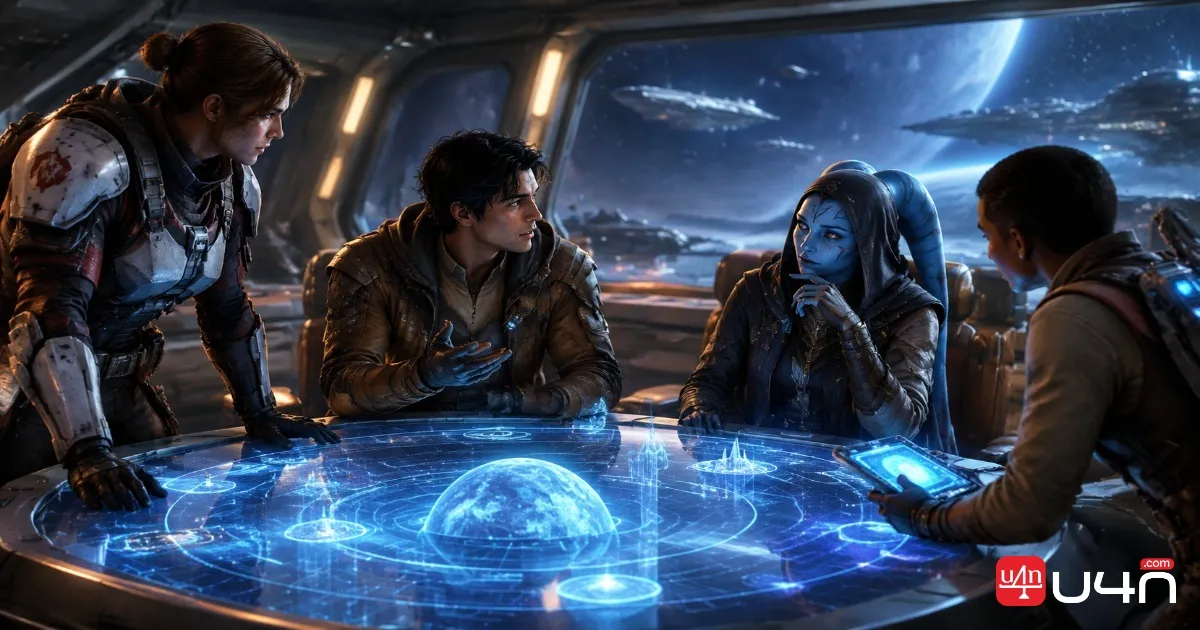
Depending on the companion and situation, conversations can reveal disagreements, unexpected loyalties, or different interpretations of the player's decisions. These interactions give quieter moments between major missions a reason to matter.
Romance options add another layer for players interested in character-driven storytelling. Their quality and availability vary, so it is better not to assume every class offers identical relationship paths. Still, when a companion's personality and the player's role-playing choices align, these storylines can become some of the most memorable parts of a campaign.
We recommend taking time to speak with companions when new conversations become available. Rushing from one objective to the next can mean missing the smaller character moments that distinguish SWTOR from a more combat-focused online game.
The Old Republic Era Offers Room to Explore
SWTOR benefits from its position in the Old Republic era, far removed from the familiar timeline of the main Skywalker films. That distance gives its writers more freedom to explore conflicts, institutions, and characters without making every major event revolve around the same established heroes.
The setting also combines recognizable Star Wars locations with places that have their own identity in this period.
Tatooine
The desert world brings the familiar frontier atmosphere of Star Wars, with settlements and harsh environments that suit stories about survival, conflict, and opportunity.
Hoth
Its frozen terrain creates a very different visual mood, reminding players that exploration in Star Wars is about more than cities and lightsaber duels.
Dromund Kaas
As a major Sith world, it offers a strong contrast to Republic locations, with an atmosphere shaped by Imperial authority and Sith ambition.
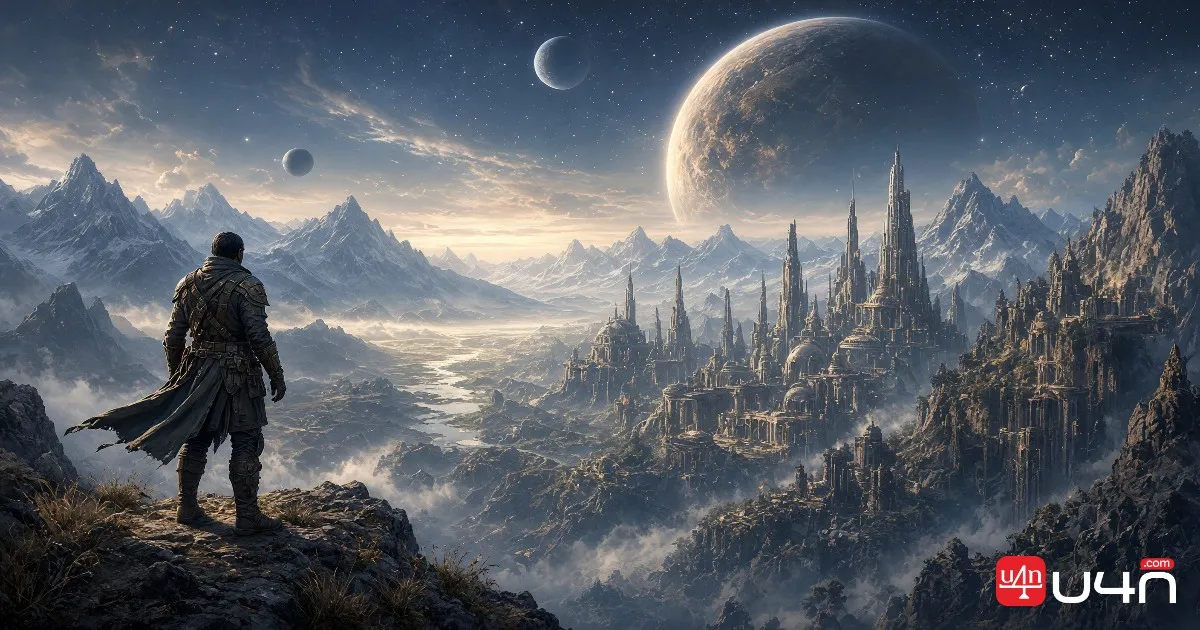
Tython also gives players a chance to experience an important Jedi setting, while other planets and space stations expand the scale of the journey. The variety helps the galaxy feel like a collection of distinct places rather than a single backdrop for combat.
For lore enthusiasts, this is a major reason to stay with the game. SWTOR does not just reuse Star Wars aesthetics; it gives players time to understand how different societies and factions function within its version of the galaxy.
You Can Enjoy the Story Without Making Group Play Your Priority
Not every Star Wars fan wants to organize group activities, join a guild, or spend every session competing with other players. SWTOR accommodates a more story-focused approach through its voiced class campaigns, companion interactions, and quest-driven progression.
That makes it a reasonable choice for players who usually prefer single-player RPGs. You can spend a session exploring a planet, progressing through dialogue, and completing personal story objectives without treating multiplayer coordination as the center of your experience.
There is an important caveat, though: SWTOR remains an MMORPG. Group content, social systems, and other multiplayer activities are still part of the game, and a story-focused approach does not mean every activity is designed for solo completion.
Our advice is to begin with the class story and explore additional systems at your own pace. If you later become interested in group encounters or broader progression, those options are there without needing to define your entire experience from the beginning.
It is also worth separating narrative enjoyment from optional economic progression. If you are considering whether to buy SWTOR Credits, check the game's current rules and stick to permitted methods. Currency is not what makes the class stories, companion relationships, or Old Republic setting worth experiencing.
Summary: Who Should Play SWTOR?
SWTOR is particularly appealing to players who want more than a familiar Star Wars setting. Its class-specific campaigns, flexible character alignment, companion storylines, and planetary exploration give the game several ways to create a personal connection with the galaxy.
We would put it high on the list for fans of classic BioWare RPGs, players who enjoy dialogue-driven adventures, and anyone curious about the Old Republic era. The strongest approach is to pick a class that fits your preferred storytelling style and allow its campaign to establish your connection with the world.
Players who expect a tightly paced single-player game may find the MMO structure less appealing, and not every choice has far-reaching consequences. Even so, SWTOR offers a distinctive combination of narrative breadth and role-playing freedom that makes it worth trying.
FAQ
Is SWTOR worth playing for Star Wars fans?
Yes, especially if you enjoy character-driven stories, Jedi and Sith conflicts, companion relationships, and exploring different corners of the galaxy. Its class campaigns offer perspectives that go beyond the central film narratives.
Can you play SWTOR mainly as a single-player RPG?
Yes. Much of its class-story experience can be approached solo, with companions supporting the journey. However, some group activities and MMO features still involve other players.
Which SWTOR class should beginners choose?
Choose based on the story you want to experience. The Jedi Knight suits players looking for a heroic Jedi adventure, the Sith Warrior explores Imperial power struggles, and the Imperial Agent is a strong option for fans of espionage and political intrigue.
Do your choices significantly change the story?
Some choices affect relationships, alignment, quests, and how your character is portrayed. Others have more limited consequences. The main benefit is the ability to role-play a distinct character rather than expecting every decision to create a completely different campaign.
Is SWTOR only for players familiar with the Old Republic?
No. Familiarity with earlier games can add context, but newcomers can still enjoy the class stories and discover the setting through their own characters. Starting with a class that matches your interests is a practical way to ease into the experience.