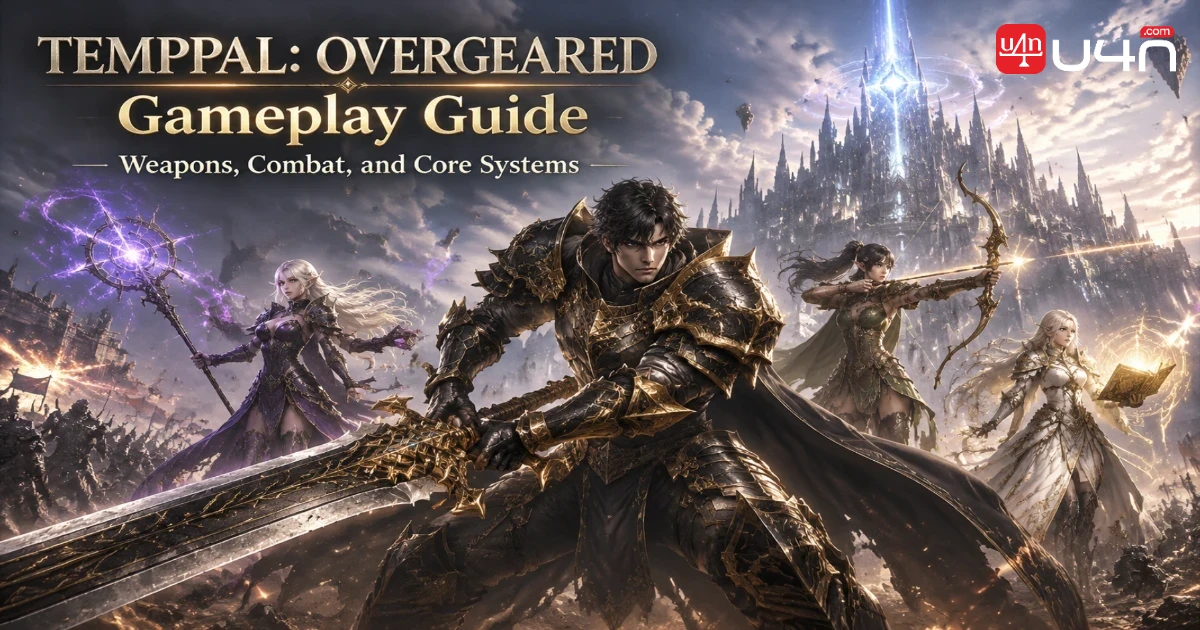


Choosing a weapon in TEMPPAL: OVERGEARED is about more than deciding how you want to deal damage. Your weapon determines your basic combat role, while your selected class adds another layer of skills and mechanics that can completely change how that weapon feels in battle.
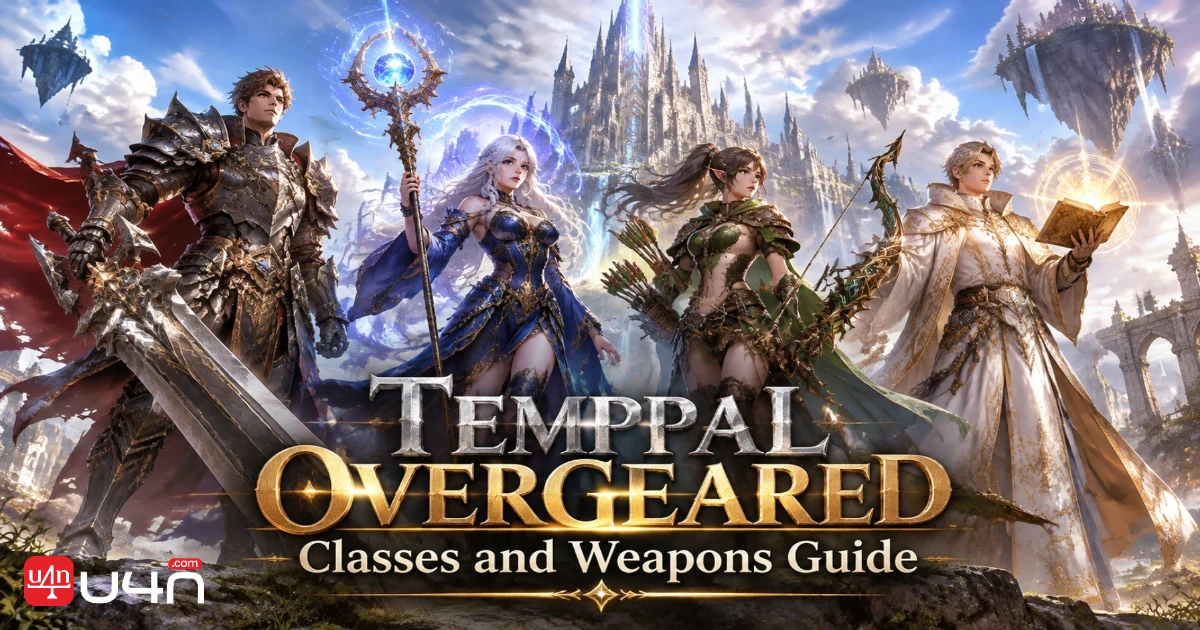
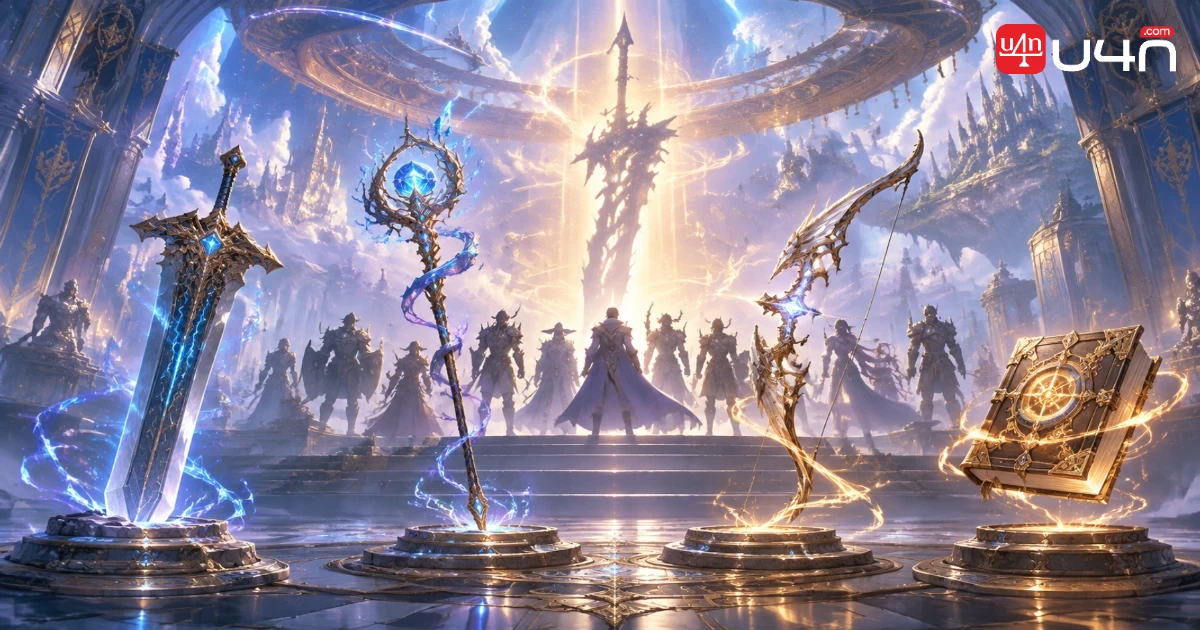
The game currently features four weapon types: Greatsword, Staff, Bow, and Bible. Each has a distinct role, ranging from frontline combat and elemental magic to ranged damage and team support. However, the difference between classes using the same weapon can be just as important as the difference between weapon types.
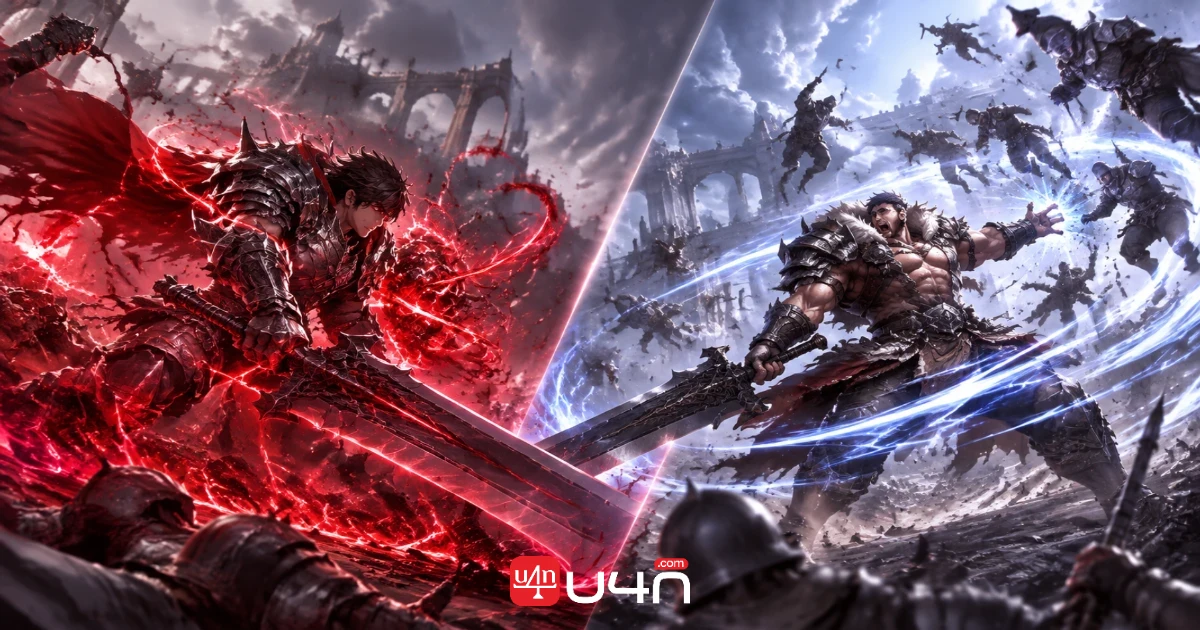
For example, two Greatsword classes already revealed by the developers take noticeably different approaches. Blood Warrior focuses on Bleeding and HP Leech to maintain pressure over time, while Crusher uses pulls and stuns to control enemy movement.
Our team has put together this TEMPPAL: OVERGEARED classes and weapons guide to help players understand those differences before launch. We will break down the four weapon types, explain the confirmed class mechanics, and look at how to choose a weapon based on your preferred playstyle rather than an unverified tier list.
How Do Classes and Weapons Work in TEMPPAL: OVERGEARED?
The first thing players should understand is that weapon type and class are two connected but different parts of character customization.
A weapon line establishes your general combat role and provides its own set of weapon-based skills. Your selected class then adds class-exclusive abilities and mechanics. This means two characters using the same weapon do not necessarily fight in the same way.
For players familiar with traditional MMORPGs, this is an important distinction. Choosing a weapon is closer to choosing a broad combat direction, while choosing a class determines how you express that role during actual encounters.
For a closer look at the weapon mechanics and core combat systems, check out our TEMPPAL: OVERGEARED gameplay guide.
This system gives players more room to find a combat style that suits them. A Greatsword user, for example, might prefer sustained damage and self-sustain, while another might focus on disrupting enemy formations.
| Character Choice | What It Determines | What Players Should Consider |
|---|---|---|
| Weapon Type | Your general combat role and weapon skills | Melee, magic, ranged damage, or support |
| Class | Additional skills and combat mechanics | Damage patterns, control effects, and preferred combat rhythm |
| God Hand Memories | Additional effects triggered during combat | Whether you want more offense, defense, or utility |
| Equipment Build | Character stats and overall progression | How your gear supports your chosen role |
We recommend deciding what kind of combat you enjoy first. Chasing a supposedly strongest class before the full skill set and live-game performance are known can lead to a poor match between your expectations and the actual gameplay.
All Four Weapon Types and Their Combat Roles
TEMPPAL: OVERGEARED has introduced four main weapon categories: Greatsword, Staff, Bow, and Bible. Each weapon has a clear identity, so players can use their preferred combat distance and team role as a starting point.
| Weapon | Main Combat Role | Best Match For |
|---|---|---|
| Greatsword | Frontline combat, durability, and enemy disruption | Players who enjoy close-range fighting |
| Staff | Elemental magic and area-focused damage | Players who prefer tactical spellcasting |
| Bow | Powerful ranged attacks and repositioning | Players who want to maintain distance |
| Bible | Healing and crowd control | Players who enjoy supporting a group |
Greatsword: Frontline Pressure and Battlefield Control
Greatsword is the natural starting point for players who enjoy standing close to enemies and taking an active role in frontline encounters.
Its weapon-line identity emphasizes durability and disruption. Greatsword users are designed to withstand pressure while breaking enemy formations, making the weapon relevant to players who prefer direct engagement over staying at a safe distance.
However, Greatsword should not be treated as a single fixed playstyle. The revealed Blood Warrior and Crusher classes already demonstrate how different class mechanics can change the same weapon's role.
Staff: Elemental Magic and Tactical Damage
Staff is designed around elemental magic and tactical spellcasting. Rather than relying on close-range pressure, Staff users can bring magical firepower to encounters and make decisions based on positioning and the situation.
Players who enjoy watching enemy groups get caught in magical attacks may find this weapon appealing. Its gameplay identity also makes it worth considering for players who prefer planning their attacks instead of constantly trading blows at close range.
The full Staff class lineup and detailed skill combinations still need to be confirmed. We would avoid choosing a specific Staff class based on assumed abilities before the developers reveal more information.
Bow: Ranged Damage and Positioning
Bow is the main option for players who prefer attacking from a distance. Its weapon identity emphasizes powerful ranged attacks, while the revealed backdash mechanic gives players another way to manage space during combat.
In an MMORPG, maintaining the right distance can matter just as much as raw damage. Ranged players often need to watch enemy movement, avoid dangerous attack patterns, and find opportunities to keep dealing damage without becoming an easy target.
If you enjoy mobility and controlling the distance between yourself and your enemies, Bow is a strong weapon type to keep on your shortlist.
Bible: Healing and Crowd Control
Bible stands out because its role is not limited to dealing damage. Its announced identity combines healing with crowd control, giving it a clear place in group-oriented combat.
Players who enjoy helping teammates survive difficult encounters may find Bible more rewarding than a weapon focused entirely on personal damage. Its control utility can also contribute to a team's ability to manage dangerous enemies.
For players who usually take support roles in MMORPG parties, Bible is an obvious weapon to watch. Its exact class variations and skill details, however, should be evaluated once more information becomes available.
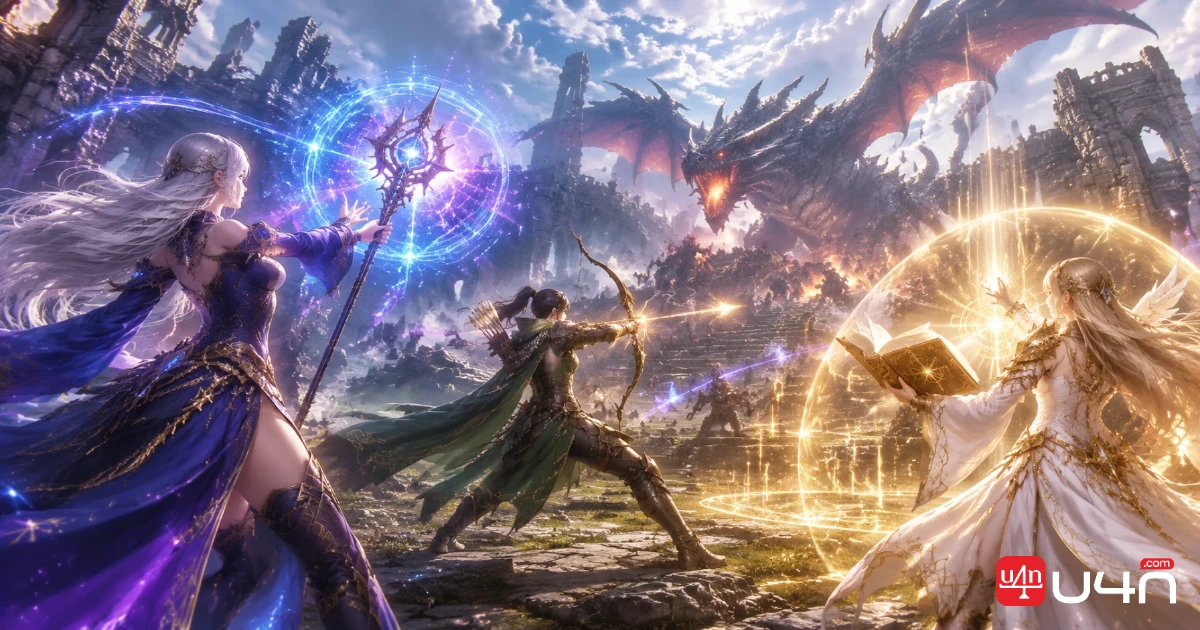
Blood Warrior vs. Crusher: Which Greatsword Class Is Better?
Blood Warrior and Crusher are the most useful examples currently available for understanding class differences in TEMPPAL: OVERGEARED.
Both belong to the Greatsword weapon line, but their confirmed mechanics point toward different combat priorities. Blood Warrior is built around sustained pressure and HP recovery, while Crusher focuses on controlling enemy movement.
| Feature | Blood Warrior | Crusher |
|---|---|---|
| Weapon Type | Greatsword | Greatsword |
| Main Mechanic | Bleeding and HP Leech | Pulls and Stuns |
| Combat Focus | Sustained combat | Crowd control |
| Main Appeal | Maintaining pressure while recovering HP | Disrupting enemy positioning |
| Best Match For | Players who enjoy staying in the fight | Players who enjoy controlling engagements |
Blood Warrior: Sustained Damage and HP Leech
Blood Warrior uses Bleeding and HP Leech to maintain pressure over time. Instead of relying only on short bursts of damage, this class appears designed to keep fighting while recovering health through its combat mechanics.
This approach may appeal to players who like aggressive melee characters and prefer to remain engaged rather than constantly disengaging. The combination of damage over time and HP recovery also gives Blood Warrior a distinct identity within the Greatsword line.
From our perspective, its biggest appeal is the interaction between offense and sustain. Players who enjoy managing continuous pressure may find this style more satisfying than a class built around isolated control effects.
Crusher: Pulls, Stuns, and Enemy Control
Crusher takes a different approach. Its confirmed mechanics include pulling enemies and stunning them, allowing it to interfere with enemy movement and positioning.
This gives Crusher a more control-oriented identity. Rather than focusing primarily on sustaining damage, it can create opportunities by interrupting enemy actions and disrupting formations.
That kind of utility can be valuable in encounters where controlling dangerous targets matters. Players who enjoy setting up engagements, interrupting enemies, and creating openings for teammates may prefer Crusher.
Which Greatsword Class Should You Choose?
There is not enough confirmed gameplay data to declare one class universally stronger. The better choice depends on what you want to do during combat.
- Choose Blood Warrior if you prefer sustained melee pressure, Bleeding effects, and HP recovery.
- Choose Crusher if you enjoy pulling enemies, applying Stuns, and disrupting their positioning.
We would also pay attention to how these mechanics perform in different content types. A class that feels comfortable during solo farming may serve a different purpose in group encounters or PvP. Those comparisons will become much more meaningful after players can test the full skill sets in the live game.
Which Weapon Should You Choose Based on Your Playstyle?
If you are still unsure which weapon to choose, start with the type of gameplay you enjoy most. A weapon that matches your preferred combat rhythm is often a better long-term choice than one selected only because it appears powerful in promotional footage.
| Your Preferred Playstyle | Recommended Weapon | Why It May Suit You |
|---|---|---|
| Close-range combat | Greatsword | Frontline pressure and enemy disruption |
| Elemental magic | Staff | Tactical spellcasting and magical damage |
| Ranged attacks | Bow | Distance-based damage and repositioning |
| Team support | Bible | Healing and crowd control |
| Sustained melee combat | Greatsword / Blood Warrior | Bleeding and HP Leech |
| Enemy control | Greatsword / Crusher | Pulls and Stuns |
Best Starting Weapon for Different Players
For aggressive melee players: Greatsword is the most direct choice. It puts you in the middle of combat and offers two confirmed class directions with different mechanics.
For magic-focused players: Staff is the natural option if you enjoy elemental abilities and tactical spell use. Wait for the full class details before committing to a specific build.
For players who value distance: Bow is worth considering if you prefer ranged attacks and repositioning instead of remaining in melee range.
For group-oriented players: Bible deserves attention if healing and crowd control are the parts of party combat you enjoy most.
Should Beginners Choose the Easiest Weapon?
We would not label any weapon as the definitive beginner choice yet. Ease of use depends on more than a weapon's basic role. Skill timing, defensive options, enemy behavior, class mechanics, and the way a player approaches combat all matter.
A beginner who enjoys close-range fighting may find Greatsword more intuitive than Staff. Someone who prefers keeping enemies at a distance may feel more comfortable with Bow.
The practical advice is simple: choose the weapon whose basic combat role you already enjoy. Once the game launches and players have tested the full class kits, we can make more meaningful recommendations based on actual performance.
A weapon that fits your preferred combat rhythm is a better starting point than an early tier list built without enough evidence.
Class Summons, God Hand, and Long-Term Character Progression
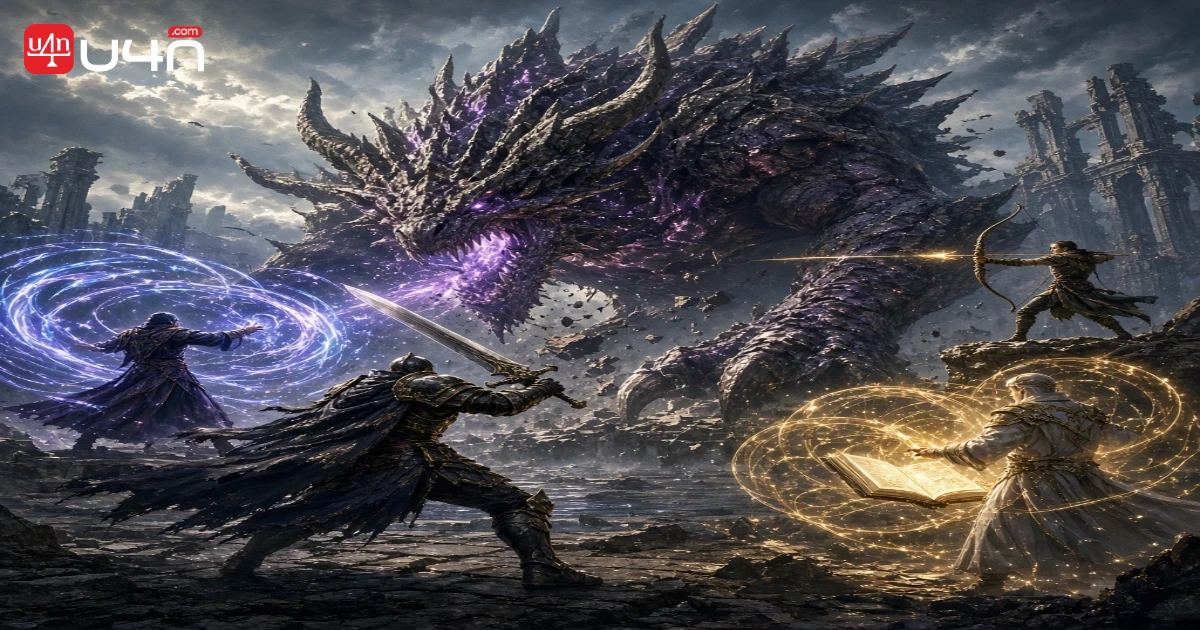
Weapon and class selection is only one part of building a character. TEMPPAL: OVERGEARED also features Class summons and God Hand summons, but the developers have emphasized that the system is not simply about chasing the highest rarity.
Classes have their own skills and playstyles, which means their combat identity matters alongside their grade. The developers have also stated that summon-related options can be obtained through in-game play, rather than being limited to purchases.
Understanding God Hand Memories
God Hand Memories add another layer of combat customization. They are divided into three categories:
| Memory Type | Trigger Condition | General Purpose |
|---|---|---|
| Offensive | When attacking | Adds offensive effects |
| Defensive | When taking damage | Provides defensive effects |
| Auxiliary | When using skills | Adds utility effects |
Players can equip one Memory from each category and save combinations as presets. This makes it possible to prepare different setups for activities such as hunting and PvP.
For example, a player may prefer an offensive combination for farming but switch to a more defensive or utility-focused setup for a difficult encounter. The exact value of each combination will depend on the available Memories and how their effects interact with a character's skills.
Why Your Equipment Still Matters
Even a class with an appealing skill set needs a suitable equipment setup. TEMPPAL: OVERGEARED connects equipment progression to Core Score, with systems such as enhancement, Breakthrough, and Overclock contributing to character growth.
This is worth keeping in mind when planning your long-term progression. Your weapon and class define how you fight, but your equipment helps determine how effectively you perform that role.
Players preparing their early progression should also understand how the game's economy and upgrade materials work. If you are planning your resource budget, you can check the available options for cheap Temppal Overgeared Coins while comparing them with the resources you expect to earn through normal gameplay.
We recommend prioritizing a coherent build rather than spreading resources across every available upgrade. A focused setup is easier to evaluate, and it helps you understand which improvements are actually making a difference.
Future Classes and New Weapons: What Should Players Expect?
One important detail for players planning ahead is that the launch lineup is not intended to represent the game's entire long-term class roster.
The announced roadmap points to additional class options and a new weapon line during the first six months after launch. The developers plan to introduce new Epic-to-Legendary classes across the existing weapon lines around the three-month mark. A new weapon category is also planned for the four-to-six-month period.
These are roadmap plans, not a guarantee that every detail or release date will remain unchanged.
| Planned Period | Announced Direction | Why It Matters |
|---|---|---|
| Around Month 3 | New classes across existing weapon lines | More options within familiar combat roles |
| Months 4–6 | A new weapon line | A potentially different combat role and playstyle |
Should You Wait for More Classes Before Choosing?
Not necessarily. Waiting for future content means delaying the experience of the four weapon types already announced. If one of the current weapons matches your preferred playstyle, there is little reason to avoid trying it simply because more options are planned.
However, players who care strongly about long-term class variety should keep the roadmap in mind. The future additions may expand the available choices, especially for players who want to explore a different combat role later.
We also recommend waiting for official details before assuming that switching weapons or classes will be easy, cheap, or unrestricted. The developers have announced future additions, but the exact rules for changing a character's weapon or class should be confirmed in-game.
Which TEMPPAL: OVERGEARED Weapon Should You Pick?
The best weapon in TEMPPAL: OVERGEARED depends on the kind of combat you want to experience.
Greatsword is the clearest choice for players who enjoy frontline fighting, Staff suits those drawn to elemental magic, Bow offers a ranged approach, and Bible is designed for players who value healing and crowd control.
The Blood Warrior and Crusher comparison also shows why players should look beyond weapon names. Even within the same weapon line, class-exclusive mechanics can create very different combat experiences.
Our recommendation is to choose based on your preferred role first, then compare the available classes once their full skills and live-game performance are known. A weapon that fits your habits is a much better starting point than an early tier list built without enough evidence.
TEMPPAL: OVERGEARED Classes and Weapons FAQ
How many weapon types are available in TEMPPAL: OVERGEARED?
Four weapon types have been announced: Greatsword, Staff, Bow, and Bible.
What is the difference between a weapon and a class?
A weapon establishes a general combat role and weapon skills, while a class adds its own exclusive abilities and mechanics.
Are Blood Warrior and Crusher both Greatsword classes?
Yes. Blood Warrior focuses on Bleeding and HP Leech, while Crusher uses pulls and Stuns to control enemies.
Which weapon is best for beginners?
There is no confirmed universal beginner weapon. Greatsword, Staff, Bow, and Bible suit different preferences, so players should start with the combat role they enjoy most.
Will TEMPPAL: OVERGEARED add more classes and weapons?
The announced roadmap plans additional classes across existing weapon lines around the third month and a new weapon line during months four to six after launch.
Can players obtain classes and God Hand Memories without spending money?
The developers have stated that these options can also be obtained through in-game play. Their exact acquisition rates and progression requirements should be checked after launch.