Crafting an Absent Amulet with high Spirit and +4 Skill Levels is the kind of endgame project that rewards careful planning more than blind currency spending. In Path of Exile 2, we need to consider the granted Persistent Buff Skill, the available affix slots, and the cost of protecting the modifiers that matter most. Before investing in POE 2 Currency, our team recommends deciding which skill category and Spirit value your build actually needs.
There are two main approaches to this craft: secure the relevant +3 Skill Level modifier first, or protect Tier 1 Spirit before working toward the skill modifier. Both can lead toward the same goal, but neither guarantees a successful or inexpensive result. The right choice depends on your starting item, your available crafting materials, and how much risk you are prepared to accept.
Choose an Absent Amulet That Fits Your Build
The first decision is not about crafting currency. It is about choosing a base that makes sense for your character.
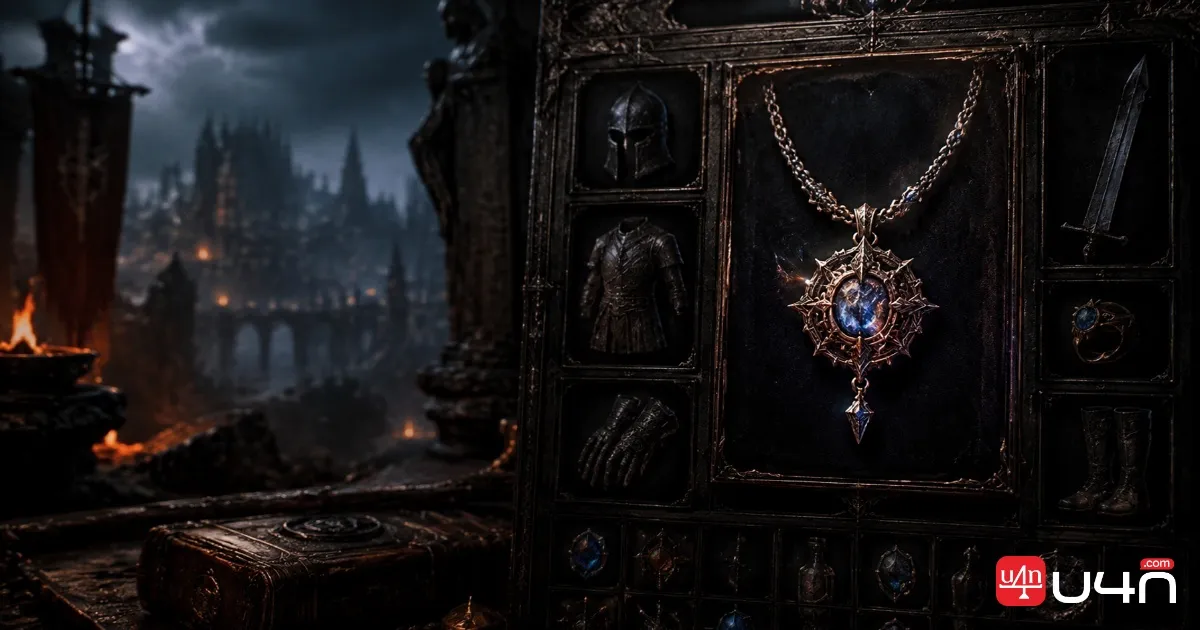
An Absent Amulet grants a Persistent Buff Skill while sacrificing one prefix and one suffix slot. Because this leaves less room for ordinary modifiers, we should evaluate the granted skill and the remaining affix space before committing to an expensive craft.
For a combined Spirit and Skill Level project, item level 75 or higher is a practical starting point for the relevant +3 Spell, Minion, Melee, or Projectile Skill modifiers. However, the required item level depends on the modifier you are targeting, so we should not assume that every Tier 1 affix shares the same threshold.
Before proceeding, check three things:
- Skill compatibility: Does the amulet's granted skill support your build?
- Modifier availability: Can the base roll the exact Skill Level modifier you need?
- Affix flexibility: Is there enough room to complete the craft without compromising the result?
A suitable base is more valuable than a cheap item that cannot support your intended combination.
Choose Which Modifier to Protect First
The two main crafting routes differ in which modifier we secure before pursuing the other.
| Crafting route | First objective | Main consideration |
|---|---|---|
| Skill Level first | Secure the relevant +3 Skill Level modifier | Protect the modifier that directly supports your build |
| Spirit first | Secure Tier 1 Spirit, ideally with the desired value | Preserve a strong resource stat before pursuing Skill Levels |
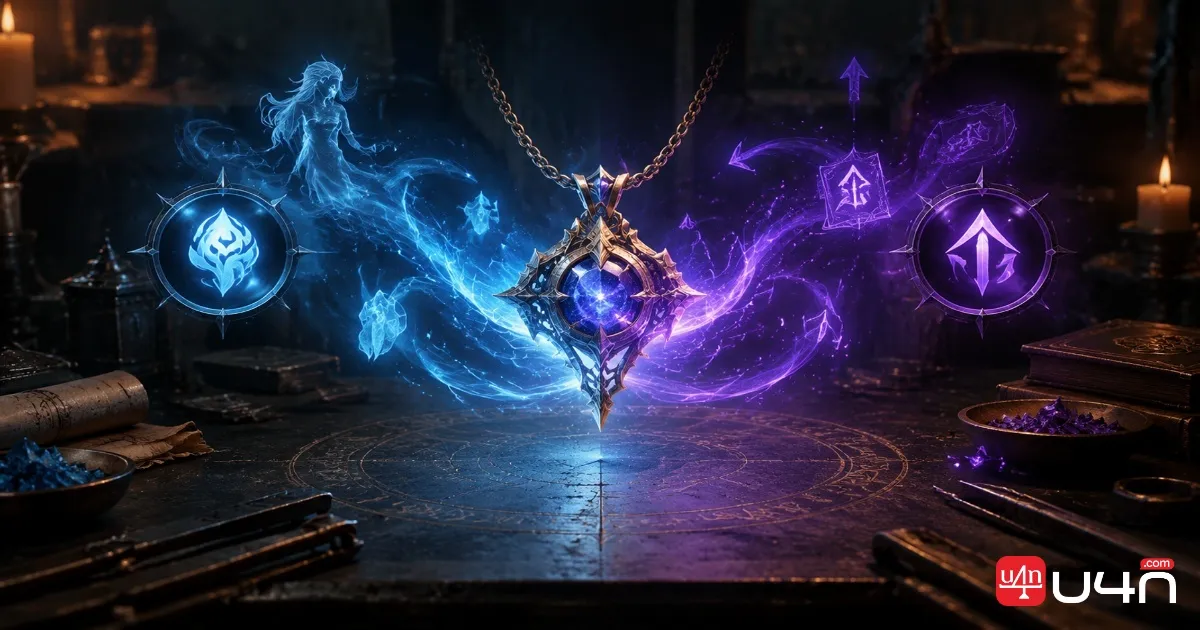
Route A: Skill Level first
This approach prioritizes the modifier that defines the offensive or summoning setup. After successfully protecting it through the intended Fracturing process, we can work toward obtaining the required Spirit roll.
The advantage is straightforward: the most build-specific part of the item is secured first. The drawback is that obtaining the second modifier can still require repeated attempts, and a failed step may leave the project significantly more expensive than expected.
Route B: Spirit first
This route starts by rolling Spirit and preparing the desired value before attempting to protect it. The supplied guides recommend using Divine Orbs to optimize the Spirit roll before fracturing, because the fractured modifier cannot subsequently be adjusted in the same way.
This approach makes sense when Spirit is the priority and we are satisfied with the risk of pursuing Skill Levels afterward. However, a strong Spirit roll alone does not make the amulet a successful craft.
Neither route is automatically superior. We should compare the starting item's condition, the materials required for each next step, and the price of a comparable finished amulet.
Understand Fracturing Before Spending More
Fracturing is a major decision point because it determines which modifier we are trying to preserve for the rest of the project. It should never be treated as a guaranteed shortcut.
The available written guides do not describe every preparation step consistently. In particular, the relationship between the Preserved Collarbone or Desecration setup and the Fracturing Orb attempt needs to be checked against the exact item state and current crafting rules.
For that reason, we should not rely on a universal success percentage or assume that one preparation sequence works for every item.
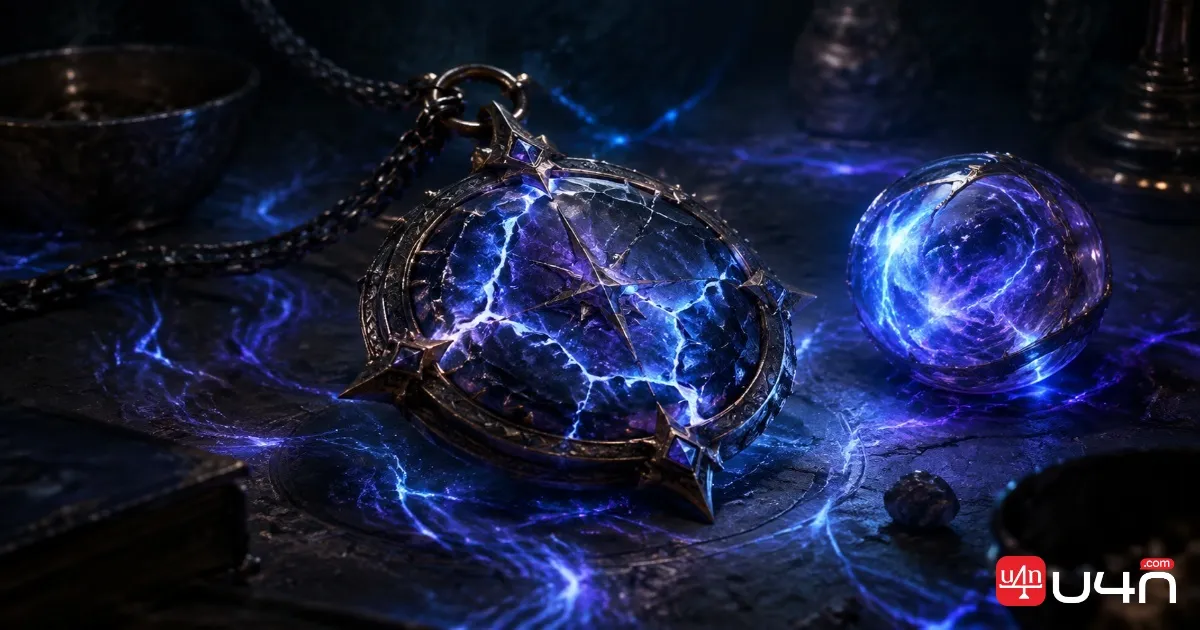
After a successful fracture, the next task is to manage the remaining modifiers. The supplied guides discuss using Orbs of Annulment to remove unwanted removable affixes. This is not a risk-free cleanup method: removing a useful modifier can damage the craft, so we should confirm which affixes are present before using any removal currency.
Our team's rule is simple: do not begin the next expensive step until the fractured item still has a viable path toward the intended combination.
Turn +3 Skill Levels Into a +4 Target
The quality stage is where this project becomes more specialized. We need to distinguish between increasing an item's maximum quality and actually applying quality to the amulet.
The supplied guides describe using Essence of the Breach to add a prefix that raises the maximum quality of jewellery beyond the ordinary limit. They also describe a relevant-quality breakpoint around 34% for improving a +3 Skill Level modifier to +4.
These details should be treated as a crafting route to verify, not a universal recipe. The quality must benefit the modifier we want to improve. Sibilant Catalysts enhance Caster modifiers, so they should not automatically be used for every Spell, Minion, Melee, or Projectile Skill Level target.
The Spirit-first route also includes a more specific sequence involving Sinistral Exaltation, Sinistral Crystallization, and Essence of the Breach. According to the supplied guide, this sequence uses a disposable prefix during preparation. Its applicability depends on the item's modifier arrangement, so we should not copy it blindly onto a different craft.
Before using these materials, verify the current descriptions, the target modifier's category, and whether the planned sequence remains valid for the item in front of you.

Control the Cost and Know When to Stop
High-end crafting is not only about reaching the desired stats. It is also about deciding whether the next attempt is worth paying for.
We recommend checking the market before starting and comparing the cost of a suitable base, the materials needed for each stage, and the price of a finished or partially crafted alternative. Players looking for cheap POE 2 Orbs should still prioritize reliable item planning over buying currency before the crafting route is understood.
Set a spending limit before the first major risk. After each successful stage, reassess the item's condition and the remaining steps rather than assuming that previous investment justifies continuing.
A practical checkpoint looks like this:
- Before fracturing: Confirm the target modifier, the item setup, and the cost of another attempt.
- After fracturing: Check whether the remaining affixes still support the planned combination.
- Before quality work: Verify the catalyst category and the exact quality interaction.
- Before finishing: Compare the additional investment with the price of a suitable alternative.
We should also avoid treating claims about level-20 implicit upgrades or +5/+6 Sanctification outcomes as guaranteed extensions of this recipe. Those results are not established by the written material reviewed for this guide.
Summary
Crafting an Absent Amulet with high Spirit and +4 Skill Levels requires a clear target, careful modifier protection, and a quality setup that matches the skill modifier. Our team recommends choosing the base first, comparing the Skill Level-first and Spirit-first routes, and verifying each risky interaction before spending more.
The most important lesson is that a strong starting roll does not guarantee a finished item. Keep track of your remaining options, reassess the cost after each major step, and stop when the next investment no longer makes sense for your build.
FAQ
Is Skill Level first better than Spirit first?
Not in every situation. Skill Level first protects the modifier most closely tied to your build, while Spirit first prioritizes the resource stat. Compare the item state, available materials, and expected cost before choosing.
Does every Absent Amulet need item level 75?
No. Item-level requirements depend on the specific modifier. The supplied modifier information identifies item level 75 as relevant for the targeted +3 Skill Level modifiers, but not as a universal requirement for every affix.
Can Sibilant Catalysts upgrade every +3 Skill Level modifier to +4?
No. Catalyst effects depend on the modifier category. Verify that the catalyst enhances the exact modifier you are trying to improve.
Is this a guaranteed low-cost crafting method?
No. Fracturing, modifier removal, and subsequent crafting steps all carry risk. Compare the expected remaining investment with the cost of a suitable finished item before continuing.