

Overwatch Season 5 brought a mix of balance changes and shifting hero priorities, making it a good time to reconsider which characters offer the most value. In this guide, our team looks at the original tier list from a high-rank perspective, focusing on damage output, survivability, team utility, map dependence, and counterplay. Players exploring different ways to approach the game can also consider their broader goals with Overwatch 2 Accounts, but here our focus is on understanding hero strength and making smarter picks.
This is a personal tier-list analysis, not an official ranking or a universal rule for every match. A hero who performs well in high-ranked games may feel less reliable in lower ranks, especially when their value depends on mechanical skill or team coordination. We'll look at the original WE's main arguments, explain why certain heroes stand out, and highlight where individual preferences may influence the final placement.
A tier list is most useful when it explains why a hero works, when that hero struggles, and what alternatives make sense in a specific match. Hero rankings are a starting point for making decisions, not universal rules for every game.
How We Evaluate Hero Strength
A useful tier list needs more than a list of strong and weak characters. Our team considers several factors when comparing heroes:
- Damage and elimination potential: How consistently can a hero threaten opponents or secure important picks?
- Survivability and mobility: Can the hero escape danger, withstand pressure, or reposition effectively?
- Team utility: Does the hero provide healing, protection, crowd control, or another meaningful advantage?
- Map suitability: Does the hero need specific sightlines, high ground, or enclosed spaces to perform well?
- Counterplay: How easily can opponents limit the hero's impact?
- Skill requirements: Does the hero provide value immediately, or does effective play require considerable practice?
These factors help explain why a hero's position can change depending on the lobby. Strong mechanics can make a character threatening, but a reliable pick also needs to contribute when the enemy team adapts.
Damage Heroes: Pressure, Precision, and Consistency
This list gives considerable attention to how individual damage heroes respond to balance changes. Some remain reliable because their core kits are effective, while others depend heavily on player skill or favorable match conditions.
Strong Picks With Consistent Value
Cassidy, Bastion, Tracer, and Symmetra receive positive attention, although for different reasons.
Cassidy remains a dependable damage option, even after losing a particular interaction involving Jetpack Cat. Bastion is also considered a solid choice because his damage remains threatening despite a reduction to turret duration. These examples show why one adjustment does not automatically make a hero weak: the important question is whether the character can still perform their main job.
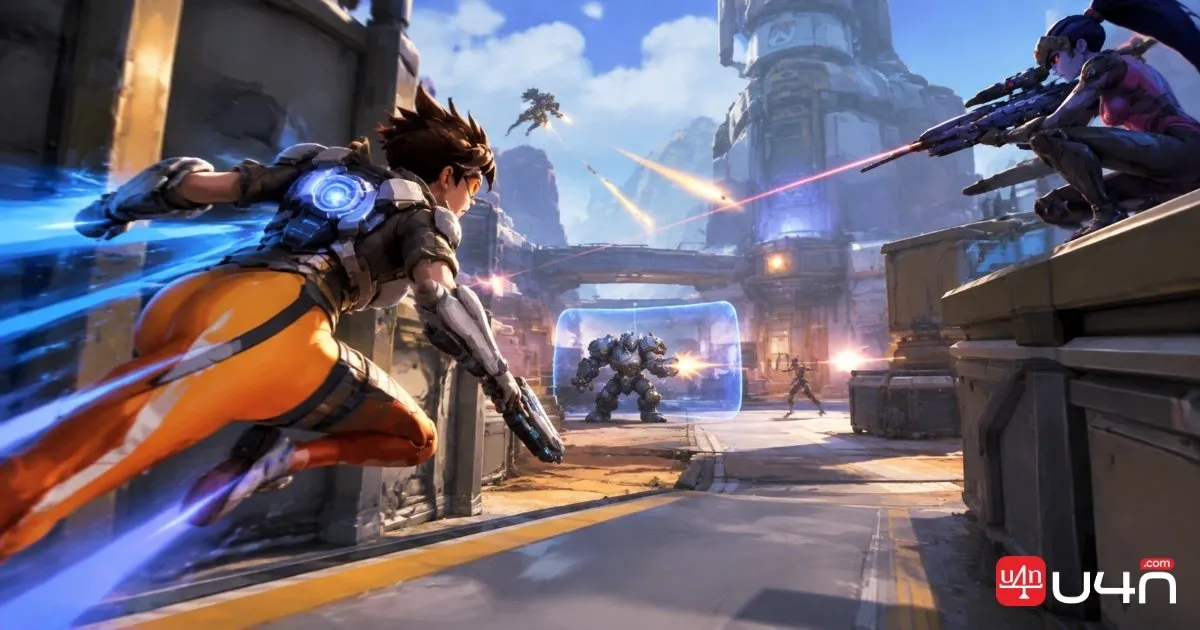
Tracer stands out for her ability to pressure opponents through flanking and mobility. We consider her especially effective at higher ranks, where players can make better use of timing, positioning, and target selection. Symmetra is praised for her defensive value on suitable maps, making her a more situational pick than a universally strong one.
Heroes Whose Value Depends on Execution
Genji illustrates how several changes can affect a hero in different ways. Damage on one attack, alongside a reduction in ultimate damage but a faster swing rate. The overall result makes Genji more viable and places him around A tier.
That assessment highlights an important point: balance changes should be evaluated as a complete package. A reduction to one number may be offset by improvements elsewhere, and the practical result depends on how the hero is played.
Widowmaker and Venture represent a different challenge. Widowmaker can struggle when a map lacks useful sightlines or high ground, while Venture faces competition from other flankers. In both cases, a hero's theoretical strengths matter less if the match does not provide the right opportunities.
| Hero | Main strength discussed | Important limitation |
|---|---|---|
| Cassidy | Reliable damage pressure | A specific team interaction was removed |
| Bastion | Strong damage output | Reduced turret duration |
| Tracer | Flanking and mobility | Requires strong execution |
| Symmetra | Defensive value on suitable maps | Map-dependent impact |
| Widowmaker | Long-range threat | Relies heavily on sightlines |
| Venture | Flanking potential | Competes with other mobile damage heroes |
The practical takeaway is to judge damage heroes by the situations they can consistently influence, rather than assuming every high-tier pick will work on every map.
Tank Heroes: Survivability and Matchup Control
Tank rankings commentary is shaped by survivability, pressure, team protection, and the ability to disrupt the opposing lineup.
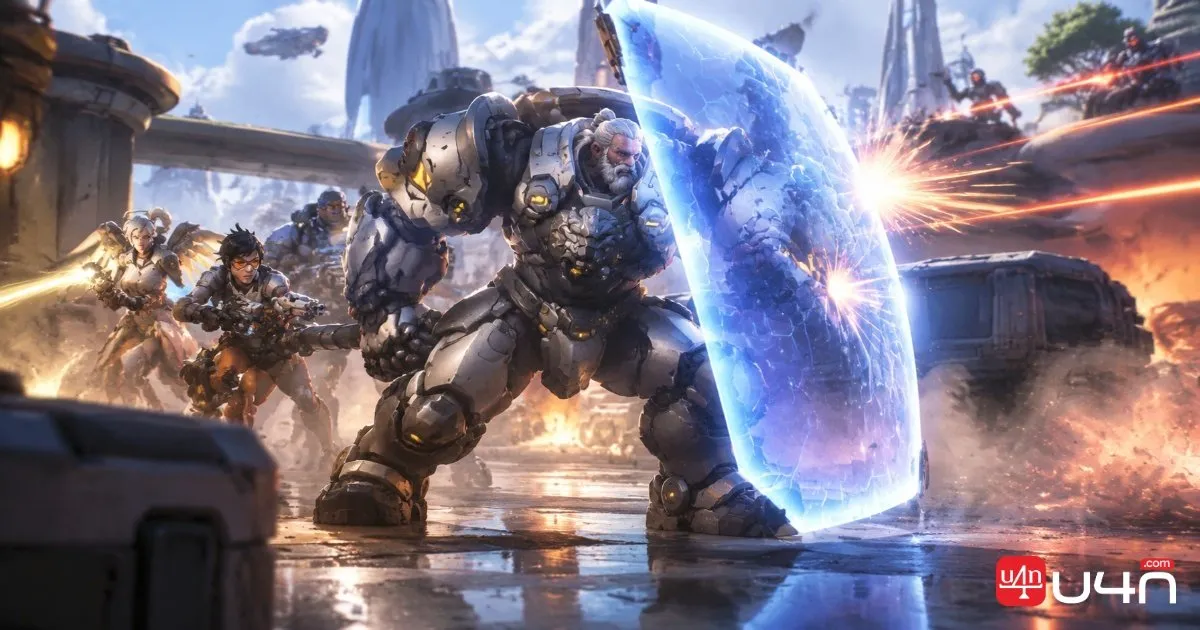
We consider D.Va one of the strongest tanks because she offers a broad set of tools and can contribute in several situations. We also discuss a recent adjustment to her damage and healing-related values, suggesting that balance changes may affect her placement. The important distinction is between having a versatile kit and remaining equally strong after every adjustment.
Orisa receives similarly high praise. We see her as a dependable choice with few hard counters and believe she can remain effective across a wide range of matchups. This is a strong personal assessment rather than proof that she is always the best tank, but it reflects the value of a character who does not need an unusually favorable situation to contribute.
Roadhog, Wrecking Ball, and Situational Picks
Roadhog is one of the more uncertain placements. His defensive ability makes him harder to eliminate, raising his potential value. However, the commentary also acknowledges that the prediction could prove wrong once players have more time to test the changes.
Wrecking Ball is another example of a hero whose perceived strength can rise through practical experience, even when the team does not recall a major recent adjustment. His ability to disrupt the enemy team can make him frustrating to face, but his value still depends on execution and how well the team follows up.
Doomfist and Winston are discussed more in terms of matchup control. We see Doomfist as a possible answer to particular enemy compositions and Winston as useful against vulnerable backline targets or opponents relying on elevated positions.
| Hero | Role | What to consider |
|---|---|---|
| D.Va | High-value, versatile tank | Reassess after balance changes |
| Orisa | Reliable across many situations | Consider the enemy composition |
| Roadhog | Potentially stronger after defensive changes | Wait for more practical evidence |
| Wrecking Ball | Disruptive and increasingly respected | Requires effective engagement timing |
| Doomfist | Situational counterpick | Matchup and execution matter |
| Winston | Useful against selected targets | Needs suitable opportunities to engage |
For tank players, our recommendation is to look beyond the tier label. A strong tank should not only survive but also create space, pressure important targets, and give teammates opportunities to act.
Support Heroes: Healing Is Only Part of the Job
Support rankings commentary places considerable weight on utility. Healing matters, but we repeatedly favor heroes who can also protect teammates, interrupt enemies, or create opportunities for eliminations.
Utility and Flexibility Matter
Kiriko receives particularly strong praise for her broad toolkit. We view her as a consistently valuable choice and discuss a health increase as another reason to reconsider her already strong position. Her appeal in this analysis comes from versatility rather than one isolated ability.
Ana also receives a positive assessment. Her sleep ability and potential to pressure difficult targets are important parts of our reasoning, particularly when discussing Roadhog. Brigitte is valued for her ability to contribute in close-range fights, while Zenyatta is praised for combining damage with useful team pressure.
Lucio's changes are also viewed favorably. We believe the improvements to his ultimate-related effects make an already useful support even more appealing, particularly at higher ranks. These examples reinforce the value of utility that can change the outcome of a team fight rather than simply increase healing numbers.
Why Some Supports Rank Lower
Weis is more critical of Moira because he believes her utility is limited compared with supports who offer stronger defensive or control tools. Baptiste is described as serviceable but less appealing when other support options provide more value. Lifeweaver receives a negative assessment based largely on we's experience with players who struggle to use the character effectively.
Illari is also criticized in commentary, particularly because we believe her turret can be dealt with too easily and that other options compete more effectively for the same role.
These opinions should be interpreted carefully. A low placement does not mean a hero is unusable, and a high placement does not guarantee success. Team composition, player familiarity, map design, and the enemy lineup can all change a support's practical value.
| Hero | Main value highlighted | Limitation or concern |
|---|---|---|
| Kiriko | Flexible toolkit and survivability | Ranking may shift with balance changes |
| Ana | Control and pressure against key targets | Effectiveness depends on ability timing |
| Brigitte | Close-range team-fight support | Benefits from a suitable team setup |
| Lucio | Team utility and ultimate value | We see greater strength at higher ranks |
| Zenyatta | Damage and team pressure | Requires careful positioning |
| Moira | Healing and damage output | We consider her utility comparatively limited |
| Illari | Damage and turret-based support | Turret effectiveness can depend on the map |
When choosing a support, our team recommends asking what the lineup actually needs. If the team lacks defensive utility or reliable control, a hero who provides those tools may be more useful than one who mainly adds healing.
Rank, Maps, and Matchups Can Change the Result
One of the most useful ideas in a tier list is that hero strength is not identical across all skill levels. Some characters are easier to use effectively in less coordinated games, while others gain value when players have better aim, positioning, timing, and teamwork.
Map design matters just as much. Widowmaker benefits from clear sightlines, while Symmetra may become more appealing in defensive situations on suitable maps. Winston can be a situational answer to exposed targets, and some tanks become more effective when their team can follow up on their engagements.
Counterpicks also need context. Selecting a hero because the opposing team has a particular character can be sensible, but a matchup advantage is not an automatic win. Players still need to understand the enemy's positioning, manage ability cooldowns, and coordinate with their team.
For these reasons, we treat the original placements as a snapshot of one player's assessment of Season 5 rather than a permanent ranking. A tier list is most useful when it helps us understand why a hero works, when that hero struggles, and what alternatives make sense in a specific match.
Summary
The original Season 5 tier list emphasizes versatile heroes, useful team abilities, and strong performance in high-ranked games. D.Va, Orisa, Tracer, and Kiriko receive particularly positive attention, while several other heroes are judged according to their map dependence, utility, or execution requirements. These placements reflect our perspective, not a universal ranking.
Our team recommends using tier lists as a starting point rather than a strict set of rules. Learn which heroes fit your preferred role, understand their favorable matchups, and adjust when the map or enemy composition calls for a different approach. If you are also considering whether to buy Overwatch 2 Accounts, make that decision separately from your hero choices; account decisions do not replace the practice and matchup knowledge needed to improve.
FAQ
Is this an official Overwatch Season 5 tier list?
No. It is based on our team's personal assessment, with a focus on high-ranked play. The placements should not be treated as official rankings or universal recommendations.
Why can a hero be strong in high ranks but weaker in lower ranks?
Some heroes depend more heavily on precise aim, positioning, ability timing, or coordination. Players who consistently use those skills can get more value from the same character.
Should we always pick an S-tier hero?
Not necessarily. Map design, team composition, player familiarity, and enemy counters can make a lower-ranked hero the better choice for a particular match.
How should we use balance changes when choosing a hero?
Look at the full effect of a change rather than focusing on one number. Consider whether the hero's damage, survivability, utility, or matchups have changed, then test the result in actual games before assuming the hero has moved up or down the tier list.