


Johan Camargo stole the spotlight in this WBC card showcase. Eddie Rosario supplied one of its most valuable swings, while Satoria turned otherwise confident hitters into frustrated guessers. Our team's review of the supplied gameplay points to three different kinds of strength: repeatable offensive production, a decisive matchup win, and a pitching weapon that disrupted the entire batting approach.
The session followed a no-money-spent squad across three online games. For readers planning how to allocate MLB The Show 26 Stubs, that setting makes the evaluation useful: which additions actually improved the lineup, and which looked more impressive before the first pitch? We have treated the footage as a limited test, keeping the recorded results separate from our own tactical interpretation.
Camargo finished as the clearest offensive winner. Rosario earned another look, Kondo delivered a timely contribution after a difficult start, and Satoria became the pitching matchup that demanded the most adjustment. Those are strong first impressions, although three games cannot establish a permanent ranking.
Which WBC Cards Actually Stood Out
The opening card inspection established expectations, but the games quickly changed the conversation. Camargo's switch-hitting profile attracted attention before play began. Once the action started, his repeated home runs gave that interest a much stronger foundation.
Rosario presented a more complicated case. The original commentary praised his swing while acknowledging that consistent results had not always followed. We recognize that tension from years of building lineups: liking a swing animation and producing with it are separate judgments.
Kondo arrived with positive memories from an earlier installment. Those memories explained the enthusiasm, but his difficult opening plate appearances showed why familiarity needs fresh testing.
| Card | Main attraction in the showcase | Strongest evidence from the session | Our initial assessment |
|---|---|---|---|
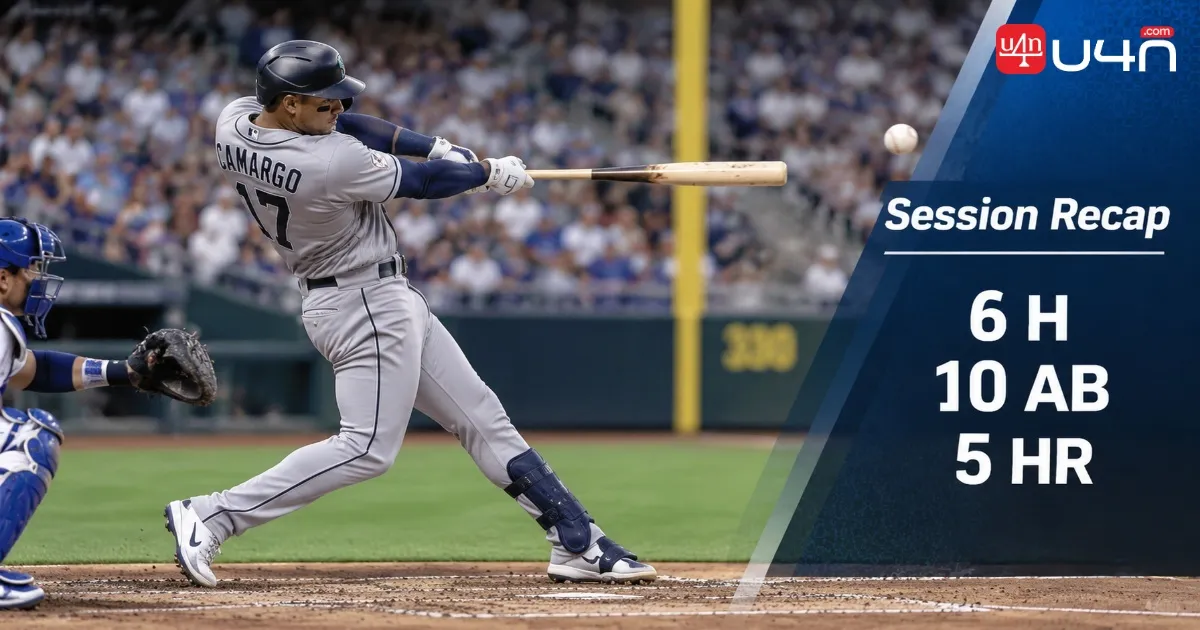
| Johan Camargo | Switch-hitting profile and immediate offensive impact | The closing recap credited him with six hits in ten at-bats, including five home runs | First hitter, we would retain |
| Eddie Rosario | A familiar swing with promising power | A significant home run against a left-handed pitcher | Worth a longer matchup test |
| Kondo | Previous success and comfortable expectations | A timely hit after several unsuccessful appearances | Keep evaluating before committing |
| Satoria | A changeup that repeatedly disrupted timing | Extended stretches of uncomfortable swings and weak contact | Most demanding pitching matchup shown |
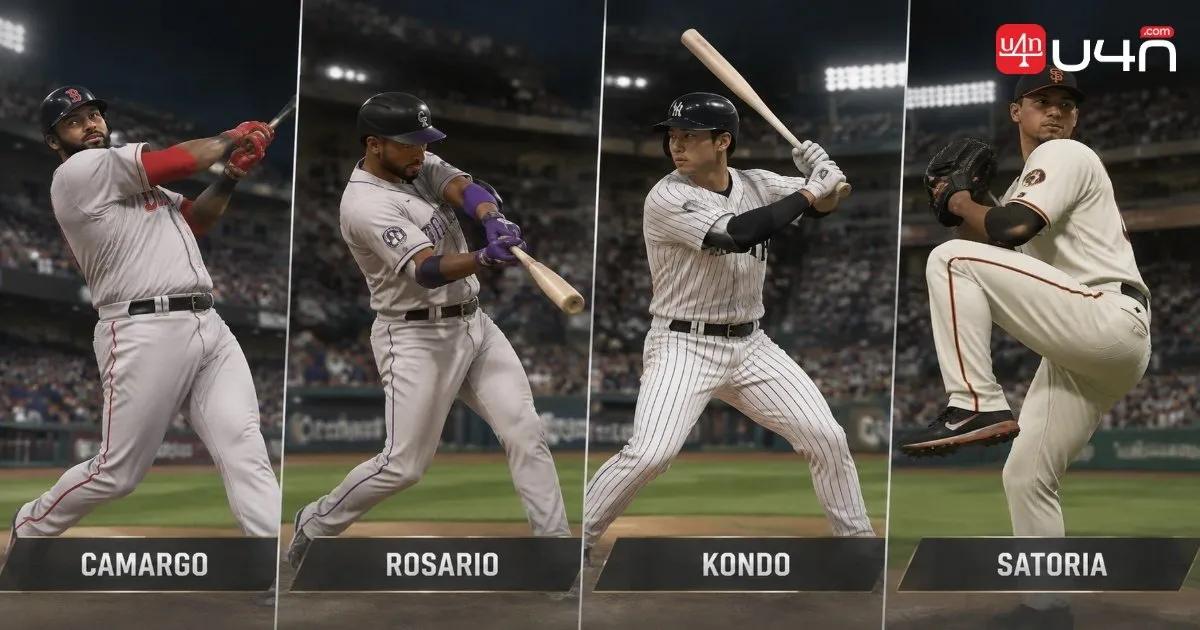
These assessments reflect different amounts of evidence. Camargo supplied repeated production. Rosario supplied one especially persuasive moment. Kondo supplied a reason to continue testing. Satoria supplied a problem that kept returning.
That distinction helps keep a showcase useful. Four memorable cards do not automatically deserve four identical recommendations.
Why Camargo Became the Offensive Centerpiece
Camargo's strongest argument was repetition. He did damage in the opening game, remained dangerous in the shortened second matchup, and continued contributing during the final offensive outburst. His performance survived changes in game situation rather than resting on one early highlight.
The first-game recap credited him with three home runs. By the closing review, his total had reached five. Within this session, that made him the obvious answer whenever the lineup needed another threatening plate appearance.
We also noticed how the commentary changed around him. Other hitters prompted questions about timing, weak contact, or missed opportunities. Camargo repeatedly prompted confidence in the swing itself. That is useful qualitative evidence, even though it does not replace a larger statistical sample.
Switch-hitting value under pressure
His switch-hitting profile added another reason to keep him involved. When planning a batting order, we value flexibility because it reduces the number of uncomfortable decisions created by pitching changes.
His work against Satoria was more revealing. While much of the lineup struggled to establish timing, Camargo continued to produce threatening contact. That made his success relevant to the toughest matchup in the session.
For the next test, we would place him among the hitters receiving the most plate appearances. We would then track strikeouts, chase decisions, and contact quality alongside home runs. A productive swing becomes much easier to trust when it also supports good decisions after the opponent stops offering obvious mistakes.
Rosario and Kondo Needed Different Evaluations
Rosario's home run against a left-handed pitcher was one of the most informative swings in the footage. It arrived in a meaningful situation and helped extend the lead. For a hitter whose overall performance drew mixed reactions, that contribution deserved attention.
It also needed context. One same-side home run shows that Rosario could punish that particular pitch. It does not establish that he should automatically start against every left-hander.
Our next step would be to examine the plate appearances surrounding the highlight. Did he recognize pitches well? Was the PCI consistently near the ball? Did unsuccessful swings come from poor selection, late timing, or a location the hitter simply failed to cover? Those questions offer more guidance than replaying the home run alone.
A timely hit kept Kondo in the discussion
Kondo's session followed a different pattern. Early opportunities ended in disappointing contact, and the enthusiasm carried over from a previous game did not immediately translate into production. Later, he delivered an important hit that helped the offense recover.
We would preserve both parts of that evaluation. Removing the early struggles would exaggerate his performance. Ignoring the later contribution would erase a useful piece of evidence.
Kondo therefore belongs in the continued-testing group. A lower-pressure lineup position could provide more opportunities to evaluate pitch recognition without making every unsuccessful plate appearance feel decisive. We would still expect his underlying contact to improve before moving him into a central offensive role.
Sato remained even less settled. The opening commentary dismissed the card relative to the alternatives, but the session did not develop that judgment through comparable playing time. We would leave him unranked rather than convert an initial preference into a performance verdict.
Satoria Made Timing the Real Matchup
Satoria dominated the discussion because his changeup repeatedly disturbed the hitter's internal clock. The commentary moved through frustration, attempts to adjust, and renewed complaints as the same problem returned.
Our reading is that the matchup exposed an approach built around faster pitching. A hitter waiting for velocity can recognize a slower offering and still struggle to keep the swing organized long enough to attack it. That hesitation becomes especially costly when the PCI moves before the hitter has committed to a location.
Contained complaints about the PCI becoming smaller. We would treat those as reactions from the session. Without controlled testing or a verified explanation of the relevant mechanics, they do not establish that Satoria's changeup uniquely causes that effect.
Build a plan around a location
Our preferred adjustment would begin before the pitch. Choose a portion of the zone where a slower offering can be attacked, then allow the ball to reach that area. Waiting longer works best when the hitter knows what they are waiting for.
Trying to cover every speed and every location creates a much harder decision. The session repeatedly showed how quickly uncertainty could produce uncomfortable contact.
We would use three practical rules:
- Look for one speed and a manageable part of the zone early in the count.
- Let an awkward strike pass when it falls outside that plan.
- With two strikes, shorten the decision and prioritize covering the plate.
The live commentary also suggested attacking earlier and accepting ground-ball contact. That can describe a situational adjustment, especially when repeated attempts to lift the ball are failing. We would avoid turning it into a universal instruction to swing early. An early swing at the wrong location can remain an easy out.
Satoria's value in this footage came from forcing those decisions. The opponent had to think about him before the pitch, during the delivery, and after every uncomfortable result.
What the Three Games Revealed
The opening game offered the most useful contrast between expectations and performance. Several swings looked promising but produced outs. Camargo continued to do damage, Rosario supplied his major home run, and Satoria prevented the offense from feeling settled.
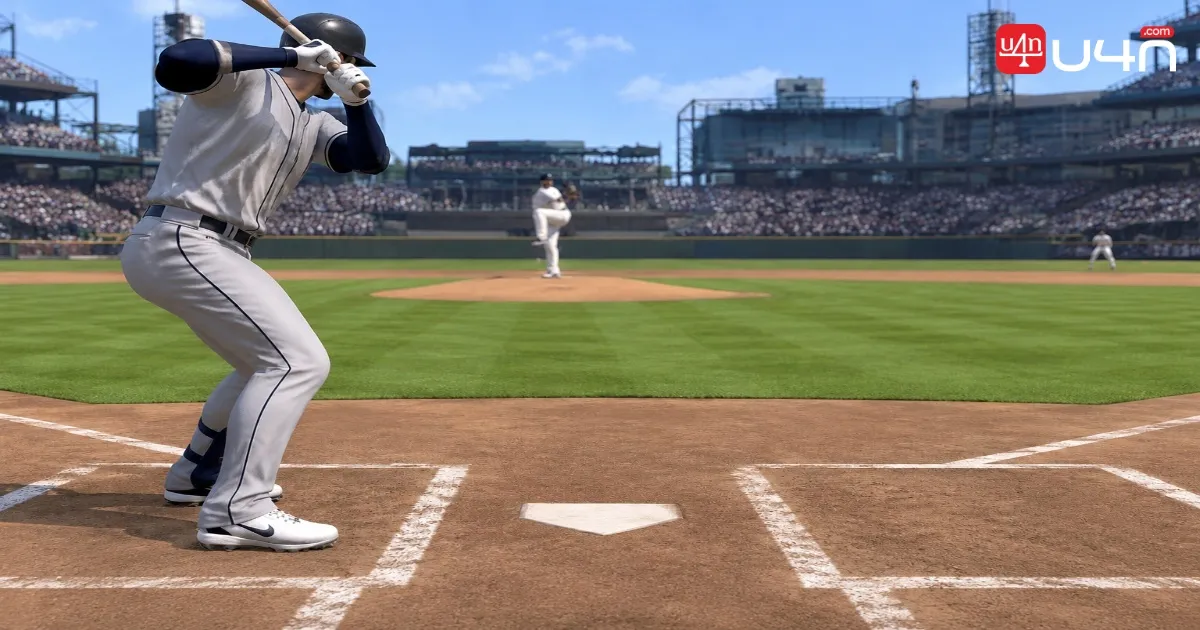
We would review those plate appearances in two passes. First, assess the decision and contact. Then assess the outcome. A well-chosen pitch driven directly at a defender deserves a different response from a chased pitch that happens to fall safely.
That distinction matters when evaluating cards. If every out becomes evidence against the hitter, lineup changes become reactions to luck. If every hit becomes proof of quality, weak contact can hide a deteriorating approach.
The second game ended after the opponent departed, limiting its value as a complete matchup. It still provided another useful Camargo highlight. It offered less evidence about later adjustments, bullpen decisions, or how either side would respond after seeing the same hitter several times.
The final game expanded the offensive picture. Kondo contributed, established hitters continued producing, and the squad repeatedly answered opposing runs. The session ended with a reported 16-6 mercy-rule victory.
That result showed the lineup's ability to sustain pressure. It did not isolate how much of the scoring came from the featured WBC cards. Hank Aaron and other established hitters were also involved, so we would keep team production separate from individual card evaluation.
The most persuasive finding remained Camargo's repeated contribution across the session. The larger score made the ending entertaining; his consistency made the card review useful.
How We Would Refine the Lineup
Our next lineup would begin with Camargo receiving regular opportunities near the front or middle of the order. He earned that position through the session's strongest combination of results and apparent comfort.
Rosario would stay available for further testing against both pitcher handedness groups. We would resist making him a permanent matchup specialist after one memorable swing. Kondo would receive another stretch of appearances, with a closer eye on whether his timing became more stable.
| Lineup decision | What we would do next | What would justify keeping it |
|---|---|---|
| Camargo's batting position | Give him frequent appearances in a productive lineup spot | Continued quality contact after opponents adjust |
| Rosario's role | Test a broader mix of left- and right-handed pitching | Competitive plate appearances beyond the standout home run |
| Kondo's role | Continue using him while tracking unsuccessful contact | Better timing and fewer easily retired balls |
| Satoria's pitching usage | Record which sequences create the most difficulty | Repeatable deception against hitters who expect the changeup |
The bullpen needed a separate review. Whether the selected Martínez card had Outlier, while also admitting uncertainty about an earlier version. We would inspect the exact card before making a selection around that memory.
We would also avoid treating a velocity change as an emotional response. Bringing in a harder thrower can create a useful contrast after slower pitching, but the choice should reflect what the opponent has shown. A hitter already preparing for a fastball may welcome the change.
A simple session log would help: pitcher faced, handedness, location, swing decision, and result. Even brief notes can reveal whether a card struggles with a specific pitch or whether the user keeps repeating the same mistake.
Which Cards Earned Another Start?
Camargo earned the strongest endorsement available from this sample. His reported six-for-ten finish with five home runs was exceptional, and the footage repeatedly returned to him as the hitter most capable of making difficult pitching look manageable.
Rosario earned more opportunities through a high-value home run. Kondo earned a continued trial through a timely recovery. Satoria earned preparation: any future game against him would begin with a deliberate plan for slower pitching.
For roster research, a query such as buy MLB The Show 26 Accounts leaves the most useful competitive question unanswered: can the available cards turn difficult pitches into productive plate appearances? This session offered a practical answer through Camargo's repeated success.
Our next test would keep him in the lineup and examine what happens when opponents stop challenging him the same way. We would give Rosario and Kondo enough appearances to separate isolated moments from reliable production.
Against Satoria, we would begin with a smaller target area and a clear speed expectation. Camargo would be the first hitter we trusted to turn that plan into another run.