Cart Empty
Continue ShoppingTransforming a patch of dirt into a thriving, productive garden is one of the most rewarding projects you can undertake. Whether you are trying to grow your own food for the first time or looking to maximize your yield like a seasoned professional, this guide explains the essential steps to gardening success.
If you are just starting out, keeping things simple prevents overwhelm. Focus on getting the fundamentals right before scaling up.
Most edible plants and flowering annuals require 6 to 8 hours of direct sunlight daily. Observe your yard throughout the day to map out where the sun hits longest. Ensure your chosen spot has easy access to a water source—if watering feels like a chore, the garden will suffer.
Select the style that best fits your space, budget, and physical comfort.
| Bed Type | Best For | Pros | Cons |
|---|---|---|---|
| In-Ground | Large yards, traditional farming | Lowest initial cost, holds moisture well | Harder on the back, weeds spread easily |
| Raised Beds | Poor native soil, urban spaces | Excellent drainage, fewer weeds, easier access | Higher setup cost, dries out faster |
| Containers | Balconies, patios, small rentals | Maximum mobility, total soil control | Requires frequent watering, limited root space |
Professionals know that you don't grow plants; you grow soil. If your soil lacks structure and nutrients, your plants will struggle regardless of how much you water them.
Before planting, determine your soil type: sandy (drains too fast), clay (dense and waterlogged), or loam (the ideal mix).
To get the most out of your garden, choose plants that match your experience level and regional climate.
These varieties grow quickly, tolerate minor mistakes, and offer high yields:
These require precise environmental control, pruning, or long-term commitment:
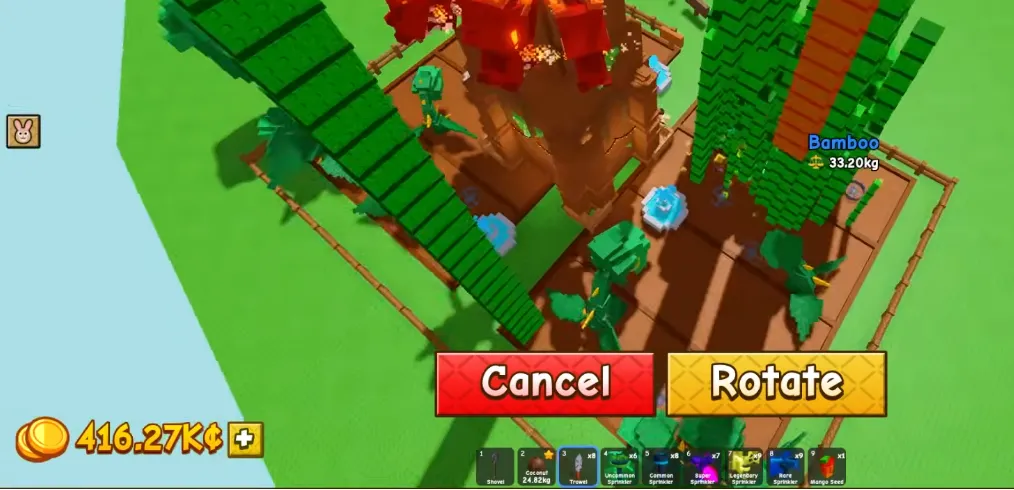
Ready to take your garden to the next level? Whether you are starting easy with quick-growing radishes or tackling advanced heirloom crops, having the right gear and helper companions makes all the difference. Explore our shop today to buy Grow A Garden 2 Items & Pets, ensuring you have the premium tools, specialized supplies, and helpful garden sidekicks needed to maximize your yields and streamline your success.
Moving from a hobbyist to a pro means replacing guesswork with deliberate systems.
Overwatering kills more plants than underwatering.
Pro gardeners arrange plants so they mutually benefit each other, maximizing space and naturally repelling pests.
[Tomato] + [Basil] ------> Basil repels thrips and improves tomato flavor.
[Corn] + [Beans] --------> Beans climb the corn stalks and fix nitrogen in the soil.
[Carrots] + [Chives] ----> Chives deter carrot rust flies.
[Brassicas] + [Marigolds]> Marigolds deter cabbage moths and harmful nematodes.
Instead of spraying harsh chemicals at the first sign of a bug, professionals use a multi-tiered approach:
Keep your garden productive year-round by staying ahead of the seasons.
The U4N Editorial Team is made up of dedicated gamers and technical experts. We're not just a trusted marketplace for game assets—we're all about empowering players with top-tier, expert-driven content. Our team produces in-depth guides, strategies, and technical fixes for some of the biggest games out there, like MLB The Show 26, Aion 2, Forza Horizon 6, Arc Raiders, and Path of Exile.
Whether it's mastering market flipping in Diamond Dynasty or optimizing your endgame builds, all of our strategies are tested and proven by in-house experts. At U4N, we don't just follow the meta—we help you stay ahead of it.