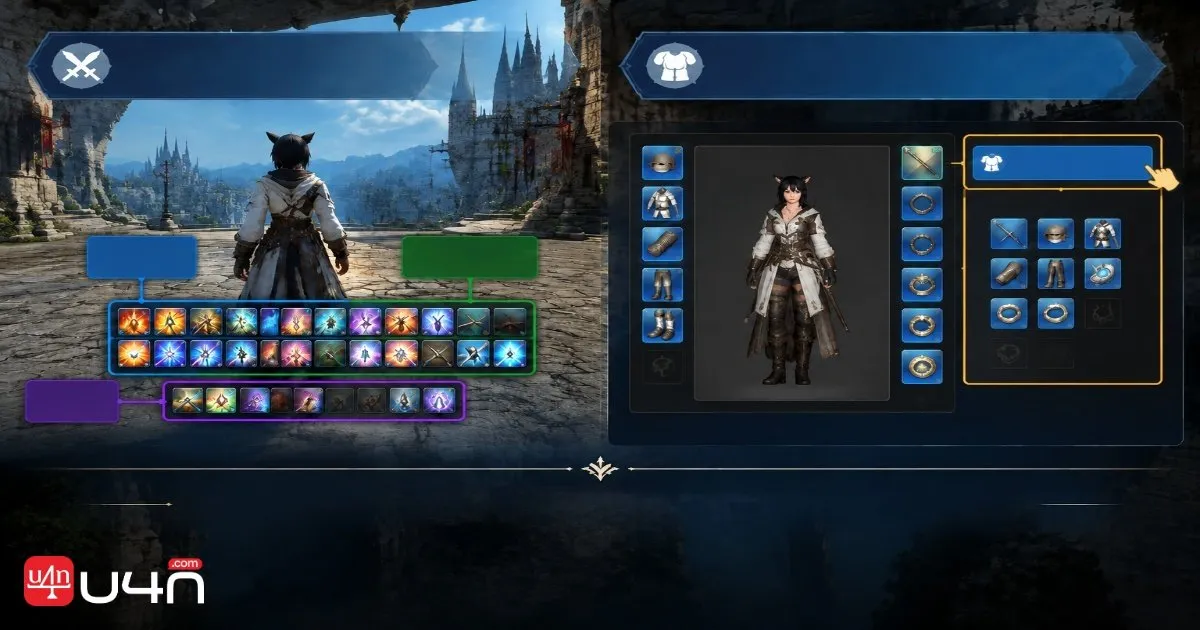
Final Fantasy XIV feels much more manageable when we stop treating every menu as homework. Our team's approach is simple: follow the story, learn one role, and explore the extra systems when they become useful.
This guide focuses on those first decisions and early habits. We'll cover character creation, quest priorities, combat, equipment, and sensible spending of FFXIV Gil—without turning your opening sessions into a race toward endgame.
Choose Your Character Without Overthinking It
We recommend choosing a character you enjoy looking at rather than chasing tiny starting-stat differences. For your initial class, think about the responsibility that sounds appealing: protecting the group, restoring health, or dealing damage.
| Starting class | Role | Our take |
|---|---|---|
| Gladiator | Tank | A familiar sword-and-shield starting point |
| Marauder | Tank | A good fit if a large axe sounds more appealing |
| Conjurer | Healer | Our suggested starting point for players interested in healing |
| Arcanist | Magical ranged DPS | Our suggested starting point for players who prefer spellcasting |
| Archer | Physical ranged DPS | Worth considering if you prefer ranged attacks without regular spellcasting |
Your opening choice does not have to define the whole character. Additional classes become available through their unlock quests after the relevant early progression. We would experiment before creating another character just to try a different role.
The other important decision is where to play. If friends are already established, ask for their region, Data Center, and Home World before character creation. We would prioritize playing together over chasing a temporary leveling incentive.

Give Your Quest Log a Clear Priority
We would rather see a new player understand three quest categories than clear every marker in a starting city.
| Quest category | Our recommended approach |
|---|---|
| Main Scenario Quests | Use these as the backbone of your journey |
| Class and job quests | Check regularly and complete them when available |
| Feature-unlock quests | Read the description and pursue useful unlocks |
| Ordinary side quests | Choose them for local stories, exploration, or a change of pace |
The mistake to avoid is using character level as your only progress meter. When a feature remains unavailable, check its quest requirements instead of assuming that more experience will solve it.
Our preferred rhythm is straightforward: advance the story, check your class or job quest, then explore an optional unlock if it interests you. A tidy quest log is helpful; an empty map is not a requirement.
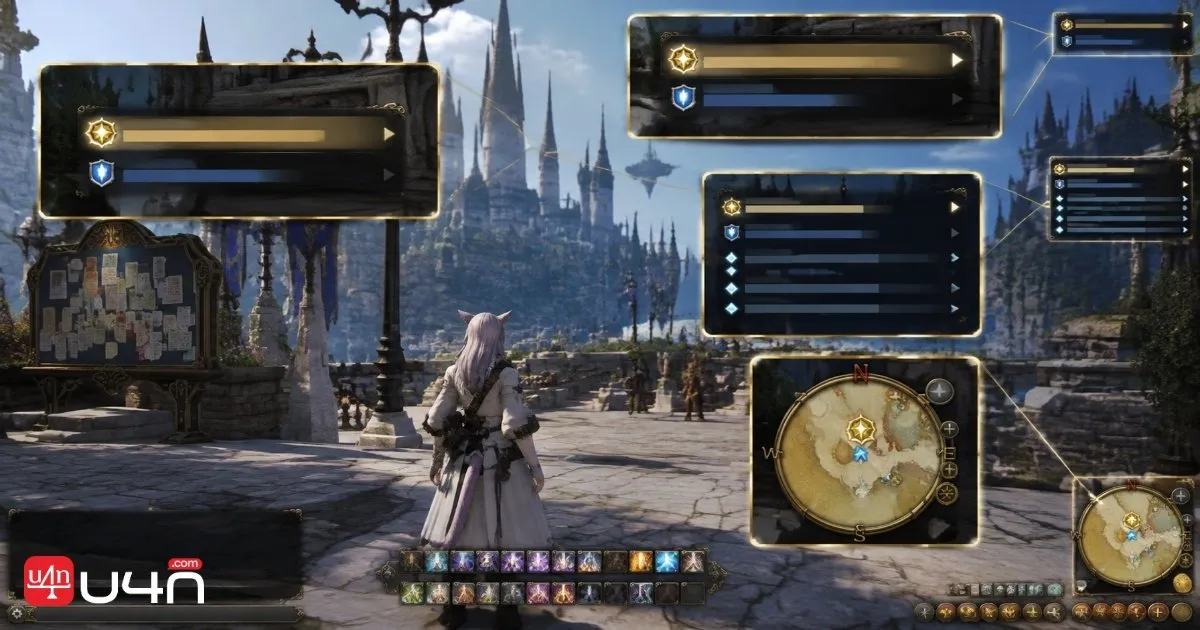
Build Comfortable Controls Before Chasing Performance
We recommend adjusting only what currently feels awkward. A complete interface overhaul can wait.
Start with these priorities:
- Reach your frequent actions comfortably. Avoid placing your main attacks somewhere that requires an awkward stretch.
- Keep important information visible. Your character, target, party list, and status effects should not compete for the same space.
- Read each new action. Check its purpose before adding it to your usual sequence.
- Practice movement and targeting. Comfort here matters more than copying an advanced player's layout.
For early group content, our advice is equally modest: understand your role, stay aware of the group, and say when you are new. We favor steady execution over frantic button pressing.
Use the Hall of the Novice as a structured introduction to party play. Treat it as practice, not an exam.
Keep Gear and Inventory Manageable
Equipment management should support your adventure, not interrupt it every few minutes.
We recommend checking Recommended Gear after receiving equipment, then reviewing what changed. Sort your inventory periodically instead of waiting until it becomes difficult to navigate.
Dungeon loot also deserves a quick look. Learn the difference between Need, Greed, and Pass, and check an item before assuming it is useful for your current setup.
Our early-session checklist is deliberately short:
- Check for an available class or job quest.
- Review new equipment.
- Clear obvious inventory clutter.
- Read any unfamiliar action.
- Continue the story or your next chosen activity.
We would leave detailed crafting economics and long-term equipment planning for a separate session. Explore crafting or gathering if it looks fun, but there is no need to turn an optional interest into another obligation.
Summary: Learn What You Need Next
Our recommended route is simple: choose a role that interests you, follow the story, keep up with class and job quests, and build comfortable controls. Add new systems gradually rather than trying to understand the entire game before enjoying it.
We would also keep early spending conservative. If searches for "buy FFXIV Gil" brought you here, our beginner recommendation is to focus on learning the game and managing the currency you earn through play. There is no reason to make shopping the centerpiece of your first adventure.
FAQ
Which starting class should we choose?
We recommend starting with the role you actually want to play. Marauder suits players interested in tanking, Conjurer is our starting suggestion for healing, and Arcanist is our pick for players who prefer a magical damage role. These are preferences, not a ranking of every class.
Should we complete every side quest?
We would not treat that as a requirement. Follow the main story, check class and job quests, and choose optional quests when their story or unlock interests you.
How much should we change the interface immediately?
Only enough to make movement, targeting, and frequent actions comfortable. We recommend revisiting the layout once you know which information you actually use.
Should we rush through the opening story?
Our recommendation is no. Give yourself room to understand the characters and setting, but take breaks or explore optional activities when the pace stops being enjoyable.