


A high kill count feels great, but it won't always save a round. We've all seen a 4v1 fall apart because teammates peeked one at a time, chased a kill, or stopped communicating. Across Valorant Accounts at every rank, the same lesson applies: good game sense turns individual opportunities into team wins.
For our team, game sense isn't about predicting every move perfectly. It's about using the information you have, making a clear plan, and adjusting when that plan stops working. Here are four areas we'd focus on first.
Keep Your Mental and Communication Simple
Tilt can turn a manageable game into a string of rushed decisions. If you're frustrated after a rough loss, take a break before queuing again. There's no magic reset timer—what matters is returning when you can focus on the next round rather than the last one.
Keep calls short and useful: where, how many, and what they're doing. "Two A Main, one tagged" gives your team more to work with than a long explanation while they're fighting.
If a teammate is toxic, mute them rather than getting pulled into an argument. You can still use pings and in-game communication to share information;
Make a Plan Before the Barrier Drops
We like to use the buy phase to answer one question: What are we trying to accomplish first?
On attack, that might mean asking a teammate to wait for recon before peeking. On defense, it could mean deciding whether you'll contest an entrance, fall back, or play for a retake. A simple plan is easier to follow than a complicated one nobody agreed to.
When you have a numbers advantage, don't give it away through unnecessary solo fights. In a 4v1, check the clock and objective, communicate the likely threat, and stay close enough to trade if a teammate makes contact. You don't always need to hunt the last opponent.
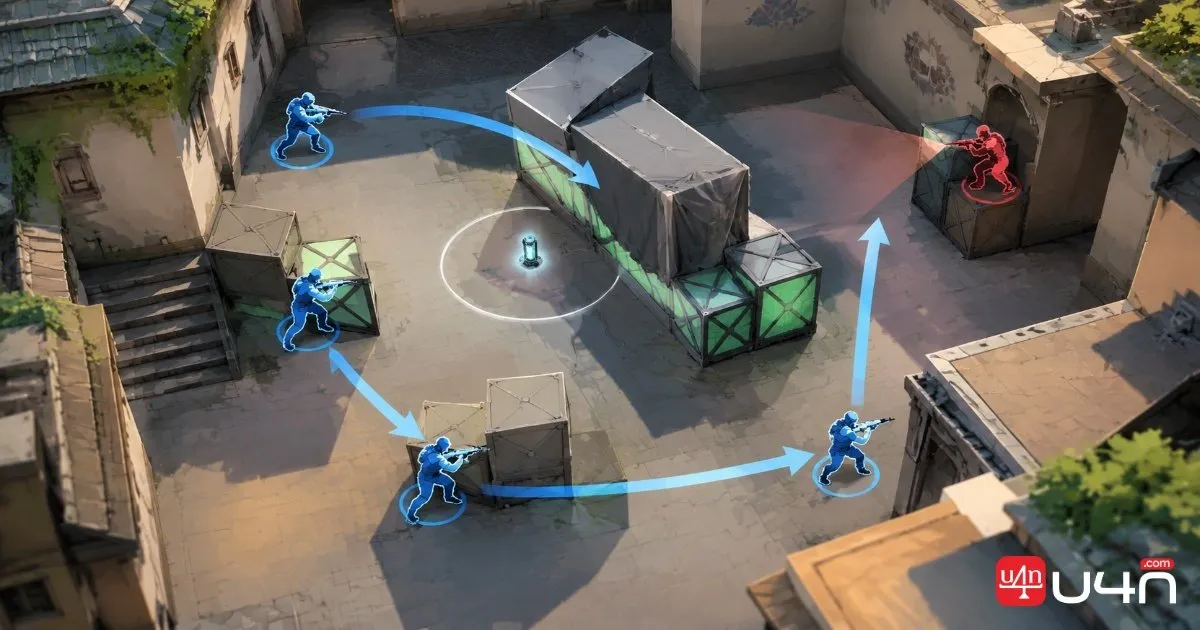
A low-health teammate can sometimes take first contact while a healthier player follows for the trade, but it isn't an automatic rule. Positioning, weapons, utility, and the round objective all matter.
Time Your Pushes and Rotations
Enter Together, Not All at Once
A site hit often fails when the first player commits, and everyone else hesitates at the choke. If your entry player is going in, be ready to support with utility or follow at a distance where you can trade.
That doesn't mean blindly running through every smoke or damaging ability. Ask whether your team can push together, how much damage you might take, and whether the enemy is ready to punish the choke. Sometimes waiting or changing the hit is the better call.
There's no fixed entry order that works for every comNo fixed entry order works knows who creates space, who supports, and who follows.
Rotate on Information, Not Panic
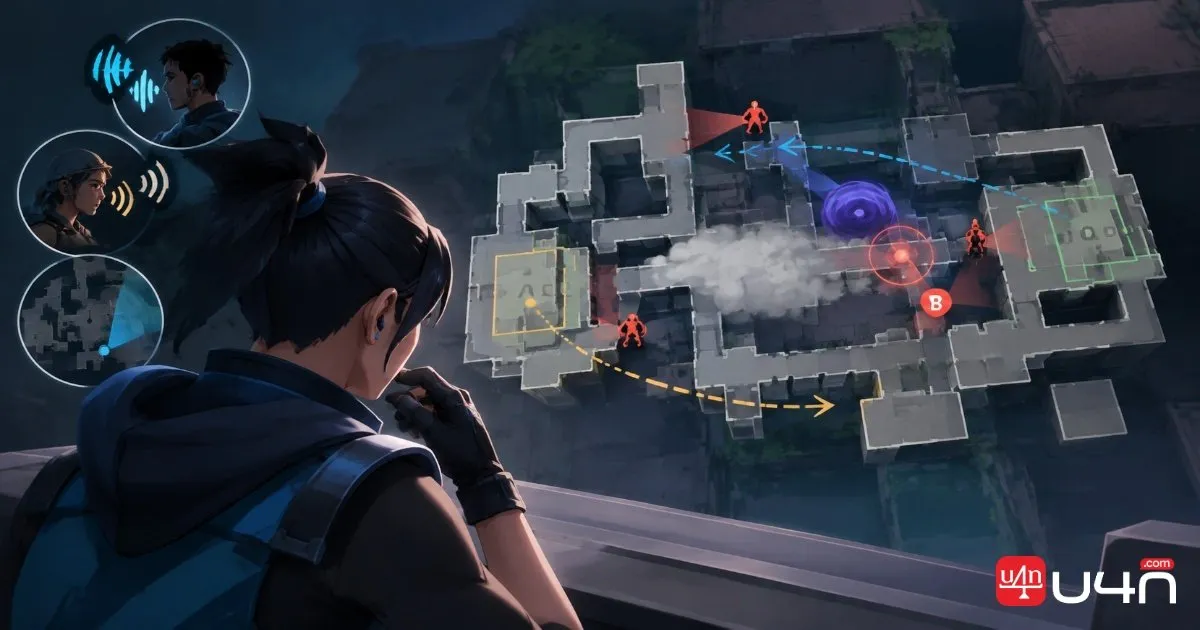
A burst of utility can signal a full push—or just an attempt to pull defenders away. Before rotating, check the minimap, listen to your teammates, and consider what the enemy has done in previous rounds.
| Situation | Our suggested response |
|---|---|
| Enemies are confirmed entering and teammates need help | Rotate quickly, but clear your route |
| You hear utility without a confirmed push | Gather more information before fully committing |
| Your site is quiet, but no one is watching it | Consider holding until a teammate or ability covers it |
| The enemy has taken the site you left | Group up and plan a retake rather than walking back alone |
A fast rotation can save a round. An unsupported rotation can also hand the enemy an empty site. The key is knowing what your team is giving up when you move.
Buy as a Team and Use Your Utility
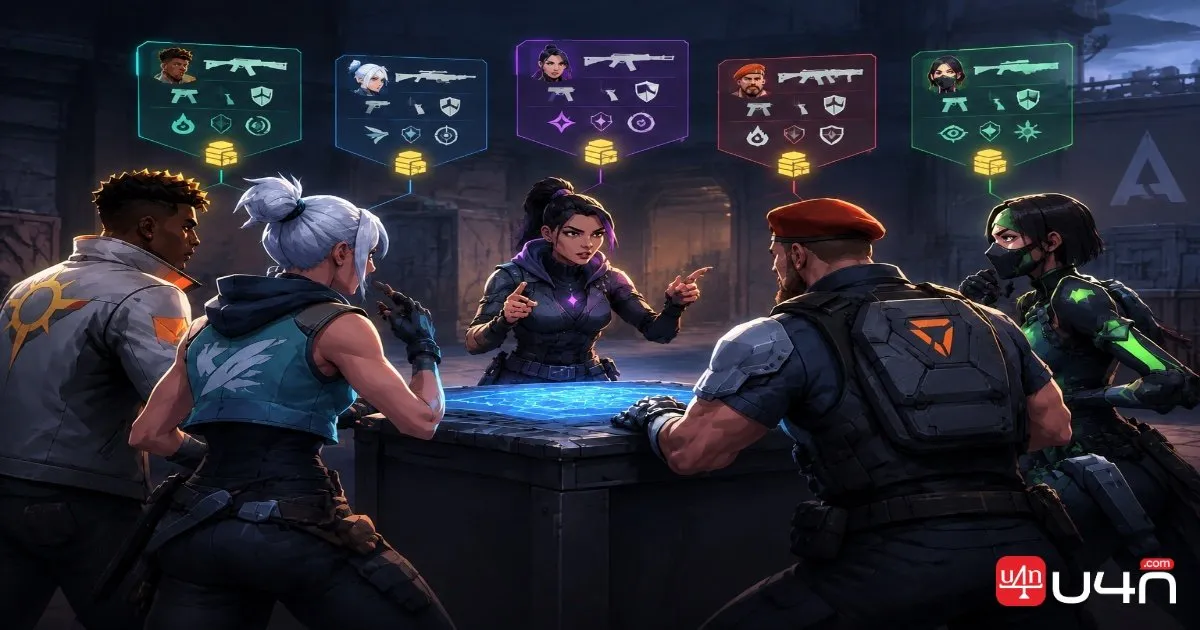
A good buy is one that fits the team's plan—not just the strongest weapon you can afford individually.
| Buy decision | When to consider it | Main risk |
|---|---|---|
| Full buy | Most teammates can afford useful weapons and utility | A poorly coordinated buy can leave one player unable to support |
| Force buy | Your team agrees to contest an important round immediately | Losing can weaken your next buy |
| Eco | Your team wants to preserve credits for a stronger future round | You may face a significant equipment disadvantage |
| Bonus | Players carry surviving weapons into the next round | Stronger enemy equipment can punish isolated fights |
After winning pistol, discuss upgrades rather than assuming everyone will buy the same thing. After losing it, decide together whether to force or save; neither choice is correct in every match.
The same principle applies to ultimates. Don't hold one indefinitely while waiting for a perfect highlight, but don't spend it without a purpose either. Ask whether it can help your team take space, defend a site, secure a plant, or start a retake.
Summary
Better game sense starts with repeatable habits: communicate clearly, plan before the round, support your teammates, and make rotations and purchases with a reason behind them. After a loss, we'd review one decision we could change rather than blaming the entire match on aim.
If you're tempted to buy Valorant Accounts for a different rank or starting point, we'd stick with your own account instead.
FAQ
What is game sense in VALORANT?
It's the ability to use available information—such as teammate positions, enemy utility, the clock, and the economy—to choose an effective action.
How do we stop throwing numbers-advantage rounds?
Avoid unnecessary isolated fights, communicate what you know, and position so teammates can trade. Let the objective and remaining time guide whether you need to take a fight at all.
Should we always rotate when we hear enemy utility?
No. Utility is a clue, not proof of a full commitment. Combine sound with teammate calls, minimap information, and the enemy's earlier patterns.
Should we force buy after losing pistol?
Only if your team agrees the immediate opportunity is worth the economic risk. Saving for a coordinated buy later can also be the better choice.