Cart Empty
Continue ShoppingThe launch of NCSoft's Aion 2 has completely transformed how modern MMORPG economies function. Operating on Unreal Engine 5 with a massive, flight-heavy seamless world, the game utilizes a tightly integrated, dual-currency economic model designed to control inflation while maximizing player interaction.
To thrive in this environment, players must move away from old MMO habits. Success requires mastering specific mechanics, understanding market timing, and managing resources efficiently. These ten strategic principles define the Aion 2 economy and trading system.
The foundation of the Aion 2 economy rests on two strictly separated currencies. You cannot buy PvP power directly with gold, nor can you easily fund your crafting hobby entirely through PvP.
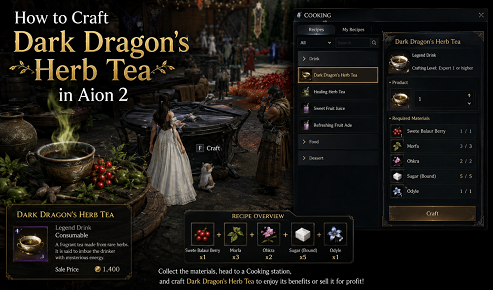
Unlike traditional MMORPGs where the best PvE gear drops exclusively from raid bosses, Aion 2 positions Crafting as the source for Best-in-Slot (BiS) PvE equipment.
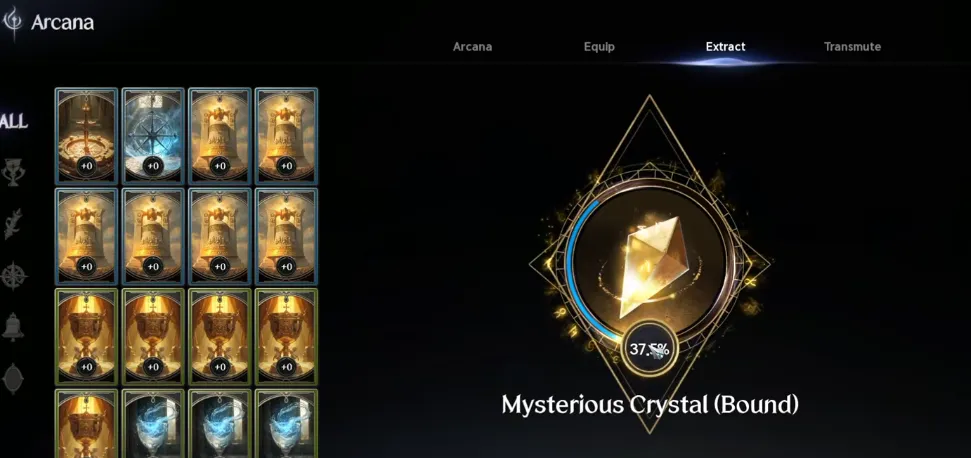
Gear progression can heavily drain your Kinah reserves. However, Aion 2 features a forgiving extraction system that prevents players from losing their initial investments.
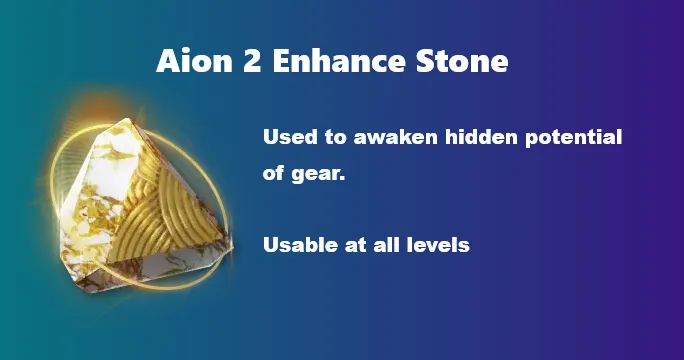
The Secret: If you outgrow a piece of gear, extracting it refunds 100% of the enhancement stones used to upgrade it.
Furthermore, upgrading gear has a 100% success rate up to +10. Past +10, failures can occur, but items do not break or lose levels; instead, every failure boosts your success chance for the next attempt.
Dungeon gear drops are fundamentally "Bound on Pickup" to prevent the market from being flooded by elite gear sold by high-end raiding guilds. However, there is a built-in economic loophole:
| Drop Type | Trade Status | Best Practice |
|---|---|---|
| Raw Dungeon Drops | Tradable within the instance party | Sell or distribute to group members before leaving the dungeon. |
| Crafting Materials | Fully tradable on the open market | List immediately on the Broker during peak server hours. |
Aion 2 rewards creative players through its character customization sharing framework.
When creating a unique character model, players can upload their design to an official online gallery. If another player downloads that design, the creator earns a 10% royalty paid in premium currency. Skilled character designers can effectively fund their cosmetic desires entirely through customization downloads.
The Broker marketplace experiences sharp, predictable price fluctuations driven by server reset schedules and patch cycles. Smart traders track these patterns to maximize margins.
[Server Reset / Patch Day] ──> Supply Spikes (Players dump rewards) ──> Prices Drop (Buy Low)
[Mid-Week / Territory Wars] ──> Demand Spikes (Consumables needed) ──> Prices Surge (Sell High)
Prices for enhancement stones, high-tier potion ingredients, and rare gathering nodes spike immediately following major updates and on weekend territory war days.
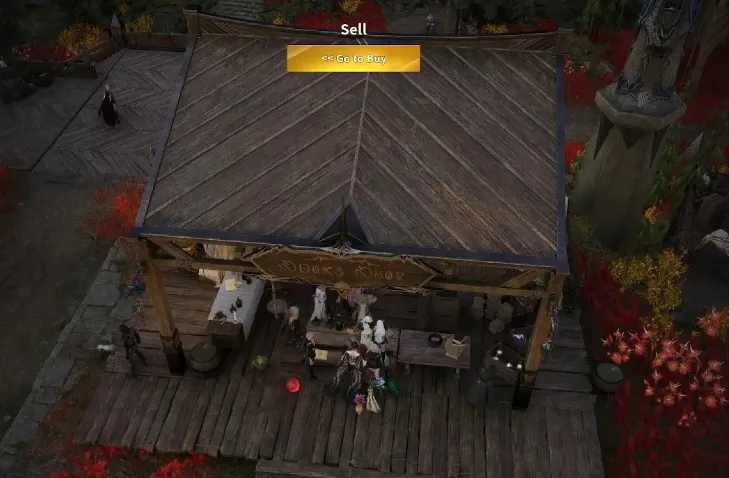
While the Centralized Broker (Auction House) is the safest method for selling goods to the wider server population, it incurs a standard transaction fee. For high-ticket items like rare crafting components or masterwork weapons, players rely heavily on direct Player-to-Player trading.
Using the secure trade window requires both players to be in the same physical location, making major cities hubs for high-value negotiations that bypass Broker fees entirely.
A common economic pitfall for new players is hoarding low-to-mid tier materials "just in case." In Aion 2, server progression moves rapidly. Low-tier gathering resources drop sharply in value within the first few weeks of a server's lifecycle as the player base matures.
The most efficient strategy is to sell materials immediately during the early game to build a solid foundation of liquid Kinah, which can then be reinvested into gear benchmarks.
Purchasing elite PvP gear requires a significant investment of Abyss Points. To mitigate the risk of buying the wrong piece or shifting build strategies as balance patches roll out, NCSoft implemented a generous return policy. Extracting PvP gear refunds 80% of its original Abyss Point cost, allowing players to re-spec their competitive builds without facing an insurmountable grind.
Gathering is not a passive solo activity in Aion 2. Because the game features full freedom of flight as a core combat mechanic rather than just travel, high-tier gathering nodes located in the Abyss are highly contested.
The rarest resources are guarded by powerful PvE mobs and are frequently exposed to cross-faction PvP rifts. Controlling these nodes requires coordinated guild efforts, turning raw resource gathering into an economic conflict.
The U4N Editorial Team is made up of dedicated gamers and technical experts. We're not just a trusted marketplace for game assets—we're all about empowering players with top-tier, expert-driven content. Our team produces in-depth guides, strategies, and technical fixes for some of the biggest games out there, like MLB The Show 26, Aion 2, Forza Horizon 6, Arc Raiders, and Path of Exile.
Whether it's mastering market flipping in Diamond Dynasty or optimizing your endgame builds, all of our strategies are tested and proven by in-house experts. At U4N, we don't just follow the meta—we help you stay ahead of it.